In this article
A cast iron sewer pipe leak is one of the messiest plumbing problems a homeowner can face. Cast iron was the standard for drain, waste, and vent systems in homes built from the early 1900s through the 1970s. It is strong and quiet, but it rusts. After 50 to 80 years in the ground or under a slab, cast iron develops scale, cracks, and separations that leak sewage into the surrounding soil or into the home itself.
Many Lynnwood homes from the mid-century era still rely on original cast iron sewer lines. This guide explains how they deteriorate, the warning signs, and how sewer line leak detection in Lynnwood finds the damage before it becomes a backup.
Where Cast Iron Sewer Pipe Is Used
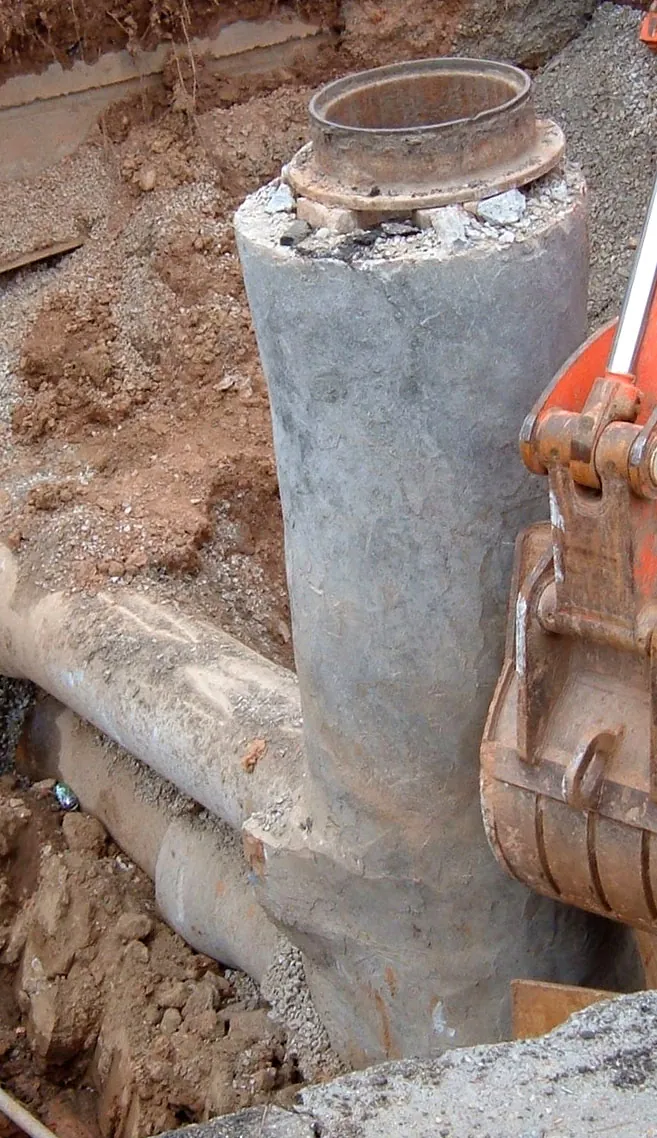
In residential construction, cast iron typically forms the main building drain under the slab or in the crawl space, the vertical stacks that carry waste from upper floors, and the building sewer running from the house to the city main or septic system. Older installations used hub-and-spigot joints sealed with oakum and lead; later ones used no-hub couplings with stainless steel bands.
How Cast Iron Deteriorates
Internal Corrosion and Scale
Sewer gases, especially hydrogen sulfide, attack cast iron from the inside. The top of the pipe corrodes fastest because gases collect there. Over decades, the pipe wall thins and rough scale builds up, a condition plumbers call "tuberculation." Scale catches solids, causing chronic slow drains long before any leak appears.
External Corrosion
Buried cast iron faces soil moisture, and in areas with a high water table or acidic soil, the outside of the pipe rusts through. Under-slab sections sit in damp soil for decades, and the bottom of the pipe can develop pinholes that leak wastewater into the ground.
Joint Separation
Lead-and-oakum joints dry out and loosen as buildings settle. No-hub couplings corrode at the stainless band. Either way, the joint opens enough for sewage to seep out and for roots to grow in.
Channeling and Bellies
Soil settlement can create low spots (bellies) where solids collect, and long-term flow can wear a channel through the bottom of the pipe. Both lead to repeated blockages and eventual structural failure.
Cast iron rarely fails without warning. Years of slow drains, gurgling, and odors usually precede the leak. Homeowners who act on those early signs avoid the worst outcomes.
Warning Signs of a Failing Cast Iron Sewer Line
- Persistent sewer odors in the yard, crawl space, or basement
- Multiple drains backing up or draining slowly at the same time
- Gurgling sounds from toilets when other fixtures drain
- Unusually lush, green patches of grass over the sewer line path
- Soggy or sunken areas in the yard
- Frequent need for drain cleaning on the same line
- Visible rust, flaking, or cracks on exposed cast iron in the crawl space
How Sewer Leaks Are Detected
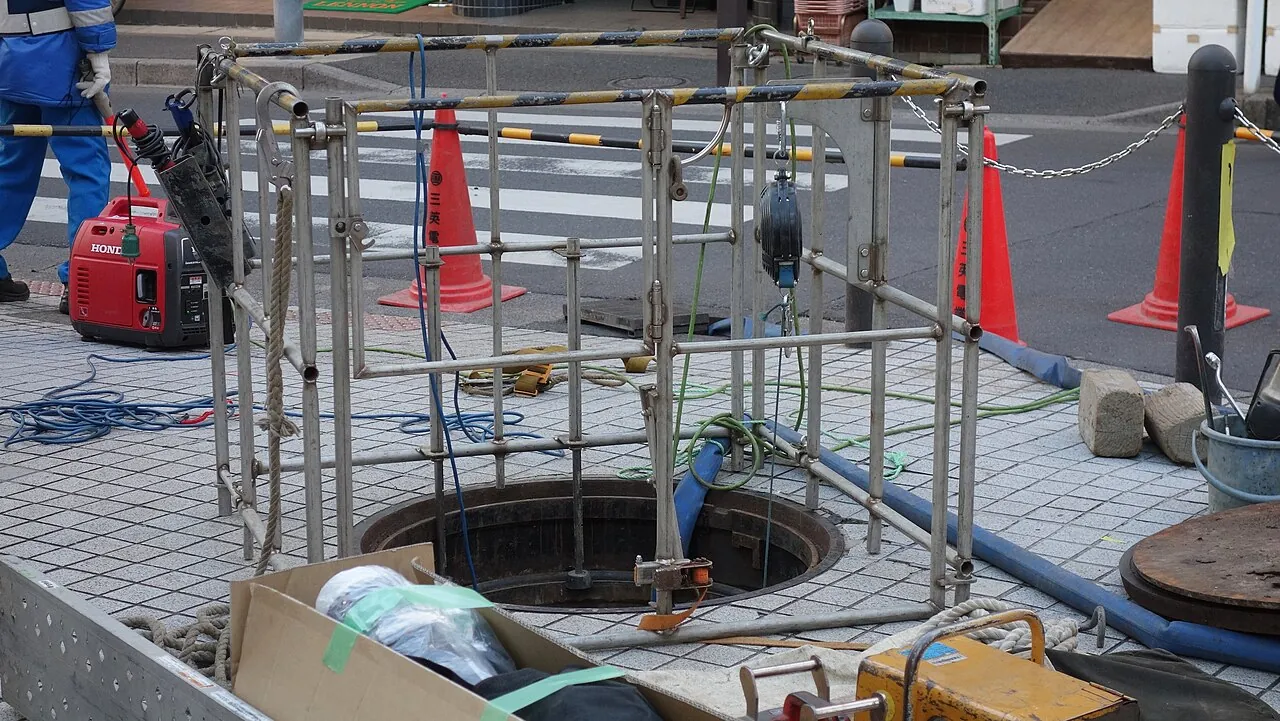
Sewer lines are diagnosed differently from pressurized water lines. A sewer camera inspection sends a camera through the line to show cracks, scale, bellies, root intrusion, and separations in real time. For leaks under slabs, tracer gas or acoustic methods can confirm the location, and dye testing traces the path of escaping wastewater. Moisture meters and thermal imaging help map damage inside the home.
Repair and Replacement Options
| Condition | Option | What to know |
|---|---|---|
| Isolated crack or bad joint | Spot repair with no-hub coupling | Works when the surrounding pipe is still sound |
| Long runs of scaled, thinning pipe | Pipe lining (CIPP) | A resin liner creates a new pipe inside the old one; minimal digging |
| Collapsed or back-pitched sections | Pipe bursting or open-trench replacement | Required when the pipe has lost structural shape |
| System-wide deterioration | Full sewer line replacement | Often combined with trenchless methods; see our trenchless pipe repair guide |
The choice depends on what the camera shows. Lining is excellent for deteriorated but still-round pipe. Bursting or trenching is needed where the pipe has collapsed or lost its slope. A comparison of pipe bursting vs pipe lining can help you understand the tradeoffs.
Protecting Your Sewer Line
- Keep roots away. Do not plant trees with aggressive roots near the sewer path, and consider preventive root treatment if roots have been found before.
- Watch what goes down. Grease, wipes (even "flushable" ones), and hygiene products accelerate scale and blockages in rough cast iron.
- Schedule camera inspections. For cast iron over 50 years old, a camera inspection every few years catches deterioration while trenchless options are still viable.
- Fix drainage issues promptly. Standing water around the foundation keeps buried cast iron wet and speeds external corrosion.
Trenchless Options for Cast Iron Sewer Lines
Full excavation is not the only way to deal with failing cast iron. Two trenchless methods handle many cast iron situations with far less disruption. Pipe lining, also called cured-in-place pipe, installs a resin-saturated liner inside the existing cast iron, creating a smooth new pipe within the old one. It works best when the cast iron is cracked, scaled, or root-damaged but still structurally round. Pipe bursting pulls a new pipe through the old line, fracturing the cast iron outward as it goes, and is the better choice when sections have collapsed or lost their shape.
Neither method is right for every line. Lining slightly reduces the inside diameter, which matters in already undersized pipes, and it cannot fix a line that has bellied or lost its proper slope. Bursting needs solid pulling pits and enough room for equipment. The honest starting point for either option is a camera inspection that shows exactly what the pipe looks like inside.
For short damaged sections, a spot repair through a single excavation can also make sense, especially when the rest of the line is in good shape. A plumber cuts out the bad section and replaces it with PVC, using proper transition couplings. This is often the most economical fix for an isolated problem, like one cracked hub or a single root intrusion point, and it buys many more years from a line that is otherwise sound.
Our comparison of pipe bursting vs pipe lining walks through the trade-offs in detail. Whichever method fits, addressing cast iron deterioration before a complete collapse keeps the project controlled instead of catastrophic.
Cast iron sewer pipe served well for generations, but nothing lasts forever underground. If you notice odors, slow drains, or soggy spots in your Lynnwood yard, call ProLine Leak Fix Pros at (425) 380-0028. We will locate the problem precisely and explain your repair options in plain language.