In This Article
That steady drip from your kitchen faucet might seem like a small annoyance, but a kitchen faucet leak can waste hundreds of gallons of water every month and quietly damage your cabinets, flooring, and plumbing. Many Lynnwood homeowners face the same question when the dripping starts: should you repair the faucet or replace it entirely? The right answer depends on the faucet's age, the type of leak, and what is causing it.
This guide walks you through the common causes of kitchen faucet leaks, the repairs that are actually worth doing, and the clear signs that replacement is the smarter move. By the end, you will know exactly how to handle that drip before it becomes a real problem.
How to Spot a Kitchen Faucet Leak
Not every kitchen faucet leak announces itself with a loud drip. Some are sneaky, and catching them early saves you from water damage and a bloated water bill. Here are the signs to watch for:
- Visible dripping from the spout when the faucet is turned off. Even one drip per second adds up to thousands of gallons a year.
- Water pooling around the base of the faucet or leaking from the handle area when you turn it on.
- Dampness or staining inside the cabinet under the sink. Open the cabinet doors and check the floor and back wall regularly.
- A musty or mildew smell under the sink, which signals moisture has been present for a while.
- Warped or swollen cabinet wood near the faucet connections or supply lines.
- An unexplained rise in your water bill with no change in your usage habits.
Run your hand along the supply line connections under the sink every few months. If you feel moisture, you have found a leak worth fixing promptly.
What Causes a Kitchen Faucet Leak
Understanding the cause of your kitchen faucet leak is the key to choosing the right fix. These are the most common culprits:
Worn cartridge or valve stem
Modern single-handle faucets use a cartridge to control water flow and temperature. Over time, the cartridge's seals wear out from constant use and mineral buildup, letting water slip past even when the faucet is off. This is the number one cause of spout drips in newer faucets.
Failed O-rings and seals
O-rings are small rubber seals around the faucet body and spout base. They dry out, crack, and shrink with age and hot water exposure. When they fail, water leaks around the handle or the base of the spout.
Corroded valve seat
The valve seat connects the faucet to the spout. Mineral deposits from hard water build up on the seat, creating tiny gaps that let water through. This is common in older compression faucets with separate hot and cold handles.
Loose or damaged parts
Packing nuts, mounting hardware, and supply line connections can loosen over time from vibration and daily use. A leak that appears when you move the faucet handle often traces back to something that just needs tightening.
High water pressure
Excessive water pressure puts constant stress on faucet seals and cartridges, wearing them out faster. If your home's pressure runs high, faucet leaks tend to repeat. A professional water leak inspection can confirm whether pressure is contributing to recurring plumbing problems.
Most kitchen faucet leaks come down to one worn part: a cartridge, an O-ring, or a washer. Identifying the exact failed part before you shop saves you from buying parts you do not need.
Repair or Replace: How to Decide
This is the question every homeowner asks. Use this comparison to make a smart decision based on your faucet's condition:
| Factor | Repair Usually Makes Sense | Replace Usually Makes Sense |
|---|---|---|
| Faucet age | Less than 10 years old, parts still available | 15 or more years old, parts hard to find |
| Number of problems | Single failed part, such as one cartridge | Multiple failures: drips, low flow, and handle issues at once |
| Body condition | Finish intact, no corrosion on the body | Visible corrosion, pitting, or mineral damage on the body |
| Repair history | First repair, or repairs years apart | Repeated repairs within the last year or two |
| Water efficiency | Faucet already has a modern low-flow aerator | Old high-flow model wasting water with every use |
| Cost factors | One inexpensive part and basic tools | Parts plus labor approaching the price of a new faucet |
A good rule of thumb: if the faucet is under ten years old, in good cosmetic shape, and the leak comes from a single identifiable part, repair it. If you are chasing one leak after another, or the faucet body itself is corroded, replacement gives you a fresh start and usually better water efficiency too.
Common Kitchen Faucet Repairs
When repair is the right call, these are the fixes that solve most kitchen faucet leaks. Always shut off the water supply valves under the sink before you start.
Replacing the cartridge
- Turn off both supply valves and plug the drain so small parts cannot fall in.
- Remove the handle by loosening the set screw, usually hidden under a cap.
- Pull out the old cartridge and note its brand and model.
- Install the matching new cartridge, reassemble the handle, and turn the water back on slowly.
Match the cartridge to your faucet's make and model. Universal cartridges work in many cases, but an exact match seals better and lasts longer.
Replacing O-rings and seals
If water leaks from the base of the spout, the O-rings are the likely problem. Remove the spout, cut away the old rings, lubricate the new ones with plumber's grease, and slide them into place. This is a quick, inexpensive fix.
Cleaning or replacing the aerator
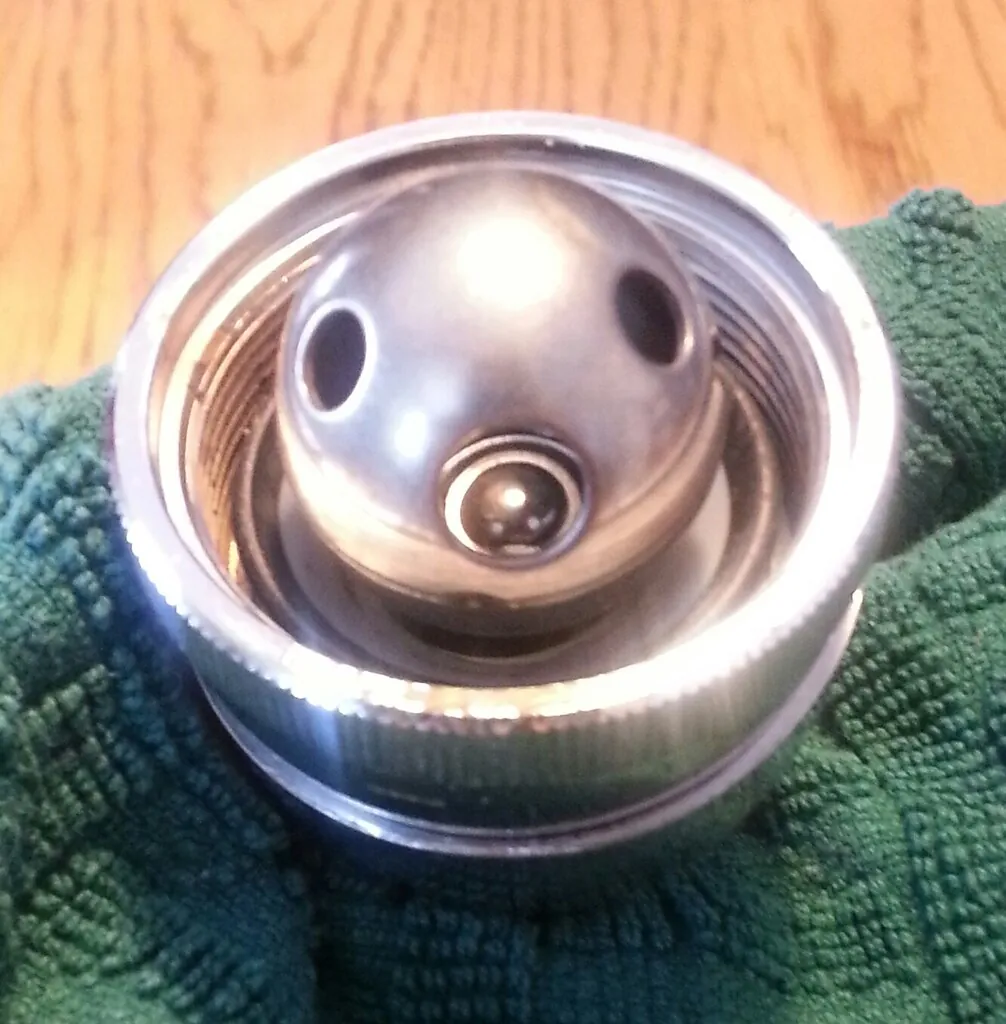
A clogged aerator causes weak flow and sputtering, which some homeowners mistake for a leak. Unscrew it, soak it in vinegar to dissolve mineral deposits, and reinstall. Replace it if the screen is damaged.
Tightening connections
Use a basin wrench to snug up supply line connections and mounting nuts under the sink. Do not overtighten: cracked supply lines and stripped threads turn a small job into a flood risk.
The Hidden Leaks Under Your Sink
The faucet you see is only half the story. The plumbing underneath the sink can leak silently for months, and the damage is often worse because nobody looks there. Check these spots:
- Supply line connections: the flexible hoses that feed the faucet can develop slow seeps at the fittings.
- Shutoff valves: older angle-stop valves can weep from the stem, especially after being turned for the first time in years.
- Pull-down sprayer hoses: the hose inside the faucet body can crack where it bends, leaking only when you use the sprayer.
- Drain connections: a loose slip nut on the P-trap lets wastewater drip onto the cabinet floor with every use.
- The sink rim and caulk: failed caulk around the sink lets splashed water seep under the rim and into the cabinet.
Place a dry paper towel under the connections and check it the next day. If it is damp, you have found your leak. Persistent under-sink moisture warps particleboard cabinets quickly, so do not ignore it. A moisture intrusion inspection with professional meters can show how far the dampness has spread inside the cabinet and wall cavity.
When to Call a Leak Detection Specialist
Some kitchen faucet leak situations go beyond a DIY repair:
- The water bill stays high after the repair. Another leak is hiding somewhere in the supply lines.
- Stains appear on the ceiling below the kitchen, which points to a leak in the supply or drain lines inside the wall or floor.
- You smell mildew but cannot find the source. Water may be trapped inside the wall cavity or under the flooring.
- The leak returns within weeks of a repair, which suggests worn supply piping rather than a faucet problem.
- Multiple fixtures leak at the same time, a classic sign of high water pressure or aging supply lines throughout the home.
Professional leak detection uses acoustic sensors and thermal imaging to pinpoint hidden leaks without tearing open walls. If your faucet is fixed but the signs of water persist, that is the time to bring in specialists rather than guessing.
Kitchen Faucet Leaks Deserve Attention
A kitchen faucet leak is one of those problems that feels small until it is not. A worn cartridge or O-ring is usually a straightforward repair, and knowing the repair-or-replace rules above keeps you from spending money on a faucet that is past its prime. But leaks that hide under the sink, inside walls, or behind cabinets can cause serious damage long before you notice them.
If you have fixed the obvious and still see signs of water, do not wait for the damage to grow. Call ProLine Leak Fix Pros at (425) 380-0028 for expert leak detection across Lynnwood and Snohomish County, and get the real source of the leak found fast.