In This Article
A cold water pipe beaded with droplets looks guilty. A damp patch under a sink feels like proof. Yet a large share of the wet spots homeowners report turn out to be condensation: ordinary moisture from the air settling on cold surfaces. The reverse mistake happens too, when a true leak is waved away as sweating pipes for months.
Telling the two apart matters, because the fixes are completely different. Condensation is managed with insulation and airflow. A leak needs the water stopped at its source. This guide gives you the simple tests, the timing clues and the weather patterns that separate them with confidence.
Why Condensation and Leaks Look So Alike
Condensation forms when warm, humid air touches a surface colder than the air's dew point. Cold water pipes in summer, toilet tanks filled with cold water, and ductwork in a humid crawl space all qualify. The moisture does not come from inside the pipe. It comes from the room itself, which is why a perfectly sound pipe can drip steadily on a muggy day.
A small leak, meanwhile, also produces droplets, dampness and the occasional drip onto the floor below. Both problems wet the same places: under sinks, around toilet bases, along basement pipes. Eyes alone cannot separate them, which is why a test beats a guess every time.
A quick vocabulary helps before the tests. People often use sweating and leaking as if they were the same word, then argue past each other. Sweating is condensation: water arriving from the air. Leaking is water escaping from a pipe or fixture. Your tests below are really asking one question in three different ways: which side of the pipe did this water come from?
The Tape Test and Two Other Simple Checks
Three checks, done in order, settle most cases:
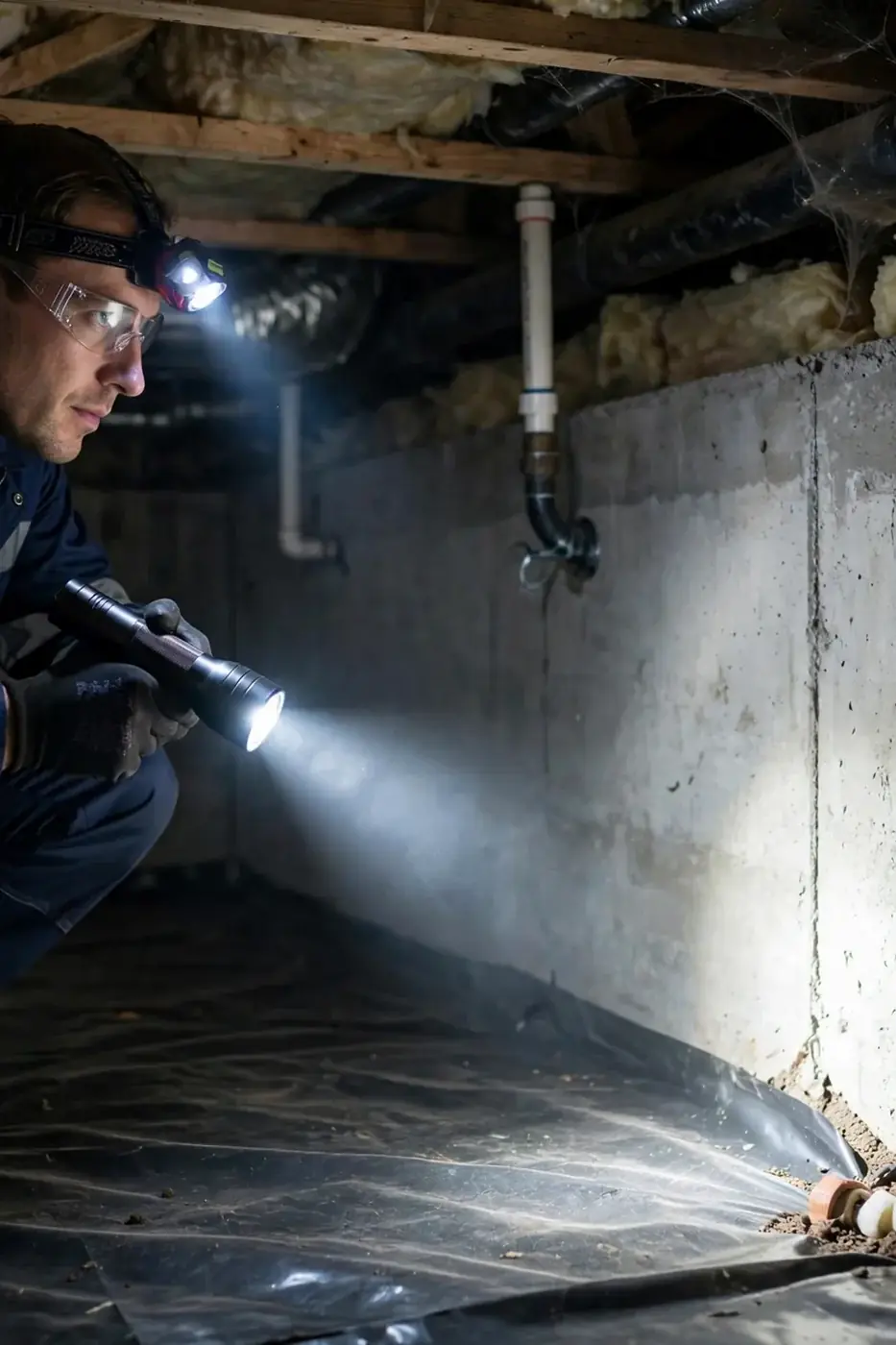
- Dry and watch. Wipe the pipe or surface completely dry. Condensation returns slowly and spreads evenly across the cold surface. A leak reappears at one specific point, often a joint or fitting, and often quickly.
- The tape test. Tape a small square of clear plastic or foil tightly over the damp area on a wall or floor and seal the edges. After 24 to 48 hours, moisture on top of the plastic points to condensation from room air. Moisture trapped underneath points to water coming from within the wall or floor, which means a leak or intrusion.
- The water use test. Note whether the wetness grows when a specific fixture runs. A spot that wets only during showers or flushes is tied to that fixture's plumbing, not to the weather in the room.
Write down what you see and when. Timing is evidence, and evidence is what separates the two suspects.
One more check helps with toilet tanks, a classic confusing case. Dry the outside of the tank and the supply line, then wait through one full fill cycle. Condensation returns as an even film across the cold porcelain. A leak at the fill valve or supply connection returns as a bead that forms at the fitting and runs down from that exact point. Same wet floor, two very different fixes.
Timing and Weather Clues That Give It Away
Condensation follows the air. It is worst on humid days, after long showers, and in summer when cold water meets warm rooms. It often appears on several cold surfaces at once: the pipe, the tank, the duct. It fades when the air dries or the surface warms.
A leak follows the plumbing instead. It is present in all weather, often at one spot only, and it does not care whether the day is humid or dry. It may pulse with water use or with water pressure, which rises at night in many neighborhoods. If the drip keeps a schedule that matches your fixtures rather than the forecast, suspect the pipe, not the air. Lynnwood's damp winters make this distinction harder, since cold surfaces and humid air are common for months, so lean on the tests rather than the season.
Humidity control itself is diagnostic. Run the bathroom fan during and after showers, and keep indoor humidity moderate for a few days. Condensation problems shrink noticeably when the air dries. A leak does not care about your fan schedule at all. If the wet spot ignores a week of drier air, it was never condensation.
Where Each Problem Usually Shows Up
Location adds another clue:
- Toilet base and tank: a sweating tank drips clean water on humid days and stops in dry weather. Water at the base that never fully dries, or a floor that feels soft, points to the wax seal instead.
- Under-sink pipes: even beading along a cold line suggests condensation. A drip that starts at one joint suggests the joint.
- Basement and crawl space pipes: widespread sweating in summer is typical condensation. One wet patch of soil or insulation is not.
- Walls and ceilings: a stain that grows, a musty smell, or paint damage almost never comes from simple condensation on a pipe. Treat these as leak signs until proven otherwise.
Bathroom exhaust deserves a special mention, because a fan that vents into an attic instead of outside can dump warm, wet air into a cold space, where it condenses on the roof deck and drips back down. The stain on the ceiling below looks exactly like a plumbing leak from the bathroom above it. Checking where the fan actually vents has solved more than one mystery ceiling stain.

How Professionals Settle the Question
Professionals use the same logic with better instruments. A moisture meter reads how wet the material actually is and, importantly, how deep the wetness goes: surface dampness from condensation reads very differently from a wall that is wet through its core. Moisture intrusion inspection maps the wet zone to see whether it spreads from a pipe path or sits only on exposed surfaces.
Pressure testing can prove whether a supply line holds pressure or loses it, and a drain can be tested separately. Thermal imaging adds one more angle, showing whether the cold pattern follows a pipe run or a whole exterior wall. At ProLine Leak Fix Pros, the answer comes from measurements, not opinions, so the fix that follows is the right one for your Lynnwood home.
Once the answer is known, the responses are refreshingly different. Condensation is answered with pipe insulation on cold lines, better bathroom ventilation and moderate indoor humidity. A leak is answered by stopping the water and repairing the source. Homeowners who know which problem they own rarely waste money, because each fix is cheap when it is aimed at the right target.
Conclusion: Test First, Then Fix the Right Problem
Insulating a pipe that is actually leaking wastes a season. Opening a wall for condensation that only needed airflow wastes a wall. The tape test, the dry and watch check, and a little attention to timing cost nothing and prevent both mistakes.
If your tests point to water coming from inside the structure, or the evidence stays mixed, get it measured. Condensation is a comfort problem. A leak is a countdown, and it is better to know which one you have.
One last encouragement: this is one of the few home mysteries a homeowner can genuinely solve alone in a weekend. The tests cost nothing, the logic is simple, and the answer is usually clear by Monday. And when it is not clear, you will hand any professional a set of observations that makes their visit shorter and sharper.