In This Article
New construction slab leaks sound like something that should not exist. The home is brand new, the pipes are brand new, and the building passed inspection. Yet slab leaks in new construction homes happen more often than buyers expect, and they can start within the first year after move in. By the time symptoms show up, water may have been running quietly under the concrete for weeks.
Knowing why new homes develop leaks under the slab helps you spot trouble early and protect your investment. This guide explains the most common causes of new construction slab leaks, the warning signs to watch for in a newly built home, how professionals pinpoint these leaks without guesswork, and what to do if you find one.
Why New Homes Are Not Immune to Slab Leaks
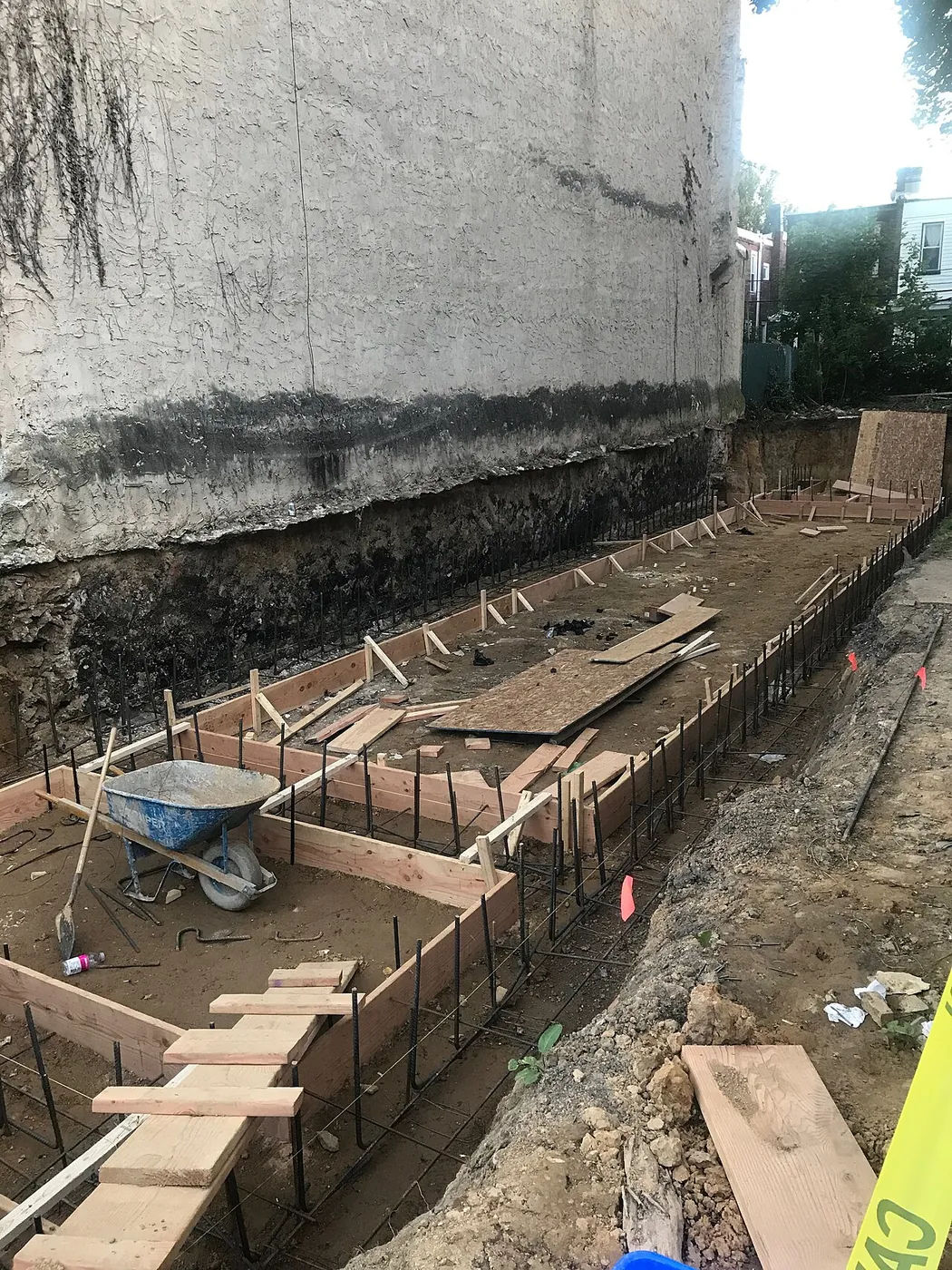
In a slab-on-grade home, hot and cold water lines run through or beneath the concrete slab the house sits on. A slab leak is a break in one of these buried lines. Buyers often assume a new home cannot have one, but the pipes are at their most vulnerable during construction, not after. Heavy equipment rolls over trenches, trades stack materials on exposed lines, and concrete pours put sudden weight and pressure on everything below.
Most slab leaks in new construction trace back to something that happened before the slab was poured, or during the first months of settling after it. A pipe that was nicked by a shovel or kinked during backfill can hold for a while, then fail once water pressure and thermal expansion start working on the weak spot. Soil around a new foundation also settles and shifts for the first year or two, which can stress joints and bends.
This is why a new home warranty and a passed inspection do not fully protect you. Inspections verify that the plumbing works on inspection day. They cannot see a pipe that was scratched during backfill and is slowly failing six months later.
Common Causes of New Construction Slab Leaks
Most new construction slab leaks come from a small set of causes. Here are the ones we see most often:
- Installation damage. A shovel nick, a dropped tool, or a pipe dragged across gravel can scar copper or PEX during the rough-in. The line passes the pressure test, then the scar becomes a pinhole months later.
- Kinked or overstressed pipe. Pipes forced into tight bends or buried without proper bedding can sit under constant stress. Thermal expansion from hot water cycling then works the weak point until it cracks.
- Poor backfill and compaction. Sharp rocks or debris pressed against a pipe can abrade it over time. In our glacial Snohomish County soil, uneven settling adds movement that unfinished backfill makes worse.
- High water pressure. New subdivisions sometimes deliver water at higher pressure than the plumbing is set up for. Constant high pressure stresses every joint and fitting under the slab.
- Chemical corrosion. Certain soils and concrete mixes are mildly corrosive to copper. A thin spot in the pipe wall can corrode through surprisingly fast when trapped in damp soil.
- Failed fittings and connections. A fitting that was not fully seated or soldered during a rushed rough-in may seep from day one, slowly at first, then faster.
Post-tension slabs add their own risk. In a post-tensioned slab, steel cables run through the concrete under tension, and a careless cut or drill during or after construction can damage both the cable and nearby pipes. Our guide to post-tension slab leak risks explains why these slabs need extra care during detection and repair.
Warning Signs in a Newly Built Home
New homeowners often blame early symptoms on settling or normal new-home quirks. Do not make that mistake. Watch for these signs:
- Warm or hot spots on hard floors, a classic sign of a hot water line leaking under the slab
- A water bill that climbs even though your usage has not changed
- The sound of running water when every fixture and appliance is off
- Damp carpet or moisture along baseboards with no visible source
- Hairline cracks in new tile or grout that appear within the first year
- Low or fluctuating water pressure at faucets and showers
- Your water meter turning with everything in the house shut off
One sign deserves a phone call. Two or more together make professional detection the right next step. For the full list, see our slab leak symptoms checklist.
How Pros Detect Slab Leaks in New Homes
Professional slab leak detection in Lynnwood follows the same careful process in new homes as in older ones, and the new construction often makes the job easier, since the pipe layout is standard and the home has no remodeling layers to sort through.
Step 1: Confirm the leak with meter and pressure testing
With all fixtures off, the technician checks the water meter for movement. Then each line is isolated and pressure tested to find out whether the hot line, cold line, or a specific branch is losing pressure.
Step 2: Acoustic listening
Sensitive ground microphones pick up the hiss of pressurized water escaping under the concrete. In a quiet new home with few background noises, acoustic signals are often clean and easy to read.
Step 3: Thermal imaging
An infrared camera scans the floor for heat patterns. A hot water leak paints a clear warm plume spreading through the slab, and thermal imaging covers large rooms in minutes without touching the floor.
Step 4: Tracer gas confirmation
For leaks that are nearly silent, a safe hydrogen-nitrogen mix is introduced into the drained line. The gas rises through the concrete at the leak point, where a sensitive sniffer finds it.
A slab leak in a new home is almost always a construction defect, not bad luck. The sooner it is pinpointed, the smaller the repair opening and the stronger your position with the builder.
Repair Options Compared
Once the leak is pinpointed, you and your repair contractor can choose the right fix. The main options:
| Method | What It Involves | Best When |
|---|---|---|
| Spot repair | Opening the slab at the marked point and replacing the damaged pipe section | A single, accessible leak in an otherwise healthy system |
| Reroute | Abandoning the under-slab line and running a new line through walls or attic | Multiple leaks, hard-to-reach spots, or recurring failures |
| Epoxy pipe lining | Coating the inside of the existing pipe with a protective epoxy layer | Pipes are mostly sound but show early corrosion in several spots |
| Full repipe | Replacing the home's supply lines with new material | Widespread installation defects affecting many lines |
Accurate detection is what makes a small spot repair possible. Without it, exploratory demolition can turn a one-day fix into a week of concrete cutting and floor replacement. Our pipe leak repair service handles the repair side once detection has marked the exact location.
Builder Warranty and Your Next Steps
Most new homes come with a builder warranty that covers plumbing defects for a set period, often one to two years for workmanship and longer for structural items. If you find a slab leak in a new home, take these steps in order:
- Document everything. Photograph stains, cracks, warm spots, and your water bills. Keep a simple log of dates and symptoms.
- Get professional detection first. A pinpointed leak location with a written report is strong evidence. Guessing at the cause or letting the builder's crew poke exploratory holes weakens your position.
- Notify the builder in writing. Describe the symptoms, attach the detection report, and reference your warranty terms.
- Do not delay. Warranty clocks run on time, not on how bad the leak looks. A small leak today can erode soil and crack a slab while you wait.
A detection report from a dedicated leak specialist carries weight because it is based on measured evidence: pressure readings, acoustic signatures, and thermal images. That documentation helps whether the builder steps up or you need to escalate.
Act Early on New Construction Slab Leaks
New construction slab leaks are a frustrating surprise, but they are also one of the most fixable plumbing problems when they are caught early. A single pinpointed leak, found with acoustic listening and thermal imaging, can often be repaired through one small slab opening, with far less mess than most homeowners fear.
The cost factors that matter are the repair method, the flooring over the slab, and how much restoration the opening needs. Early detection keeps all three small. If your new home shows any sign of a slab leak, get answers now. Call ProLine Leak Fix Pros at (425) 380-0028. Call for availability and let our specialists find the leak before it finds your foundation.