In This Article
It usually starts with two clues that seem unrelated. At night you hear light scratching or scurrying inside a wall or above the ceiling. A week or two later a faint drip sound, a small ceiling stain, or a musty corner appears in the same part of the house. Put together, those clues often mean one thing: rodents have found your PEX water lines, and they are chewing on them.
Rats and mice gnaw constantly because their front teeth never stop growing. Soft plastic pipe is an easy target, and a pressurized line rewards them with water once they chew through the wall of the pipe. This guide covers why PEX attracts rodents, the signs that separate chew damage from other leaks, the places they strike most, how professionals pinpoint the damage without opening every wall, and how to keep it from happening again.
Why Rodents Chew PEX Pipes
PEX is a flexible plastic tubing used in many newer and remodeled homes around Lynnwood. To a rodent it offers three things at once. The material is soft enough to gnaw, it sits in warm and quiet spaces like attics and wall cavities, and it carries water, which rodents actively seek in dry weather. Gnawing also files down teeth that would otherwise grow too long, so pipes near a nest or a travel route get worked on again and again.
The damage rarely starts as a clean hole. First the teeth scrape and thin the pipe wall, leaving white stress marks and shavings. Then a pinhole opens and sprays a fine mist under pressure, often only when the line is fully pressurized. Finally the weakened spot can split, turning a slow hidden leak into an active one. Because the early stage is just a mist inside a wall, the water damage is often well under way before anyone sees a drip.
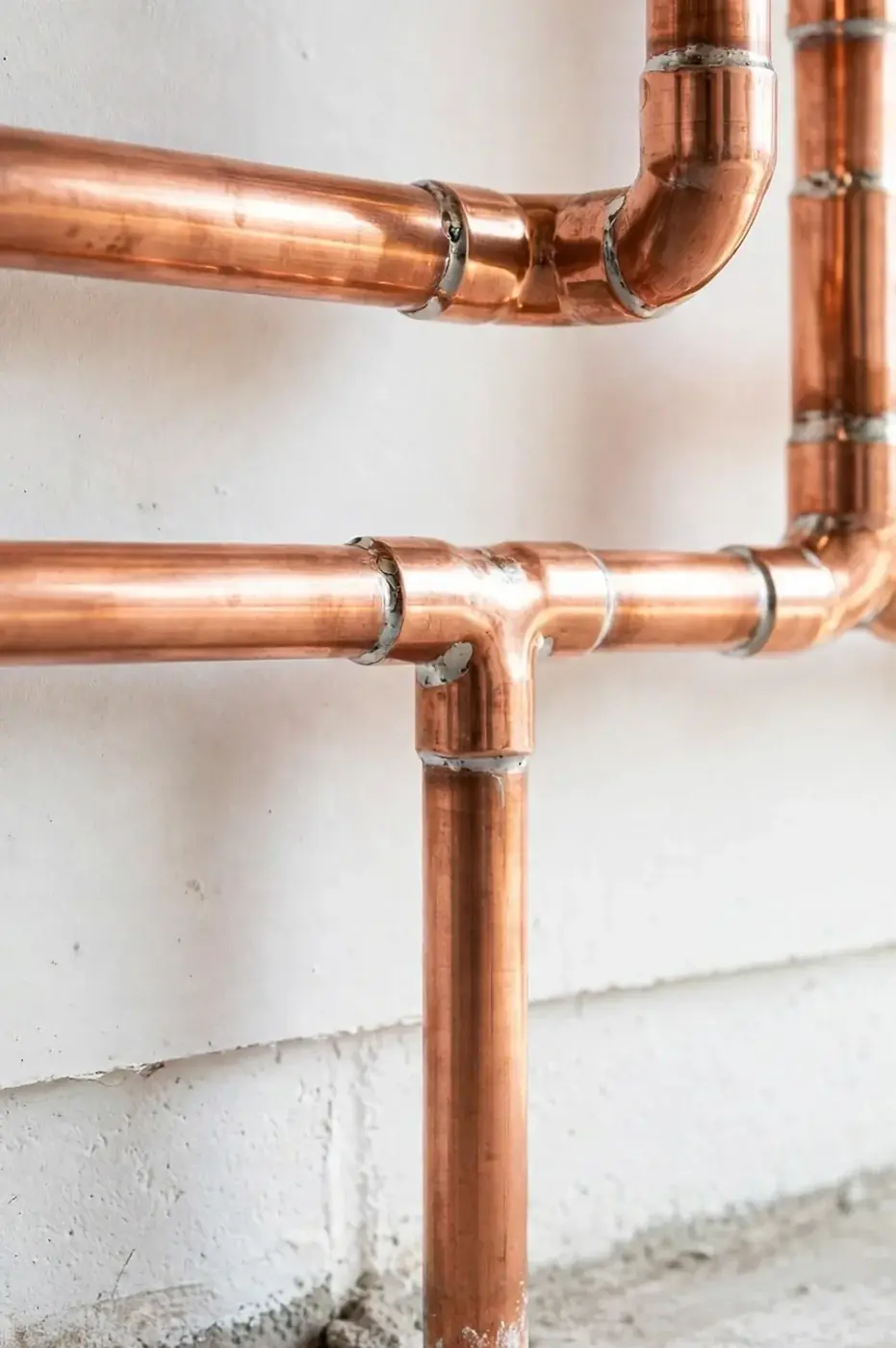
Copper and other metal pipes are not safe from rodents either, but they resist teeth far longer, so gnawing damage concentrates on plastic lines. Rodents also chew for reasons that have nothing to do with water: to open a path, to reach nesting space, or simply because the pipe sits across a route they travel every night. That is why chew marks sometimes appear on a drain line or even on pipe insulation with no water in it at all. When the target is a pressurized supply line, though, every day of gnawing moves the wall of the pipe closer to failure.
The Signs That Point to Rodent Damage
No single sign proves rodents are chewing your pipes, but the pattern is hard to miss once you know it. Watch for these clues together:
- Scratching, scurrying, or gnawing sounds in walls or the attic, mostly at night
- A new drip, stain, or musty smell in the same area where you hear activity
- Droppings, nesting material, or greasy rub marks along pipes and joists
- Plastic shavings or short curls of tubing material below a pipe run
- A water meter that creeps when no fixture is running
- Damage that returns in the same area after a simple repair
Compare that with an ordinary fitting leak, which usually starts at a joint, shows green or white crust on metal, and comes with no animal signs at all. When sound, droppings, and a fresh leak arrive together, chew damage belongs at the top of the list.
Where Chew Damage Happens Most
Attics are the most common location. PEX runs across warm attic floors near nesting spots in insulation, and a leak there soaks insulation and ceiling drywall long before it shows below. Wall cavities near kitchens and bathrooms are next, because pipes there pass close to food smells and water sources that draw rodents in the first place.
Crawl spaces round out the list, especially where vents are damaged or missing screens. In Snohomish County homes, roof rats are frequent attic visitors, and they tend to travel the same routes nightly, which is why chew spots often cluster along one pipe run instead of spreading evenly through the house.
Time of year matters as well. Rodents push indoors in fall as temperatures drop, and attic activity in many Lynnwood homes peaks in the colder months, exactly when pipes are also under freeze stress. A thinned pipe that survives summer pressure may split on the first hard night of winter. If you have had rodent activity treated in the past, it is worth asking for your exposed plastic lines to be looked at during the same visit, before the animals return to a space they already know.
How Professionals Confirm and Pinpoint Chew Damage
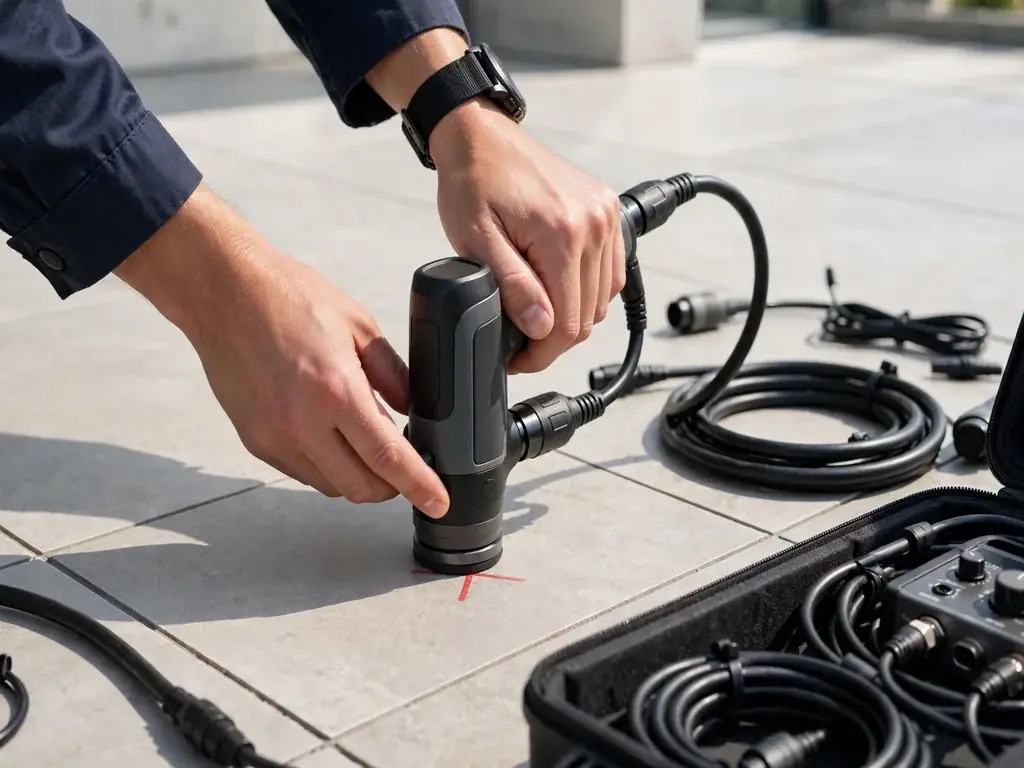
Confirming the leak comes before opening anything. A technician starts with a meter test to prove water is escaping, then uses isolation valves to narrow the loss to one zone of the house. From there, acoustic listening equipment picks up the hiss of the pinhole through the wall or ceiling, and a moisture meter maps how far the water has spread from that point.
Where the sound is faint, thermal imaging can show the cool or warm trail of leaking water, and a small inspection camera through a tiny opening can confirm the chew marks directly. This is the core value of professional leak detection: the opening in your wall or ceiling is cut once, in the right place, at the size the repair actually needs. ProLine Leak Fix Pros uses this sequence on Lynnwood homes so the fix targets the damaged section, not the whole run.
One more confirmation tool deserves a mention: pattern evidence. Chew damage leaves parallel tooth grooves and rough, angled edges that look nothing like a clean split, a corroded pinhole, or a failed joint. When a camera or a small opening shows those grooves, the argument is over, and the conversation can move to exclusion work with confidence. Photographing the damage also helps if you later deal with a pest control company or a landlord about who handles which part of the fix.

After the Repair: Keeping Rodents Off Your Pipes
Replacing the chewed section without changing anything else invites a repeat visit. These steps make the repair last:
- Seal entry points: gaps around vents, roof edges, and pipe penetrations, with metal flashing or mesh rodents cannot gnaw through
- Screen attic and crawl space vents and repair damaged vent covers
- Remove nesting material and clean droppings from the affected area safely
- Trim branches that touch the roof, since they are the highway roof rats use
- Protect replaced pipe runs in exposed areas with metal shielding or reroute them away from known travel paths
- Arrange pest control for an active infestation before it finds the new pipe
It also helps to check the rest of the run while walls are open. Rodents rarely chew in exactly one spot, and finding a second thinned section during the same visit is far easier than a second leak next season.
Hear Scratching and See a Stain? Treat It as One Problem
Rodent chew damage is really two problems sharing one address: an animal in the structure and a pressurized pipe it is slowly opening. Fixing only the leak leaves the cause in place, and removing only the animals leaves a thinned pipe waiting to split. Handle both, and the story ends.
If your Lynnwood home has nighttime scratching plus any new sign of water, get the line checked soon. ProLine Leak Fix Pros can pinpoint the damage with acoustic and thermal tools, so the repair is small, targeted, and ready for rodent proofing the same visit.
Finally, think about the order of work. Detection first, so the opening is small. Pipe repair second, while the space is open. Exclusion and cleanup third, sealing the routes and removing the scent trails that guide new rodents to the same spot. Skipping the third step is the most common reason this problem repeats, and it is also the cheapest step of the three. A home that has hosted rodents once is marked as good habitat, and only changed conditions unmark it.