In This Article
A slab leak is one of the most destructive plumbing problems a homeowner can face, mainly because it hides where you cannot see it. Water supply lines run beneath your concrete slab foundation, and when one of those pipes develops a leak, water escapes directly into the soil under your home. The short answer to the big question is yes: slab leak foundation damage is a real and serious risk, and the longer the leak runs, the worse the structural consequences become.
In this guide, we explain how slab leaks threaten foundations, the warning signs to watch for, why homes in Lynnwood face added risk from local soil and rainfall, and how modern slab leak detection finds the exact leak point without tearing up your floors.
What Exactly Is a Slab Leak?
A slab leak is a leak in a water pipe located under or within the concrete slab that forms your home's foundation. In many homes built on slab foundations, hot and cold water supply lines are embedded in or routed beneath the concrete. Common pipe materials include copper, PEX, and in older homes, galvanized steel.
Slab leaks develop for several reasons:
- Pipe corrosion: Copper pipes can develop pinhole leaks from chemical reactions with soil or water chemistry.
- Abrasion: Pipes expand and contract with temperature changes, rubbing against concrete or gravel until the wall wears thin.
- Poor installation: Kinked lines, weak solder joints, or pipes nicked during construction eventually fail.
- High water pressure: Excessive pressure stresses joints and fittings over time.
- Soil shifting: Ground movement stresses rigid pipe runs and cracks fittings.
Because the leak sits under concrete, you may not see water at all. Instead, the damage shows up indirectly: a rising water bill, warm spots on the floor, or cracks spreading across walls. If you want the full picture of how these leaks are found, read our guide on how slab leak detection works.
Can a Slab Leak Damage Your Foundation?
Yes. A slab leak can absolutely damage your foundation, and in severe cases it can compromise the structural stability of your home. The danger is not the water itself touching the concrete. Concrete is porous and can handle some moisture. The real damage happens in the soil beneath the slab.
Your foundation depends on the soil underneath it for even, consistent support. A pressurized water line can release hundreds of gallons per day into that soil. Over weeks or months, this constant flow washes away fine soil particles, creates voids, and changes how the ground supports the slab. When support becomes uneven, the concrete slab settles, shifts, or cracks, and that movement transfers into your walls, floors, and framing.
Think of your foundation like a table standing on packed sand. A slab leak is like pouring a hose under one leg of that table, day after day. Eventually the sand washes out, the leg drops, and the whole table tilts.
How Slab Leaks Undermine a Foundation
Understanding the mechanics helps explain why early detection matters so much. Here is what happens underground:
Soil erosion and void formation
Pressurized water scours the soil beneath the slab, carrying away silt and fine particles. Over time this creates empty pockets, or voids, under the concrete. The slab above a void is unsupported and can crack under the weight of your home.
Differential settlement
When one section of soil washes away while the rest stays firm, the foundation settles unevenly. This differential settlement is what produces the classic symptoms: diagonal cracks in drywall, sloping floors, and doors that suddenly stick or will not latch.
Hydrostatic pressure and heaving
In clay-heavy soils, added water causes the soil to swell, pushing upward against the slab. This heaving can lift sections of the foundation, cracking the slab from below. Later, when the soil dries, it shrinks back, and the cycle of movement repeats with every leak cycle.
Chemical attack on concrete
Constant moisture can carry dissolved minerals and, in some soils, sulfates that slowly degrade concrete. While slower than erosion, this weakens the slab over long periods.
Secondary damage
Moisture wicking up through the slab feeds mold growth in flooring and wall cavities, rots wood framing and sill plates, and corrodes metal fasteners. These problems multiply repair costs far beyond the plumbing fix itself.
Warning Signs of Foundation Damage from a Slab Leak
Catch these early and you can limit the damage dramatically:
- Cracks in walls or floors: Diagonal cracks above doors and windows, or cracks spreading across tile and concrete floors.
- Uneven or sloping floors: A marble rolls across the room, or you feel a distinct slope underfoot.
- Doors and windows sticking: Frames warp as the foundation shifts, making doors hard to open or latch.
- Warm spots on the floor: A hot water line leak heats the slab above it, creating a noticeably warm patch.
- Damp carpet or flooring: Moisture wicking up through the slab, often near the same spot.
- The sound of running water: Hearing water when all fixtures are off is a classic slab leak clue.
- Unexplained high water bills: A sudden jump with no change in usage points to a hidden leak.
- Low water pressure: Water escaping underground reduces pressure at your taps.
If you notice several of these together, do not wait. Learn more about the early indicators in our article on hidden water leak signs for Lynnwood homeowners.
Why Lynnwood Soil and Climate Raise the Stakes
Homes in Lynnwood, WA face a combination of factors that make slab leaks and their foundation consequences more likely:
- Glacial soils: Much of Snohomish County sits on glacial till with pockets of clay and silt. These soils shift with moisture changes and can be corrosive to buried copper.
- Heavy rainfall: The Pacific Northwest's long wet season keeps soils saturated, which accelerates erosion once a leak starts and makes voids form faster.
- Expansive clays: Clay pockets swell when wet and shrink when dry, stressing both pipes and slabs through repeated movement.
- Older housing stock: Neighborhoods like Meadowdale and Perrinville include many mid-century homes with original copper or galvanized lines now reaching the end of their service life.
For a deeper look at how our wet climate drives water problems, see our guide to rainy season water intrusion in Lynnwood.
How Professionals Detect Slab Leaks Without Destroying Floors
Finding a slab leak used to mean jackhammering exploratory holes and hoping for the best. Modern slab leak detection in Lynnwood is non-invasive and remarkably precise:
- Acoustic listening: Sensitive ground microphones and correlators pick up the distinct sound of pressurized water escaping, triangulating the leak point. Learn more in our acoustic leak detection guide.
- Thermal imaging: Infrared cameras reveal the heat signature of a hot water leak spreading through the slab. See how thermal imaging finds leaks.
- Tracer gas: A safe hydrogen-nitrogen mix is introduced into the line, and a sniffer detects where gas escapes through the slab. Details in our tracer gas leak detection article.
- Pressure testing: Isolating individual lines and monitoring pressure drops confirms which line is leaking before pinpointing begins.
- Moisture meters: Pin and pinless meters map how far moisture has migrated through flooring and walls.
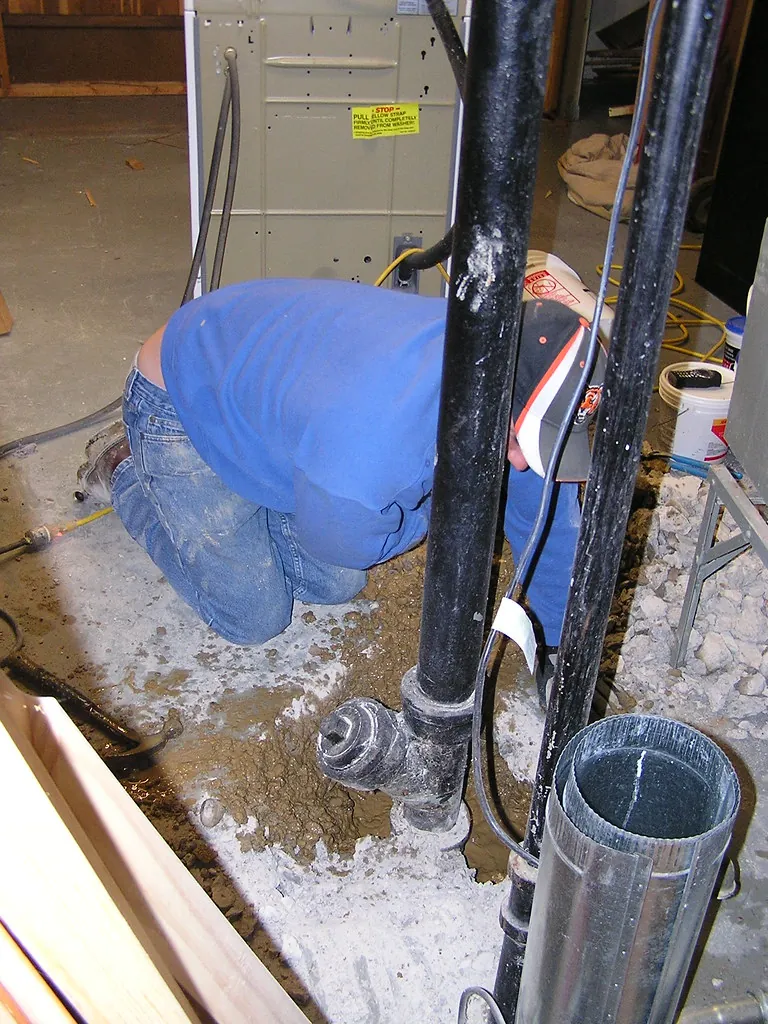
Used together, these methods typically locate the leak within inches, so repair requires opening only a small section of floor instead of demolishing large areas.
Slab Leak Repair Options Compared
Once the leak is pinpointed, several repair approaches are available. Each suits different situations:
| Repair Method | How It Works | Best For | Disruption Level |
|---|---|---|---|
| Spot repair | Open the slab at the leak point and fix or replace the damaged section | Single, accessible leaks in otherwise healthy pipe | Moderate: one area of flooring removed |
| Reroute (bypass) | Abandon the under-slab line and run a new line through walls or attic | Older pipes likely to leak again | Low to moderate: no slab demolition |
| Whole-house repipe | Replace all supply lines with new PEX or copper | Multiple leaks or deteriorated system | Moderate: wall and ceiling access needed |
| Tunneling | Dig beneath the slab from outside to reach the pipe | Leaks under expensive flooring you want to preserve | Low inside: work happens underground |
We cover these choices in detail in our article on slab leak repair options.
What To Do If You Suspect a Slab Leak
- Confirm the leak: Turn off all water, check your meter, wait 30 minutes, and check again. Movement means water is escaping somewhere.
- Shut off the water if you see active flooding or hear major flow, to limit soil damage.
- Document symptoms: Note crack locations, warm spots, and when you first noticed changes. Photos help.
- Call a leak detection specialist: Pinpoint detection comes before any repair decision.
- Do not start jackhammering on guesswork. Random demolition rarely finds the leak and always adds cost.
Protect Your Foundation: The Bottom Line on Slab Leak Damage
Slab leak foundation damage is not a theoretical risk. It is a mechanical certainty if a pressurized leak runs long enough under your home: soil erodes, support becomes uneven, the slab settles or heaves, and cracks spread through your home. The good news is that modern detection finds these leaks precisely and early, when repair is simplest and foundation impact is minimal.
If anything in this article sounds familiar, from diagonal wall cracks to warm floor spots to a water bill that keeps climbing, reach out to ProLine Leak Fix Pros. We specialize in non-invasive slab leak detection across Lynnwood and Snohomish County. Call (425) 380-0028 today and get answers before a small leak becomes a foundation problem.