In This Article
Why One Slow Drain Is Local and All Slow Drains Are Not
Think of your drain system like a tree. Each fixture is a small branch: the sink trap, the tub drain, the toilet outlet. Those branches join larger pipes in the walls and floor, and everything finally flows into one trunk, the main line that carries wastewater out of the house to the street or septic system. A clog in a branch affects one fixture. A problem in the trunk affects every branch above it.
That is why the pattern is such a strong clue. If only the bathroom sink is slow, clean the trap and the stopper first. If the sink, tub, and shower on different floors all slow down in the same few days, save your effort. Nothing you pour into one drain will fix a blockage that sits twenty feet downstream, and the shared slowdown is your house pointing at the trunk, not the branches.
What Builds Up Where All the Drains Meet
Main lines narrow slowly, and several things do the narrowing. The most common causes we find in Lynnwood homes are:

- Grease and soap buildup: cooking grease cools and coats the pipe wall, then catches hair, food bits, and soap scum until the opening shrinks
- Tree roots: roots find tiny openings at pipe joints, grow toward the moisture, and form a mat that traps everything passing by
- Scale and rust: older metal pipes roughen inside over the years, and rough walls grab debris that a smooth pipe would let slide past
- A sagging section: a pipe that settles loses its slope, water pools in the low spot, and solids settle out instead of washing through
- A cracked or offset joint: shifted soil or age can misalign two pipe sections, creating a lip that catches wipes, paper, and roots
- Things that should never be flushed: wipes, paper towels, and hygiene products do not break down like toilet paper and collect at any rough spot
Most main lines give warnings for weeks while the opening narrows. The drains still work, just slower, because water can still squeeze past. The trouble starts when the opening gets small enough that a heavy flow, like a washing machine drain cycle or several showers in a row, cannot get through in time.
Simple Checks You Can Do Tonight
You cannot see inside your main line, but you can confirm the pattern and gather clues before anyone picks up a tool:
- Test the lowest drain first. Find the lowest fixture in the house, often a basement floor drain, a ground floor tub, or a laundry sink. Slow or rising water there points downstream.
- Run one big fixture and watch the others. Drain the washing machine or fill and empty the tub, then listen at toilets and floor drains for gurgling or bubbling.
- Check both bathrooms. If drains in two separate bathrooms are slow, the shared section is almost certainly beyond both of them.
- Look at the yard. A patch of grass that is greener or softer than the rest, along the path to the street, can mark a leaking or broken line below.
- Note the timing. Drains that are fine in the morning and slow by evening often mean the line handles small flows but not a full day of use.
Write down what you notice, including which fixtures misbehave and when. That short note saves real time later, because the pattern of symptoms is often what separates a partial blockage from a damaged pipe.
Signs the Problem Is Turning Into a Backup
A slow main line and a backing up main line are the same problem at different stages. Treat these signs as urgent: water rising in a basement floor drain or a ground floor shower when you run water upstairs, a toilet that bubbles when the washing machine drains, sewage smells near floor drains, and any drain that goes from slow to standing completely still.
When water starts coming up instead of going down, stop adding water to the system. Pause laundry, keep showers short or skipped, and do not run the dishwasher. Every gallon you send into a line that cannot carry it away has to surface somewhere, and it will choose the lowest opening in the house. Keeping water out of the pipes for a few hours can be the difference between a controlled fix and a flooded floor.
How Professionals Confirm a Main Line Problem
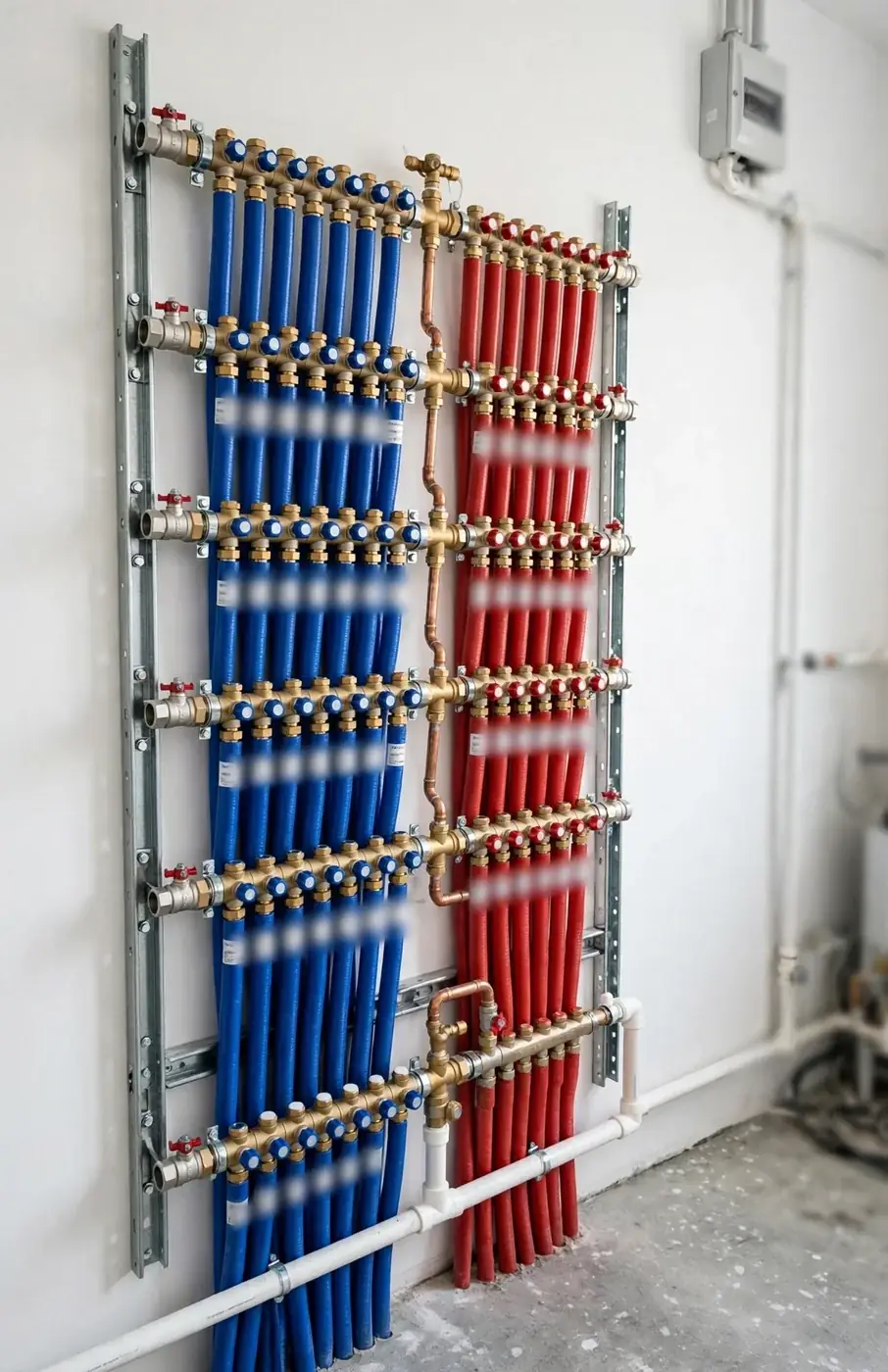
Guessing at a main line gets expensive fast, because the fix for a grease clog and the fix for a cracked, root filled pipe are very different. Professionals settle the question with a sewer camera inspection. A small camera travels the full length of the line and shows the blockage, its location, and the condition of the pipe around it on a screen, in real time.
When the concern is a leak rather than a blockage, hydrostatic pressure testing helps: the line is isolated and filled, and a drop in the water level proves water is escaping somewhere along it. Combined with the symptoms you noted, these tests tell a technician in Snohomish County whether the line needs a thorough cleaning, a spot repair, or a section replaced, and exactly where that work belongs. No digging happens on a guess.
One more habit helps while you wait for answers: spread out the big water users. A washing machine, a dishwasher, and two showers all draining within the same twenty minutes is the heaviest load a narrowing line ever sees, and it is the load most likely to push water up into a tub or floor drain. Staggering those jobs by an hour or two does not fix the line, but it keeps each flow small enough to squeeze past a partial blockage. Think of it as driving slowly over a rough road while you arrange the real repair. Also, be careful with garbage disposals during this period, because ground food adds solids to a line that is already struggling to move what it has. Small loads, spaced out, buy you calm days instead of a cleanup, and they keep the symptom pattern clean and readable for the technician who comes to inspect the line.
Conclusion: Trust the Pattern, Act Before the Backup
Every drain slowing at once is your plumbing speaking in a complete sentence. The blockage is downstream where all the drains meet, it will not clear itself, and it tends to announce its final stage by pushing water back into the lowest room of the house. Read the pattern early, run the simple checks, keep water use light once drains start rising, and get the line looked at with a camera.