In This Article
- The Fly Life Cycle, and Why It Gives the Game Away
- Where Drain Flies Breed Besides the Drain You Cleaned
- Tests That Separate a Dirty Drain From a Hidden Leak
- Why the Leak Behind the Flies Deserves Attention
- How Professionals Find the Moisture Feeding the Flies
- Conclusion: Returning Flies Are Reporting Hidden Water
The Fly Life Cycle, and Why It Gives the Game Away
Drain flies are small, fuzzy, moth like insects that fly weakly and mostly hop and crawl near drains. The adults you see are the least important part of the colony. The real colony is eggs and larvae living in a gelatinous film of bacteria and decaying matter, feeding in constant dampness. In warm conditions the cycle from egg to adult can run in about one to two weeks, which matches the rhythm homeowners notice: clean, quiet for days, then flies again.
That timing is diagnostic. If you thoroughly clean a drain and the flies return on the colony schedule, they are breeding in material your cleaning did not touch. Inside a healthy drain system, a proper scrub removes the film and the flies end. A colony that survives lives somewhere else: in overflow channels, in a cracked pipe section, or in wet wood, insulation, and soil fed by a leak. The flies are, in effect, reporting dampness you cannot see.
Where Drain Flies Breed Besides the Drain You Cleaned
When cleaning fails, these are the breeding sites to think about:
- Overflow channels: the hidden passage inside sinks and tubs collects film and is missed by most drain cleaning
- A cracked drain pipe: wastewater seeps into the crack walls and surrounding material, growing film outside the pipe where no brush reaches
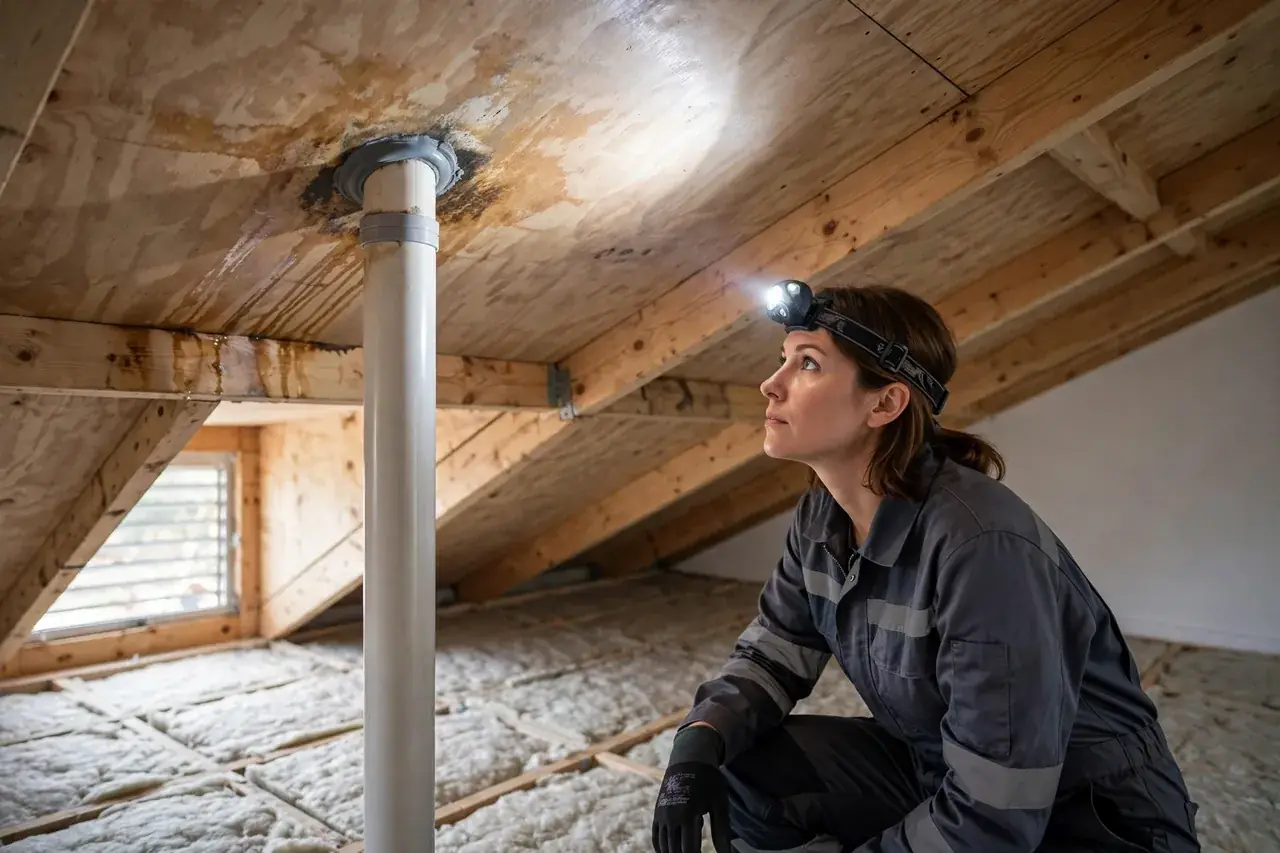
- A leaking trap or joint under the floor: slow drips keep subfloor wood permanently damp, a perfect breeding mat
- A leaking shower pan or drain: water escaping under the shower feeds film in the floor layers below the tile
- Floor drain reservoirs: basement and laundry floor drains hold water and buildup that rarely get cleaned
- Wet soil in a crawl space: a drain line leaking below the house can grow a colony that sends adults up through floor gaps
Notice how many of these involve water being somewhere it should not be. That is why pest control alone disappoints: spraying adults does nothing to a wet breeding site sealed inside a floor.
Tests That Separate a Dirty Drain From a Hidden Leak
You can run these before calling anyone:
- The tape test. After drying the drain area at night, place clear tape loosely over the drain opening, sticky side down, leaving air gaps. Flies stuck in the morning confirm they are emerging from that drain.
- The isolation test. Tape several suspect drains on different nights. If flies keep appearing in the room but no taped drain catches them, the colony is not in a drain at all, which points at hidden moisture.
- The deep clean test. Scrub the drain walls and the overflow channel with a stiff brush, not just a liquid treatment. If flies still return on schedule, the film is somewhere a brush cannot go.
- The moisture check. Look and feel around the area: soft grout, swollen baseboards, a musty smell, or flooring that feels different near the fixture all support the leak theory.
Keep notes on which drains you taped and what you caught. That small log turns a frustrating bug problem into usable evidence.
Why the Leak Behind the Flies Deserves Attention
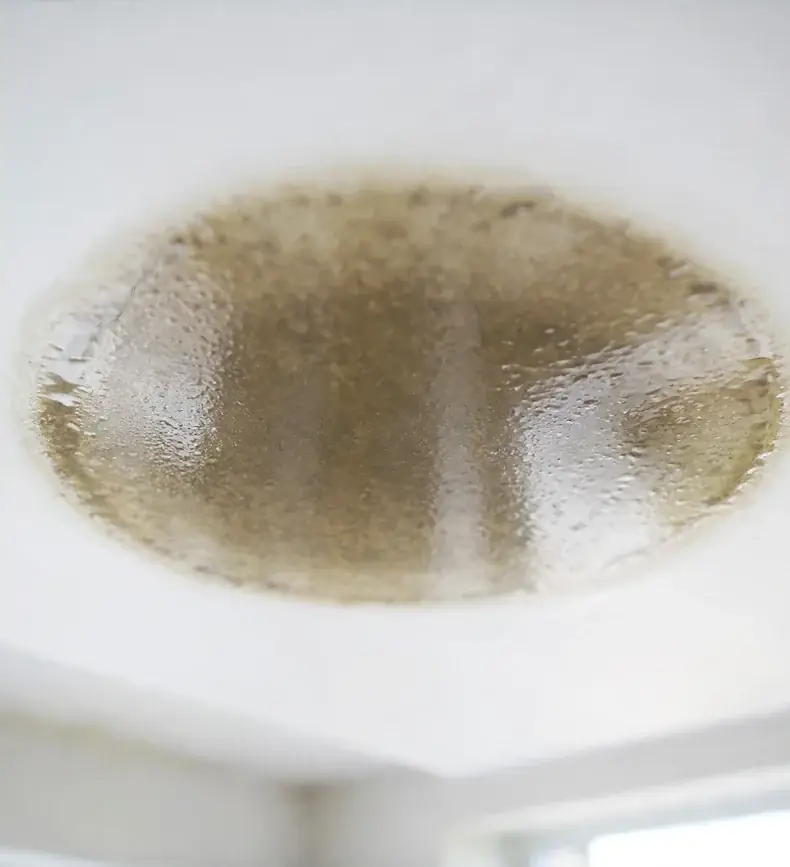
It helps to reframe the problem: the flies are not the damage, they are the alarm. The damp material feeding them is also feeding mold growth and slowly softening wood. A drain line crack or a leaking shower drain can wet a subfloor for months while the only surface sign is a handful of tiny flies and a faint smell that comes and goes.
Homeowners sometimes treat the area with pesticides for a whole season while the floor below quietly weakens. By the time flooring feels spongy or a stain appears on the ceiling below, the repair has grown well past finding a small leak. Listening to the flies early is genuinely the cheap path, because they show up near the start of the moisture story, not the end.

How Professionals Find the Moisture Feeding the Flies
A leak detection visit for returning flies starts with moisture mapping. A technician uses moisture meters around the suspect fixtures and floors to find where material is wet, including inside wall cavities and subfloor layers that feel dry on the surface. Thermal imaging can reveal the cool, damp pattern of an active leak spreading from a drain or supply line.
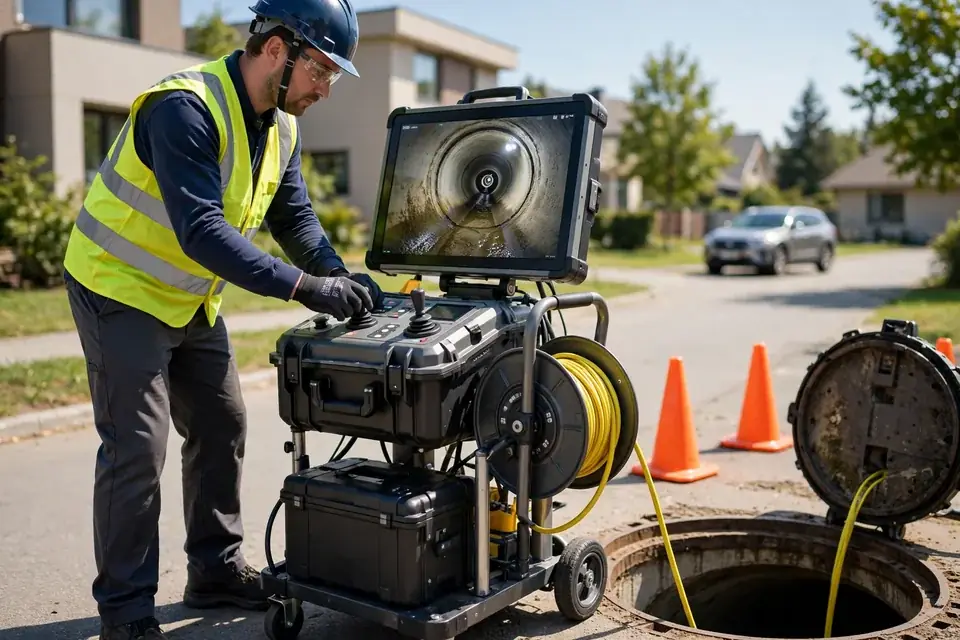
If a drain pipe is the suspect, hydrostatic testing proves whether that line holds water, and a camera inspection shows cracks or failed joints inside it. ProLine Leak Fix Pros brings these methods together for Lynnwood and Snohomish County homes, so the breeding site is dried out at its source. Once the moisture is gone and the area dries, the colony ends on its own, because drain flies cannot breed in a dry floor.
It is worth being precise about identification, too, because the wrong bug sends you cleaning the wrong thing. Drain flies are tiny and moth like, with fuzzy wings held like a little tent over the body, and they rest on walls near the drain they came from. Fungus gnats, which breed in overwatered houseplant soil, are slimmer and darker and gather near plants and windows instead. Fruit flies are smaller still, with reddish eyes, and they hover over fruit and recycling. If your insects rest on the bathroom wall beside the tub and drift weakly when disturbed, you almost certainly have drain flies, and the breeding site hunt in this guide applies. If they swarm a window near your plants, check the pots first. Getting the species right takes ten seconds of looking closely, and it decides whether you spend your effort on a drain, a plant, or a hidden patch of leak fed dampness behind the wall.
Conclusion: Returning Flies Are Reporting Hidden Water
A few drain flies after a missed cleaning are normal housekeeping. Flies that return on schedule after real cleaning are information: something near that drain stays wet, and it may be water escaping a pipe rather than film inside it. Run the tape and isolation tests, check for moisture signs, and if the colony refuses to live in any drain you can reach, have the moisture found. Fix the water, and the flies fix themselves.