In This Article
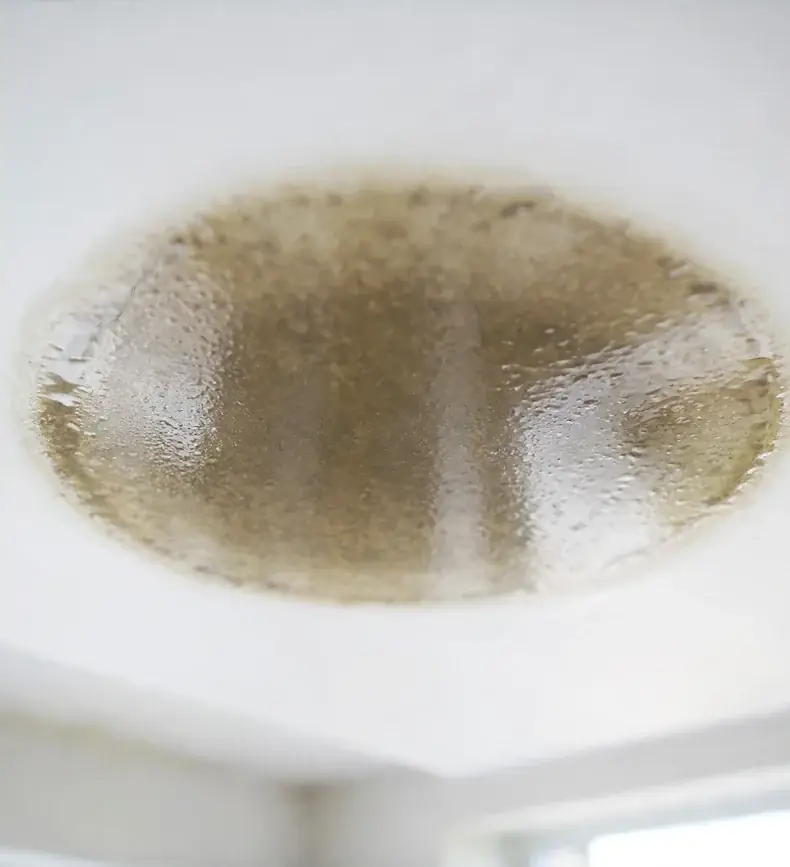
They show up in the worst places: floating in a glass of water, speckling the bottom of a white bathtub, caught in the screen of the coffee maker. Black particles in tap water look alarming, and they raise an obvious question. What are they, and how did they get into water that is supposed to be clean? The honest answer is that black specks have several possible identities, and the right response depends on which one is visiting your home.
Fortunately, black particles are excellent witnesses. Whether they appear in hot water or cold, at one fixture or every fixture, whether they smear like grease or crumble like charcoal, each trait narrows the list. This guide teaches you to read those traits, explains the usual suspects, from aging rubber parts to a dissolving anode rod to harmless biofilm, and shows when specks are a nuisance and when they are the visible edge of a bigger plumbing problem.
The Smear Test and Other First Clues
Collect a few particles on a white paper towel or the tip of a finger and interrogate them:
- Smears like grease or tar: suggests deteriorating rubber or a manganese related deposit, soft and sticky to the touch
- Crumbles like charcoal or coffee grounds: points to carbon from a filter, or debris from a breaking down anode rod
- Hard and gritty like sand: suggests mineral or pipe scale breaking loose from inside the lines
- Slimy and soft: fits biofilm, the natural growth that can form inside pipes and fixtures
Then map the pattern. Particles in hot water only point at the water heater and its parts. Particles at every tap, hot and cold, point at the incoming supply or equipment the whole house shares, like a filter or softener. Particles at one faucet point at that fixture's own washers, hoses, and aerator. Ten minutes of observation will usually cut the suspect list in half before anyone picks up a wrench.
Rubber Parts and the Anode Rod
Two inside the home sources account for many cases. The first is rubber. Supply hoses, faucet washers, and gaskets age in treated water, and as they break down they shed tiny black crumbs that smear when rubbed. A single faucet shedding specks while the rest of the house runs clean almost always ends here: a washer or hose at that fixture is quietly dissolving, and replacing it ends the show.

The second source is the water heater's anode rod, the sacrificial metal rod that protects the tank. Certain rod materials break down into dark particles as they are consumed, and those particles ride the hot water out to every fixture. Hot side only specks, especially in a home with a water softener, fit this story well. The finding matters beyond the specks themselves: a rod in that condition has little protection left to give, and the tank's age and health become part of the same conversation.
Biofilm, Filters, and the Supply Side
Biofilm is the least dramatic suspect. A thin, natural layer of microorganisms can grow inside pipes and fixtures, especially in little used lines, and pieces of it occasionally break loose as dark, soft flecks. A guest bathroom that sits unused for months is a classic stage. Flushing the line well often clears it, and regular use keeps it from returning. It is a housekeeping issue far more than a hazard, though any sudden change in water appearance is fair to question.
Filters tell their own story. A new carbon filter sheds fine black carbon dust until it is fully rinsed, which is normal and brief. An old, exhausted filter can shed steadily, and a softener with failing resin can release dark beads that feel like tiny sand. If specks began right after filter work, suspect the filter first. If every home on your Lynnwood street reports specks the same week, the supply itself is the likely source, often stirred sediment from main work, and the water provider is the right first call.
Keep a sample when you can. A few particles saved in a small jar of the water they arrived in give a professional a head start, because the specks can be examined for texture and behavior before they dry out and change. Note the date, the fixture, and whether the water was hot or cold. That small habit turns a vague report of black stuff into evidence, and evidence shortens the path to the source considerably, especially when the particles appear only now and then and refuse to perform during a service visit.
When Black Particles Deserve a Faster Response
Most black particle cases are quality problems, not safety emergencies, but a few combinations deserve prompt attention. Specks that arrive together with a sulfur smell suggest the anode and bacteria story inside the heater, which a combined service visit solves. Specks with a sudden drop in water pressure suggest debris is moving through the system in quantity, possibly from a pipe that is deteriorating inside. Specks with discolored water, metallic taste, or visible corrosion at fixtures suggest aging galvanized or otherwise failing pipe, where the particles are the pipe itself slowly coming apart.
Old piping deserves a special mention in older Snohomish County homes. Galvanized lines corrode from the inside over decades, shedding dark scale, narrowing the passage for water, and eventually leaking. If your specks are gritty, your pressure has faded over the years, and your pipes are original to an older home, the particles may be an early chapter of a pipe condition story, and a professional assessment beats waiting for the leak chapter.
How Professionals Trace Particles to the Source
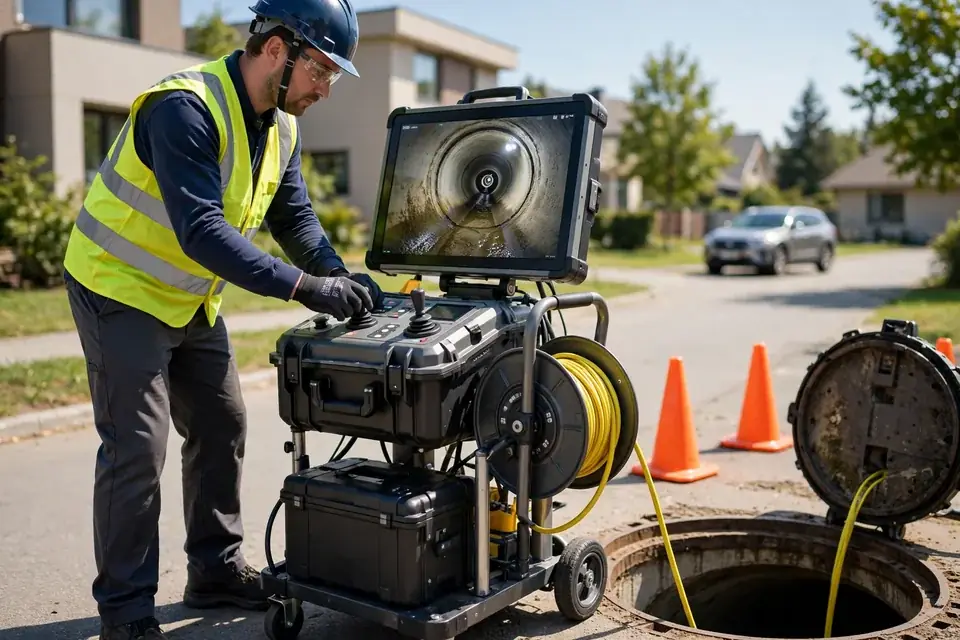
Professionals work the pattern with samples. We draw water at the heater drain, at the nearest tap, and at an outside spigot, comparing what each sample carries. That sequence separates tank sources from house sources from supply sources in one visit. Aerators come off and get inspected, hoses and washers at suspect fixtures get checked, and the anode rod's condition is assessed when the hot side is implicated.
Where pipe deterioration is suspected, pressure testing and leak detection join the visit, because shedding pipes and leaking pipes are often the same pipes at different addresses on the line. Moisture checks around fixtures confirm nothing is escaping behind walls while the water runs dirty at the tap. At ProLine Leak Fix Pros, the goal is a named source and a proportionate fix, not a guess dressed as a diagnosis.
One more pattern is worth knowing: particles that appear only after the water has been off, during a vacation or a repair shutdown, are often pipe scale knocked loose by the pressure changes of draining and refilling. They typically clear after a thorough flush of the lines and do not return. Particles that appear during normal, undisturbed weeks are residents, not tourists, and they point to an active source inside the system that is shedding steadily. The calendar, like the smear test, is one of your best diagnostic tools.
Specks Are Small, but They Are Not Silent
Black particles in your water are your plumbing shedding evidence, and evidence can be read. Smear or crumble, hot or cold, one tap or all of them: those three observations usually identify whether you are dealing with a dying washer, a consumed anode rod, a tired filter, or pipe that is aging from the inside. Most fixes are modest once the source is named.
If the pattern points at the heater, the pipes, or nowhere you can find, call ProLine Leak Fix Pros at (425) 380-0028. We will sample, trace, and tell you exactly what is floating in your water and what to do about it.