In This Article
The shower used to last. Now the water fades to lukewarm halfway through, and the second person in line gets a cold surprise. When hot water runs out faster than it used to, the change itself is the biggest clue. Your household routine probably did not change overnight, so something inside the system did. A tank that once held a full supply of hot water is now delivering less of it, and there is a short list of reasons why.
This guide walks that list in the order homeowners actually meet it: sediment stealing space at the bottom of the tank, a broken dip tube mixing the water inside, heating parts that no longer keep up, demand that quietly grew, and the sneaky one, a hot water leak that drains the tank around the clock. Each cause has its own fingerprints, and learning them saves you from replacing parts that were never the problem.
Sediment: The Invisible Tenant in Your Tank
A water heater tank holds a fixed volume. When sediment builds up on the floor of the tank, the water it displaces is gone from your supply. A tank that started life holding its full rated amount may effectively hold far less after years of mineral buildup, and the missing share is exactly the part of the shower that now goes cold. The heater still works, the water still gets hot, there is simply less of it stored and ready.
Sediment leaves fingerprints. Listen for popping or rumbling when the heater fires, the sound of steam fighting through the layer at the bottom. Notice longer waits for hot water to recover after use, since heat has to push through the debris before it can warm the water above it. If the noise and the short showers arrived together, sediment is the prime suspect, and a flush is the first remedy to try, especially if the tank has never had one.
The Broken Dip Tube Problem
Inside the tank, a long plastic tube called the dip tube carries incoming cold water down to the bottom, where it can be heated. Hot water leaves from the top. When that tube cracks or breaks short, cold water pours in near the top and mixes directly with the hot water waiting there. The tank is full, the burner works, but every draw pulls diluted, lukewarm water within minutes. Homeowners describe it as the hot water running out almost immediately, far faster than sediment alone would explain.

The giveaway detail is tiny plastic fragments. A breaking dip tube often sheds small white or blue plastic bits that show up in faucet aerators and showerheads, sometimes clogging them. If your short showers arrived suddenly rather than gradually, and you find plastic crumbs in an aerator screen, the dip tube has likely failed. Replacing it is a contained repair that restores the tank's full delivery, no new heater required.
When the Heating Side Cannot Keep Up
Sometimes the storage is fine and the heating is not. Electric heaters rely on two elements, and the lower one does most of the daily work. When it fails, the upper element alone heats only the top portion of the tank, giving you a short burst of truly hot water that fades fast. Gas heaters have their own version: a burner that is dirty, weak, or short cycling may never bring the full tank to temperature before a busy morning drains it.
A thermostat set lower than it used to be, whether by a bump, a curious hand, or a past adjustment nobody remembers, produces the same complaint with the simplest fix of all. Check the setting before suspecting parts. And remember that recovery matters as much as storage: a heater that reheats slowly makes normal use feel like shortage, especially when showers, laundry, and dishes stack up in the same hour in a busy Snohomish County household.
Tank size and household size drift apart quietly over the years. A heater chosen for a couple becomes the heater serving a family with teenagers, a new bathroom, or a soaking tub added in a remodel. Nothing is broken in that story, and yet the complaint sounds identical: the hot water runs out. The honest check is whether the shortage arrived suddenly, which points to parts and sediment, or crept in alongside a fuller house, which points to capacity. The fix for capacity is planning, not repair, and knowing which story you are in saves a great deal of frustration.
The Cause Nobody Sees: A Hot Water Leak
A leak on a hot water line steals from the tank all day and all night. The heater keeps reheating to replace water nobody used, showers run short because the stored supply is always partly drained, and the water bill climbs for reasons that stay invisible. Hot line leaks hide in the classic places: under a slab, inside a wall, or in a crawl space, quietly soaking materials while the household blames the heater.
Test the theory at the water meter. Turn off every fixture and appliance, then watch the meter's leak indicator. If it moves, water is leaving the system somewhere. Warm spots on a floor, the sound of running water in a quiet house, or a heater that fires when nobody has drawn water all strengthen the case. This is the one cause on the list that gets worse and more damaging the longer it waits, so it deserves to be ruled in or out early rather than last.
How Professionals Separate the Causes
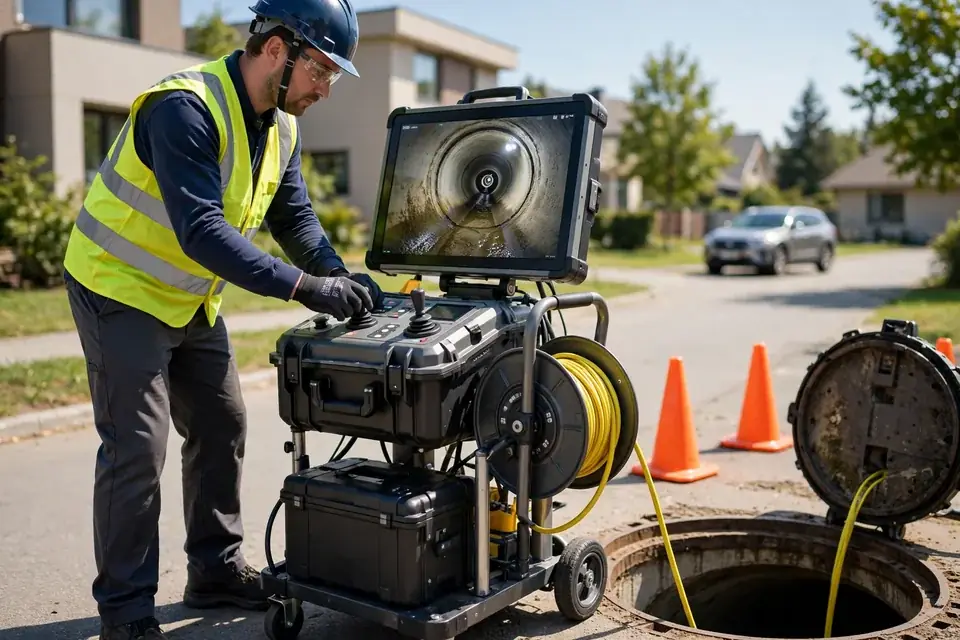
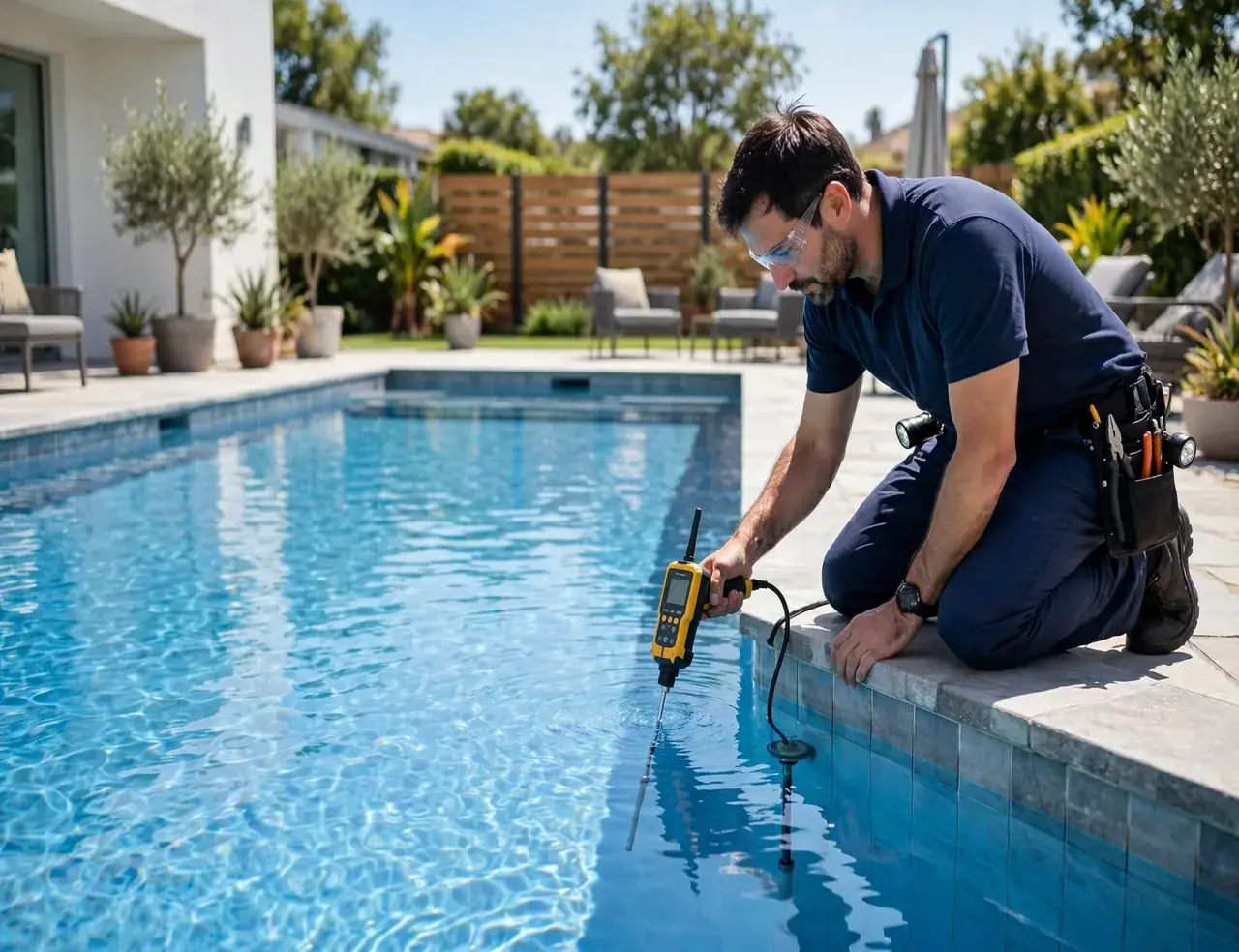
Each cause on this list produces the same complaint, short showers, so professionals measure instead of guessing. A meter test answers the leak question in minutes. Thermal imaging then shows how the tank and nearby lines actually hold heat: a hot slab spot or a warm trail along a wall can reveal a hot line leak that no eye could find, while an even tank reading points back to sediment or parts. Acoustic listening can pinpoint a pressurized hot line leak under floors once the thermal scan narrows the area.
At ProLine Leak Fix Pros, we work through the list in order of consequence. Rule out the leak first, because it damages the home while you decide. Then check the tank's condition, its sediment load, its dip tube, and its heating parts, and explain what we find in plain terms. Lynnwood homeowners get a diagnosis tied to evidence, not a parts replacement based on a hunch.
Time of day tells a story too. Shortages that strike only during the morning rush, when showers, the dishwasher, and laundry overlap, often reflect recovery speed more than storage. Spacing heavy uses by even half an hour can transform the experience while you decide on next steps. A heater that fails a single evening shower, by contrast, has lost real capacity, and no scheduling trick will hide it. Note when yours runs out, because that detail points the diagnosis in the right direction from the first phone call.
Short Showers Are a Symptom, Not a Verdict
Hot water that runs out too fast is your system reporting a change, and the change has a findable cause. Sediment shrinks the tank from inside, a broken dip tube dilutes the supply, tired heating parts slow the recovery, and a hidden hot line leak drains the whole system in secret. Each one feels identical at the showerhead, which is why checking beats guessing.
If your showers have gone short and you cannot pin the cause, call ProLine Leak Fix Pros at (425) 380-0028. We will test for the leak first, check the tank honestly, and tell you exactly what is stealing your hot water.