In This Article
It starts as a puzzle. Your electric bill climbs for two or three months, but nothing in the house seems different. No new appliances, no guests, no space heaters. Then you notice smaller things: the water heater seems to run more often, hot water cools a little faster, and maybe the floor near one wall feels faintly warm. These clues connect. A hidden hot water leak makes the heater replace lost hot water around the clock, and you pay for every gallon twice: once in water, once in electricity.
This guide explains the simple mechanism, the signs that your bill and your plumbing are linked, how to run two quick checks at home, and how professionals confirm the leak and its exact location so the waste stops.
The Simple Mechanism: One Leak, Two Bills
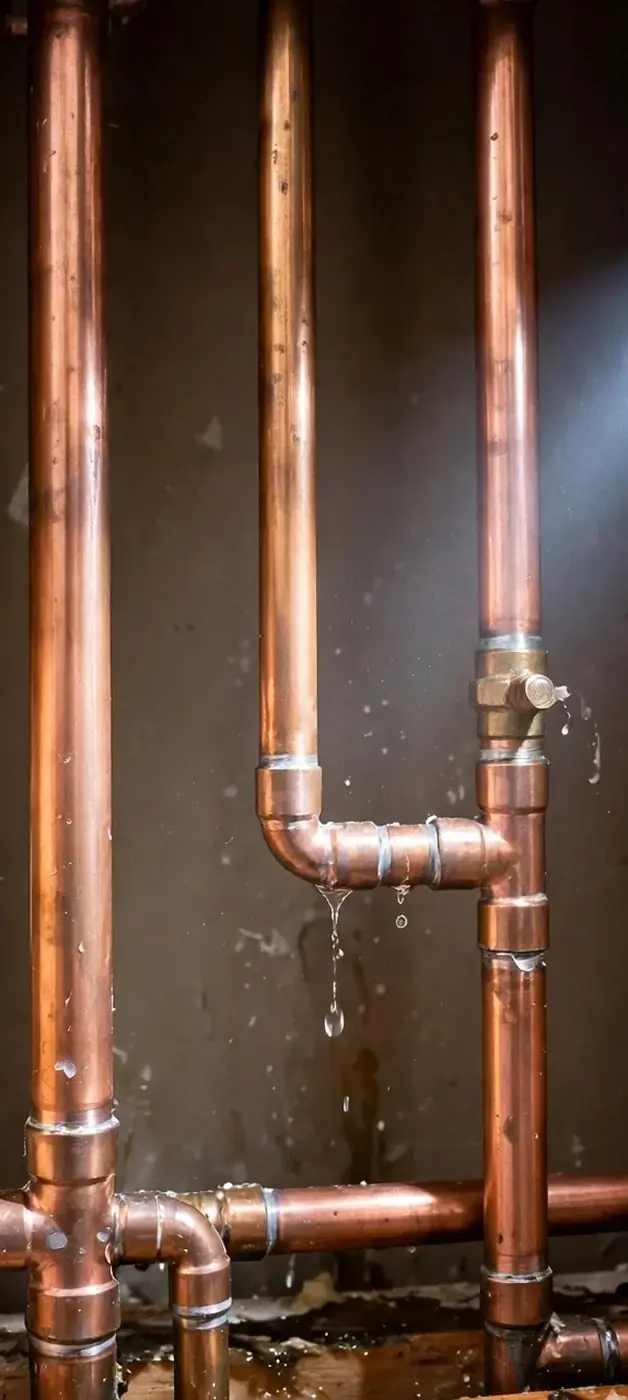
A hot water line under pressure leaks steadily, whether the leak is a pinhole in a slab line or a weeping joint inside a wall. Every bit of hot water that escapes is replaced in the tank by cold water, which the heater must heat. The leak never sleeps, so the heater works in short cycles all day and night to keep up with a demand nobody is using.
That is why the electric bill rises even though your habits have not changed. The heater is serving an invisible extra fixture that runs constantly. In a Lynnwood home the effect is easy to miss in summer and glaring in winter, when bills are compared month to month and the heater's extra work stands out.
The math is worth picturing once. A leak does not need to be dramatic to be expensive in energy terms. Hot water escaping steadily means the tank's stored heat is steadily leaving the house through a pipe instead of a shower. The heater replaces it with the only tool it has: more heating cycles. Because the loss runs 24 hours a day, including all the hours when nobody is home or awake, even a modest leak can outrun the energy used by the showers and laundry you actually take.
Signs the Bill and the Leak Are Linked
No single sign proves it, but this combination is a strong pattern:
- Electric use climbs steadily with no change in appliances, weather, or household size
- The water heater runs or clicks on at odd times, including the middle of the night
- Hot water runs out sooner than it used to, or turns lukewarm under steady use
- A floor area, especially over a slab, feels warm in one spot
- The water meter moves when all fixtures are off, and moves faster when the heater outlet is open
- You can hear faint running water or hissing in a quiet house with everything off
Compare with the other common bill culprits, like a failing heater element or a heat pump problem. Those raise the bill without moving the water meter. The meter is what ties the story to plumbing.
Season can mask the link. In summer, a rising bill gets blamed on fans and cooling. In winter, on heating. The hot water leak hides inside both stories because its extra load blends into a bill that was going up anyway. The way to catch it is comparison: this month against the same month last year, with similar weather. A steady climb that survives that comparison, in a house with unchanged habits, is a pattern worth testing with the meter rather than explaining away a third month in a row.
Two Quick Checks You Can Run Tonight
First, the meter test. With every fixture off and no appliance filling, watch the water meter for 15 to 30 minutes. Any steady movement means water is leaving the system. Second, the heater isolation test: close the cold water inlet valve on top of the water heater and repeat the meter watch. If the meter stops, the loss is on the hot side of the system, downstream of the heater, and your bill mystery has its answer.
A third observation helps: stand near the heater in a quiet moment and note how often it cycles with nobody using water. A healthy heater in an idle house rests. One that fires every short while is feeding something. Write down times if you can; the pattern is useful evidence for a technician.
Where Hot Side Leaks Like to Hide
Under slab lines are the classic location. A hot line leaking under concrete warms the slab above it, sometimes enough to feel with bare feet, and runs for months because nothing is visible. Recirculating hot water loops are another, since they keep hot water moving through long pipe runs for convenience, giving a small leak constant hot supply to waste.
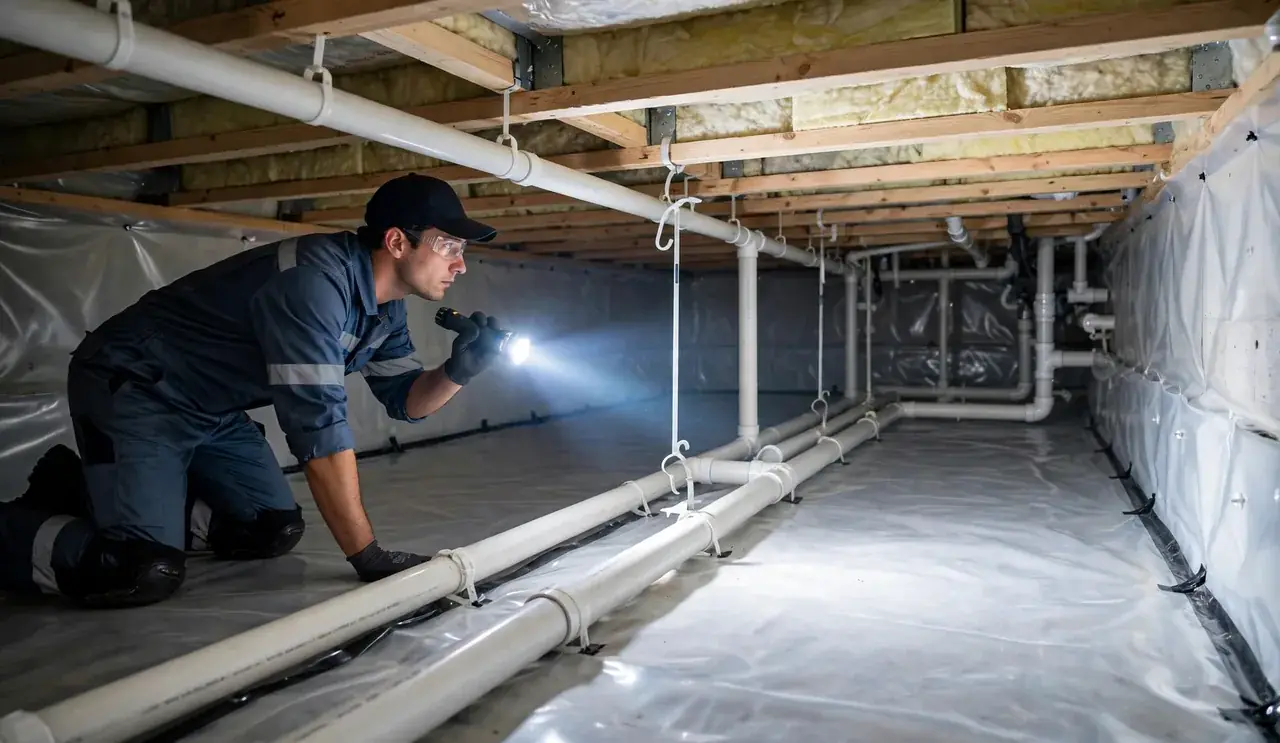
Inside walls near bathrooms and kitchens, and in crawl spaces under tubs and showers, hot lines also leak quietly. The common thread is warmth plus silence: the leak is warm enough to cost you electricity and hidden enough to show nothing but the bill.
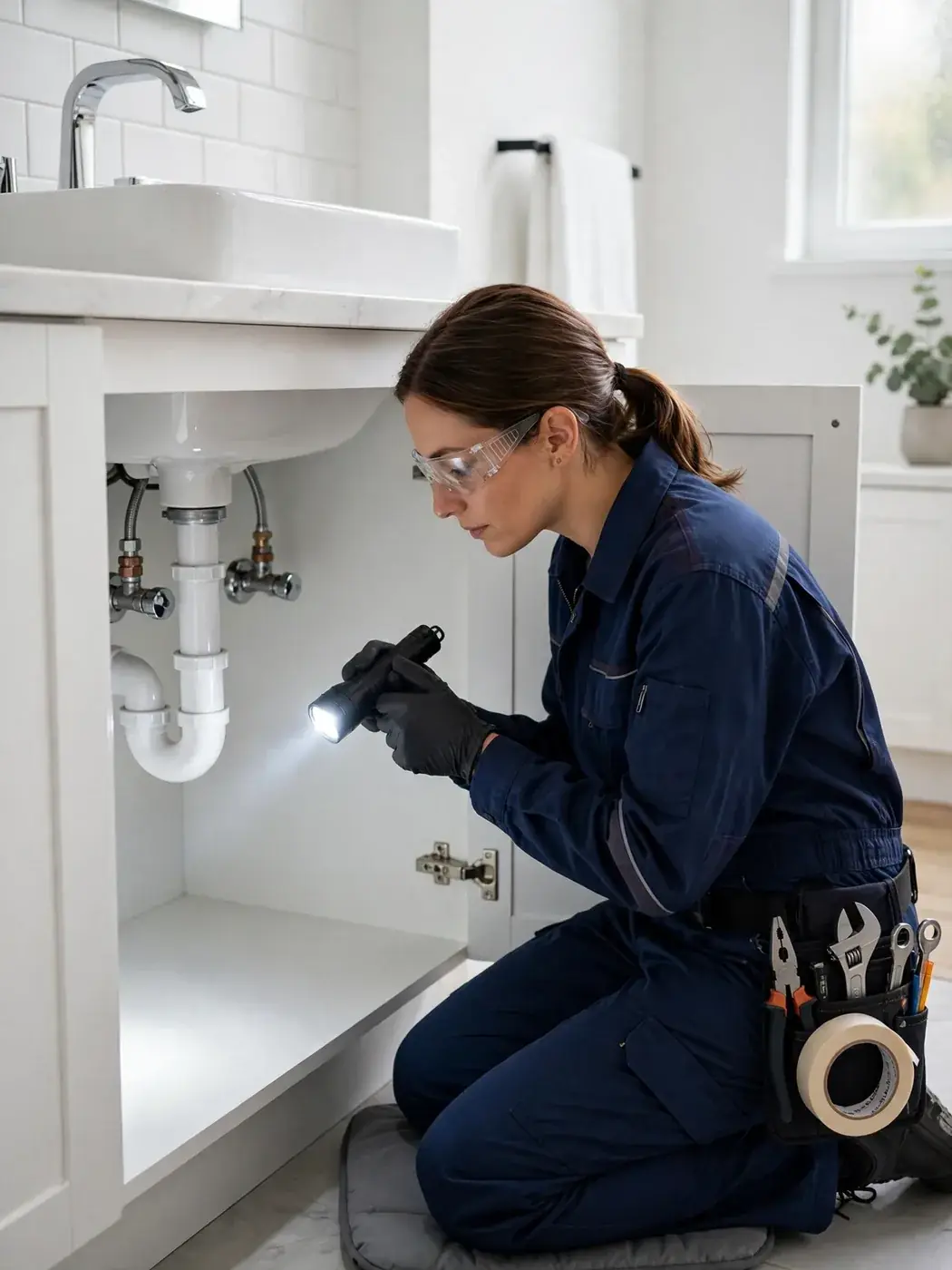
Also check the simple heater side faults before concluding, because two problems can coexist. A dripping temperature and pressure relief valve sends hot water down its drain line continuously, and a failing drain valve at the tank bottom can weep hot water onto the floor pan. Both waste heated water exactly like a line leak, and both are visible at the tank itself. A slow walk around the heater with a flashlight and dry paper towels under the valves can find them in minutes.
How Professionals Confirm and Locate the Leak
Confirmation starts with the same isolation logic, done thoroughly: hot and cold sides are tested separately so the loss is assigned to the right system. Then thermal imaging earns its keep, because a hot water leak paints a warm trail through floors and walls that an infrared camera reads clearly. The warm spot over a slab line often marks the leak within a small area.
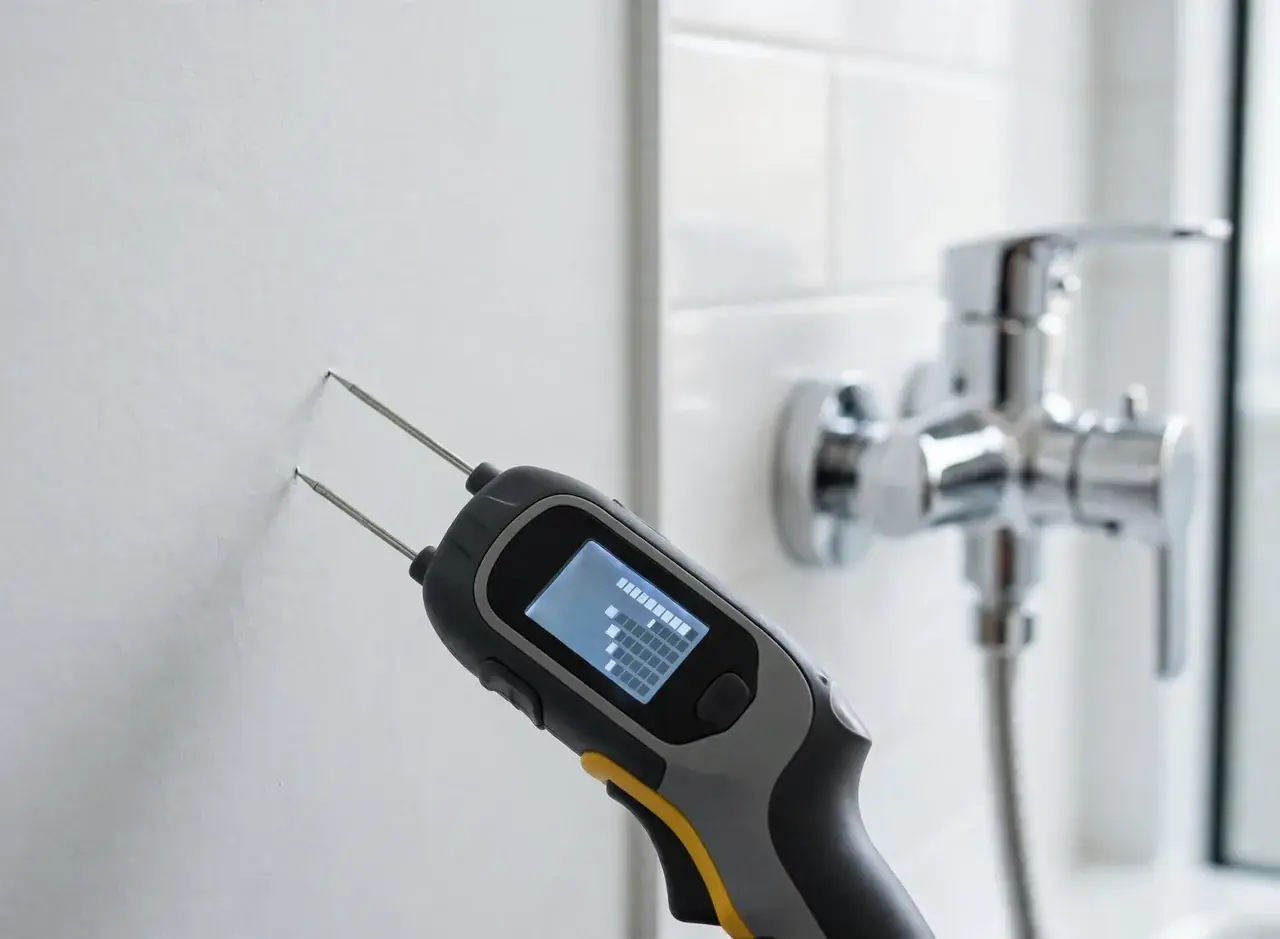
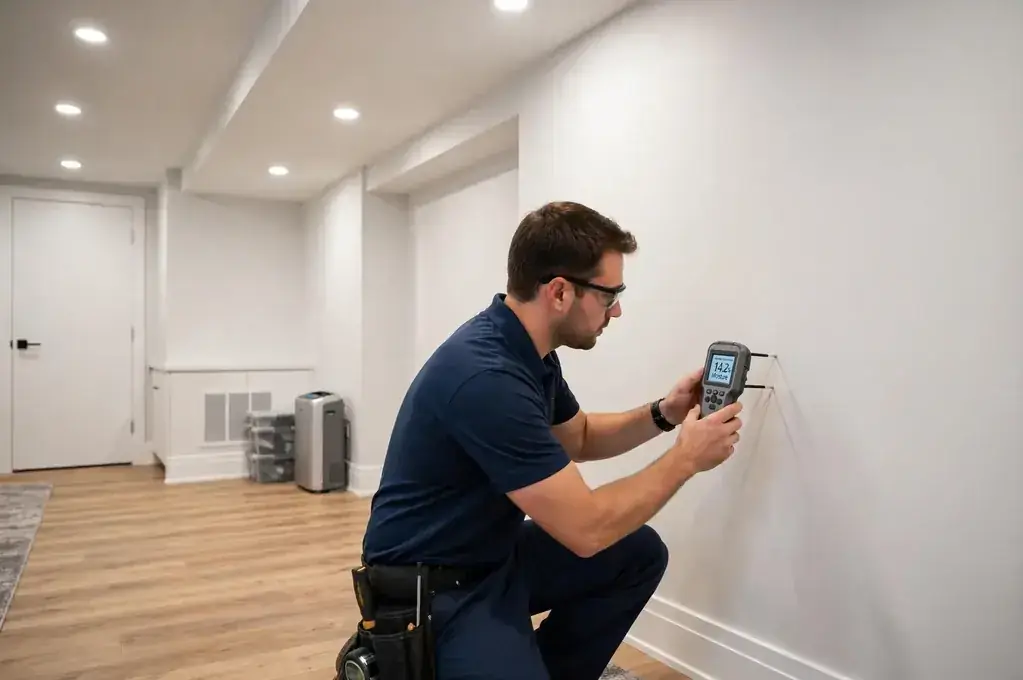
Acoustic listening refines the location further by following the sound of the pressurized escape, and moisture meters show how far water has spread. ProLine Leak Fix Pros combines these methods so the repair opens one targeted spot. Once the leak is repaired, the proof is satisfying and simple: the heater goes back to resting, and the next electric bill tells the rest of the story.
When the Bill Rises for No Reason, Check the Hot Side
Appliances get blamed for rising electric bills because they are visible. A hot water leak is invisible, constant, and quietly expensive, because it spends your electricity heating water that never reaches a tap. The meter test and the heater isolation test together can point at it in one evening.
If those checks say the hot side is losing water, get it located soon. Every week of delay is another week of heating the ground under your slab or the inside of a wall. One pinpointed repair ends both bills at once.
After a repair, verify the cure the same way you found the problem. Repeat the meter test with the house idle and confirm the meter now sits still. Then give the next bill a fair read, remembering that billing periods lag behind the repair date. Homeowners are often surprised how clearly the before and after shows once a full clean billing cycle passes. Keeping your test notes and dates makes that comparison, and any later questions, simple to settle.