In This Article
Builders love second floor laundry rooms because they sit near the bedrooms where laundry lives. Water, however, has its own opinion about the arrangement. A leak on the ground floor announces itself in a puddle at your feet. A leak upstairs falls, spreads sideways through the ceiling structure, and may appear as a stain two rooms away from the washer that caused it. By the time the ceiling below shows anything, the water has usually been traveling for a while.
This guide covers why upstairs laundry leaks behave differently, the parts that fail most often, the protection system every second floor laundry needs, the signs that a leak is already quietly active, and how professionals trace ceiling water back to its true source above.
Why Upstairs Leaks Fall, Travel and Hide
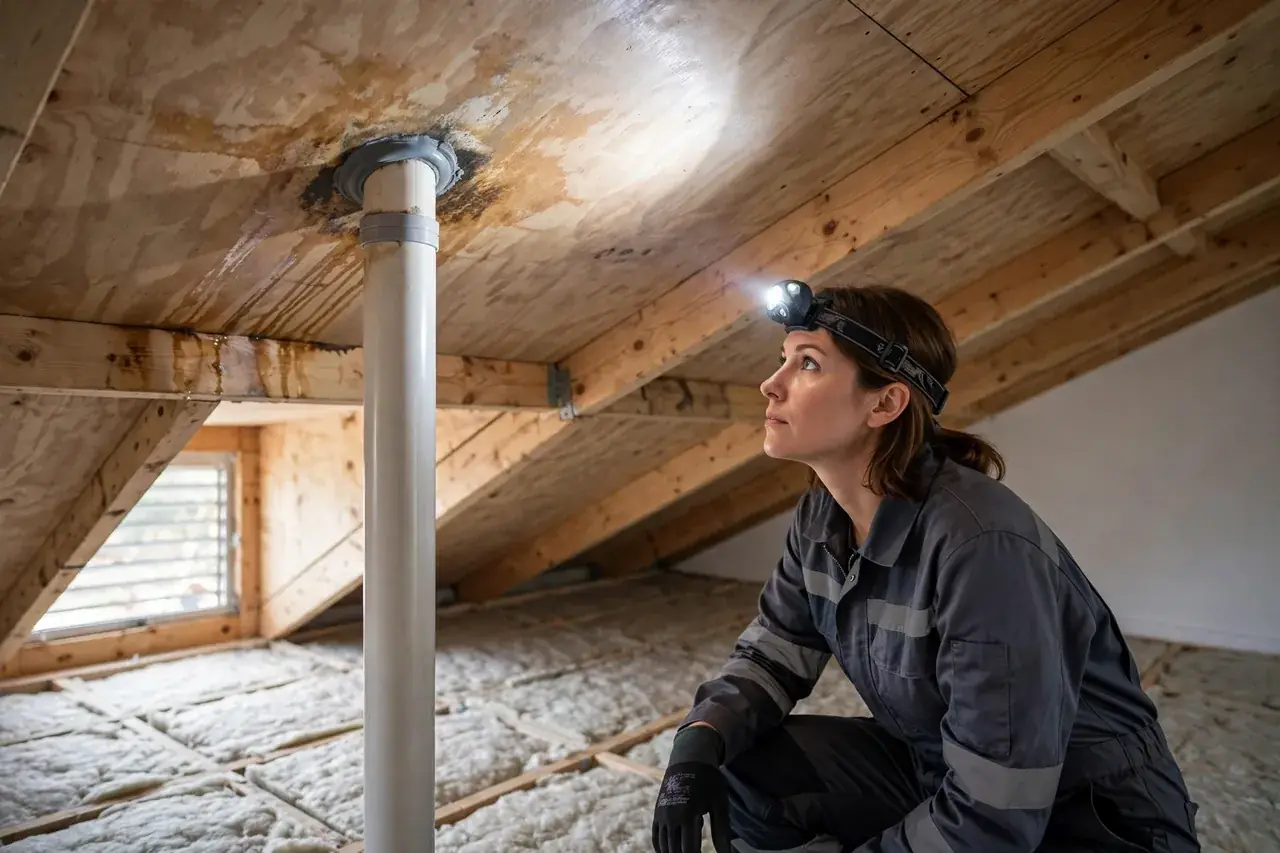
Water leaving a washer, hose, or drain upstairs first lands on the subfloor, then follows gravity and structure. It runs along joists, drips onto the ceiling drywall below, and spreads through that ceiling until it finds a seam, a light fixture, or a low spot to show itself. The visible stain is the end of the journey, not the address of the leak.
Volume matters too. A washing machine moves a lot of water per load, so a supply hose failure or an overflowing drain can release more water in minutes than a dripping faucet releases in days. In a Lynnwood two story home, that water can reach bedrooms, hallways, and the kitchen below before anyone upstairs notices a sound out of place.
The ceiling below rarely stains at the first leak. Drywall and paint can absorb and hide small amounts of water for weeks, spreading it thin through the ceiling material, so the first visible mark often means the tenth or twentieth small event, not the first. That delay is why upstairs laundry leaks so often look sudden. The machine did not suddenly start leaking today; the ceiling simply ran out of places to hide the water today, after quietly storing the evidence of many laundry days.
The Parts That Fail Most Often
The usual suspects, in rough order of how often they cause trouble:
- Supply hoses: rubber hoses age, bulge, and can burst under constant pressure, especially where they bend behind the machine
- The drain standpipe: a slow or partly blocked standpipe overflows mid cycle and spills behind the washer where nobody sees
- The washer drain pump and internal hoses: these leak only during certain parts of the cycle, which makes them easy to miss
- Supply valves and connections: valves that are never exercised corrode and weep at the packing
- The floor drain, if one exists: a dry trap or a blocked line turns the safety drain into decoration
- Nearby plumbing: upstairs laundry rooms often share walls with bathrooms, adding shower and toilet supply lines to the risk list
Most of these fail quietly at first. The machine sounds normal, the laundry gets done, and the only evidence is gathering below the floor.
Cycle based leaks are the sneakiest of the group. A washer that only leaks during the drain or spin portion of a cycle can pass every idle inspection: hoses dry, floor dry, valves quiet. The giveaway is timing: dampness or dripping that appears during or just after a load, then dries between laundry days. Testing for this kind of leak means running a load and watching, not just looking. If you suspect it, say so when you call, because the test plan changes from a static check to a supervised cycle.
The Protection System Every Upstairs Laundry Needs
Because the risk is structural, the protection is a system, not a single gadget:
- A drain pan under the washer, plumbed to a real drain, so the first water from any leak has somewhere to go
- Braided stainless supply hoses in good condition, replaced on a schedule rather than after a failure
- Supply valves you can reach and close quickly, exercised once or twice a year so they still turn
- A floor drain or pan drain that is tested with a bucket of water, not assumed to work
- A water alarm with a sensor in the pan or behind the machine, so a leak announces itself in minutes
- Clear access: keep the area behind the machine visible enough that a new damp smell or drip gets noticed
None of these is complicated. Together they convert the most common upstairs leak from a ceiling disaster into a contained puddle and an alarm.
Access panels and shutoffs are worth planning before you need them. If your upstairs laundry valves are buried behind a stacked machine set that takes two people to move, you do not really have shutoffs in an emergency, you have a delay. During any service visit, ask whether a more reachable valve location or an automatic shutoff valve with a floor sensor makes sense for your layout. Automatic shutoff valves exist precisely for this room: they sense water on the floor and close the supplies before the ceiling below ever hears about it.
Signs an Upstairs Leak Is Already Quietly Active
Check the ceiling below the laundry room first: faint yellowing, a hairline crack that darkens after laundry day, or paint that bubbles in one patch. Smell matters too; a musty odor in the room below that strengthens after wash days is water talking. Vinyl or laminate flooring around the washer that lifts at the edges, and baseboards that swell behind the machine, are upstairs clues.
Timing is the sharpest tool you own. A stain that grows on laundry days belongs to the laundry system. One that grows daily regardless belongs to a pressurized line. Note the pattern for a week before calling, and you will hand the technician a head start.

How Professionals Trace Ceiling Water Back Upstairs
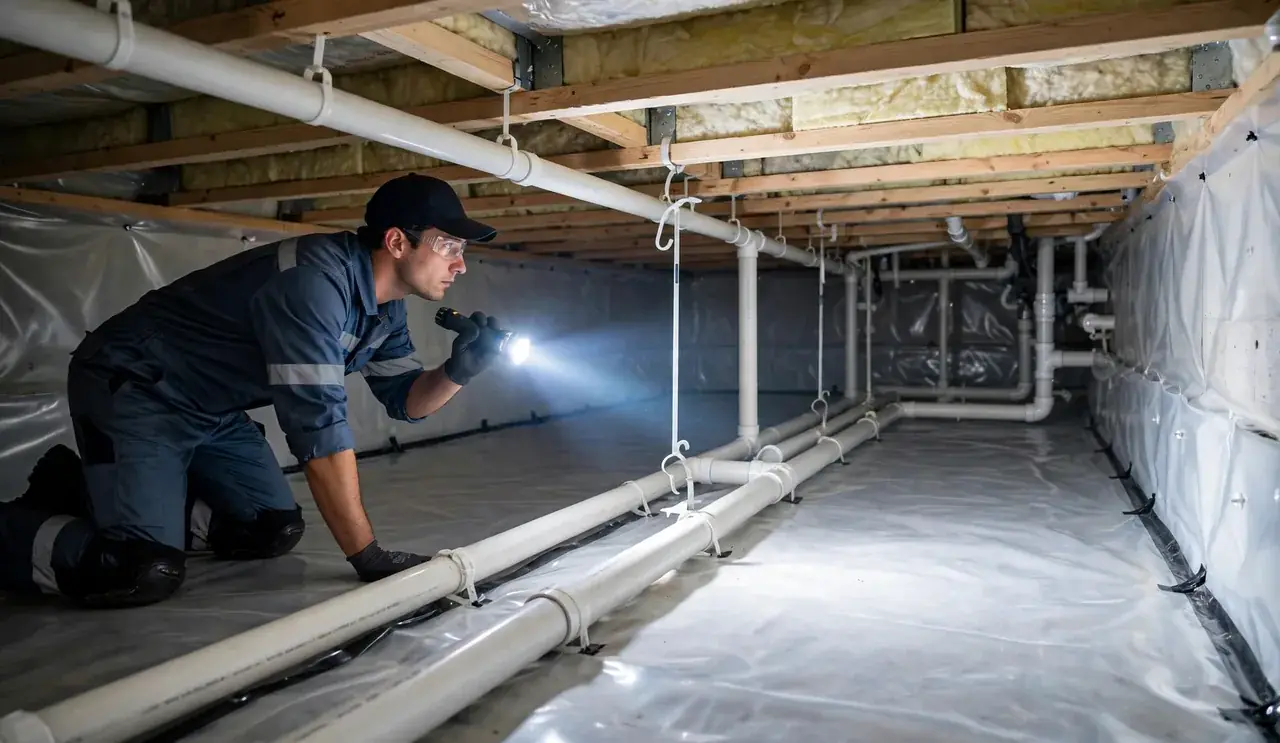
Tracing starts below, with moisture meter readings across the ceiling and walls that map the wet area's shape and point back toward its highest, wettest corner. That corner, projected upstairs, usually lands near the true source. Thermal imaging helps where hot supply lines are involved, showing the warm path through the structure.
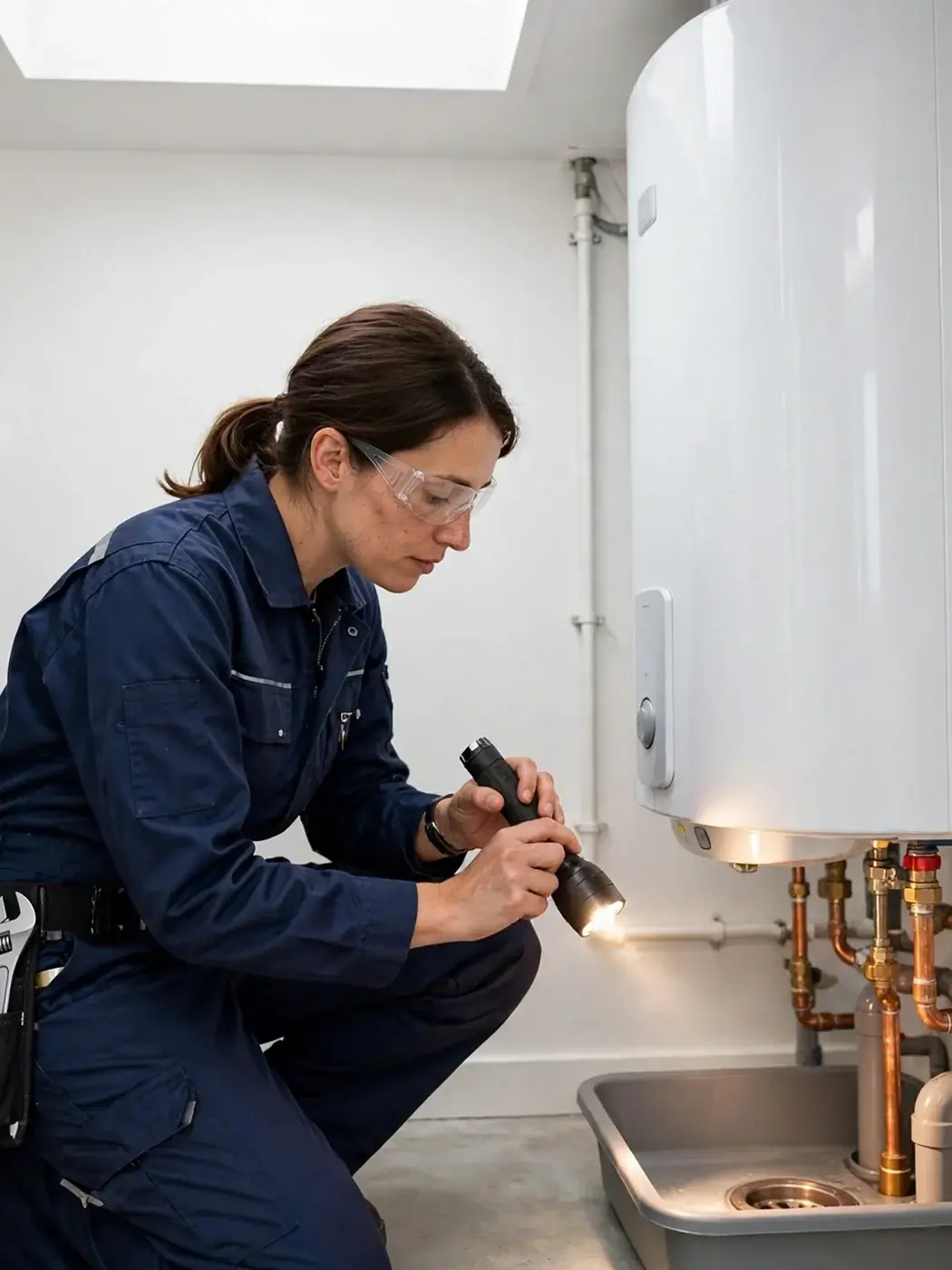
Upstairs, ProLine Leak Fix Pros tests the laundry system part by part: supply connections under pressure, the standpipe with a controlled fill, and the machine through its cycles, while watching the readings below. Acoustic listening can pick out a pressurized weep behind the machine. The result is a named part and a proven path, so the repair is a hose, valve, or drain fix, not a ceiling tear out on a hunch.
Renters and landlords share this risk in two story rentals around Snohomish County, and the reporting habit matters. A tenant who mentions a faint ceiling mark early gives the owner a small repair. The same mark reported after it spreads becomes a ceiling, a floor, and possibly a dispute about timing. If you rent a home with an upstairs laundry, treat any new ceiling change below it as worth a message the same week. Early words are the cheapest leak protection in this whole guide.
Upstairs Laundry Rewards a System, Not Hope
A second floor laundry room is a convenience built over a risk, and the risk is manageable. A working pan and drain, sound hoses, reachable valves, and an alarm turn the room's worst day into a minor event. Without them, the same day writes itself across the ceiling below.
If your Snohomish County home has an upstairs laundry, walk the checklist this week, and check the ceiling below while you are at it. If anything is already damp or stained, get it traced soon. Water that travels in secret only gets more expensive the longer its route stays hidden.