In This Article
What Gurgling Actually Is: Air in the Wrong Place
Every drain in your home connects to two systems at once. Below, the drain pipes carry water away. Above, vent pipes rise through the roof and let air move freely, so water flowing down a pipe does not create a vacuum behind it or pressure ahead of it. Traps, the curved sections under sinks, hold a plug of water that keeps sewer air out of your rooms.
Gurgling is the sound of air forcing its way through that trap water. When a drain pipe is partly blocked, water rushing past the blockage pushes air ahead of it, and that air escapes through the nearest trap, bubbling through the water plug as it goes. When a vent is blocked, the opposite happens: flowing water pulls air down through a trap because it cannot get air from the vent. Either way, the sound is a pressure problem announcing itself early.
The Usual Causes Behind the Sound
In our Snohomish County service calls, gurgling most often traces back to one of these:

- A building main line blockage: grease, roots, or a sagging section narrows the main drain, so big flows push air back up through fixtures
- A blocked vent stack: leaves, nests, or debris at the roof vent starve the system of air, and traps gurgle as water drains
- A single clogged branch: a partly blocked tub or sink drain can gurgle on its own as water squeezes past hair and soap buildup
- A failing or dry trap: a rarely used floor drain with an evaporated trap lets air and odor move freely, and it can sound like gurgling
- Sewer line damage: a cracked or bellied main line holds standing water that every new flow has to push through, displacing air as it goes
Notice that most causes sit downstream or overhead, not at the fixture making the noise. The tub that gurgles is usually the messenger, not the problem. Treating the messenger, with drain cleaner or a plunger at that one spot, rarely silences the system for long.
What the Pattern of Gurgling Tells You
When and where the sound happens narrows the cause a lot. Gurgling in several fixtures, or in fixtures far from the water you just used, points to the main line or the vent. A toilet that gurgles when the washing machine drains is a classic main line sign, because the washer moves a large volume of water quickly and the line cannot accept it quietly.
Gurgling at only one fixture, right when that fixture drains, usually means a local partial clog or a vent problem on that branch. Gurgling that appears after heavy rain can point to a line that is already compromised and struggles even more when groundwater presses in. And gurgling paired with slow drains is a stronger warning than sound alone: the opening is not just affecting air, it is affecting flow.
Checks You Can Run Before You Call Anyone
A few minutes of testing can tell you whether you are hearing a local issue or a whole house one:
- The washer test. Start a washing machine drain cycle and walk the house listening at toilets, tubs, and floor drains. Gurgling in distant fixtures means the main line is involved.
- The isolation test. Drain one fixture at a time with everything else off. If only that fixture gurgles, the problem is likely in its own branch.
- The trap check. Pour a bucket of water into rarely used floor drains. If the sound or any odor fades, a dry trap was part of the story.
- The speed check. Time how fast a full sink empties, and compare it week to week. A drain getting slower while it gurgles is a blockage still growing.
Skip the harsh chemical drain cleaners. They seldom clear a main line problem, they can sit in the line and damage older pipes, and they make later camera and cleaning work harder for everyone.
How Pros Find Why Your Drains Gurgle
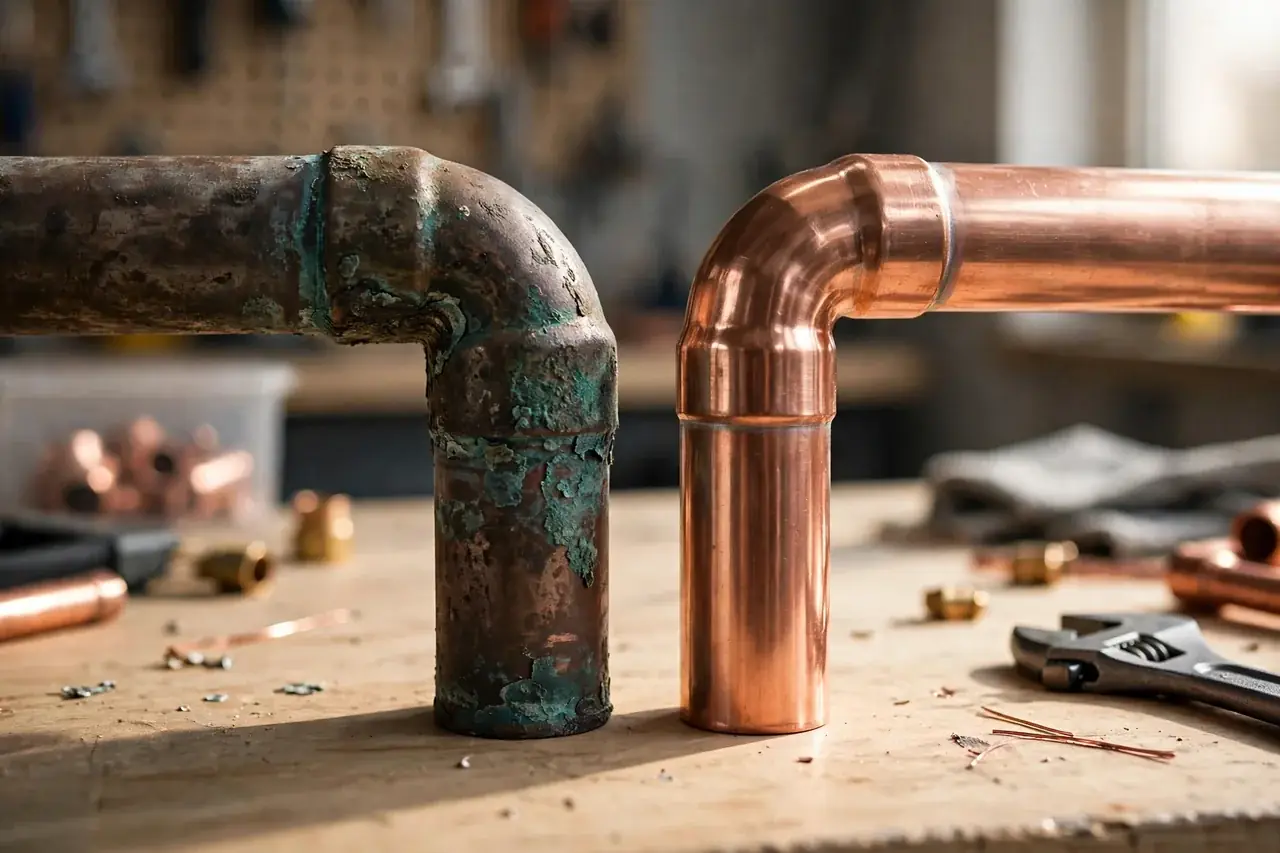
Because gurgling is a symptom with several possible causes, professionals test the system instead of guessing at it. A sewer camera inspection shows the inside of the main line directly: root mats, grease walls, sagging sections holding water, and cracks all show up clearly, with the distance from the entry point measured as the camera goes.
If the camera shows a clean line, attention turns to the vent system and to leak testing. Hydrostatic testing can prove whether a drain line holds water or loses it, and smoke testing can reveal vent and drain leaks that let air move where it should not. ProLine Leak Fix Pros serves Lynnwood and the wider county with these methods, so the repair that follows matches the real cause rather than the loudest symptom.
It also helps to know what gurgling is not. It is not the normal sound of a healthy drain, and it is not something pipes start doing with age in a harmless way. Brand new plumbing is silent, and well kept older plumbing is silent too, because air and water each have their own clear path. When you hear the two fighting for the same space, something has narrowed one of the paths. The good news is that gurgling is one of the earliest warnings a drain system gives, arriving while the problem is still a partial blockage or a vent issue rather than damage. Homeowners who act on the sound usually face a cleaning or a vent repair. Homeowners who wait for silence to return on its own usually meet the same problem again later, wearing its next costume: slow drains everywhere, then a backup at the lowest drain in the house. The sound is small. What it reports does not have to become big. Treat the first week of new gurgling as the best and simplest moment to act, while the cause is still small, the line is still flowing, and the choice of fixes is still wide open to you.
Conclusion: Gurgling Is a Warning, Not a Quirk
Plenty of homeowners live with gurgling drains for months because everything still, technically, drains. But the sound is the system working around a problem, and problems in drain lines grow in one direction. If the gurgling is new, spreading to more fixtures, or teaming up with slow drains and odors, treat it as the early warning it is. A camera look now is a small step compared with cleaning up after a backup later.