In This Article
The water is not cold. It is not hot either. It sits in between, warm enough to prove the heater is doing something, never warm enough for a proper shower or a sink of dishes that actually cuts grease. Lukewarm hot water is one of the most frustrating plumbing complaints because the system seems half alive, and half alive problems hide their causes better than dead ones do.
The way through it is pattern reading. Is the water lukewarm at every fixture or only one? Did it fade gradually or change overnight? Is the first draw warm and later draws worse, or is it lukewarm from the first second? Each answer trims the cause list. This guide explains the main suspects, from a simple thermostat setting to a sneaky crossover leak where cold water sneaks into the hot side, and shows how professionals confirm which one you have.
Start With the Pattern, Not the Parts
Before touching the heater, spend two minutes mapping the problem:
- Lukewarm everywhere, all the time: points at the heater itself or its settings
- Lukewarm at one fixture only: points at that fixture's cartridge, valve, or local mixing problem
- Hot at first, then fading fast: points at storage or heating capacity, like sediment or a failing lower element
- Lukewarm after recent plumbing work: points at a valve left partly closed or a mixing valve setting changed during the job
- Hot and cold both feel off: suggests cold water crossing into the hot lines somewhere in the house
Run each test with the tap fully on hot and give it a full minute. Many fixtures mix in cold water by design at partial settings, and a quick splash test misleads more homeowners than any broken part. A simple kitchen thermometer under the running tap turns impressions into numbers you can compare between rooms, which makes the pattern impossible to argue with.
Causes That Live at the Water Heater
The heater side of the list starts with the thermostat. Tank heaters hold water at the temperature they are set to, and a setting nudged downward, or a thermostat that has drifted with age, delivers a whole house of almost hot water. On electric models, a failed upper element or a tripped reset can leave the tank heated only partway. On gas models, a weak burner or a failing control valve can hold the tank below its target for weeks before anyone connects the lukewarm showers to the utility closet.
Sediment deserves its mention here too. A deep layer at the tank bottom slows heat transfer so much that the stored water may never reach full temperature during busy periods, and what leaves the tank is the warm top layer diluted by constant reheating struggles. If your heater also pops and rumbles, read the two symptoms as one message: the tank is working through a blanket of debris and losing.
Crossover Leaks: When Cold Water Sneaks Into the Hot Side
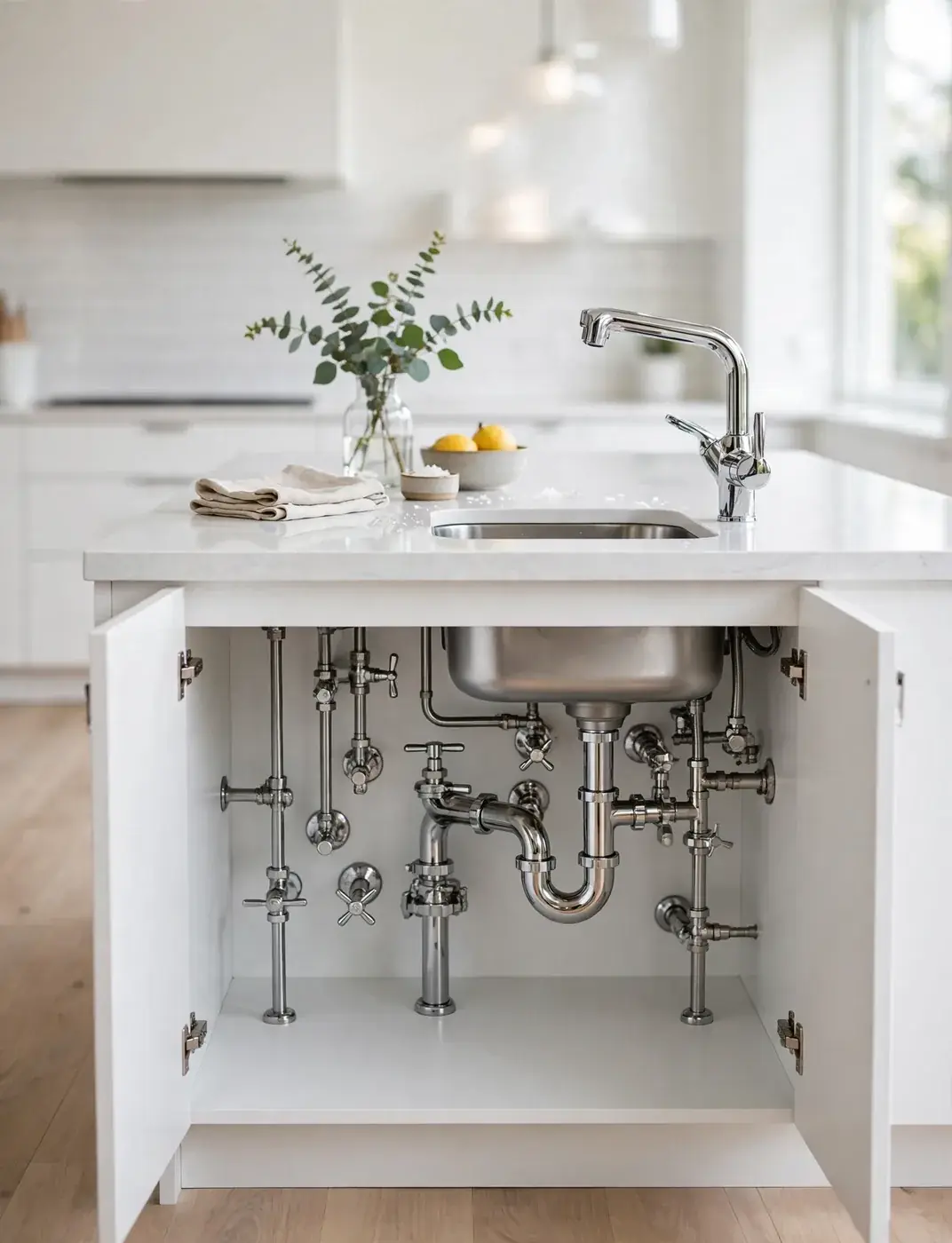
The strangest cause on the list is the crossover. Many single handle faucets, shower valves, and some appliances connect hot and cold lines through one cartridge or valve. When that part wears, cold water can push across into the hot line whenever pressures differ. The heater sends out properly hot water, but by the time it reaches your shower it has been quietly blended with cold at the crossing point. The result is a house, or one wing of it, stuck at lukewarm.
Clues include lukewarm water that improves when a certain fixture's shutoff valves are closed, hot lines that feel warm near a fixture nobody is using, and a problem that started around the time a faucet began dripping or handling stiffly. Isolating fixtures one at a time, closing their supply valves and retesting the shower, often exposes the crossing point without any special tools, though it takes patience.
Renters meet a special version of this problem: the water is lukewarm, the landlord's handyman has visited twice, and the heater keeps getting blamed and cleared. The pattern that breaks the loop is usually in the fixtures. One worn shower cartridge crossing cold into hot can hold an entire bathroom suite at lukewarm while the heater tests perfectly at its drain valve. If your lukewarm problem survives a verified healthy heater, insist that the search move to the fixtures and mixing points, one isolation test at a time, until the crossing point confesses.
Mixing Valves and Anti-Scald Settings
Many homes have a mixing valve that blends hot and cold to a safe delivery temperature, either at the heater or inside a shower valve. These valves are safety equipment, and when they age, clog with mineral scale, or get adjusted during other work, they can blend in far more cold than intended. The shower version is especially common in Lynnwood homes: a shower that used to run hot now tops out at warm, while the sink beside it still runs properly hot, because only the shower's internal limit stop or cartridge is restricting the mix.
The fix ranges from a simple adjustment of the limit stop under the handle to a cartridge replacement. The key point is diagnostic: if one shower is lukewarm and every other tap runs hot, do not let anyone sell you a water heater. The heater is proven innocent by the sink next door. Local problems have local causes, and this one is a classic.
How Professionals Confirm a Lukewarm Case
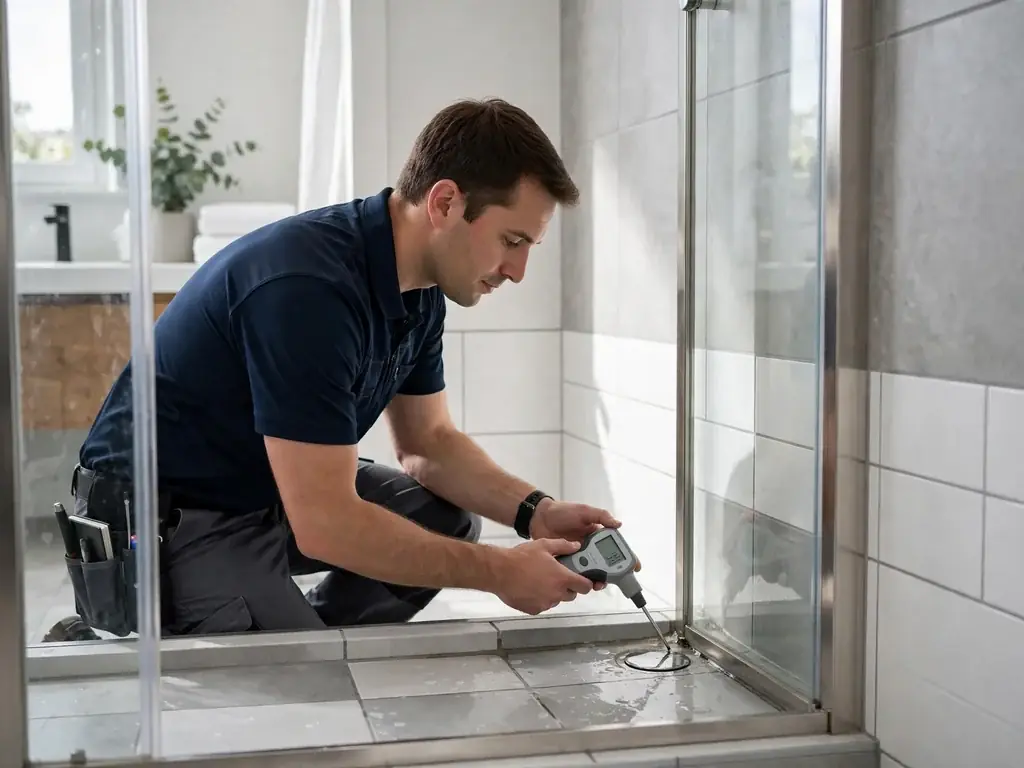
Professionals start with temperature readings at several fixtures and at the heater's own drain valve, which shows what the tank truly delivers before the house plumbing gets a vote. If the tank output is hot but fixtures run lukewarm, the search moves to crossover points and mixing valves, isolated one by one. Thermal imaging speeds this up: it shows hot lines cooling along their run and can reveal a line carrying heat where no water should be flowing at all.
A meter check runs alongside, because a hot line leak can also dilute and drain the system, and moisture checks confirm nothing is escaping into walls or floors. At ProLine Leak Fix Pros, lukewarm calls are solved by measurement, fixture by fixture, until the pattern and the tools agree. Homeowners across Snohomish County get the actual cause, whether it is a five minute adjustment or a failing part that truly needs replacing.
Season can play a supporting role. In the coldest weeks, incoming water arrives much colder than in summer, and a marginal heater that coped in July falls behind in January, delivering water that feels a full step cooler at the same setting. That seasonal slide is worth mentioning when you describe the problem, because it separates a heater that is failing outright from one that is simply undersized or tired for winter duty. Either way the readings will show it, but the history you report aims the first tests.
Lukewarm Is a Clue, and Clues Have Answers
Hot water that is only lukewarm is not a mystery to endure. It is a pattern, and the pattern separates heater faults from fixture faults, settings from failures, and simple adjustments from real repairs. Map where it happens, note when it changed, and test with the tap fully hot before drawing conclusions. Half the causes on the list are small once they are identified correctly.
If the pattern refuses to make sense, or the whole house has faded to lukewarm, call ProLine Leak Fix Pros at (425) 380-0028. We will measure the system end to end and restore real hot water, not just warmer guesses.