In This Article
A water leak does not need to be dramatic to stay hidden. The loud ones, a burst pipe or a spraying supply line, announce themselves in minutes. The quiet ones are different. A pinhole in a copper line, a weeping fitting inside a wall, or a slow seep under a slab can release water day and night without a single visible drop, and the house absorbs it in silence.
So how long can a leak go undetected? Honestly, months is common, and longer happens. The good news is that the house keeps records the whole time: in the water meter, in the utility bill, in paint, wood and drywall. This guide explains why slow leaks hide so well, the timeline of clues they leave behind, and the simple checks that bring them into the open.
Why Slow Leaks Hide So Well
A slow leak hides because the building itself hides it. Water that escapes inside a wall cavity runs down framing and soaks into insulation and drywall paper, materials that can hold a surprising amount of moisture before anything shows on the painted surface. Water under a slab has even better cover: it spreads through the soil and gravel below the concrete, and the slab looks and feels normal for a long time.
Volume matters too. A drip that seems trivial, one drop every few seconds, still adds up to a steady flow over weeks. But because it never pools in a visible place, nothing triggers alarm. Homes in Lynnwood often have plumbing runs in crawl spaces and slab sections that nobody sees for years, which gives a quiet leak all the privacy it needs.
Age plays a role as well. Older supply lines develop pinhole corrosion and tired joints that seep rather than spray, and older homes often have more enclosed chases and finished basements between the pipes and your eyes. A leak in a newer, open layout tends to show itself quickly. A leak in a layered, finished older home can stay private for a very long time.
The Timeline of Clues a Hidden Leak Leaves
Hidden leaks rarely stay completely silent. They leave a trail, and the trail tends to appear in a rough order:
- First weeks: the water meter leak indicator moves when no water is being used, and the bill edges upward for no clear reason.
- One to two months: a faint musty smell appears near one wall or cabinet, and it comes back after every cleaning.
- Two to four months: paint starts to bubble, baseboards swell slightly, or a floor feels warmer or softer in one spot.
- Later stages: visible staining, warped flooring, mold growth on surfaces, and doors that begin to stick in their frames.
Every home is different, and a leak in a dry, ventilated space may take longer to show than one in a closed wall. But the pattern is reliable: the clues start small and technical, in the meter and the bill, long before they become visible damage. Catching a leak at the first stage is the difference between a small repair and a restoration project.
There is a useful way to think about the timeline: the leak and the evidence run on different clocks. The leak starts the day the fitting fails. The evidence starts whenever the escaping water finally reaches something that can show it, a painted surface, a floor finish, a nose. The gap between those two clocks is the undetected period, and everything in this guide is about shrinking it.
The Places Long-Term Leaks Hide Most Often
Certain locations give leaks the longest cover. Under-slab supply lines are the classic example, because the water escapes into soil where no one walks and nothing stains. Wall cavities behind showers and tubs are another favorite: a valve or drain joint can weep for months while the tile face looks perfect.
Crawl spaces hide leaks under insulation and ductwork. Supply lines to refrigerator ice makers and washing machines fail slowly at their connections. Water heater fittings drip into drain pans that quietly overflow. In each case the leak is small, the location is out of sight, and the first real evidence is usually somewhere else entirely: a smell, a stain, or a bill.
Think about how rarely some of these spaces are truly inspected. Most homeowners open a crawl space once a year at most, and many never look behind the access panel behind a tub after moving in. A leak does not need to defeat your attention. It only needs to live somewhere your attention almost never goes, and every home has several such places.
Simple Monthly Checks That Shorten the Timeline
You cannot watch every pipe, but you can run a short routine that catches most hidden leaks early:
- Read the meter. With all water off, check the leak indicator. If it moves, water is going somewhere.
- Compare bills. Look at usage, not just the total. A steady climb with no change in habits deserves a look.
- Walk the quiet route. Once a month, check under sinks, behind the washer, and around the water heater with a flashlight and dry fingers.
- Press and sniff. Baseboards that feel soft and corners that smell musty are early warnings worth trusting.
- Feel the floors. A warm or spongy patch on a hard floor can mark a hot line leaking below.
Fifteen minutes a month is a small price for cutting a leak's hiding time from months down to days.
Keep a small home notebook or a single note on your phone for these checks. One line a month, with the meter reading and anything odd you noticed, is enough. When a problem does appear, that little record turns guesswork about when it started into a fair estimate, which helps any technician plan the search and helps you understand the repair.

How Professionals Confirm a Leak That Has Hidden for Months
When the clues point to a leak but not to a location, professionals work in layers. The visit usually starts with a meter test and pressure checks to confirm water is escaping and to learn whether the hot or cold side is involved. Zone isolation then narrows the search to one part of the house.
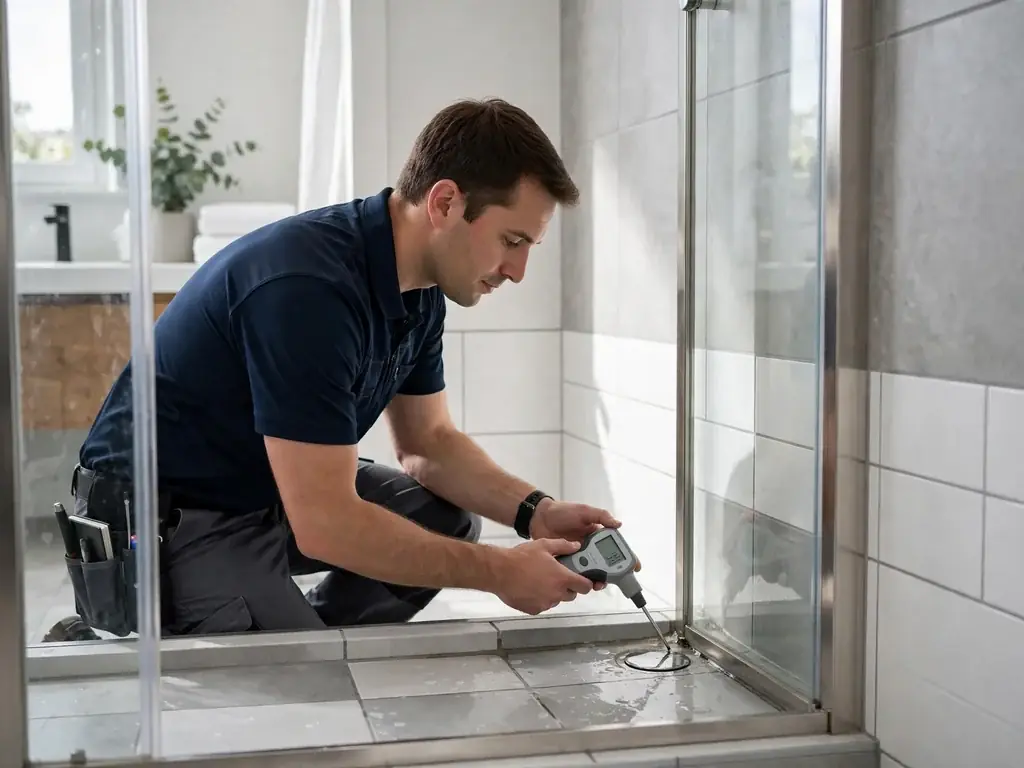
Next come the instruments. Acoustic leak detection listens for the sound of pressurized water escaping through floors and soil. Thermal imaging maps temperature changes that hidden moisture creates, which is especially useful for hot water lines. Moisture meters measure how wet walls and floors really are and trace the wet area back toward its source. When a leak is very quiet, tracer gas can confirm the exact escape point. At ProLine Leak Fix Pros in Lynnwood, the goal is a marked spot on the floor or wall, verified by more than one method, before anything is opened.
Homeowners sometimes ask why one method is not enough. The reason is that each tool answers a different question. The meter proves a leak exists. Isolation proves which branch holds it. Sound and temperature find where it is. Moisture readings prove how far the water has spread. Skipping steps produces guesses, and guesses produce extra holes in walls and floors.
Conclusion: The Leak Is Patient, So Be a Little More Patient
A hidden leak wins by being slower than your attention. It does not need your permission, only your routine. The counter is a routine of your own: a monthly meter check, an eye on the bill, and respect for small clues like smells and soft baseboards.
If those clues are already adding up, do not wait for the stain that settles the argument. A confirmed location early is what keeps a long-hidden leak from becoming a long repair.