In This Article
After any leak, one question arrives fast: how long before mold becomes a problem? The internet answers with scary precision, as if mold kept a stopwatch. The honest answer is less dramatic and more useful. Mold growth depends on moisture, warmth and material, and the variable you actually control is how fast things dry.
This guide explains the general timeline in plain terms, without alarm. It covers what mold needs to start, why hidden leaks are the real concern, and the drying steps that keep a wet week from becoming a mold project. The tone to keep in mind: act promptly, panic never.
What Mold Needs to Get Started
Mold spores are a normal part of indoor and outdoor air. They settle everywhere and wait. Growth begins when three conditions meet: moisture that stays in place, a food source such as drywall paper, wood or dust, and time. Temperature plays a supporting role, since warmth speeds growth and cold slows it, but moisture is the deciding factor.
This is why mold is best understood as a moisture report rather than an invader. Where mold grows, water has been sitting. Remove the water and keep the material dry, and growth stops being supported. Every effective response to mold starts with the water, not with the surface.
Where you live shapes the risk in a general way. Lynnwood and the wider Snohomish County area spend much of the year cool and damp, which means leaked water evaporates slowly outdoors and indoors alike. A leak that might dry between events in a hot, dry climate stays wet here, which is one more reason local homes benefit from fast shutoff and active drying rather than patience.
The Honest Timeline After a Leak
Under warm, wet conditions, mold can begin growing on damp material within a few days, commonly described as a 24 to 48 hour window for the earliest start on very wet, warm surfaces, with visible colonies taking longer to appear. Treat those numbers as a prompt to dry things quickly, not as a countdown to disaster.
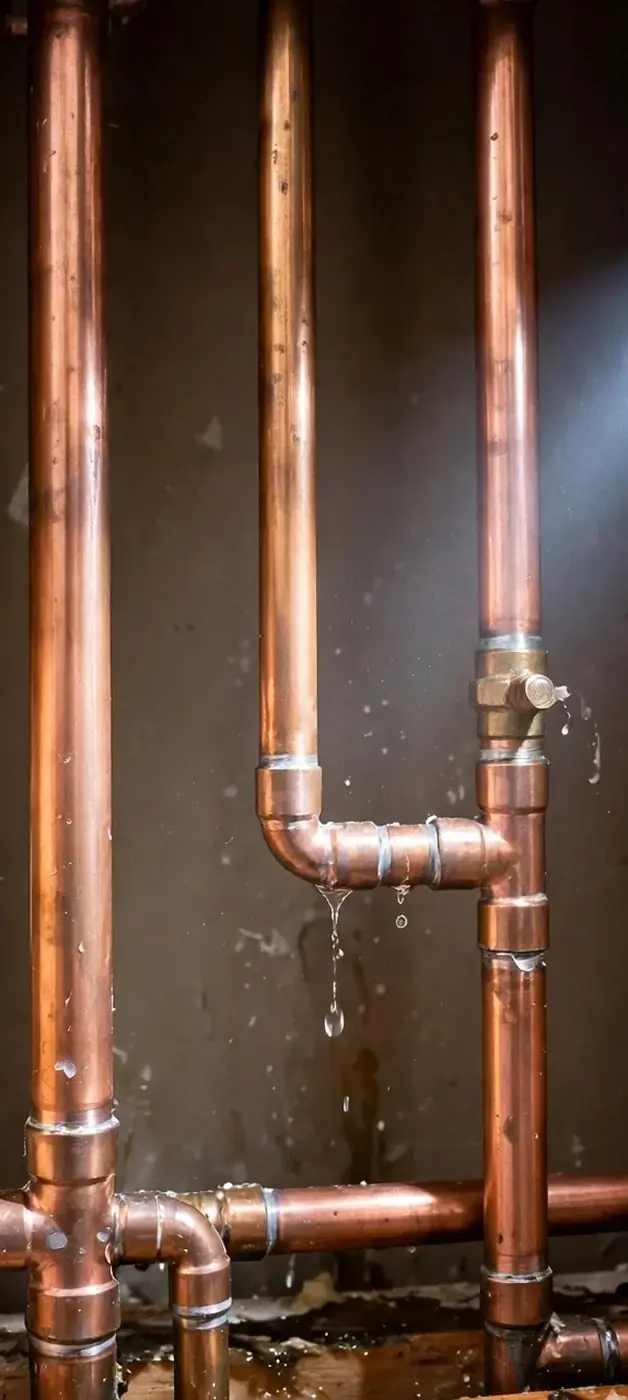
Real homes vary widely:
- Material matters: drywall paper and carpet padding support growth faster than tile, metal or treated wood.
- Wetness depth matters: a surface splash that dries in hours is a different event from a wall cavity soaked for weeks.
- Airflow matters: ventilated spaces dry and resist growth. Closed, still spaces stay wet and invite it.
- Temperature matters: a warm laundry room in summer is faster territory than a cold crawl space in winter.
The pattern to remember: mold risk follows how long material stays wet, which is exactly the part you can influence.
Two honest cautions belong here. First, these early growth windows describe mold starting on surfaces, not a home becoming uninhabitable. Finding a small patch of growth after a leak is common and is usually a cleaning and drying matter. Second, people differ in sensitivity, so anyone with health concerns or symptoms should talk to a medical professional rather than to a plumbing company.
Why Hidden Leaks Are the Real Mold Story
A visible leak gets dried because it gets seen. A hidden leak inside a wall, under a floor or beneath a slab keeps its materials wet for weeks or months with no drying at all, which is the perfect growth setup. By the time a musty smell reaches the room, growth may be well established in the hidden space.
This is the strongest argument for finding leaks early and confirming they are fixed. It also explains a common puzzle in Lynnwood homes: mold appearing on an outside wall or in a closet with no obvious water event. Very often a slow plumbing leak nearby has been feeding that wall quietly. Fixing the visible mold without finding the moisture source guarantees a sequel.
Smell is often the first detector. A musty, earthy odor that returns after cleaning, strongest in a closet, a cabinet or a room that is rarely opened, is moisture reporting itself. Treat a persistent musty smell as a leak clue in its own right, even when no stain is visible, because growth inside a wall cavity perfumes the room long before it shows through the paint.
Drying Steps That Change the Outcome
When a leak is found, these steps protect the home while repairs proceed:
- Stop the water first. Drying against an active leak is wasted effort. Shut off the source or the zone.
- Remove standing water and wet, loose material that cannot dry in place, such as soaked carpet padding.
- Move air. Fans aimed across wet surfaces, plus open cabinet doors and moved furniture, speed evaporation a great deal.
- Pull moisture from the air with a dehumidifier in the affected rooms, and empty it or drain it as directed.
- Check hidden neighbors. The wall cavity, the floor below and the room underneath all share the leak's water. Confirm they are drying too, not just the visible spot.
- Verify dryness. Material should feel dry and, ideally, read dry on a moisture meter before walls are closed or floors are covered again.
Drying has one common failure: the room dries while the structure does not. Paint and carpet surfaces can feel dry while the wall cavity, subfloor and insulation behind them stay wet for weeks. That hidden wetness is where growth continues. This is why verification with a moisture meter matters more than how the surface feels to your hand.
If the leak touched a large area, or anyone in the home has respiratory concerns, bring in the right specialists early rather than after your own cleanup. A leak detection visit defines the water problem, and that definition is what every other trade needs in order to quote, plan and work safely.
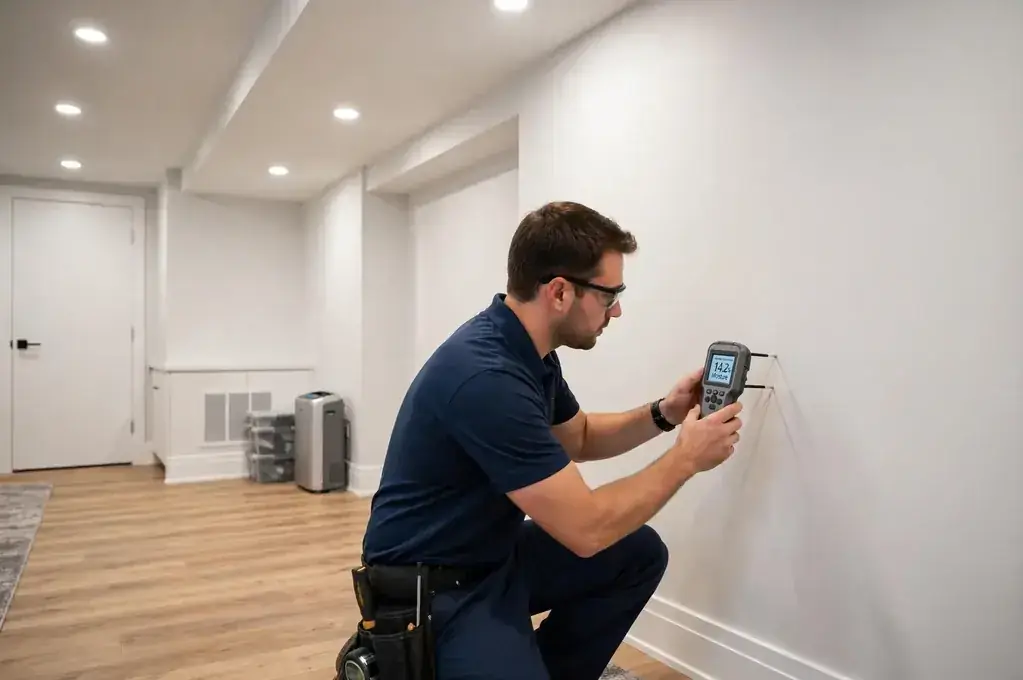
How Professionals Help: Find It, Prove It Dry
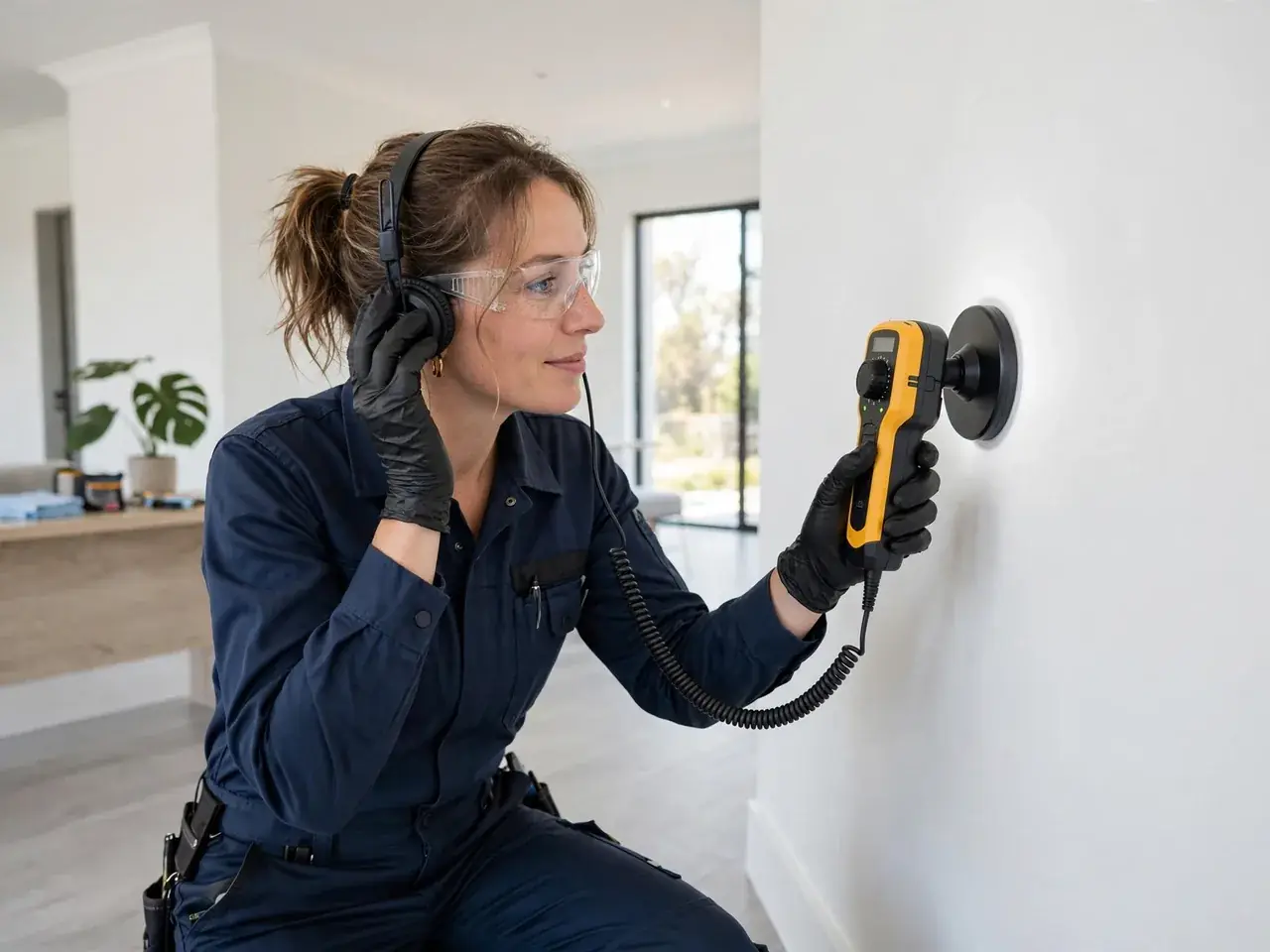
Professional leak detection matters to the mold question because it answers the two things homeowners cannot see: where the water is coming from, and how far the wetness has spread. Moisture meters map wet material precisely, including inside wall cavities, and thermal imaging shows the pattern of a hidden leak so the source is fixed, not guessed.
At ProLine Leak Fix Pros, a visit for a leak with mold concerns covers locating the source with acoustic, thermal or tracer gas methods and measuring the affected area in your Lynnwood home. That map tells you what needs drying, what may need removal, and when the space is genuinely dry. We stay in our lane: we find water and measure moisture. For health questions about mold exposure, a medical professional is the right call, and for large remediation jobs, a remediation specialist is the right trade.
Documentation helps here as well. Photograph the affected area when the leak is found, note the dates of shutoff and drying, and keep any moisture readings you are given. If you later speak with an insurer or a remediation contractor, that simple record shows the timeline honestly and supports every decision you made along the way.
Conclusion: Speed of Drying Is Your Lever
Mold after a leak is not a mystery and not a fate. It is the predictable result of material staying wet, and it is largely preventable with fast water shutoff, honest drying and verification that hidden spaces dried too.
If you find mold, read it as a message: water has been here, possibly still is. Answer the water first, and the mold question usually becomes much smaller.
Keep the response proportionate. Find the water, stop it, dry what got wet, verify the drying, and clean or remove what cannot be saved. Done in that order, most post leak mold worries shrink to a manageable chore, and the home returns to being a home rather than a project.