In This Article
Drip. Drip. Drip. It is the smallest sound in plumbing, small enough to tune out during the day and just loud enough to find you at night. Because a single drip looks so tiny, most people file it under someday: a minor annoyance, a future errand. But a faucet does not drip once. It drips thousands of times a day, every day, and each of those drips is water you paid to bring into the house, poured straight down the drain without doing a minute of work.
This guide does the honest math, in a way you can repeat at your own sink with a measuring cup and a phone timer. It explains why faucets start dripping, why the drip almost always gets faster, and when a humble drip is actually reporting bigger news about pressure or corrosion elsewhere in the system. By the end, you will know what your drip costs in water, and you will probably stop calling it small.
The Bucket Math: Measure Your Own Drip
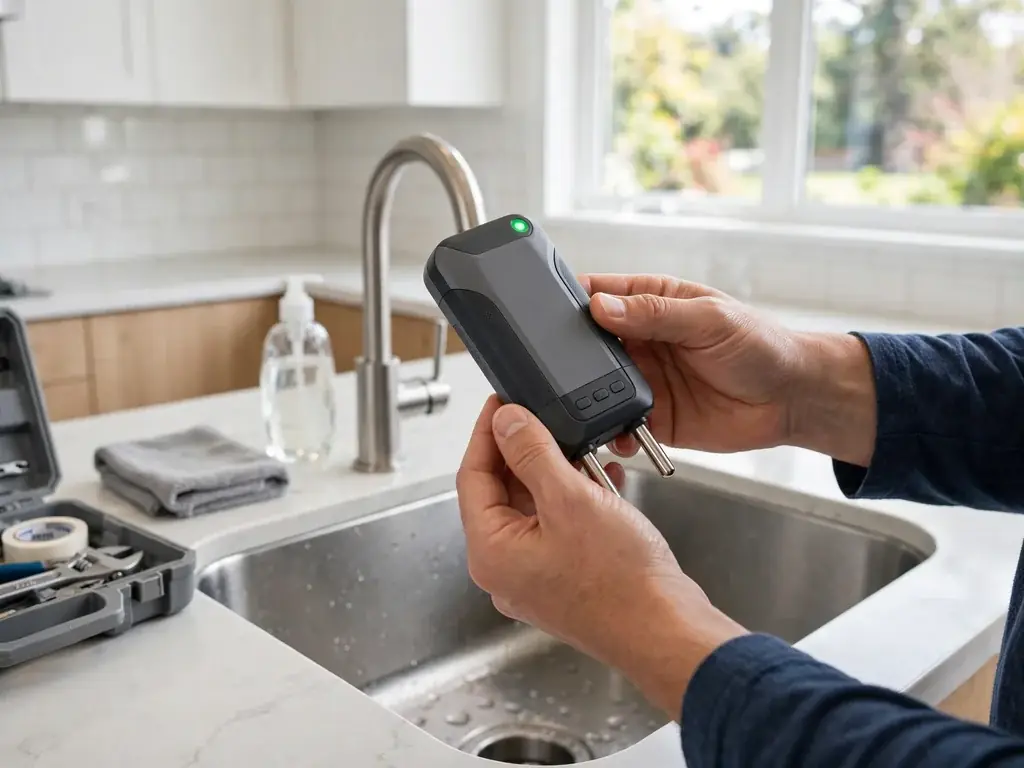
Forget generic charts. Your faucet's waste takes two minutes to measure:
- Place a measuring cup or a container of known size under the faucet and start a timer.
- Let it catch drips for a set time: five minutes is plenty for a steady drip.
- Read the amount collected and multiply up. Five minutes to an hour is times twelve, an hour to a day is times twenty four.
- Or count instead: time how many drips fall in one minute, because every drip per minute is sixty drips an hour you were not picturing.
Do the multiplication and the picture changes. A drip that fills even a small cup in an hour is sending a steady stream of water down the drain across a day, and across a month it rivals loads of laundry and long showers you actually enjoyed. A faster drip, the kind that has graduated from drip to thin trickle, wastes dramatically more, which matters because drips do graduate. That is the real lesson of the math: you are not measuring a fixed leak, you are measuring the starting point of a growing one.
Why Faucets Start Dripping in the First Place
A faucet seals water with soft parts: washers, O rings, or a cartridge with moving seals. Every open and close rubs those parts, hot water and mineral rich water age them, and eventually the seal no longer closes perfectly. Water under constant pressure finds the imperfect spot and begins its slow escape, one drop at a time. Sediment grains caught in the seal can start the same process suddenly, holding a valve a hair open after gritty water passes through.
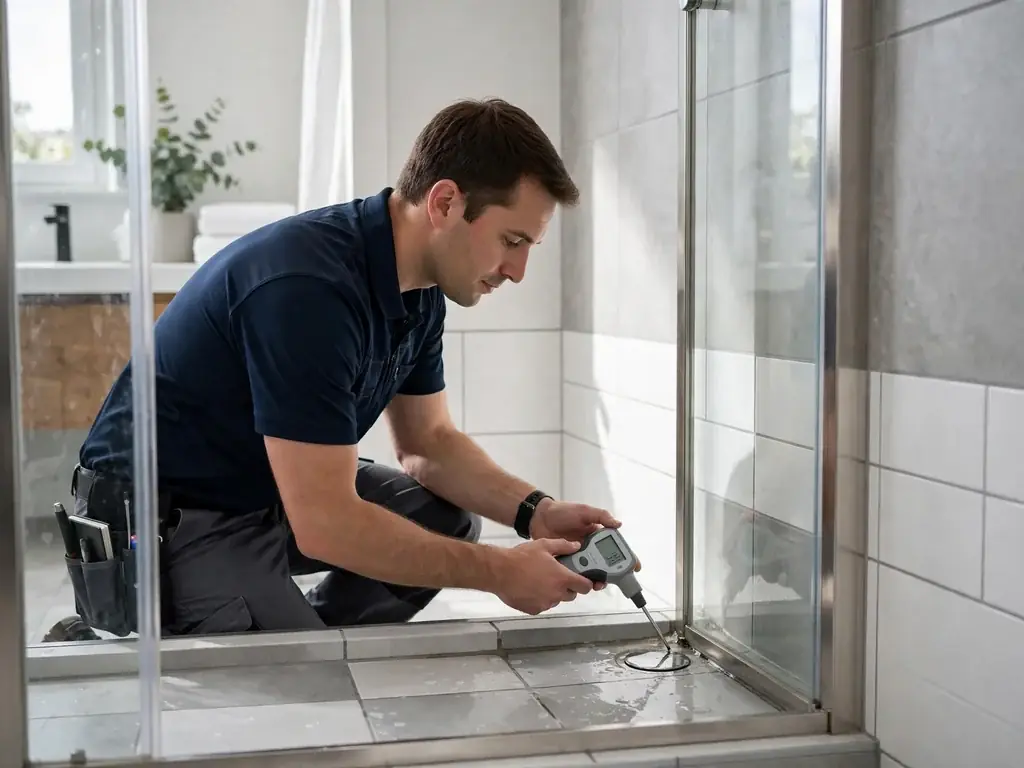
High water pressure speeds everything up. Pressure pushes harder against tired seals, turns a seep into a drip and a drip into a stream, and stresses every other fitting in the house at the same time. If several faucets in your home started dripping within the same season, suspect the pressure, not a coincidence of washers. A simple gauge on an outside spigot tells the story, and a failing pressure regulator at the main line is a common Snohomish County finding behind a sudden family of drips.
Why a Drip Never Stays a Drip
Water is patient and abrasive. Each drop that forces through a damaged seal carries microscopic grit, and the passage it travels slowly erodes wider, a process plumbers sometimes call wire drawing when a valve seat is being cut by its own leak. The seal that wept last month drips today and trickles next season. The sound you have tuned out is, quite literally, the sound of the hole getting bigger.
The damage spreads beyond water waste. A dripping faucet keeps the drain below it constantly damp, inviting mineral stains, musty smells, and wear on the sink surface where drops land for months. Hot side drips waste heated water, so the heater cycles to replace warmth nobody used. And a drip at a shutoff valve or supply line, rather than at the spout, is not a nuisance at all: it is a small leak inside a cabinet or wall path, soaking wood quietly while the spout gets the blame.
The kitchen faucet deserves special attention because it works the hardest and hides its drip in a noisy room. A drip that would echo in a bathroom vanishes under kitchen sounds all day, which is why kitchen drips are often the oldest and fastest in the house by the time anyone measures them. The measuring cup test matters most exactly there. Slide the cup under the faucet before bed, note the level in the morning, and let the overnight total make the argument that your ears have been losing for months.
Fixing the Drip, and Knowing When to Call
Many spout drips end with a single worn part:
- Compression faucets usually need a new washer and sometimes a refreshed valve seat
- Cartridge faucets usually need a replacement cartridge once the seals inside wear out
- Ceramic disc faucets often just need their seals and a cleaning of the disc surfaces
- Any faucet that drips from the handle or base needs its O rings or packing renewed, not its spout parts
Call instead of tinkering when the shutoff valves under the sink will not fully stop the water, when the faucet body itself is corroded, when drips appear at several fixtures at once, or when you find moisture in the cabinet below. Those signs move the job from a washer swap to a system question, and answering the system question first prevents the classic outcome: a beautifully repaired faucet that drips again in a month because the pressure that killed it is still there.
How Professionals Check What a Drip Is Really Saying
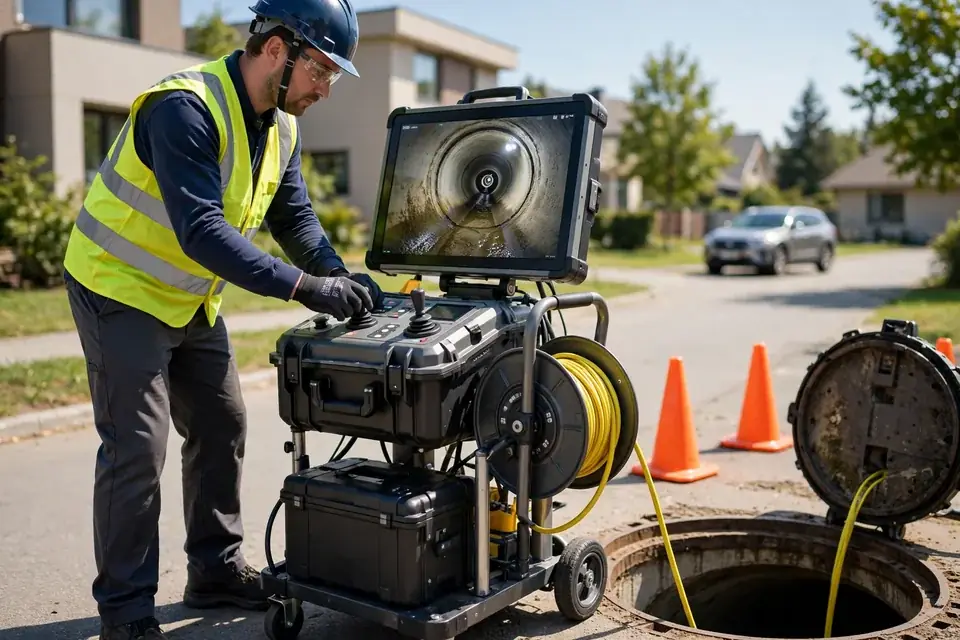
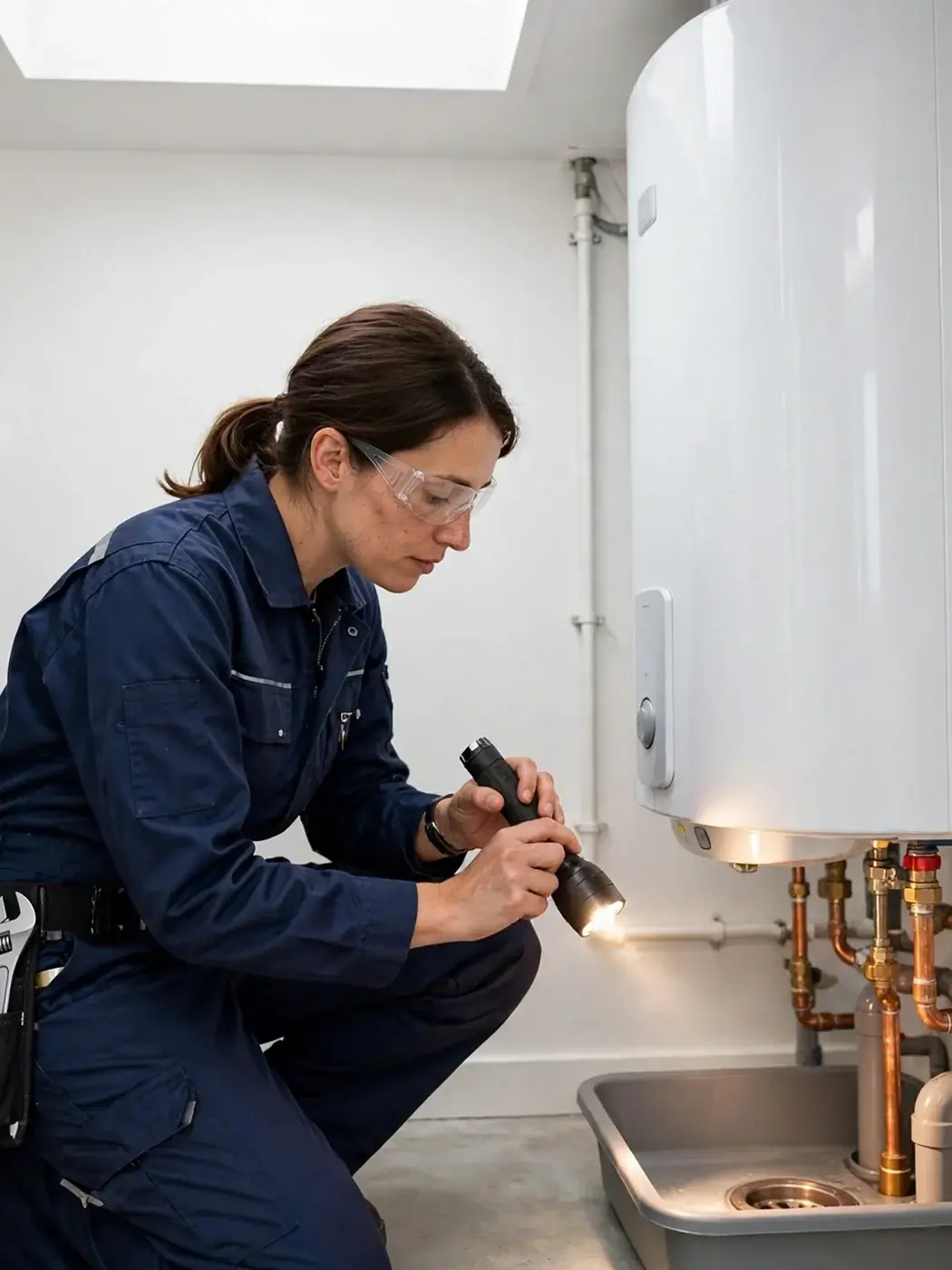
A drip visit at ProLine Leak Fix Pros starts with measurement: the home's water pressure, the meter's behavior with fixtures off, and the pattern of which fixtures drip. One worn washer is a local story. Several drips plus high pressure is a regulator story. Drips plus a moving meter with every faucet closed is a hidden leak story, and that is when acoustic listening and thermal imaging come out to find water escaping where no drip is visible at all.
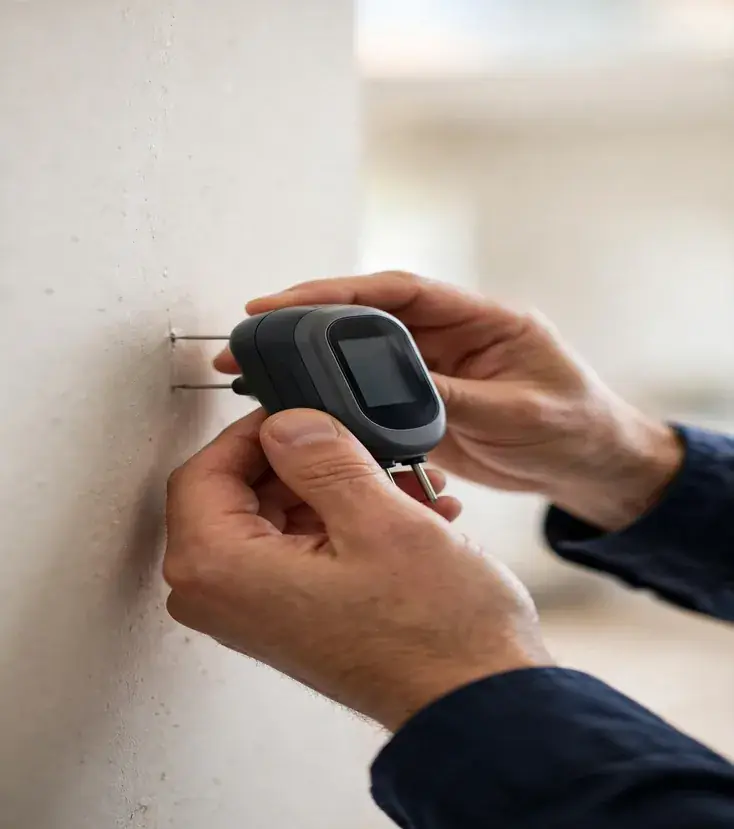
We also look where the drip's water has been going: cabinet floors, supply line connections, and the wall behind the fixture, checked with moisture meters so a slow cabinet leak does not get missed while everyone watches the spout. Lynnwood homeowners get the faucet fixed, yes, but also the answer to the better question: was this drip a lone worn part, or the first messenger from a system under stress?
Outdoor faucets drip in silence of a different kind. A hose bib leaking a drop at a time wets the soil at the foundation, invites insects, and can keep a patch of ground damp enough to matter over a season, all while the meter quietly counts it. Walk the outside of the house once in a while and look at every spigot, meter side and garden side alike. A green stain below the bib or a permanently damp patch of soil in dry weather is the outdoor version of the nighttime drip sound, and it deserves the same prompt ending.
Small Drip, Real Numbers, Easy Decision
A dripping faucet wastes water in direct proportion to your patience. Measure it with a cup and a timer and the someday errand turns into a simple decision, because the math never flatters the drip: thousands of drops a day, a growing hole, and a seal that will not heal itself. Fixed early, it is one of the smallest repairs in the house. Left alone, it is a meter reading you pay for every month.
If your faucet drips, or several do, call ProLine Leak Fix Pros at (425) 380-0028. We will stop the drip, check the pressure behind it, and make sure nothing larger is leaking quietly elsewhere in your home.