In This Article
Most plumbing changes creep in slowly. This one does not. One morning the shower is normal, and the next the water comes out fiercely hot, the kind that makes you jump back and check the handle twice. When water suddenly turns too hot, treat it as a safety message from your water heater, not a quirk to adapt to. A system that can overshoot its setting today may be losing the controls that keep pressure and temperature in balance.
This guide explains what regulates your hot water temperature, the handful of failures that cause a sudden spike, the safe steps to take in the first hour, and the signs that the relief valve, the last line of defense, is already speaking up. Scald risk alone justifies prompt attention, especially in homes with children or older family members. Add the stress overheating puts on the tank and its fittings, and same day action stops looking cautious and starts looking obvious.
What Normally Keeps Hot Water at a Safe Temperature
Your heater holds a steady temperature thanks to a thermostat that senses tank water and switches the burner or elements on and off. Most homes set it at a level that feels hot at the tap without being dangerous. Layered over that control is a safety device, the temperature and pressure relief valve, usually called the T and P valve. If temperature or pressure climbs beyond safe limits, this valve opens and releases water to bring the system back down. It is the guardrail on the road.
Many homes add a third layer: a mixing valve that blends a little cold water into the hot supply leaving the tank, smoothing out small swings. When all three layers work, you never think about any of them. A sudden spike in temperature means at least one layer has failed, and the concerning possibility is that the failed layer is the thermostat itself, the part in charge of the whole system.
The Failures That Cause a Sudden Spike
The short list of causes looks like this:
- A failing thermostat: contacts stick or sensors drift, so the burner or element keeps heating past the set point
- A grounded electric element: a damaged heating element can heat continuously, ignoring the thermostat's off signal
- A changed setting: someone raised the thermostat, during cleaning, a service visit, or a curious moment, and the change went unnoted
- A failing mixing valve: a valve that used to blend in cold water stops doing so, and full temperature water reaches the taps
- High incoming pressure: pressure problems can stress controls and make the relief valve weep as it does its job
Work through the list from the simple end. Check the thermostat setting first, because a raised dial explains everything and fixes it in seconds. If the setting is normal and the water is still scalding, the failure is inside the controls or the elements, and that is professional territory, not a weekend experiment with a hot, pressurized tank.
Safe Steps for the First Hour
While you arrange help, a few steps protect people and plumbing:
- Warn the household, especially children and older family members, that the hot water can scald right now.
- Check the thermostat setting and note it exactly as you found it before changing anything.
- If the setting was raised, return it to your normal level and test the water after the tank settles.
- Look at the relief valve discharge pipe. Dripping or recent water below it means the valve has been releasing, a key clue.
- Listen to the tank. Constant heating sounds, popping, or rumbling that does not stop suggest the system is not cycling off.
- If water is near boiling, steam is present, or the relief valve is discharging steadily, shut the heater down: power off at the breaker or gas to pilot, close the cold inlet, and call for help.
Never plug, cap, or block a relief valve discharge pipe, no matter how annoying a drip is. That pipe is the escape route that prevents dangerous pressure buildup. A dripping relief valve is a symptom to diagnose, never a nuisance to seal shut.
Hotels and travel reset your sense of normal, and some homeowners first notice the spike after a trip, mid shower, jet lagged and unprepared. If that is your story, do not dismiss the change as your imagination or a different shower head. Your home system either changed while you were away, which happens when a thermostat begins to fail, or it was already drifting and the contrast made it obvious. Test with a kitchen thermometer under the tap: numbers settle the question that memory argues about, and a reading well above your set point confirms the problem is real.
Why This One Should Not Wait Until Next Week
Scalding is the obvious risk. Water hot enough to startle an adult can injure a child in seconds, and the danger hides in routine moments: a shower handle turned the usual amount, a grandparent filling a bath, a teenager washing hands half asleep. Until the cause is fixed, every tap in the house is set to a temperature nobody chose.
The hidden risk is pressure and stress. A heater that overheats also overstresses its tank seams, its fittings, and the relief valve that keeps stepping in to save it. Valves that discharge repeatedly can foul with mineral deposits and lose reliability. Fittings that cycle between normal and excessive heat loosen and weep. In Lynnwood homes we regularly find that a temperature complaint, investigated early, also catches a small leak at a fitting before it becomes water damage in a wall or floor.
How Professionals Diagnose an Overheating Heater
A professional visit measures rather than assumes. We record the delivered temperature at several taps, compare it with the tank setting, and test whether the heating system cycles off when it should. Electric elements are tested for the grounding fault that makes them heat without permission. The relief valve is checked for correct operation and for signs it has been discharging, and incoming water pressure is measured, because pressure and temperature problems often travel together.
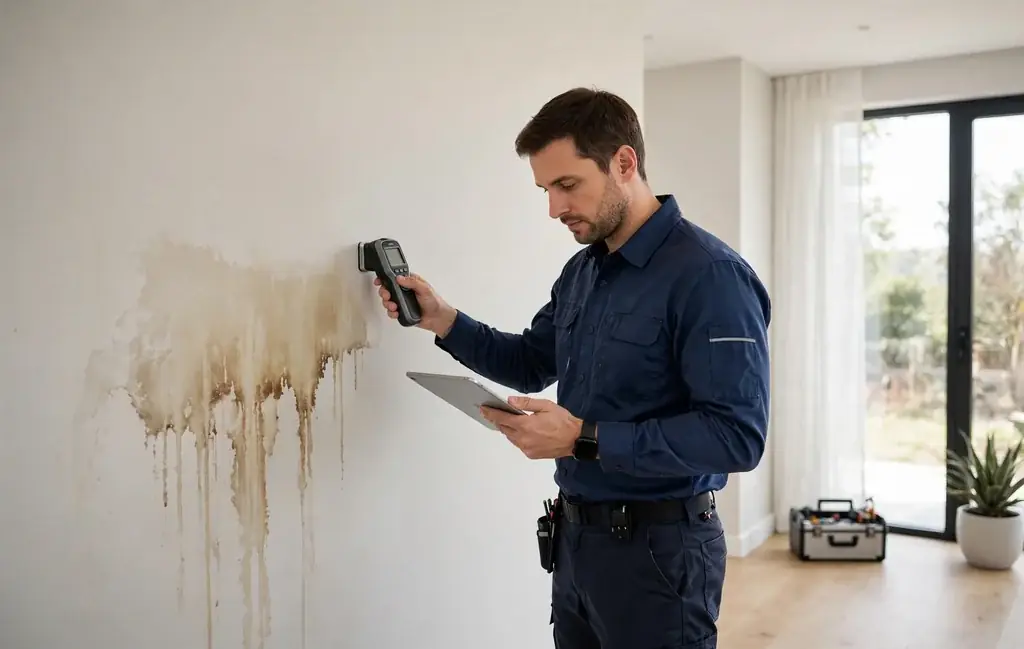
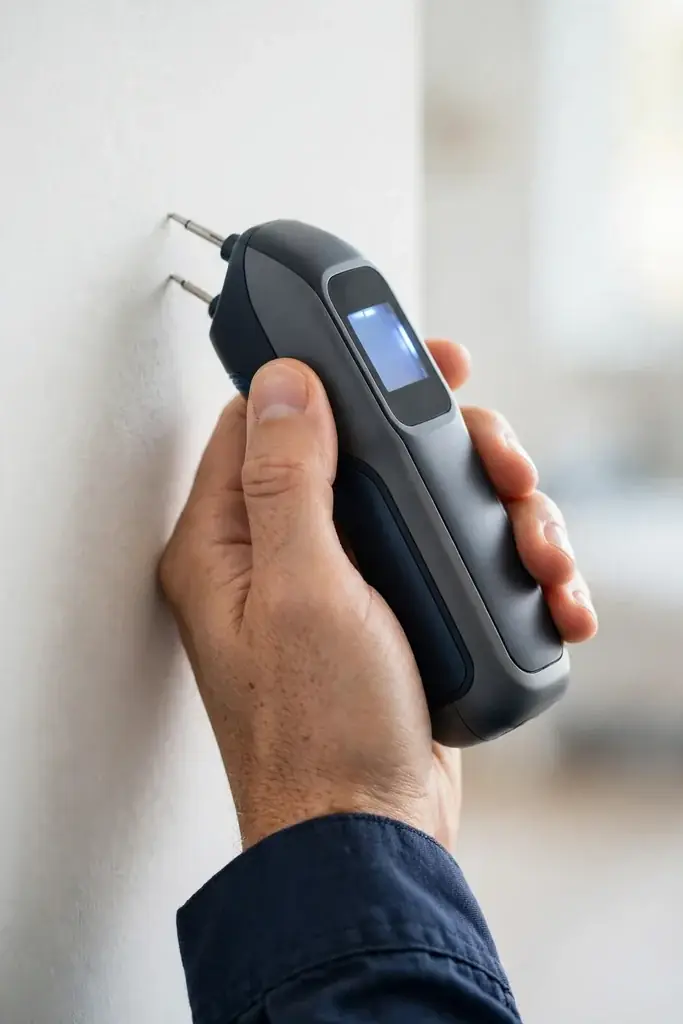
We also inspect the whole heater area for the leaks that heat stress creates: weeping fittings, a damp tank base, and moisture in nearby walls, checked with moisture meters and thermal imaging where needed. At ProLine Leak Fix Pros, an overheating call ends with the cause named, the safety devices verified, and the temperature back where your household set it, across homes throughout Snohomish County.
While the heater is under suspicion, adjust how the household uses hot water. Shorter exposure, extra cold mixed in deliberately, and baths drawn with care all reduce risk until the repair lands. Check on the people most at risk first: young children cannot react as fast, and older relatives may have slower reflexes and thinner skin. A household that treats the spike as a temporary safety condition, with the same seriousness as a stove left on, is a household that gets through the wait without a scald to remember.
Treat Sudden Heat as the Warning It Is
Water that suddenly turns too hot is one of the few plumbing symptoms that is also a safety alarm. Something in the chain of controls, thermostat, elements, mixing valve, or relief valve, has stopped doing its job, and the system is telling you before the failure grows teeth. Check the setting, warn the household, watch the relief valve, and do not let the week slide by.
If the setting is normal and the water is still scalding, call ProLine Leak Fix Pros at (425) 380-0028 the same day. We are available around the clock, and we will bring your hot water back under control safely.