In This Article
Between the water meter at the street and the wall of your house runs the service line, a single buried pipe that carries every drop your home uses. When it leaks, it does so quietly, underground, sometimes for months. There is no puddle in the kitchen to warn you. Instead, the signs arrive indirectly, in the yard, at the meter, and on the water bill.
Because the line is buried, homeowners often discover the leak late, after the soil is saturated and the meter has been spinning through quiet nights. This guide lists the signs in the order they usually appear, shows you the meter test that confirms a loss, and explains how professionals locate the exact break without digging up the whole yard in Lynnwood or anywhere in Snohomish County.
The Signs of a Service Line Leak
Learn to recognize the pattern, because single signs can mislead but clusters rarely do:
- One strip or patch of yard stays wet, soft, or unusually green along the line path to the house.
- The water meter indicator moves when every fixture in the house is off.
- Water pressure inside feels lower than it used to, especially at the farthest taps.
- The water bill climbs steadily with no change in household use.
- You hear a faint hiss or running water near the main shutoff in a quiet house.
- Wet soil, bubbling, or damp concrete appears over the line route, including at the driveway.
The wettest yard sign deserves respect. Escaping water saturates soil from below, so the surface above a break can stay spongy even in a dry week, and in stronger leaks the water surfaces through driveway cracks or at the base of the foundation. Note where the wet area sits relative to the straight line between meter and house. A patch right on that line is a strong witness.
The Meter Test: Confirming the Loss Yourself
The meter test turns suspicion into evidence in about fifteen minutes. First, make sure no water is running anywhere: no taps, no irrigation, no washing machine filling, no ice maker cycling. Then find the meter, open the box, and look for the small leak indicator, often a triangle or dial that moves with even tiny flow.

If the indicator is moving, water is leaving the system somewhere. Now close the main shutoff where the line enters the house and watch the meter again. If the movement stops, the loss is inside the house plumbing. If it keeps moving with the house shut off, the leak sits between the meter and the house, in the buried service line itself. Write down meter readings an hour apart for a rough sense of how fast water is escaping, and keep the numbers for the technician.
Age and material shape the odds, so learn what your line is made of if you can. Home records, the visible pipe where the line enters the house, and the fittings at the meter often reveal the material without any digging. Thin wall copper in aggressive soil can pit from the outside. Older galvanized steel narrows with rust and weeps at threaded joints. Each material fails in character, and knowing yours helps a technician predict where along the run the break most likely sits before the listening equipment even comes out.
Where the Line Runs and Why It Fails
Service lines usually take the shortest practical path from the meter to the house entry point, passing under lawns, planting beds, and often the driveway. Knowing that path focuses every other observation. Older lines can be copper, galvanized steel, or various plastics depending on the age of the home, and each material ages in its own way: corrosion pinholes in metal, brittle splits in older plastic, and failed joints where sections connect or where the line meets the house.
Soil movement, tree roots seeking moisture, and years of pressure cycles all stress the line at its weakest point. A leak often starts as a slow seep at one joint, which is why early signs are subtle. The same history also explains why a confirmed service line leak deserves a full location survey, not a quick patch on the first wet spot found. The wettest soil is not always directly above the break, since water travels along the pipe trench.
Roots deserve a balanced word. Tree roots do not usually break a sound pipe, but they are drawn to the moisture a small leak releases, and a root mass around a joint can widen a seep over time and complicate the repair. If the wettest yard area sits under a large tree on the line path, mention it when you call. It does not change the detection method, but it prepares the crew for what the excavation may find, and it may shape the advice you get about rerouting or protection.
How Professionals Pinpoint a Buried Line Leak
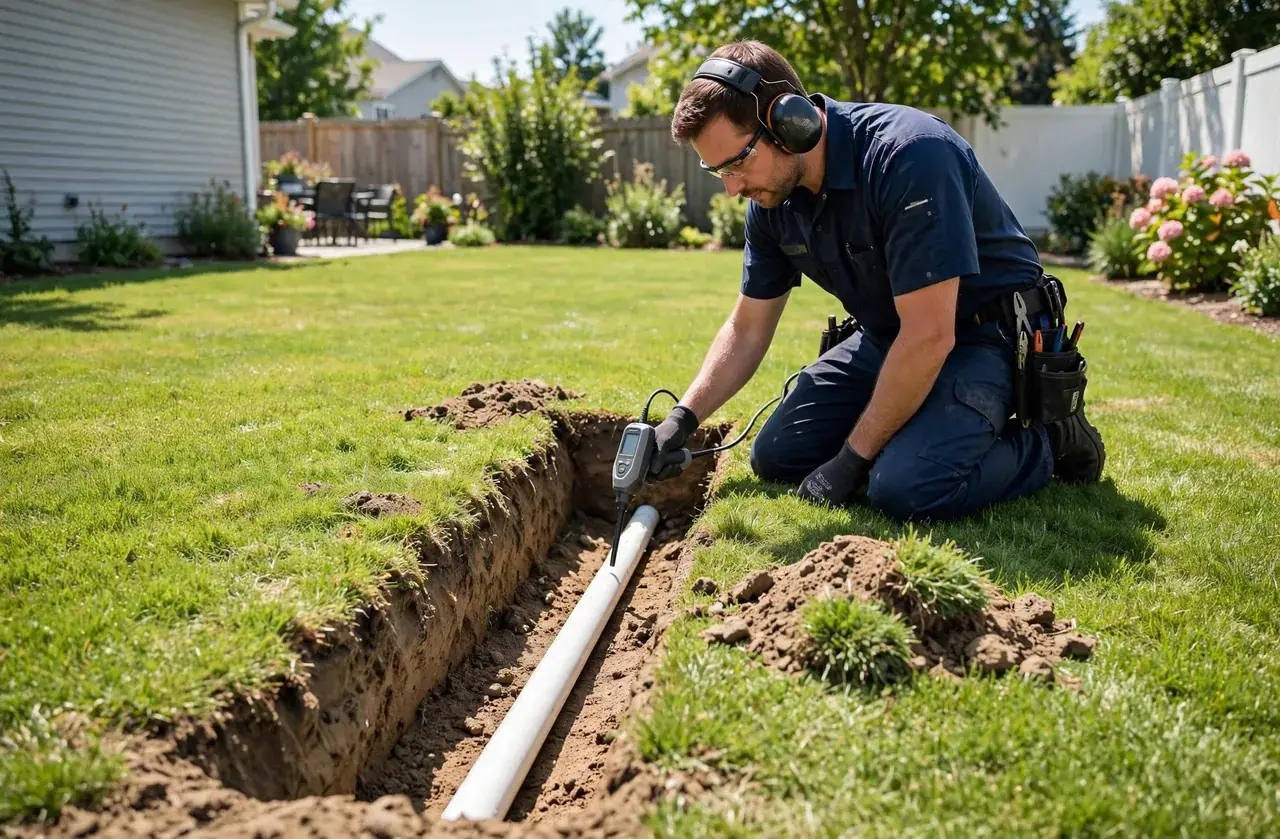
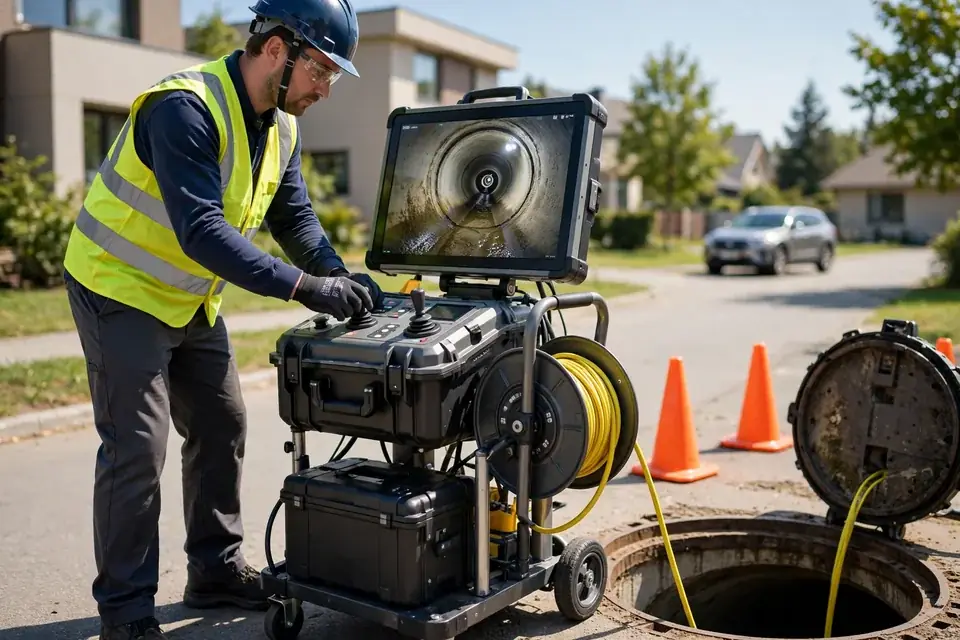
Precise location is what keeps the repair small. A technician first traces the exact route of the line with pipe locating equipment, then works along it with acoustic ground microphones, listening for the sound of pressurized water escaping into the soil. The leak sound peaks at the break, and correlators can refine the position by comparing the sound arriving at two points on the line.
Where soil or depth muffles the sound, tracer gas introduced into the line escapes at the break and is detected at the surface, confirming the spot before any digging. ProLine Leak Fix Pros uses this layered method, acoustic first, tracer gas to confirm, so the excavation opens at the marked point instead of hunting along the trench. For a homeowner, the difference shows up as a smaller hole, a shorter repair, and a yard that survives the process.

What Happens After the Leak Is Located
With the break marked, the repair conversation becomes practical. A single failed section or joint may be repaired at that spot. A line with widespread corrosion or repeated past repairs may make replacement of the run the wiser long term answer, and your technician can explain the condition found at the opening honestly. Either way, detection comes first, because the right choice depends on where the line failed and what shape the pipe is in.
While you wait for the appointment, you can slow the loss by closing the house shutoff when the home is empty for long stretches, if your setup allows it, and keep vehicles off any soft or bubbling section of driveway above the line. Take dated photos of the wet area. A growing patch is useful information, and a patch that suddenly surges deserves a faster call.
Ask for the marked location in a form you can keep. A paint mark fades, so take your own photos with a tape measure stretched from a fixed point such as the meter box or a fence corner. If you later landscape, pave, or hand the problem to a repair contractor, those measurements preserve the value of the detection visit. Good records also help if the line ever leaks again, because comparing the new wet pattern with the old repair point answers the first question quickly: same spot, or a new failure?
Conclusion: The Meter Knows, Even When the Yard Whispers
A leak between the meter and the house hides well, but it cannot hide from its own signs: a moving meter, a wet strip of yard, and pressure that is not what it was. Run the meter test, note where the soil stays wet, and have the break located precisely before digging. Call ProLine Leak Fix Pros at (425) 380-0028 for service line leak detection in Lynnwood. We will find the exact point with acoustic and tracer gas technology so the repair stays targeted.