In This Article
Built Different: Why These Homes Hide Leaks Differently
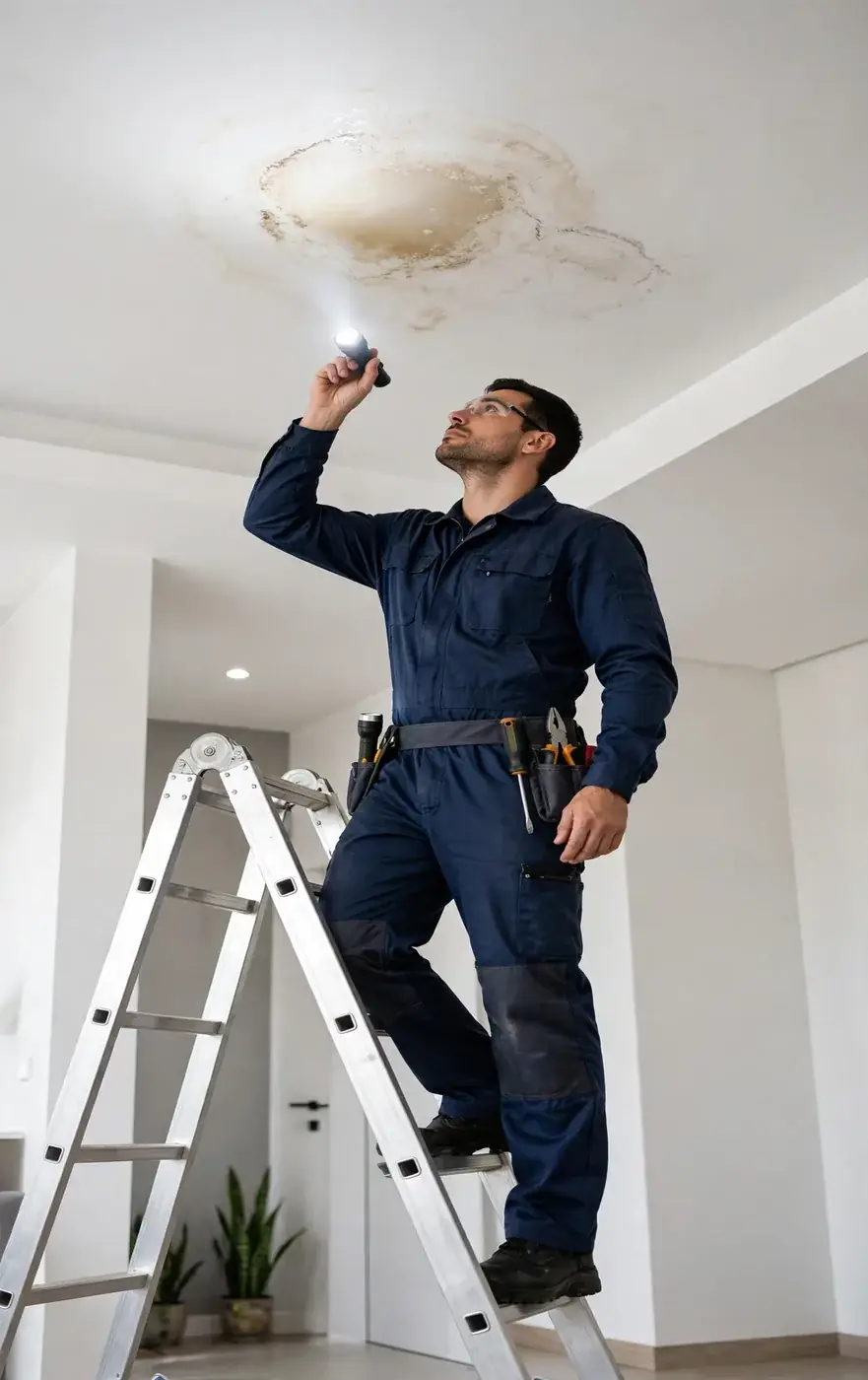
Mobile and manufactured homes are built on a frame, not a slab or a full foundation. The plumbing runs below the floor, wrapped inside an insulated belly board that protects pipes from cold air. That design works well, but it changes how leaks behave. In a site built house, a leak often stains a ceiling or a wall where you can see it. In a manufactured home, a leak can drip quietly into the belly insulation for weeks, soaking it slowly while the rooms above still look and feel normal.
The first signs are often subtle: a soft spot in the floor, a musty smell near a bathroom, or a water bill that creeps up. Because the crawl space under these homes is low, checking below is harder, and many leaks are found later than they would be in a house with a basement. Understanding the layout is the first step to finding trouble early.
Rodents and past repairs add to the picture. Animals nesting in warm belly insulation can chew lines and tear the belly board, and an old repair patch that was taped rather than sealed lets moist air reach cold pipes. When you look along the underside, note patched areas and check whether they are still closed and dry. A patch that bulges or drips is telling you the repair above it may have failed again, or that water from a new leak has found the same low spot in the insulation.
Belly Board and Floor Signs to Watch
The belly board is your best early warning surface. From outside, look along the underside of the home from the skirting openings. Healthy belly material sits flat and dry. Warning signs include:
- Sagging sections: insulation and board pulled down by the weight of trapped water
- Staining or dark patches: water marks on the belly material below bathrooms and kitchens
- Drips or damp soil: wet ground under the home when it has not rained
- Torn or open sections: past repairs or animal damage that lets cold air reach the pipes
- Soft flooring above: a spongy feel near tubs, toilets, and the water heater closet
Inside, check the water heater closet and under every sink. Manufactured homes often route many lines through small service spaces, so one slow fitting can wet a wide area of insulation before a single drip shows inside a cabinet.
Check the skirting vents and access panels while you are outside. Blocked vents trap moist air under the home, which keeps small drips from drying and feeds musty smells inside. Make sure access panels open easily, because a technician will need them if a leak is suspected below a bathroom. Inside the home, pull the access panel behind the tub or shower if one exists. Many manufactured home tubs have a plumbing access opening, and a flashlight look there can reveal a dripping drain or valve long before the floor suffers.
Piping Materials and Freeze Risk
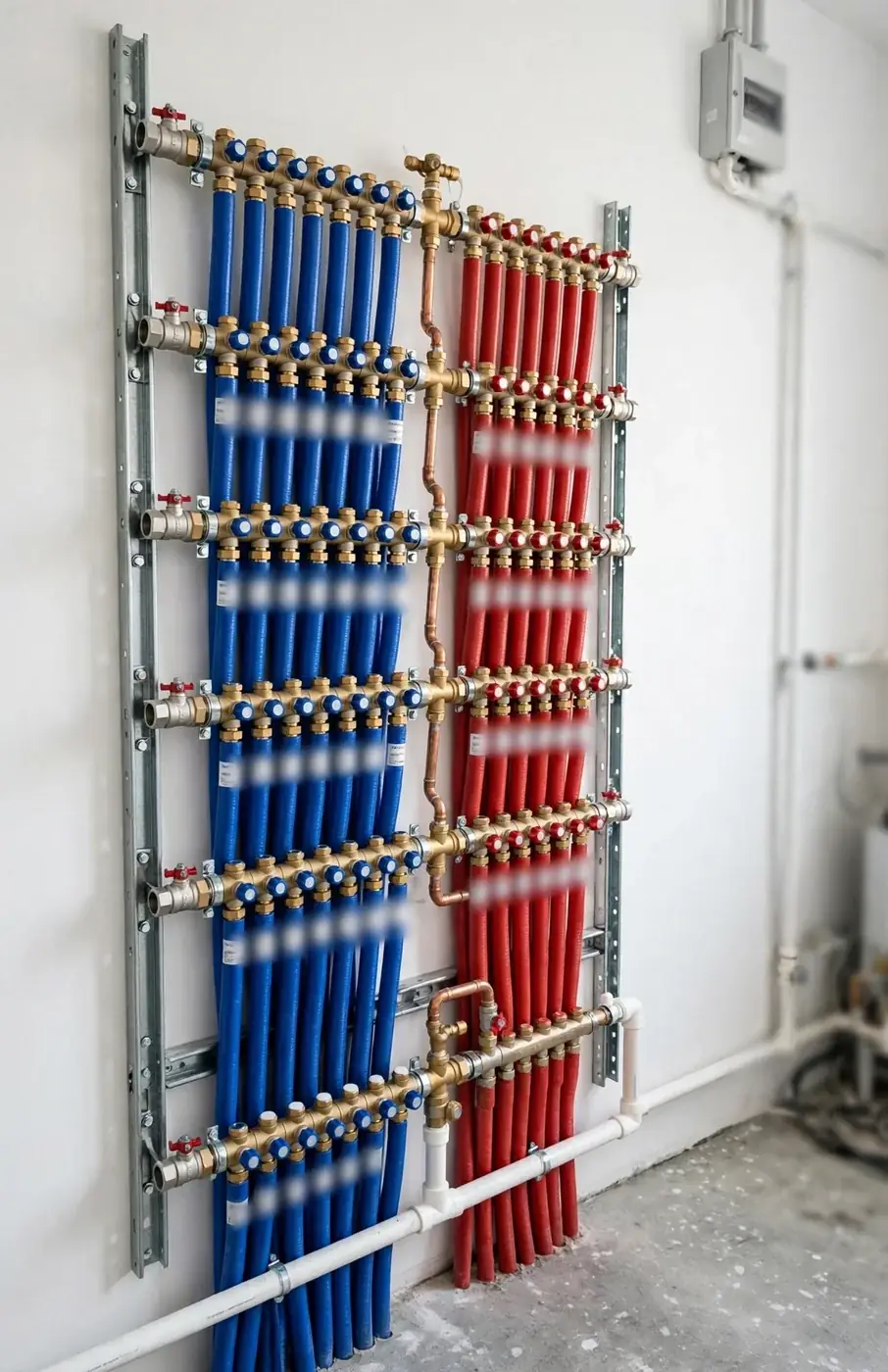
Many manufactured homes were plumbed with materials that age in known ways. Older gray plastic supply pipe is known for fitting failures. Newer homes use flexible PEX lines, which resist freezing better but can still fail at fittings, especially after a hard cold snap. Because the pipes sit below the floor in a thin insulated layer, they are closer to outside cold than pipes inside a heated basement. A torn belly section can expose a line to freezing air in a single cold night.
Heat tape on exposed lines, intact insulation, and skirting that closes fully are your main defenses in a Lynnwood winter. After any freeze, walk the home and listen. Run each fixture, flush each toilet, and then check below the home for new drips. Freeze damage often shows up as a fine spray or a slow weep that only appears when the line is under pressure, so a quick look right after thawing can save the belly insulation from a long soak.
Water pressure deserves a mention in these homes. Flexible lines and older fittings do not love very high pressure, and pressure rises at night when neighborhood use drops. If faucets bang, toilets refill oddly, or fittings weep only at night, ask about a pressure check during a detection visit. Managing pressure will not fix a failed fitting, but it can explain why marginal joints in a manufactured home start leaking in the same season, and it protects the new repair once the failed point is replaced.
Checks You Can Do Without Crawling Under
You do not need to squeeze under the home to get useful answers. Start with the water meter test: turn off every fixture, note the meter, and check again after one to two hours of no use. Movement means water is escaping somewhere in the system. Next, isolate what you can. Many manufactured homes have shutoff valves for sections of the home or for the water heater. Closing one zone at a time and rechecking the meter can narrow the leak to one end of the home.
Inside, use your senses. A musty smell that is strongest at floor level, floor vents that blow damp smelling air, or vinyl flooring that starts to lift near a bathroom are all useful clues. Photograph belly sagging from the skirting access points with your phone flash on. Those photos, with dates, help a technician plan the visit and help you track whether a sag is new or growing.
Keep a small kit ready for checks: a flashlight, a phone for photos, and a notebook. Once a season, walk the full perimeter and look at the belly line from every access point. Note any new sag, stain, or drip with the date. Compare with last season's notes. A belly that looks the same for a year is history. A belly that changes between checks is an active problem, and that simple record tells a technician more in five minutes than an hour of guessing ever could.

How Professionals Detect Leaks in Manufactured Homes
Detection in these homes mixes standard tools with layout knowledge. A technician confirms the loss at the meter, then uses acoustic listening along the floor lines and at fixture connections to trace the sound of escaping water. Thermal imaging from inside can show cold or warm moisture patterns in the floor above a wet belly section, which narrows the search before anyone opens the belly board. Moisture readings in the subfloor confirm how far the water has spread.
ProLine Leak Fix Pros works across Lynnwood and Snohomish County with acoustic, thermal imaging, and tracer gas methods, adapting the search to the low crawl and belly layout of manufactured homes. The goal is the same as in any home: open only the small section that must be opened. That keeps insulation repair simple and protects the floor structure, which matters because long soaked subfloors are the most common lasting damage in these homes.
Expect the technician to work from both sides of the floor: listening and scanning from the rooms above, then confirming at the closest belly access point below. Because access is tight, pinpointing from above first saves time and keeps the belly opening small and easy to reseal. After the repair, ask that the belly insulation and board be closed properly, since an open belly invites the next freeze problem. A complete job ends with the home sealed up the way it started, only dry.
Small Checks Protect the Whole Floor
In a manufactured home, the floor system is both the warning surface and the thing most at risk. A monthly look at the belly line, a meter test when the bill changes, and fast action after a freeze will catch most leaks while they are still fitting repairs, not floor repairs. Trust soft spots and sagging insulation as real signals, even when the rooms above look fine.
If your meter moves with everything off, or a section of belly board has started to sag, get the source pinpointed soon. Call ProLine Leak Fix Pros at (425) 380-0028 and let detection find the exact leak before the insulation and subfloor pay for the delay.