In This Article
Why the First Year Brings Surprises
A brand new house has never really been lived in. During construction, pipes are tested briefly, then the home may sit for weeks while finishes go in. Once a family moves in, every system gets used hard at the same time: long showers, daily laundry, a dishwasher running every night. Small installation flaws that passed a quick test can start leaking under that real, daily load. At the same time, the house itself is settling. Framing dries and shrinks a little, soil around the foundation compacts, and joints that were tight on day one can loosen slightly.
None of this means the home was built badly. It means the first year is a shakedown period, and water problems found early are usually small problems. The trouble starts when a slow drip behind a new wall goes unnoticed for months because everything still looks fresh. Knowing the usual suspects helps you catch them while they are still minor.
Temperature plays a part as well. The first full winter and first full summer stress a new home in opposite ways. Heating dries the framing, cooling and humidity swell it, and pipes expand and contract with every hot shower. A joint that was sealed in mild construction weather can start to weep after months of these cycles. That is why some first year leaks appear in month eight rather than week one, and why a single early check is not enough. Spread your checks across the seasons.
The Usual Suspects in a New Build
First year leaks cluster in predictable places:
- Fixture connections: supply lines to faucets, toilets, and appliances that were hand tightened and slowly loosen
- Shower and tub work: valve connections behind walls, overflow gaskets, and shower pans that were not fully tested
- Drain joints: traps and slip joints under sinks that weep only when the sink drains a full basin
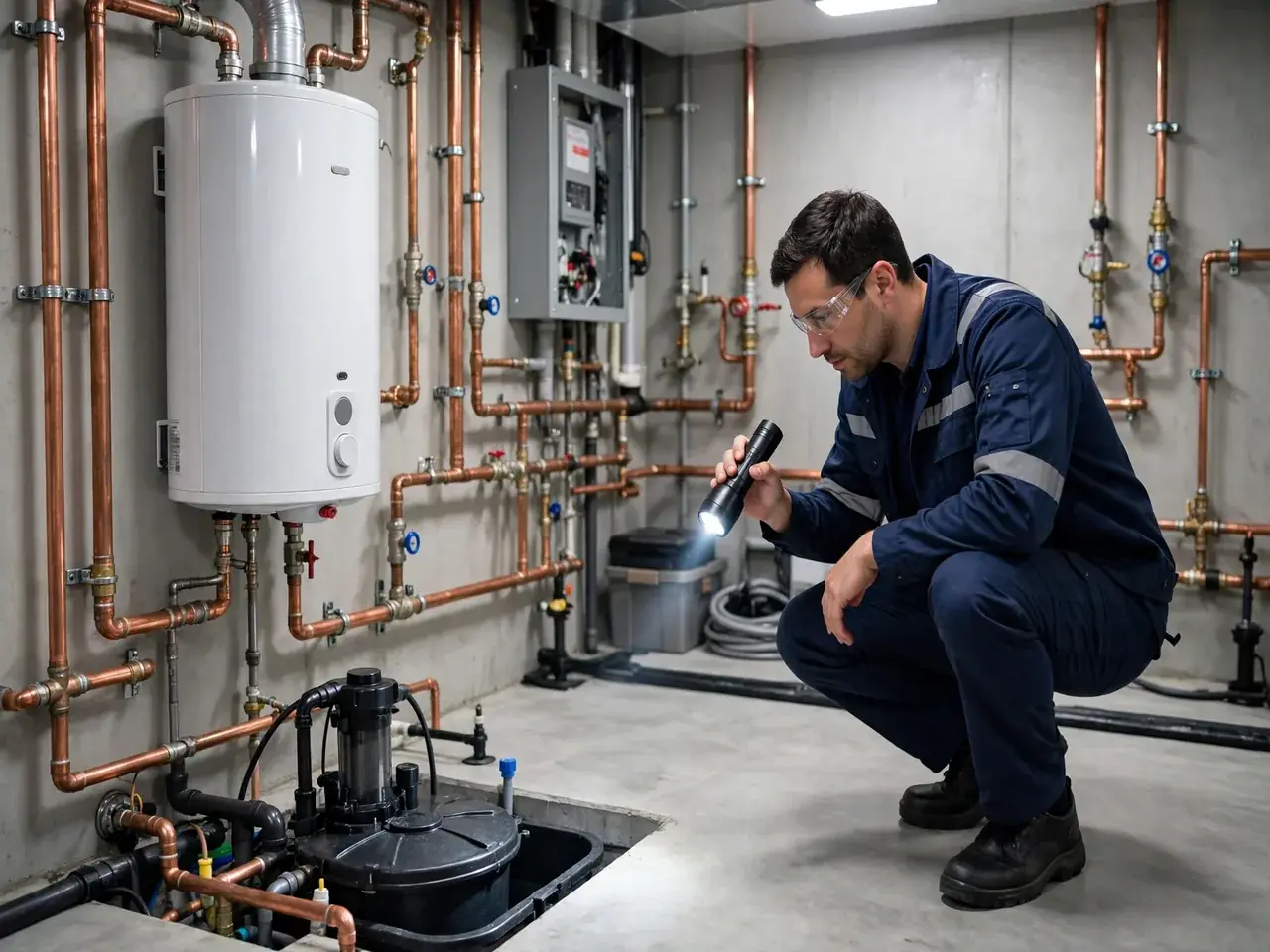
- Water heater fittings: connections that seep as the tank heats and cools through daily cycles
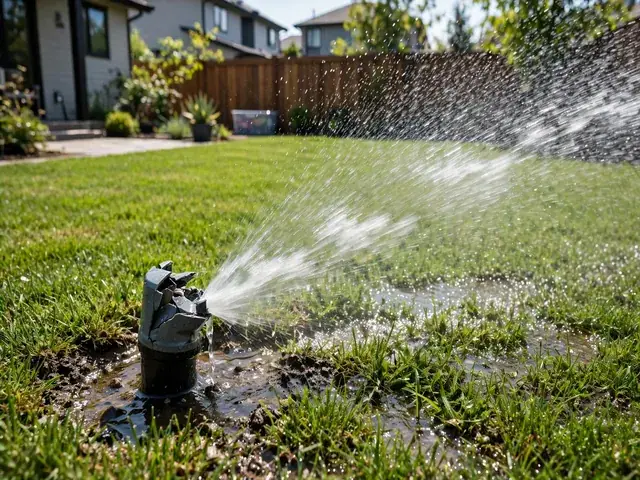
- Exterior faucets: hose bibs damaged by the first hard freeze when a hose was left attached
- Appliance hookups: dishwasher, fridge ice maker, and washer lines installed in a hurry at closing time
Walk your new home once a month during the first year with this list in mind. Open every under sink cabinet, look behind the washer, and check the water heater area. A two minute look catches most of these while they are still drips, not damage.
Do not forget the quiet fixtures. Guest bathrooms and basement sinks can sit unused for weeks in a new home, and a trap that dries out lets sewer gas in, while a supply fitting can drip unseen into a closed cabinet. Run water in every fixture once a month, open every cabinet, and look at the floor around the water softener or filtration equipment if you have it. The goal is a simple habit: every water connection in the house gets seen by human eyes at least once a month during year one.

Settling Signs Versus Leak Signs
New homes also show normal settling that is not a leak at all. Hairline cracks in drywall at ceiling corners, nail pops, and doors that need a small latch adjustment are common and usually cosmetic. It helps to know the difference. Settling cracks are thin, dry, and stable. Leak signs behave differently: a stain that grows, paint that bubbles, a musty smell that gets stronger, or flooring that starts to feel soft or uneven near a bathroom or kitchen.
Keep a simple log with dates and phone photos. If a mark looks the same in every photo for two months, it is probably settling or an old construction mark. If it changes, spreads, or feels damp after the home has been dry for days, treat it as active water until someone proves otherwise. That log is also gold if you need to show a builder when a problem first appeared during the warranty period.
Photos help more than memory here. Photograph each under sink cabinet and the water heater area on move in day, when everything is clean and dry. Those baseline photos make later changes obvious: a new water line stain, a fresh drip trail, or a valve that has started to crust. Store them in one album on your phone labeled with the date. If a warranty discussion ever happens, that album shows exactly when a condition appeared and how it changed, which is far stronger than trying to recall it months later.
Watch the Bill and Listen to the House
Your water bill is an early warning system in a new home because you have no old habits to blame. If usage climbs from one month to the next without guests, irrigation changes, or a new routine, something may be leaking. Toilets are the top suspect. A flapper that does not seal lets water run silently all day, and new toilets are not immune. Put food coloring in the tank, wait 20 minutes without flushing, and check the bowl. Color in the bowl means the tank is leaking into it.
Sounds matter too. In a quiet new house at night, listen for water moving when nothing is on: a faint hiss near a wall, a soft ticking in the floor, or the water heater firing more often than it should. New homes in Lynnwood often have quiet streets at night, which makes these sounds easier to catch early. Note where the sound is loudest and when it happens. That pattern is exactly what a detection visit uses as its starting point.
Also learn your shutoffs during this calm period, not during an emergency. Find the main valve, the water heater valve, and the fixture valves under sinks and behind toilets, and turn each one gently to confirm it moves. Valves installed during construction sometimes seize early from debris or over tightening. Knowing they work, and knowing where they are, turns a future leak from a panic into a procedure. Label them with small tags so anyone in the house can find the right one quickly.
How Professionals Pinpoint a First Year Leak
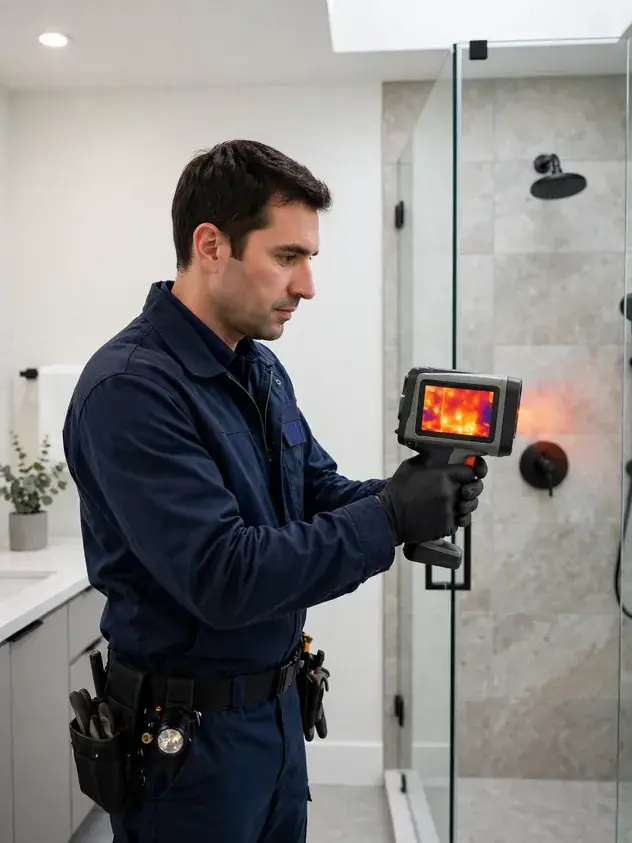
When a new home leaks, nobody wants exploratory demolition in fresh walls and new tile. That is why detection comes first. A technician confirms the leak with a meter test, then isolates the system zone by zone: hot side or cold side, upstairs or downstairs, inside or in the service line. Acoustic sensors listen for the escape point through finished surfaces, and thermal imaging maps moisture patterns that show where water has traveled from the source.
ProLine Leak Fix Pros serves Lynnwood and Snohomish County with acoustic, thermal imaging, and tracer gas detection, so a first year leak can usually be located to a small area before any opening is made. A precise location protects your new finishes and gives the builder or repair plumber a clear, documented target. It also creates a written record of when the leak was active, which helps if warranty questions come up later.
When you book detection for a new home, mention the age of the house and where the signs appear. That context helps the technician choose the first tests: isolation of hot and cold sides, a check of the recirculation system if one is fitted, and a close look at the nearest fixture connections. Because finishes are new, the visit focuses on confirming through surfaces, and most homeowners are surprised how precisely a leak can be located with no opening at all. You get a marked spot and a clear next step.
Treat Year One as a Shakedown, Not a Scare
A first year leak does not mean you bought a bad house. It means the house has finished its first real test, and one connection needs attention. Homes that get a careful monthly walk through, a quick toilet dye test, and a close eye on the water bill usually catch these problems while they are still simple fixes.
If you hear water when nothing is running, see a stain growing on new paint, or watch the bill climb without a reason, do not wait for it to get obvious. Call ProLine Leak Fix Pros at (425) 380-0028 and get the source pinpointed while the problem is still small.