In This Article
Turn on the cold tap and the flow is strong. Swing the handle to hot and the stream shrinks to half. When only the hot side loses pressure, your plumbing is giving you a clean clue, because hot water takes a different road through the house. It detours through the water heater, and anything that narrows that road, at the tank, in its valves, or along the hot lines, shows up as weak hot pressure everywhere.
This guide explains the real causes in the order professionals check them: sediment in the tank, valves that are not fully open, failing heater connections, and scale building up inside hot water pipes. It also covers the one cause that is not a blockage at all, a hot side leak, and how detection confirms it without tearing into walls.
Why the Hot Side Suffers First
Hot water systems collect problems that cold lines avoid. Heat speeds up mineral deposits, so scale forms fastest exactly where water is hottest: inside the tank, at the heater connections, and in the first stretches of hot pipe. Sediment settles at the bottom of the tank and can be drawn into the outlet. Heat also ages rubber seals and valve parts on the hot side faster than the cold.
The pattern of the weakness matters. Weak hot pressure at every fixture points to the heater area or the main hot trunk line. Weak hot pressure at one fixture points to that fixture cartridge or its hot supply valve. Weak hot pressure that gets worse the longer the tap runs suggests a restriction that starves flow over time. Note your pattern before anyone starts replacing parts.
There is a second reason the hot side shows trouble first: it works under a handicap. Hot water leaves the tank and often travels up and across the house to reach bathrooms, losing a little pressure to every bend and riser. The cold side usually takes a shorter, straighter road. So a restriction that the cold side can shrug off becomes obvious on the hot side long before it affects anything else in the house.
Start at the Water Heater
The heater is the crossroads of the hot system, so check it first:
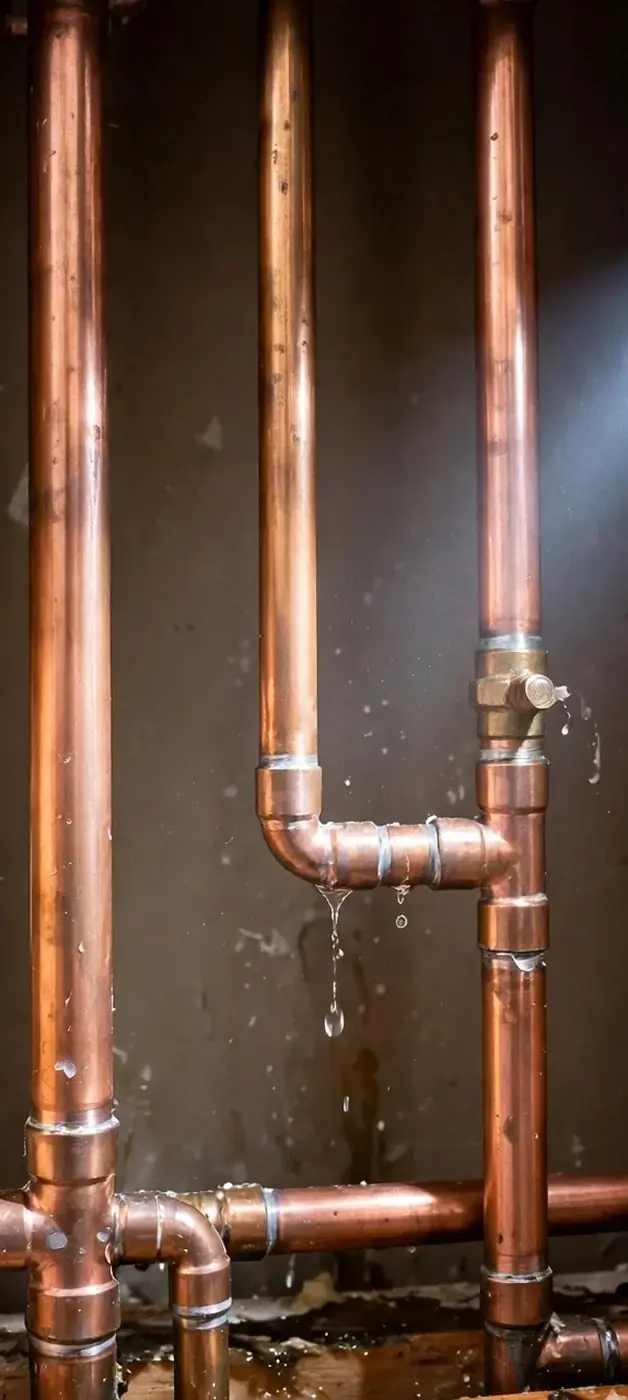
- The cold inlet valve: if it is partly closed after a service visit or a bump, every hot tap in the house suffers
- The hot outlet connection: corrosion and scale narrow this fitting, and it is a classic choke point on older tanks
- Sediment in the tank: a heavy layer reduces effective flow and often comes with popping or rumbling sounds when the heater fires
- A failing heat trap or check fitting: small parts at the tank ports can stick and throttle flow in one direction
- Dielectric unions and flex lines: these corrode from the inside and can close down like a clogged artery
Look for moisture around the tank fittings too. A slow drip at a heater connection both wastes hot water and hints at the corrosion that is narrowing the passage.
While you are at the tank, note its age and listen to it work. A heater near the end of its typical life that also delivers weak hot pressure is giving you two symptoms of the same decline. Write down what you see: valve positions, any damp fittings, any rust streaks. If a technician visits, those observations plus your pattern notes can cut the diagnostic time in half.
Scale Inside the Hot Lines Themselves
In homes with hard water or older galvanized pipes, the hot lines can narrow along their whole length. Galvanized pipe corrodes from the inside, and the rust takes up space until the opening is a fraction of what it was. Hot lines corrode faster than cold ones because heat accelerates the reaction, which is why a house can have acceptable cold pressure and miserable hot pressure for years.
The clue is distribution. If the fixtures farthest from the heater are the weakest on the hot side, long narrowed runs are a likely story. If the closest fixture is just as weak, the choke point is near the tank. Either way, this kind of narrowing does not reverse itself, and knowing it early lets you plan instead of being surprised by a leak when the corroded wall of the pipe finally gives way.
Narrowed hot lines also change how your water feels, not just how hard it flows. Water moving slowly through a long hot run loses heat on the way, so distant taps may deliver water that is both weak and lukewarm. Homeowners often chase that as two separate problems, a pressure issue and a temperature issue, when one corroded run explains both. Mention both symptoms if you describe the problem to a plumber; together they are a strong clue.
How Professionals Tell Blockage From a Hot Side Leak
Weak hot pressure is usually a restriction, but sometimes hot water is escaping through a leak in a hot line, often under a slab or inside a wall, and the faucets get whatever pressure is left. The warning signs are different: a water heater that fires more often than it should, a warm spot on the floor, a meter that moves with everything off, or hot water that also arrives weaker and cooler at distant taps.
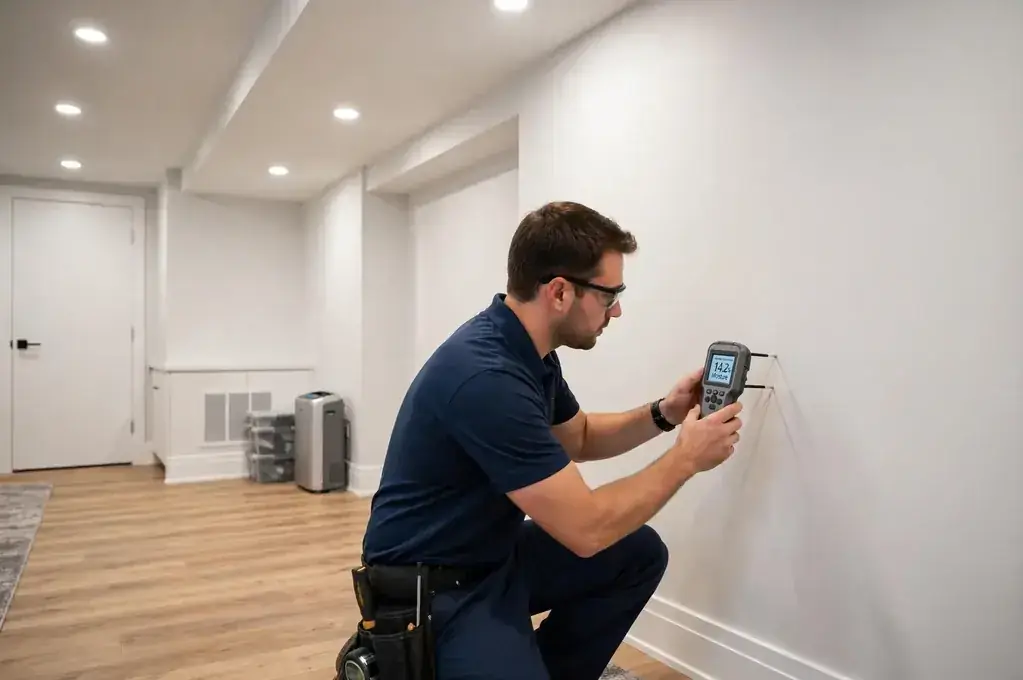
Professionals separate the two with tests. Static and dynamic pressure readings show whether pressure collapses under flow. Isolation testing closes the heater valves and watches the meter. If the loss is on the hot side, thermal imaging is especially powerful, because a leaking hot line paints a warm trail through floors and walls that the camera sees clearly. ProLine Leak Fix Pros uses thermal imaging, acoustic listening, and pressure testing across Lynnwood to prove which problem you have before any repair begins.
Thermal imaging earns special praise on hot side calls because the evidence glows. A healthy hot line shows as an even, predictable path. A leaking one blooms outward where water spreads into surrounding material, and a restricted one shows hot water arriving late and patchy at the fixture. One scan can separate those stories without a single hole in a wall or floor, which is exactly how a diagnosis should work.
Fixes, in the Order That Makes Sense
Begin with the valves: confirm the heater inlet and outlet valves are fully open. Check the aerators and showerhead on the worst fixtures, since hot side sediment collects there too. If the tank rumbles or has not been serviced in years, a professional flush can clear sediment and restore flow at the source.
If pressure stays weak after those steps, the restriction is in a fitting or the pipes, and it is time for measurement rather than more part swapping. A technician can test pressure before and after the heater to locate the choke point precisely. And if the tests point to a hot line leak instead, finding it exactly, before floors are opened, is the whole value of proper detection.
One caution on flushing a neglected tank: if the drain valve has not been opened in many years, it may not reseal afterward, and sediment can clog it mid flush. That is a manageable job for a technician with the right parts on the truck, and a messy surprise for a first timer on a Sunday. If the tank has been ignored for a long while, booking the flush as part of a service visit is the wiser route.
Conclusion: The Hot Side Tells on Itself
Low hot water pressure only is one of the most diagnosable plumbing symptoms. Sediment, a partly closed valve, corroded heater fittings, or narrowing hot lines explain most cases, and the pattern of which fixtures suffer tells you where to look first. Work from the heater outward, and let pressure readings guide you.
If your heater runs constantly, the floor has a warm spot, or the meter moves with the house quiet, call ProLine Leak Fix Pros at (425) 380-0028. We will pinpoint whether it is a blockage or a hidden hot line leak, without opening anything on a guess.
Treat weak hot pressure as information, not just inconvenience. It is reporting on the condition of your heater and hot lines earlier than almost any other symptom could. Homes that act on it while it is still a flow problem get to choose their timing. Homes that wait often meet the same pipes later, as a leak, on the pipes schedule instead of theirs.