In This Article
You turn on the shower, step back, and wait. And wait. By the time the water finally turns hot, a surprising amount of perfectly good cold water has gone straight down the drain. In many Lynnwood homes the master bathroom sits at the far end of the house from the water heater, and that morning wait becomes a daily tax on your time, your water, and your patience.
The delay is not a mystery. It comes down to distance, pipe size, heater condition, and whether your home has a recirculation system that is working the way it should. This guide explains each cause in plain terms, helps you tell a normal wait from a problem that is getting worse, and shows the fixes that actually shorten the wait instead of just promising to.
The Simple Math of Distance
Hot water cannot teleport. When you open a hot tap, the water that arrives first is the water that has been sitting in the pipe since the last use, cooled to room temperature. The heater has to push that entire volume out before true hot water reaches you. The longer the pipe run and the wider the pipe, the more standing water sits between the heater and your tap.
That is why the bathroom above or beside the heater warms up fast while the far bathroom lags. It is also why the wait feels worse in winter, when the standing water in the pipes starts out colder and the pipes themselves steal more heat along the way. A wait that matches the distance is physics, not failure. A wait that has grown much longer than it used to be is a change worth investigating.
Pipe diameter quietly multiplies the distance problem. A wide pipe holds far more water per foot than a narrow one, so a long run of oversized pipe stores a surprising volume of cooled water that must be pushed out first. Well designed systems step down to smaller branches near fixtures partly for this reason. If a remodel rerouted your bathroom through a longer or wider path, a longer wait may have been built in at that moment.
When the Heater Itself Adds Delay
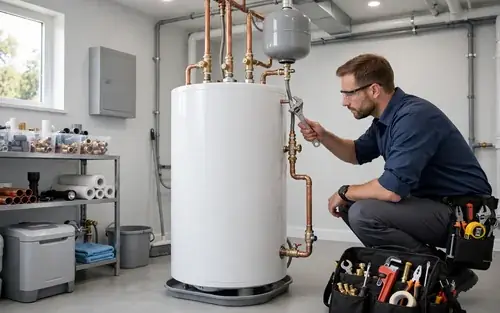
A healthy heater still cannot beat distance, but a struggling one adds its own delays:
- Sediment in the tank: the burner or element heats a layer of mineral sludge before it heats your water, slowing recovery
- A broken dip tube: incoming cold water mixes near the top of the tank instead of being sent to the bottom, so the water leaving the tank cools quickly
- Undersized or aging equipment: a heater that cannot keep up with household demand sends lukewarm water on a long trip, and it arrives barely warm
- A thermostat set too low: water that starts its journey only slightly hot arrives at a distant tap feeling tepid
If the wait is long and the water never gets properly hot even when it arrives, the heater belongs on the suspect list, not just the pipes.
Pay attention to whether the delay is the same at every hot tap or dramatically worse at one. A broken dip tube and heavy sediment punish the whole house fairly evenly. One bathroom that lags far behind the others is more likely about its pipe run or a crossover at one of its fixtures. That split, whole house versus one room, is the first fork in the diagnostic road, and you can map it yourself with a stopwatch and a little patience.
Recirculation Systems: Great When They Work
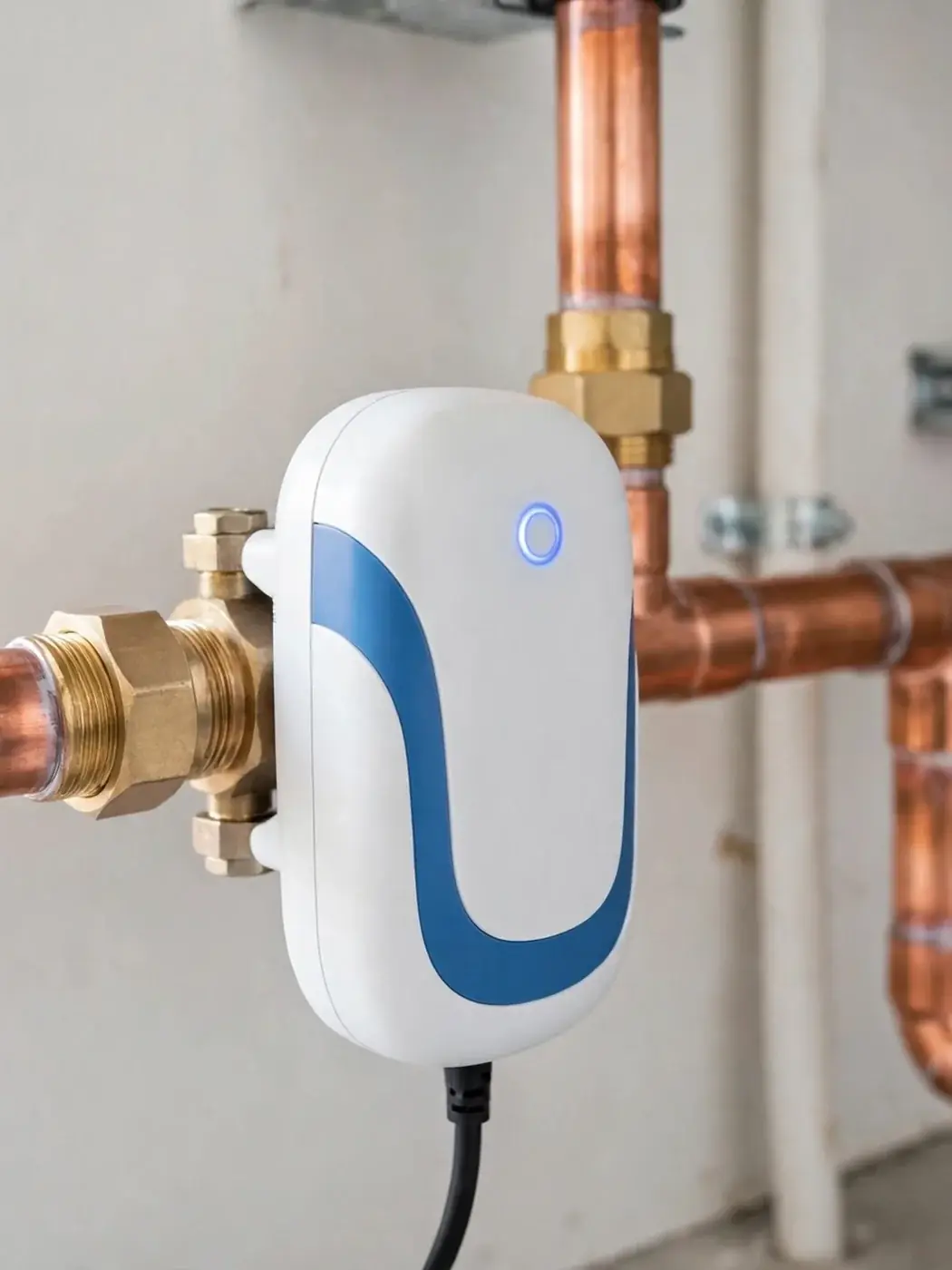
Many larger homes solve the wait with a recirculation system: a small pump that keeps hot water slowly moving through the lines, so hot water is always near each fixture. When it works, the wait nearly disappears. When it does not, the wait comes back and sometimes brings new symptoms.
A failed pump, a stuck check valve, or a timer set for the wrong hours can quietly disable the system. Worse, a crossover problem, where hot and cold lines mix through a faulty valve or fixture, can make the cold side run warm and the hot side take forever. If your home has a recirculation pump, check that it runs, feels warm, and is set for the hours you actually shower. A pump that runs constantly but delivers slow hot water is telling you something else is wrong.
A recirculation system also has a tell in the cold lines. If your cold water pours warm for the first seconds on a summer morning, hot water may be crossing into the cold side somewhere, and the same crossover that warms the cold line starves and delays the hot one. Mention that detail if you call for help. It is the kind of small observation that points a technician straight at a failed check valve or cartridge.
How Professionals Find the Hidden Causes
When the wait has changed, or when hot and cold seem to be mixing, professionals test rather than guess. They measure temperature and timing at several fixtures, check the heater condition and its fittings, and test for crossover at fixtures and valves. A crossover can come from a single handle faucet cartridge that has failed internally, which lets cold water push into the hot line and delay or dilute hot delivery across the house.
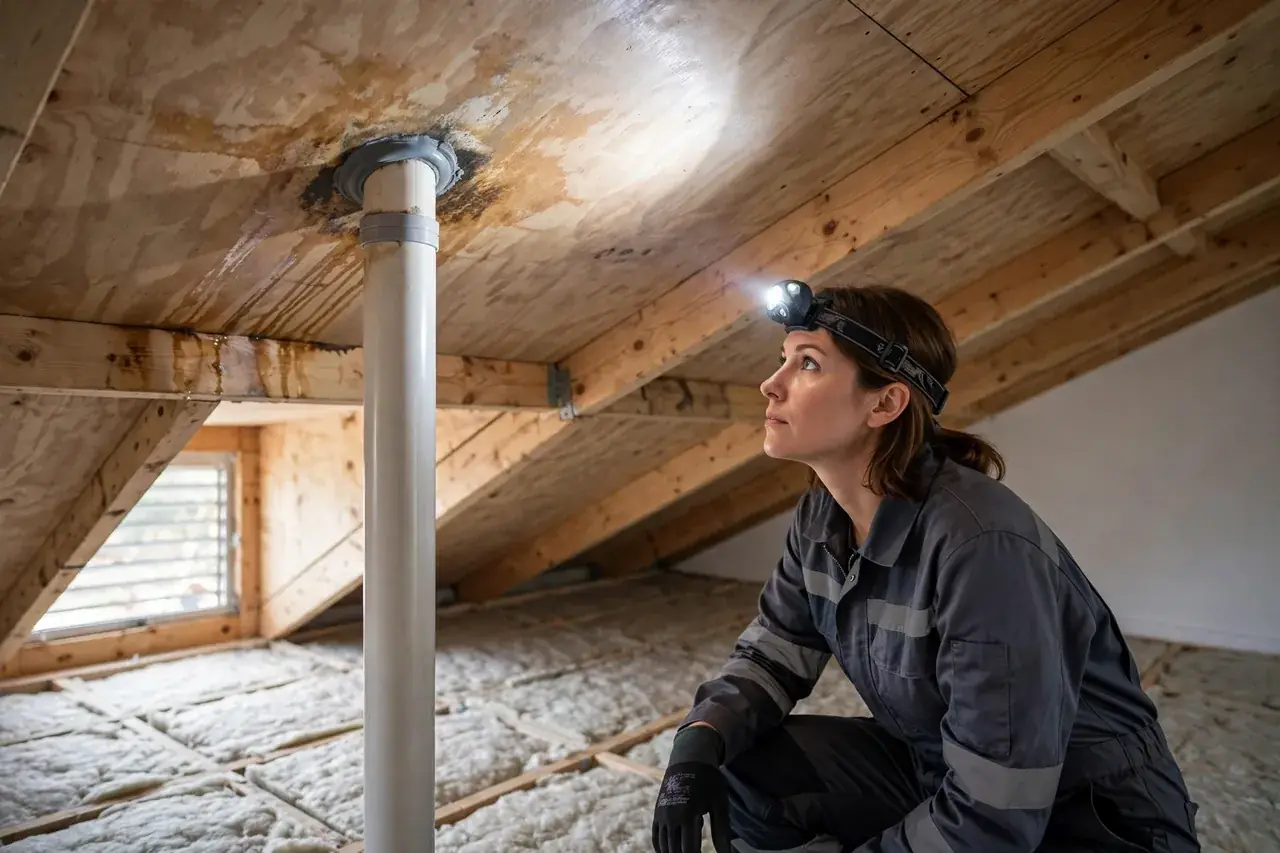
There is also a leak angle: a hot line that leaks under a slab or in a wall wastes heated water continuously and can stretch arrival times in the rooms beyond it, alongside clues like a warm floor spot or a heater that fires often. Thermal imaging finds those warm trails precisely, and acoustic tools confirm the spot. ProLine Leak Fix Pros checks these hidden causes in Lynnwood homes whenever a slow hot water complaint does not match simple distance.
Crossover faults are a favorite professional puzzle because the guilty part is often a single handle faucet or a shower cartridge nowhere near the complaining bathroom. The test is methodical: isolate fixtures, watch which isolation restores normal hot delivery, and the culprit reveals itself. It is slow, logical work, and it beats replacing a water heater that was never the problem, which happens more often than the industry likes to admit.

Fixes That Actually Shorten the Wait
Match the fix to the cause. Insulating the hot lines keeps standing water warmer between uses and speeds the second and third draws of the day. Servicing a sediment filled heater restores its recovery speed. Repairing or adding a recirculation pump, with a timer or smart control so it runs when you need it, is the direct cure for long pipe runs.
Point of use heaters at a distant bathroom are another honest option for some layouts. What does not help: turning the heater thermostat up to extreme levels. That adds scald risk and energy waste while the long pipe still delivers its slug of cool water first. If a crossover or leak is part of the picture, fixing that fault comes before any upgrade, because no pump can outrun water that is mixing or escaping where it should not.
Insulation deserves more credit than it gets. Bare hot lines running through a cold crawl space or attic surrender their heat between uses, so every draw starts colder and takes longer to satisfy. Foam sleeves on accessible runs are inexpensive, quick to fit, and they help every single day. Combined with a serviced heater and a working recirculation loop, they turn the morning wait from a grievance into a few seconds.
Conclusion: Measure the Wait, Then Fix the Cause
Slow hot water is physics plus condition. Distance sets the baseline wait, while sediment, dip tube failure, recirculation faults, crossover, and hidden leaks stretch it further. Timing each fixture and noting whether the water ever gets fully hot will tell you which story your house is telling.
If the wait has grown, the cold side runs warm, or your heater seems to work overtime, call ProLine Leak Fix Pros at (425) 380-0028. We will test the system, find the real cause, and explain your options in plain language.
Before you spend anything, time the wait at your slowest tap and at the tap nearest the heater, and write both numbers down. Those two figures describe your system better than any guess, and they give a technician a running start if you call one. Slow hot water is solvable in almost every home; it just has to be solved at the cause, not at the symptom.