In This Article
- Minutes 1 to 4: Start at the Water Meter
- Minutes 5 to 7: The Toilet Sweep
- Minutes 8 to 11: Under Every Sink and Behind the Laundry
- Minutes 12 to 13: The Water Heater Glance
- Minutes 14 to 15: Floors, Walls and Your Notes
- When the Check Finds Something: How Pros Pinpoint It
- Conclusion: Fifteen Minutes a Month, on the Calendar
Most serious water damage does not start with a burst pipe. It starts with a slow drip behind a toilet, a weeping valve under a sink, or a water heater valve that began seeping in March and got noticed in October. By the time a slow leak announces itself with a stain or a smell, it has usually been at work for months.
The defense is boring, cheap, and extremely effective: a short monthly check of the handful of places leaks love to start. Fifteen minutes, once a month, with a flashlight and your water meter. This guide lays out the exact routine, in order, with what to look for at each stop. Done monthly, it catches leaks while they are still small, dry, and simple, and it builds a feel for what normal looks like in your home, which makes abnormal stand out instantly.
Minutes 1 to 4: Start at the Water Meter
The meter is the only tool that can tell you about leaks you cannot see. Pick a moment when nobody will use water for the next stretch, ideally before everyone leaves for work or school. Find your meter, usually near the street or at the main shutoff, and note the reading or take a photo of the dial. Many meters also have a small leak indicator, a tiny dial or triangle that spins when water moves.
With all water off in the house, that indicator should be perfectly still. If it creeps, water is going somewhere. Recheck the reading after thirty minutes or more away from home: any change with zero use confirms a leak on the supply side. Write the result in a note on your phone with the date. A still meter month after month is your baseline, and the first month it moves, you have caught something early, long before a stain could tell you.
Minutes 5 to 7: The Toilet Sweep
Toilets are the most common hidden water wasters in a home, and each one takes under a minute. Lift the tank lid and listen. A toilet that hisses, runs briefly on its own, or trickles constantly has a fill valve or flapper problem. Look at the water in the bowl: a faint shimmer or movement on the surface means tank water is leaking past the flapper right now.
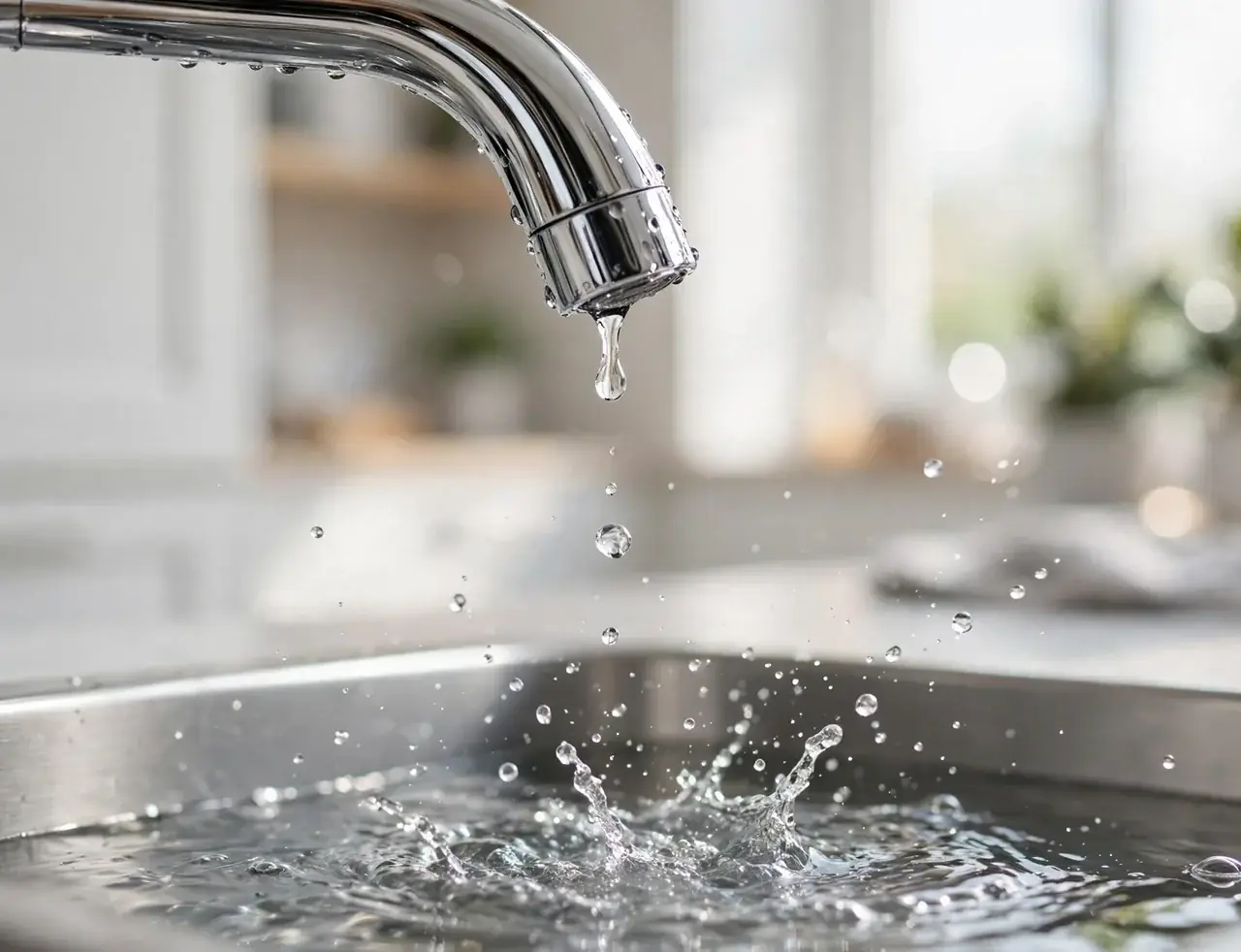
Then check the outside. Run a dry hand or tissue around the supply line connection, the base of the tank, and the floor at the base of the bowl. Everything should be bone dry. Give the bowl a gentle rock test with your hands: a toilet that shifts even slightly is working on its wax ring seal. Once a month, add a few drops of food coloring to one tank, rotating which toilet each month, and check the bowl twenty minutes later. Color in the bowl without flushing means that flapper is passing water around the clock.
Minutes 8 to 11: Under Every Sink and Behind the Laundry
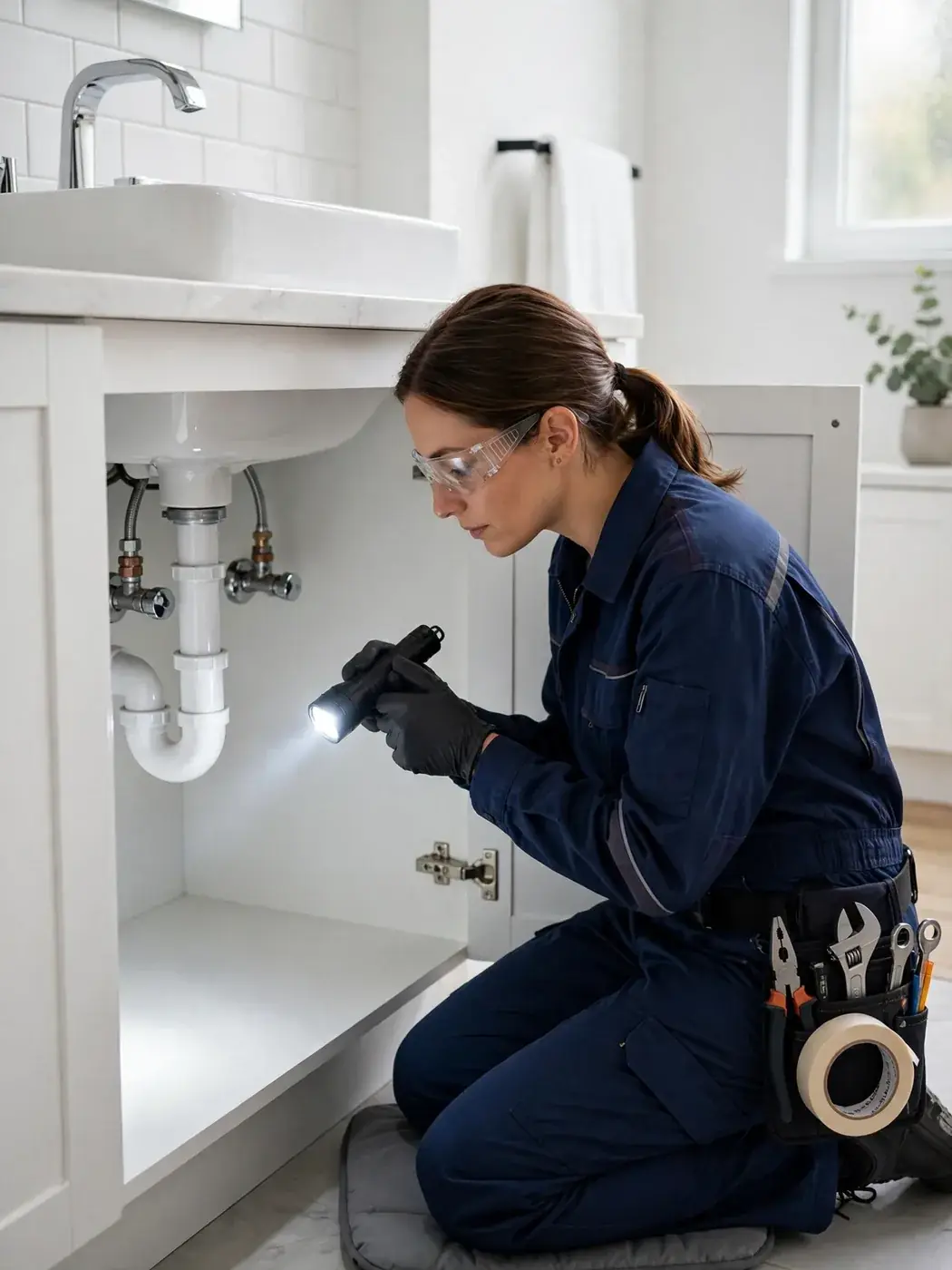
Open each sink cabinet, kitchen and bathrooms, move the bottles aside, and shine your light in. You are looking and feeling for three things: moisture on any pipe, valve, or the cabinet floor; green, white, or rust colored crust on fittings; and any new musty smell. Run the back of your hand along the trap and the supply lines, because your skin finds dampness your eyes miss in a dark cabinet.
While you are there, exercise each shutoff valve with a gentle quarter turn toward closed and back to open. Valves that move monthly almost never seize, and a valve that starts resisting tells you early. Finish this stop behind the washing machine if you can reach it: check the supply hoses for bulges or stiffness, and look at the wall and floor for staining. Laundry hoses live under the same constant pressure as toilet lines and deserve the same respect.
Minutes 12 to 13: The Water Heater Glance
Your water heater asks for only a glance, but the right glance. Look at the floor and the drain pan beneath it: both should be dry. Check the temperature and pressure relief valve pipe, which runs down the side of the tank. That pipe should be dry at its open end; drips there mean the valve is weeping or the tank pressure is running high, and either deserves attention.
Look over the supply connections on top of the tank for corrosion or crust, and scan the tank body itself for rust streaks, bubbling, or damp patches, especially near the base. Listen for new sounds too: a heater that rumbles or pops more than it used to is often cooking sediment, which shortens its life. In many Lynnwood homes the heater sits in a garage corner or closet where a slow pan leak can run unnoticed for a season, which is exactly why it earns two minutes of your routine.
Minutes 14 to 15: Floors, Walls and Your Notes
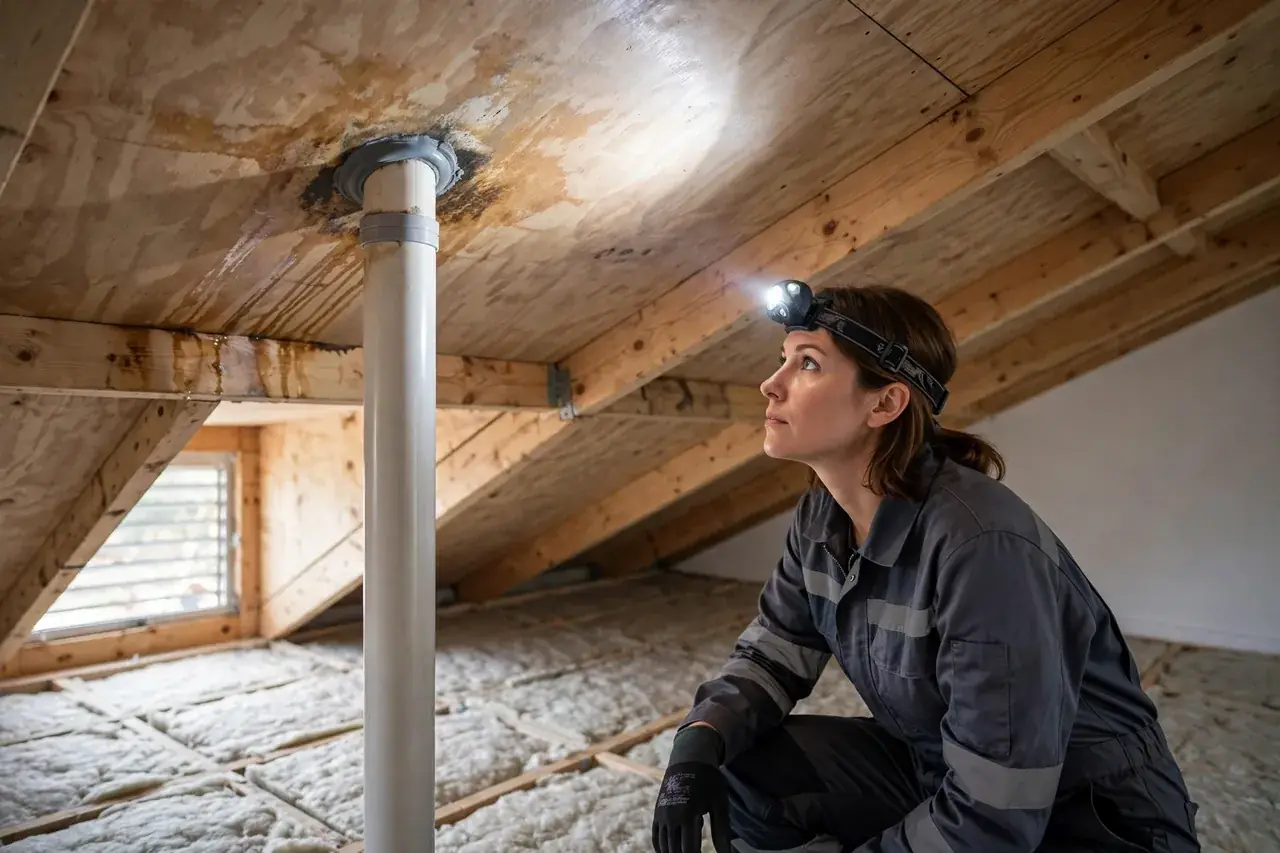
Finish with a slow walk. Look at the ceilings below bathrooms for new stains or paint bubbles. Press a hand to the floor beside tubs and showers for softness or lifting. Sniff near floor level in bathrooms and the laundry for mustiness that cleaning does not remove. Check any floor that has felt strangely warm in one spot, which can hint at a hot water line leaking below.
- Meter: still, or moving?
- Toilets: silent, dry, and firm?
- Cabinets: dry pipes, moving valves?
- Heater: dry pan, dry relief pipe?
- Floors and ceilings: any new stain, softness, or smell?
Log the date and anything you noticed, even if the note just says all dry. Three months of notes turn a vague worry into evidence, and they make any later professional visit faster and sharper.
Do not skip the small appliances on this walk. The refrigerator water line, if your home has one, is a thin tube that runs across or under the kitchen floor to the ice maker, and its connections behind the fridge can weep for months onto a floor nobody moves the fridge to check. Slide a dry paper towel under the front edge of the fridge and check it the next morning. The dishwasher earns the same trick: a towel at its front base overnight will confess to a slow door or supply leak by morning. These two appliances account for a quiet share of kitchen floor damage, precisely because they sit in place for years and their leaks spread under cabinets where eyes never go.
When the Check Finds Something: How Pros Pinpoint It
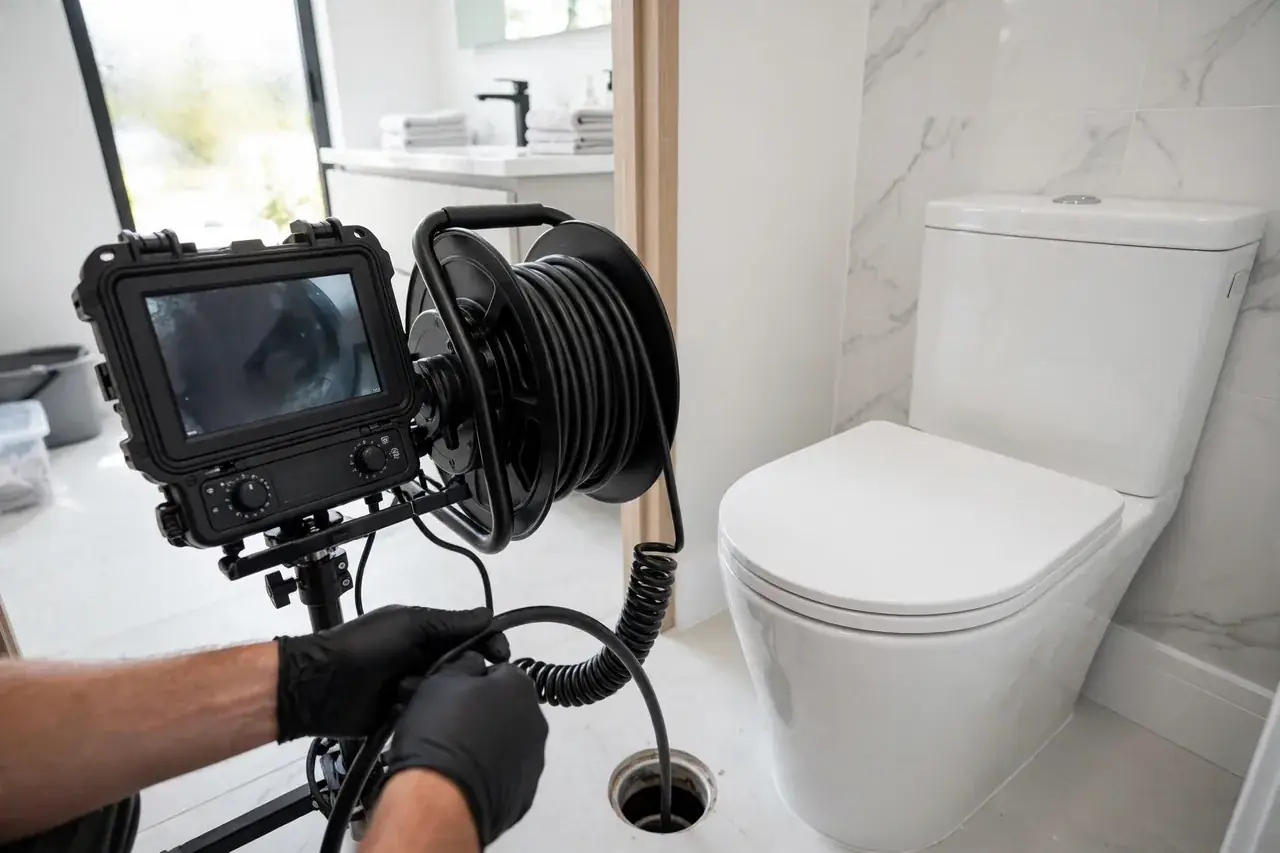
A good routine sometimes ends with a question instead of an answer: the meter creeps, but every visible fixture is dry. That gap is where professional detection starts. A specialist isolates sections of the plumbing by closing valves and rechecking the meter, narrowing the leak to one branch of the house. Acoustic listening then follows the sound of escaping water along pipes, and thermal imaging shows the cool or warm trail of moisture inside walls and floors.
ProLine Leak Fix Pros runs exactly this sequence for Lynnwood and Snohomish County homeowners whose monthly check raises a flag. Because you arrive with notes, dates, and a meter observation, the search starts halfway done. That is the real return on fifteen minutes a month: not just catching leaks early, but making them cheap and quick to confirm when you do.
Conclusion: Fifteen Minutes a Month, on the Calendar
The routine works because leaks start small and stay in predictable places. Meter first for the invisible, toilets and cabinets for the usual suspects, the water heater for a two minute glance, and a slow walk for the damage signs. Attach it to something you already do monthly, like paying a bill, so it actually happens.
And when a check turns up a moving meter or a damp mystery, call ProLine Leak Fix Pros at (425) 380-0028. We will take your fifteen minutes of good detective work and finish the job of finding the source.