In This Article
You open the cabinet under the kitchen sink to grab a sponge and find a dark, damp patch spreading across the floor of the cabinet. Maybe there is a sour smell, a warped board, or a small puddle that keeps coming back no matter how often you wipe it up. Under-sink leaks are sneaky because the space is crowded, dark, and full of stored bottles that hide the early signs.
The tricky part is that at least four different water systems meet in that small cabinet: the hot and cold supply lines, the drain and trap, the garbage disposal, and often the dishwasher hose. Water from any one of them can drip, run along a pipe, and pool in the same low spot, which makes the true source hard to guess. This guide shows you how to dry the cabinet out and test each system one at a time, so you find the real culprit instead of fixing the wrong part.
Four Suspects Share One Small Cabinet
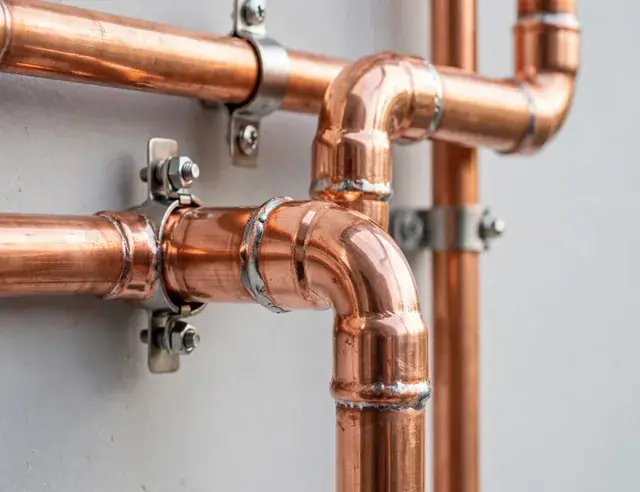
Start by knowing what you are looking at. The supply side brings pressurized water in through two angle stop valves, usually one hot and one cold, with braided or rigid lines running up to the faucet. Because this water is under pressure all day and all night, a supply leak drips steadily, even when nobody is using the sink.
The drain side only carries water when the sink is used. It includes the sink strainer, the tailpiece, the curved P-trap, and the pipe into the wall. A drain leak appears while water runs or right after, then stops. The garbage disposal sits between the two worlds, connected to the drain below and often to the dishwasher hose on its side. Finally, the dishwasher supply and drain hoses pass through the cabinet, and they only move water when the dishwasher runs. Timing is your best clue: when the water appears tells you which family of parts to suspect.
The Dry Cabinet Test, Step by Step
Guessing rarely works under a sink. This simple sequence separates the suspects in about twenty minutes:
- Empty and dry everything. Remove stored items, wipe every pipe and the cabinet floor completely dry, and lay down dry paper towels or a sheet of plain paper.
- Watch the supply side first. With the sink unused, wait ten minutes and run a dry fingertip or tissue around each valve, fitting, and supply line. Any fresh moisture with no water running points to the pressurized supply side.
- Run the tap into a bowl test. Fill the sink partway, then let it drain while you watch the strainer, tailpiece, and trap with a flashlight. Drips that start only now belong to the drain side.
- Test the disposal. Run cold water and switch the disposal on briefly. Check its body, the mounting ring, and the dishwasher hose connection on its side.
- Run the dishwasher. Start a short cycle and watch the supply connection and drain hose. A leak that appears only during a cycle belongs there.
Note exactly where the first drop forms, not where the puddle ends up. Water follows gravity and pipe surfaces, so a drip at the back of the cabinet may start at a fitting several inches away.
Clues That Point to the Supply Lines or Faucet Base
A supply leak is the one that never sleeps. If the cabinet floor is wet in the morning before anyone has used the kitchen, suspect a valve packing nut, a loose compression fitting, or a tired braided supply line. Look for green or white crusty buildup around copper fittings, rust on steel parts, and water that beads on the underside of a hose.
The faucet itself can also send water downward. A worn cartridge or loose faucet base lets water splash or seep on the countertop and run down through the mounting holes, so the cabinet gets wet even though every pipe below is sound. Dry the countertop edge and the faucet base, run the tap, and watch whether moisture appears on top first. In older Lynnwood homes, original angle stop valves that have not been turned in years are a common weak point, because their internal seals dry out and weep once disturbed.
One more habit sharpens your results: repeat the inspection at two different times of day. A supply fitting that stays dry while the house is quiet may weep when morning showers and the dishwasher drop and restore pressure across the system. Likewise, a trap joint that holds for a quick hand wash may open slightly under the heat of a sink full of hot dish water, because warmth expands and shifts the parts. Checking after a normal evening of cooking and washing up shows you the cabinet under real working conditions, not showroom conditions. If a fitting shows moisture only sometimes, note when. Intermittent leaks are still leaks, and the pattern of when they appear is exactly the information that separates a valve seal from a drain joint.
Clues That Point to the Drain, Trap or Disposal
Drain leaks follow use. The classic sign is a drip that starts a minute after you run the tap or drain a full sink. Slip joint nuts on the trap can loosen over time, especially after the trap has been removed for a clog and put back by hand. The sink strainer flange can also lose its seal, letting water sneak under the sink bowl and down the outside of the tailpiece.
Disposals add their own failure points. The splash guard and mounting assembly can leak at the top, the body can corrode through at the bottom after years of service, and the dishwasher inlet hose can loosen. A disposal that leaks only while it grinds usually has a seal or body problem, not a pipe problem. Feel the bottom of the unit with a dry hand: wetness there, with dry pipes around it, tells its own story.
How Professionals Confirm the True Source
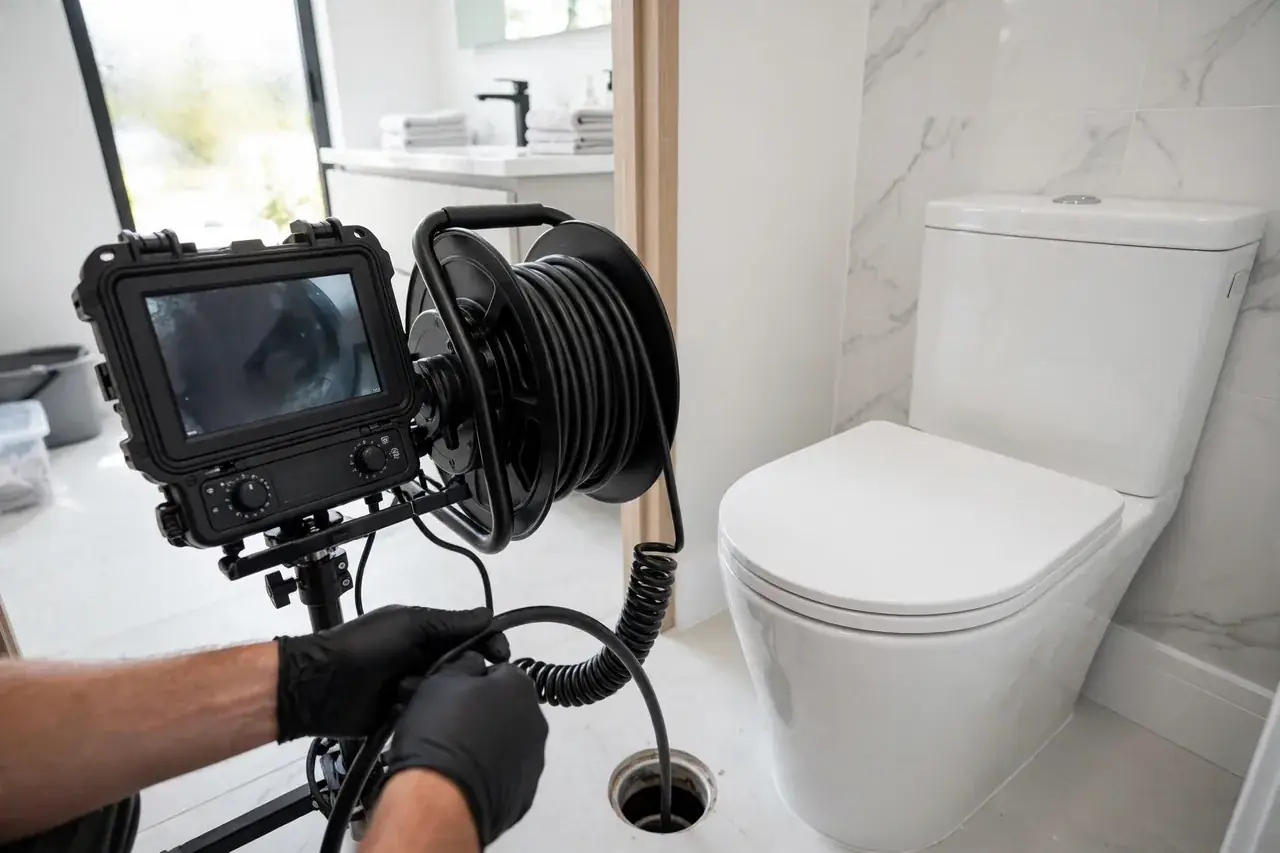
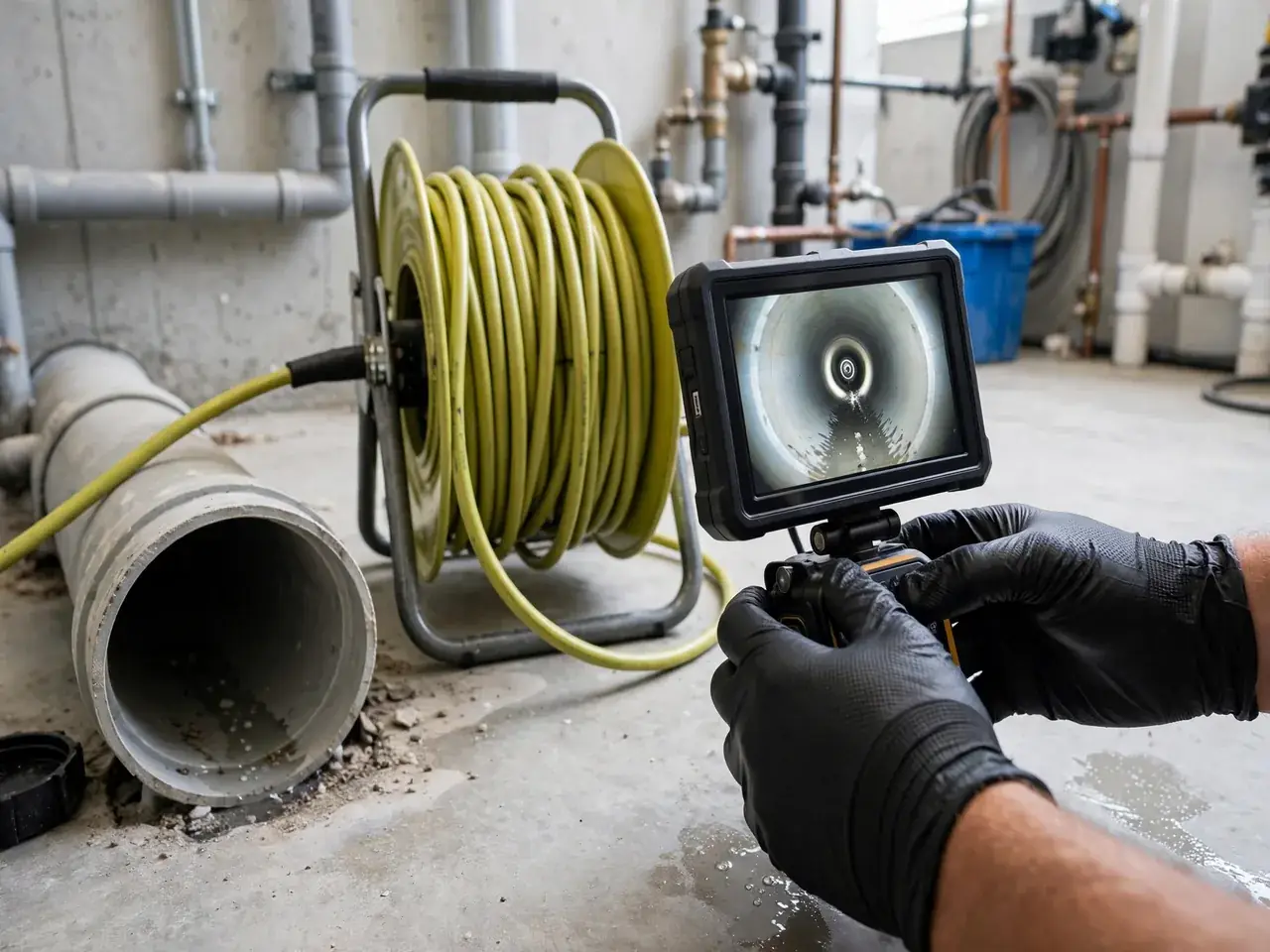
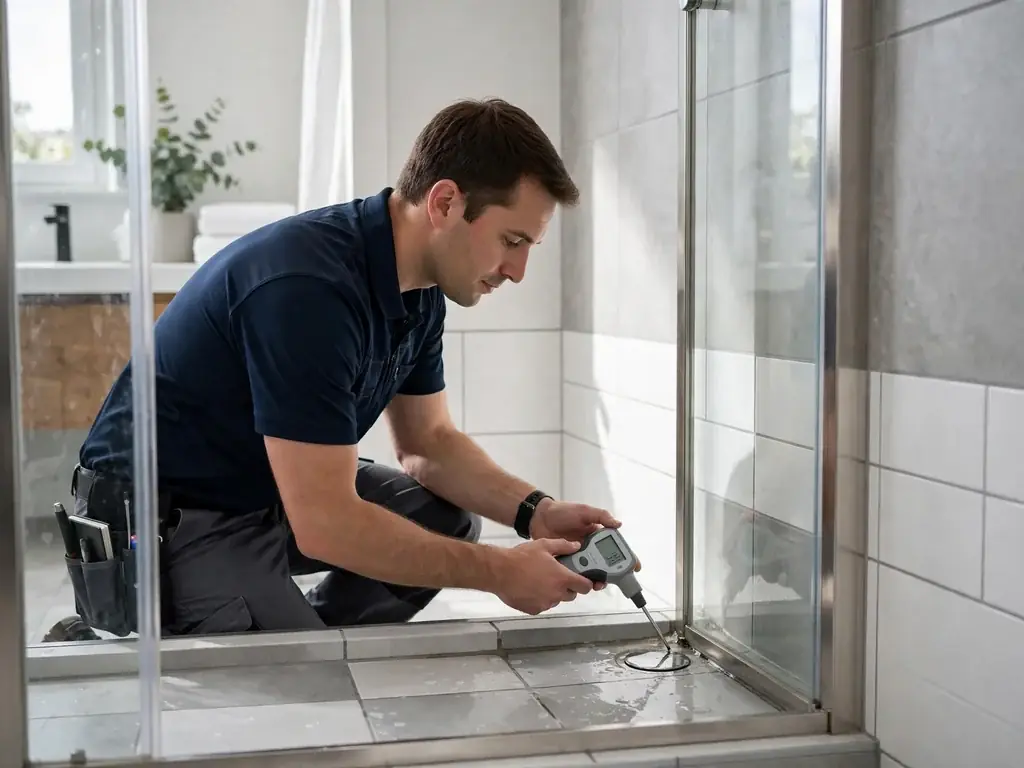
When home tests narrow the leak to one area but cannot name the exact part, professionals combine simple pressure logic with detection tools. A pressure test on the supply side confirms whether pressurized lines are losing water even when the drip is too slow to see. Moisture meters map how far the cabinet floor and the wall behind it have absorbed water, which shows how long the leak has been active.
For leaks that travel beyond the cabinet into walls or the floor below, ProLine Leak Fix Pros uses acoustic leak detection and thermal imaging to follow the water back to its starting point without opening anything. That matters because replacing a trap when the real fault is a pinhole in a supply line inside the wall only buys a short pause. Confirming the source first means the repair happens once, in the right place.
Conclusion: Dry, Test, Then Fix the Right Part
A leak under the kitchen sink is a small mystery with a short list of suspects. Dry the whole cabinet, then let timing do the detective work: constant drips mean supply, use-linked drips mean drain, and cycle-linked water means the dishwasher or disposal. Once you know the family, the exact fitting usually reveals itself with a flashlight and a dry tissue.
If the water keeps coming from somewhere you cannot see, or the cabinet and floor already show damage, call ProLine Leak Fix Pros at (425) 380-0028. We serve Lynnwood and Snohomish County around the clock, and we will find the true source before anyone starts swapping parts.