In This Article
You open a tap and the wall answers with a low hum. Or you close a faucet and the pipes shudder for a second like something small ran into them. Humming and vibrating pipes are common, and they are rarely just a quirk. Moving water carries energy, and when pressure, flow, or loose mounting lets that energy shake the pipe, you hear the result as a hum, a buzz, or a bang.
The details of the sound are the diagnosis. When it happens, where it is loudest, and whether it is new all narrow the cause. This guide walks through the main suspects: high water pressure, loose pipe straps, water hammer, and valves that are starting to fail, plus how professionals track a vibration to its source when the cause refuses to show itself.
High Water Pressure: The Most Common Hum
Water pushed through a pipe at high pressure moves fast, and fast water is noisy water. When pressure in a home climbs too high, flow through partly open valves and tight bends starts to sing. The hum often appears at one fixture first, usually a toilet fill valve or a faucet that is barely open, because small openings plus high pressure make the loudest vibration.
Pressure also rises at night, when neighborhood demand falls and street pressure climbs. That is why some pipes only hum after midnight. A simple pressure gauge on an outdoor spigot tells the truth in a minute. If readings are high, a pressure regulator that has failed or was never installed is the likely story, and fixing it protects far more than your ears: high pressure shortens the life of valves, hoses, and water heaters, and it makes any small leak run much harder.
A pressure gauge is one of the cheapest diagnostic tools a homeowner can own, and it screws onto a hose bib in seconds. Take two readings: one in the middle of the day and one late at night. If the night reading climbs well above the day one, you have learned something important about your street supply and your regulator, and you have a concrete number to hand a technician instead of a description of a noise.
Loose Straps and Pipes That Can Move
Pipes are meant to be held firmly to the framing with straps and hangers. When a strap loosens, breaks, or was never fitted, the pipe can move a fraction with every change in flow. That movement becomes vibration, and the wall or floor it touches becomes a sounding board that makes a small shake sound much bigger.
The pattern gives it away. Loose pipe vibration usually ties to one fixture or one run, and the sound is loudest in one room or one wall. It often starts right when a tap opens and stops the moment it closes. In a crawl space or basement, you can sometimes see the pipe tremble while a helper runs the fixture above. Securing the pipe is a simple fix, but finding the exact loose section inside a finished wall is the part that takes detective work.
Crawl spaces and unfinished basements are the friendly places to hunt a loose pipe, because you can see the run and touch it. Have a helper cycle the noisy fixture while you watch and listen below. The section that jumps or trembles at the same moment is your culprit, and it often sits near a strap that has pulled loose from the joist. Mark it with tape before you climb out; pipes all look alike once you leave.
Water Hammer and Valves That Are Failing
Two more causes round out the usual list:
- Water hammer: a sharp bang or shudder when a valve closes fast, caused by moving water stopping suddenly and sending a pressure wave back through the pipe
- A failing toilet fill valve: a worn valve can chatter and hum for the whole refill cycle, and the sound travels through the lines into other rooms
- A worn faucet cartridge or loose washer: an old washer can flutter in the flow and buzz at certain handle positions
- The pressure regulator itself: a dying regulator can moan or hum, especially at low flow, as its spring and diaphragm struggle
Note whether the noise follows one fixture or the whole house. One fixture means a local part. Every fixture means pressure or the regulator, upstream of them all.
Water hammer deserves respect beyond the noise. Each bang is a pressure spike traveling through the system, flexing joints and stressing valve seals a little. Over months and years, that stress shows up as weeping joints and early failures, often far from the bang itself. Arrestors, which are small air chamber devices fitted near fast closing valves, absorb the spike. If your bangs began when a new appliance arrived, its quick closing valve is the likely trigger.
How Professionals Trace a Hum to Its Source
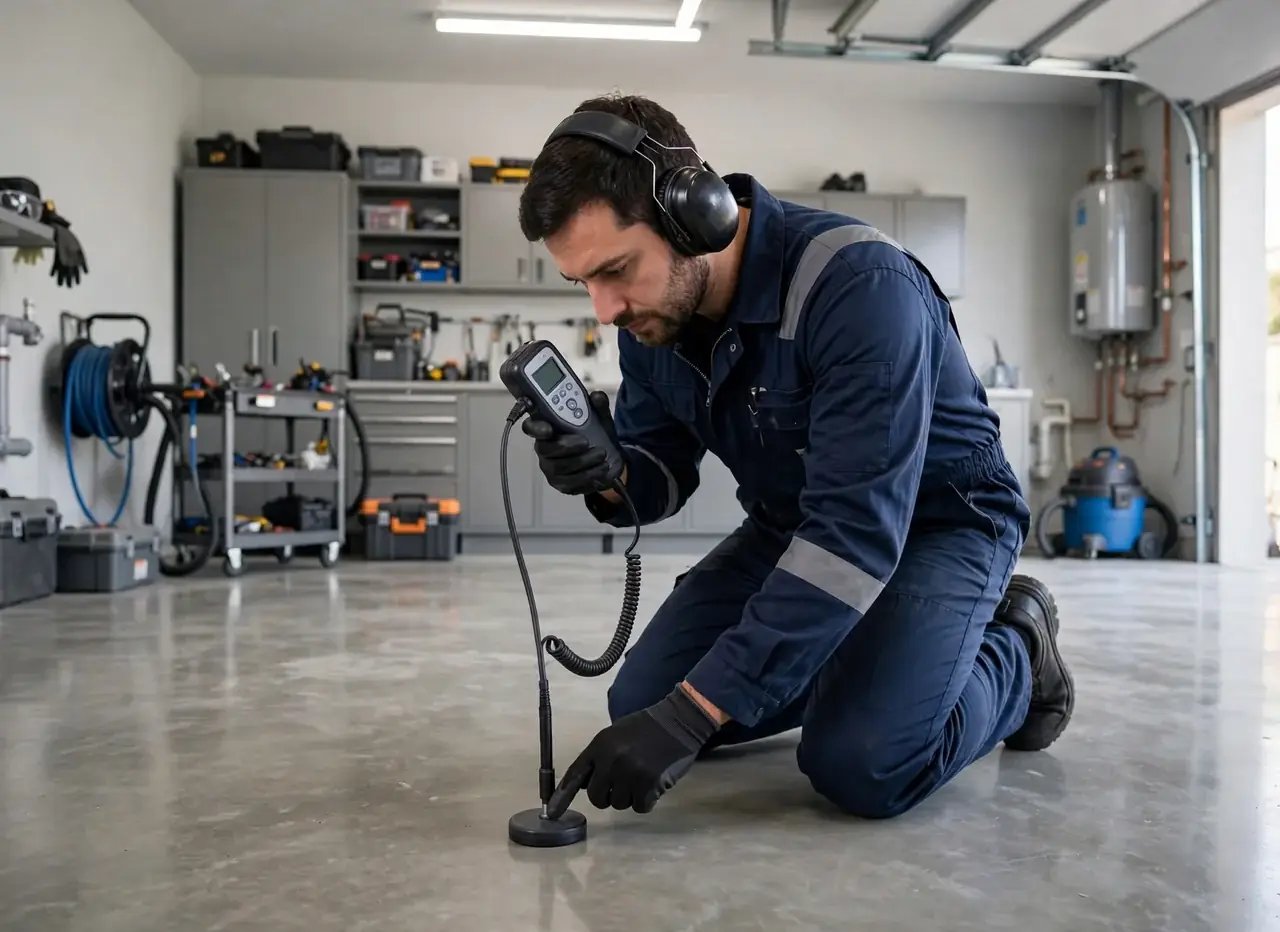
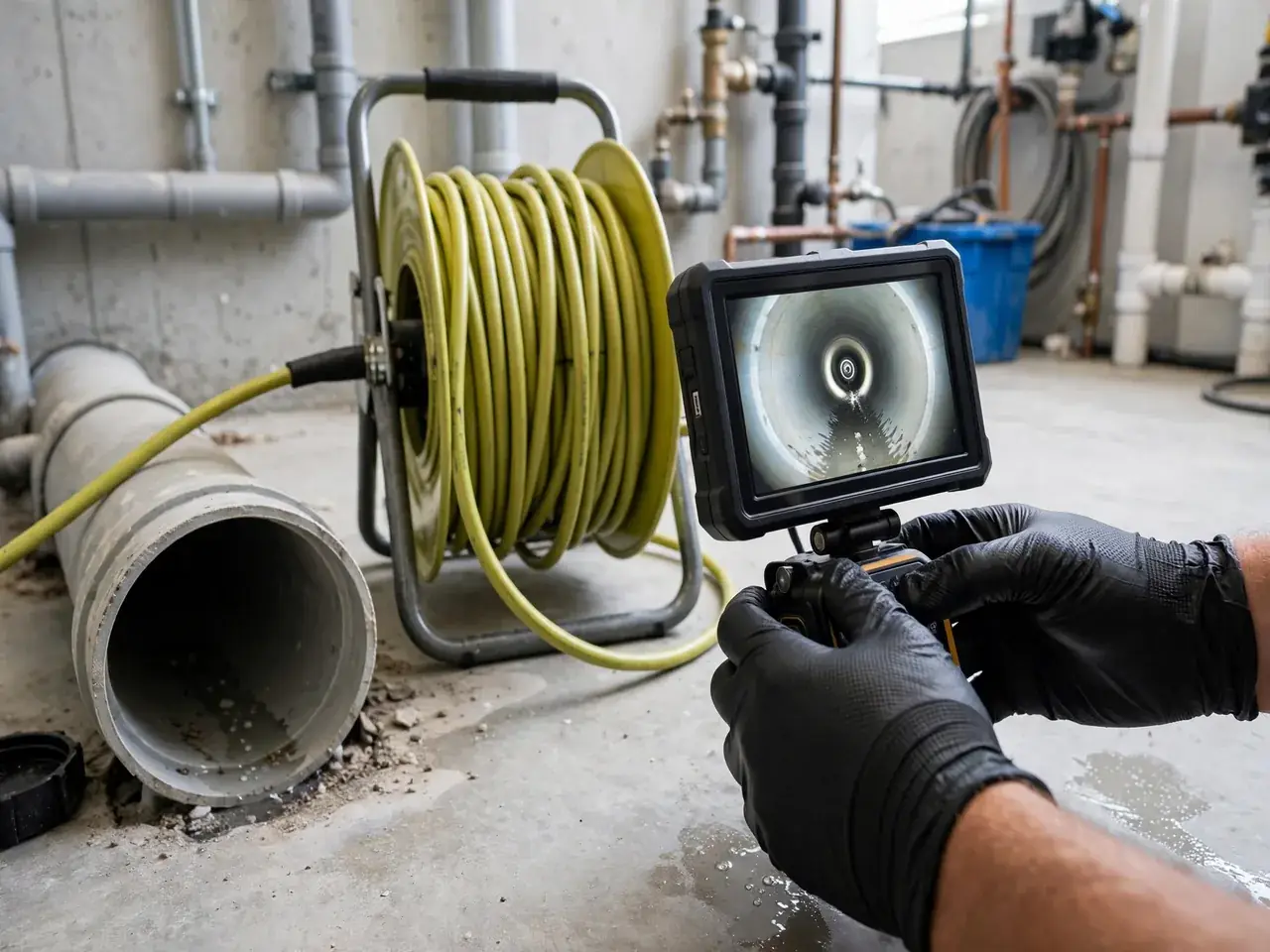
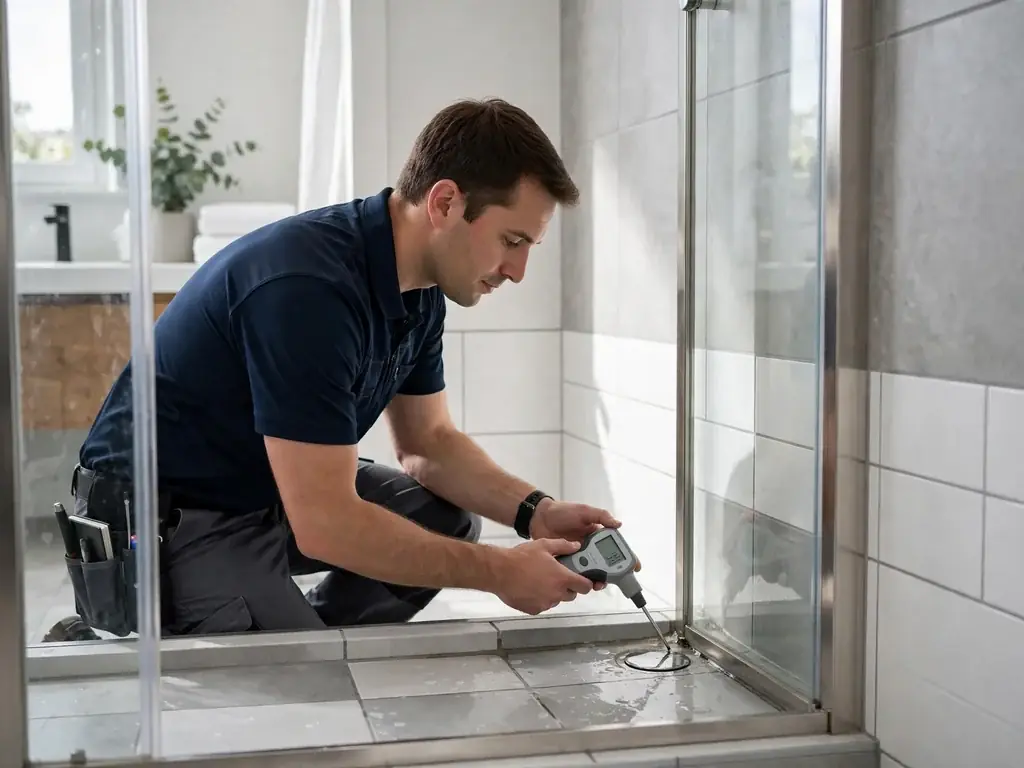
Sound travels through pipes and framing in misleading ways, so pros test instead of trusting the loudest wall. They measure pressure first, at rest and while fixtures run. They isolate fixtures one at a time with shutoff valves to see which one starts or stops the noise. And they listen with acoustic equipment, the same sensitive gear used in leak detection, which can follow a vibration along a pipe run to the exact fitting or valve producing it.
That last step matters because a hum and a leak can live together. A pinhole leak changes flow and pressure behavior, and escaping water makes its own sound that trained ears and sensors can separate from ordinary pipe noise. ProLine Leak Fix Pros uses acoustic listening across Lynnwood and Snohomish County to tell the difference, so a noisy pipe gets the right fix the first time instead of three wrong ones.
Isolating the noise overnight is another professional habit worth copying. If the hum happens while the house sleeps, closing the main valve for one night tells you whether the source is inside your system or arriving from the street. A hum that continues with your main closed is not yours to fix, and that single test can save a homeowner from paying to chase a sound that belongs to the supply side.
When a Hum Deserves Fast Attention
Most humming pipes are a pressure or mounting problem, annoying but not urgent. Some deserve a faster response. Act promptly if the noise is new and arrived with a pressure change at your faucets, if pipes bang hard enough to shake fittings, or if the vibration comes with any sign of moisture. Hard water hammer is not just loud: repeated pressure waves loosen joints over time and can start the very leaks you want to avoid.
Also take it seriously if the hum never stops, even with every fixture off. Continuous vibration with no water in use can mean water is moving somewhere it should not be. Run the meter test: if the dial moves while the house is quiet, the hum has a companion leak, and finding it early is far cheaper than finding it late.
Also listen for change. A pipe that has hummed the same gentle note for five years is reporting a stable condition. A hum that changes pitch, grows louder over weeks, or moves to a new room is reporting a developing one: a regulator giving up, a valve wearing out, or pressure creeping upward. Plumbing sounds are a language, and change is the word that matters most in it.
Conclusion: The Sound Is a Clue, Not Just a Nuisance
Humming and vibrating pipes follow a short list of causes: high pressure, loose mounting, water hammer, and tired valves. The timing, pitch, and location of the sound, plus one pressure reading, sort most cases quickly. Fixing the cause quiets the house and protects the plumbing at the same time.
If the noise is constant, new, or paired with pressure changes or a moving meter, call ProLine Leak Fix Pros at (425) 380-0028. We will measure the pressure, trace the sound to its source, and tell you plainly what it needs.
Before you call anyone, gather three facts: when the sound happens, which fixtures trigger it, and a pressure reading if you can get one. With those in hand, a technician can often name the likely cause before arriving. And if the sound turns out to involve a hidden leak, you will have caught it at the stage where detection is quick and the repair is still small.