In This Article
The power is back, the lights work, and the house feels normal again. Under the floors and behind the walls, though, an outage leaves plumbing problems behind: sump pumps that sat idle while water rose, well systems full of air, and water heaters stressed by pressure swings.
This guide covers what outages do to sumps, wells, pressure tanks, and heaters, gives you a check list for the moment power returns, and explains how professionals confirm the slow leaks an outage can start.
Sump Pumps: The Outage Risk Nobody Sees
A sump pump only matters when it runs, and an outage switches it off exactly when storms often bring the water. If your Lynnwood home has a sump pit in a basement or crawl space, check it as soon as power returns. Look for a high water line in the pit, damp floors nearby, or a pump that hums without moving water.
Test the pump by lifting its float or pouring in water until it cycles. A pump that sat submerged, ran dry, or strained against a full pit during the outage may work today and fail next week, so note any new noises, slow drainage, or tripped breakers. If the pit overflowed, dry the area quickly and watch the floor edges for moisture that wicked into walls.
Freezers and refrigerators join the plumbing story during long outages too. Ice maker lines and water dispensers sit idle, then cycle hard when power returns, and a line loosened by a previous small freeze or by the appliance being moved for cleaning may start dripping behind the fridge. Pull it out gently after a long outage if you can, and check the floor and the line connection before pushing it back.
Well Pumps and Pressure Tanks Lose Their Rhythm
Homes on well systems feel outages differently. When power dies, the well pump stops and the pressure tank drains down to nothing. When power returns, the pump refills the tank, but air pockets, stirred sediment, and a waterlogged pressure tank can leave taps sputtering and pressure swinging between weak and strong.
After an outage, run an outside tap or bathtub first to clear air and cloudy water before using smaller fixtures. Watch the pressure gauge behavior if you have one: rapid cycling on and off suggests the tank has lost its air charge. Cloudy water that clears is usually harmless air and sediment, but pressure that never stabilizes, or a pump that runs without stopping, deserves a closer look the same day.
Breakers and controls add confusion. A well pump or sump pump that seems dead after an outage may simply sit on a tripped breaker or a control that needs resetting, while a pump that runs constantly may have lost prime or pressure. Work through power, then controls, then plumbing, in that order. Jumping straight to leak conclusions while a breaker sits tripped wastes everyone's time.
Water Heaters and the Pressure Surge on Return
Electric water heaters face two outage risks. During a long outage the tank cools, and if water was used, cold water and air enter the system. When heating resumes, expanding water raises pressure, and a tired temperature and pressure relief valve may drip or fail to reseat, leaving a slow leak at the discharge pipe.
Check around the heater once power and water are back: look for dripping at the relief valve pipe, moisture at supply connections, and error signs like no hot water at all. Never run an electric heater that may be empty, since heating a dry tank damages it fast. If you suspect the tank drained during the outage, treat it carefully and get help before restoring full use.
Hot water can also arrive discolored after an outage, as sediment stirred in the tank works its way out. Brown or cloudy hot water that clears after a short run is common and usually harmless. Hot water that stays discolored, smells unusual, or comes with dripping at the heater connections deserves the same careful inspection as any other heater warning sign.
Your Check List for When Power Comes Back
Work through the house once, in this order:
- Sump pit: confirm the pump cycles and the pit level drops.
- First tap: run a bathtub or outside tap to clear air and sediment, then check other taps.
- Water heater: inspect for drips at the relief valve and connections, and confirm hot water returns normally.
- Toilets and appliances: listen for constant refilling, and check behind the washing machine and dishwasher for new moisture.
- Meter or pressure: with everything off, confirm the meter holds still and well pressure stays steady.
Any item that fails its check is a clue, not a catastrophe, as long as you catch it in this first pass instead of weeks later.
Write down what you found in this pass, even if everything checked out. A note that the sump cycled normally, the meter held still, and the heater stayed dry, dated on the day power returned, becomes your baseline. If a slow problem surfaces two weeks later, that baseline helps show when it started, which matters for both detection and any insurance conversation.

How Professionals Confirm Outage Related Leaks
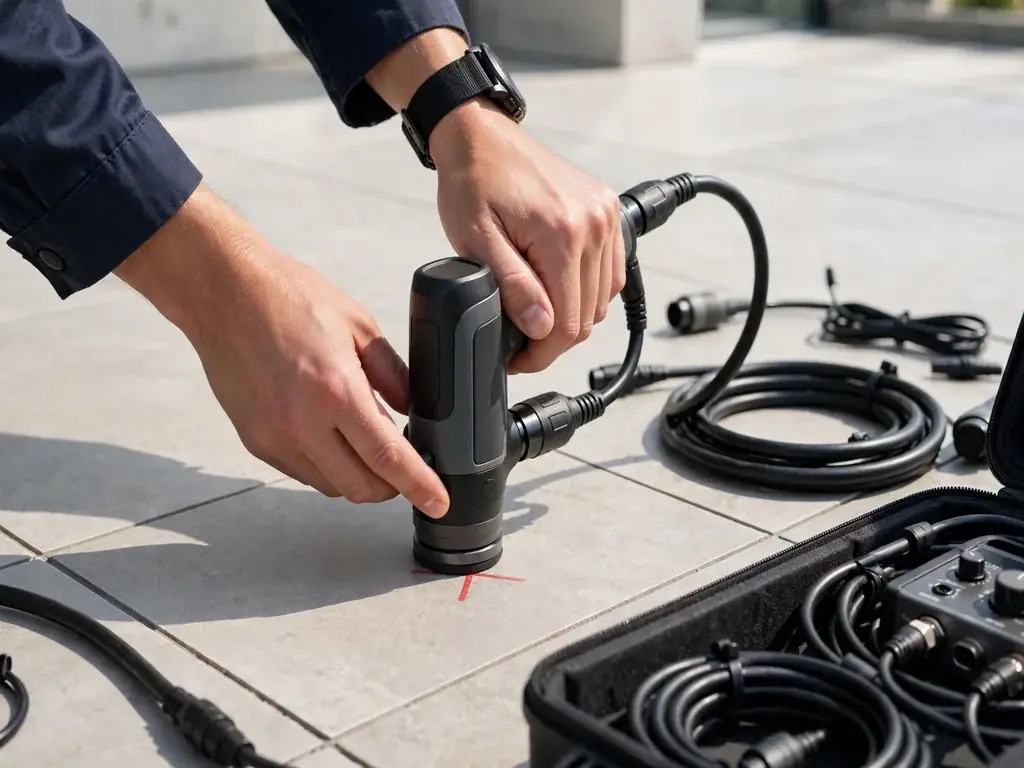
Some outage damage hides. A relief valve that weeps only at full temperature, a supply joint stressed by pressure surge, or a slab line cracked by a pump running dry may leak slowly and out of sight. Professionals pressure test the supply system to prove it holds, then use acoustic listening and thermal imaging to locate any section that does not.
Across Snohomish County, storm outages often pair with heavy rain, which makes it easy to blame every wet spot on the weather. Detection separates rain water from plumbing water with moisture mapping and line testing, so drying and repair target the true source. ProLine Leak Fix Pros documents the findings, which also helps if you need records for insurance.
Detection after an outage also checks the places the surge stressed hardest: the main entry, the pressure regulator, heater connections, and any line that ran dry. A system can pass a casual look and still fail a proper pressure test by a small, steady amount that points to one weak joint. Finding that joint while it seeps beats finding it after it soaks a wall cavity.
Conclusion: Give Plumbing Its Own Power Return Check
After an outage, most people check the fridge and the clocks. Add plumbing to that list: the sump pump, the well and pressure tank if you have them, the water heater, and one meter check with everything off. Ten minutes of checking catches the failures that outages leave behind.
If pressure will not settle, the meter creeps, or moisture appears near the heater or walls, call ProLine Leak Fix Pros at (425) 380-0028. We are available around the clock and will pinpoint the problem so a rough night does not turn into a long repair.
Consider simple protection before the next outage. A battery backup for the sump pump, a surge protector for well controls where recommended, and a habit of shutting the main valve when leaving during storm season all reduce the plumbing cost of lost power. None of it replaces the return check, but together they turn the next outage into an inconvenience instead of a repair.