In This Article
The shaking stopped, the dishes survived, and nothing in the house looks broken. Plumbing damage after an earthquake is rarely that polite. Joints crack, heaters shift, and buried lines split quietly, leaking for days or weeks before the first stain appears.
This guide gives Lynnwood homeowners a methodical post quake check: safety first, a room by room inspection, the hidden signs to watch over the next two weeks, the overnight meter test, and how professionals confirm damage you cannot see.
In the First Hours: Safety and the Shutoff
Start with safety, not wrenches. If you smell gas, hear hissing near a gas appliance, or see major damage, leave the home and contact emergency services or your gas utility from outside. For water, know that quakes can break lines in walls, crawl spaces, and under slabs all at once, so walk the home once with a flashlight before assuming all is well.
Check your main water shutoff and make sure it still turns. If you find active spraying, pooling, or a meter spinning with everything off, close the main valve and keep it closed until the damage is found. If everything looks dry, leave the water on but stay alert: many quake leaks begin as slow seeps that take days to show at the surface.
Do not forget the appliances during this first pass. Washing machine hoses, dishwasher supply lines, refrigerator ice maker lines, and water softener connections all take the same shaking as the pipes. A hose that was near the end of its life may start seeping at its fitting after a quake. Run each appliance once while you can watch its connections, rather than discovering the seep after a full load.
A Room by Room Plumbing Check
Work through the house in a fixed order so nothing is skipped:

- Water heater: look for shifted position, strained supply lines, dripping at connections, and water in the pan. A heater that moved needs its lines checked before normal use.
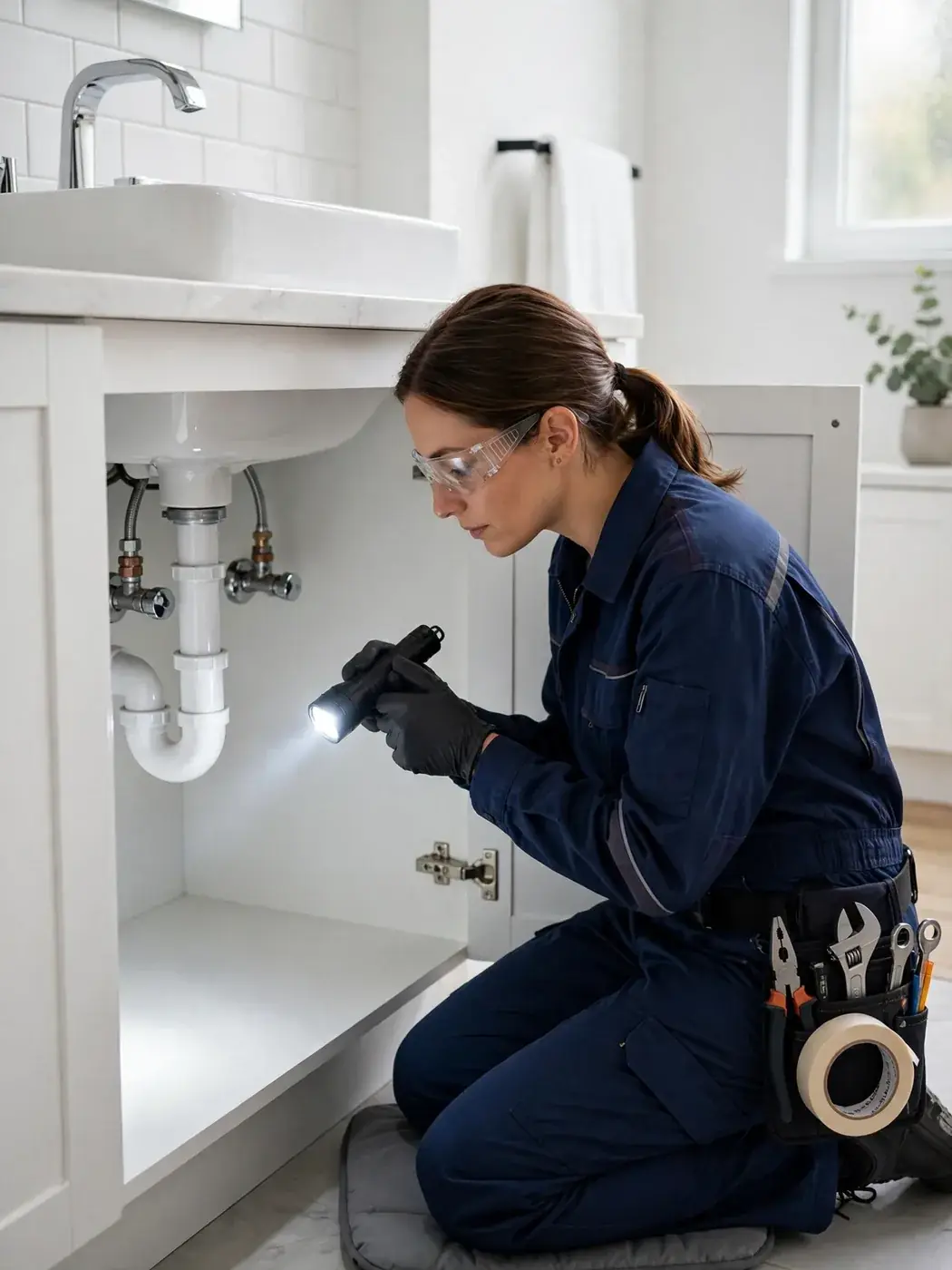
- Under every sink: run each tap, feel supply lines and drain joints, and look for new drips or damp cabinet floors.
- Toilets and tubs: check bases for rocking or new moisture, and listen for refilling that never settles.
- Crawl space or basement: scan pipe runs for drips, spraying mist, or wet soil below lines.
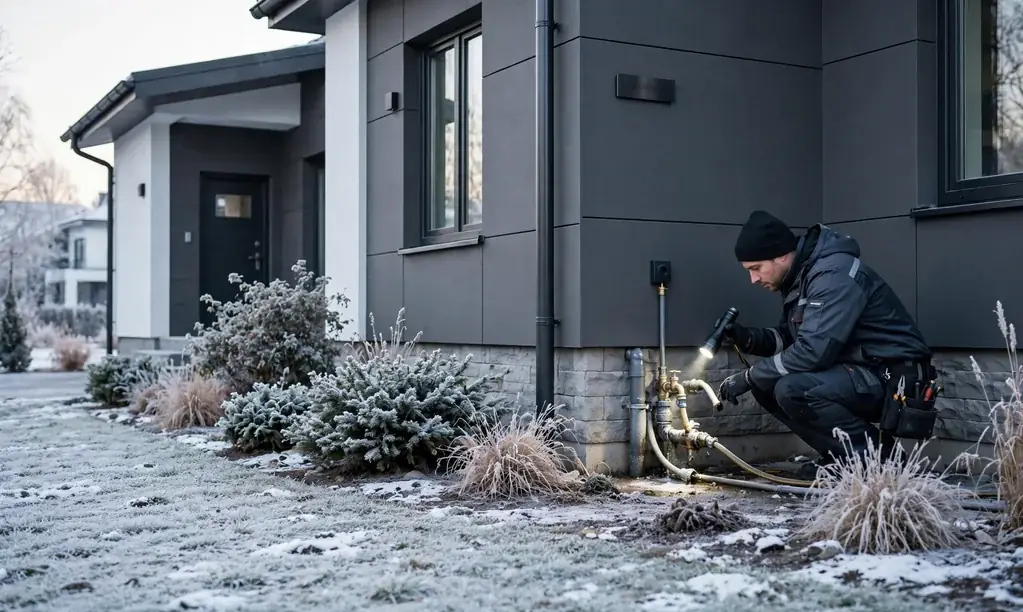
- Outside: walk the yard for soggy patches, new puddles, or the sound of running water near the meter box.
The water heater deserves a second look a day later as well. Strapping, supply flex lines, and the relief valve discharge pipe can shift or loosen without leaking immediately. A heater that rocks when gently pushed, or lines that now sit at a strained angle, should be corrected before the next event. Photograph the setup after your check so any later change is easy to spot.
Hidden Damage That Shows Up Days Later
The leaks that matter most after a quake often hide. A cracked joint inside a wall may seep only under pressure spikes. A shifted buried service line can leak into soil for weeks before the lawn shows it. Slab lines stressed by ground movement may start as a faint warm or damp spot and grow slowly.
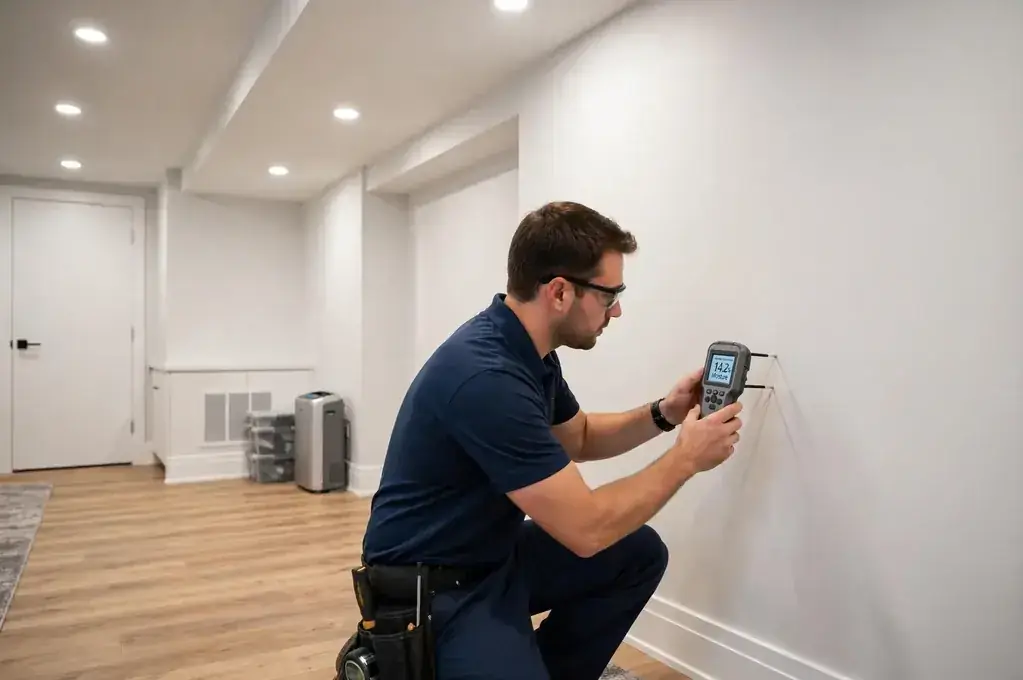
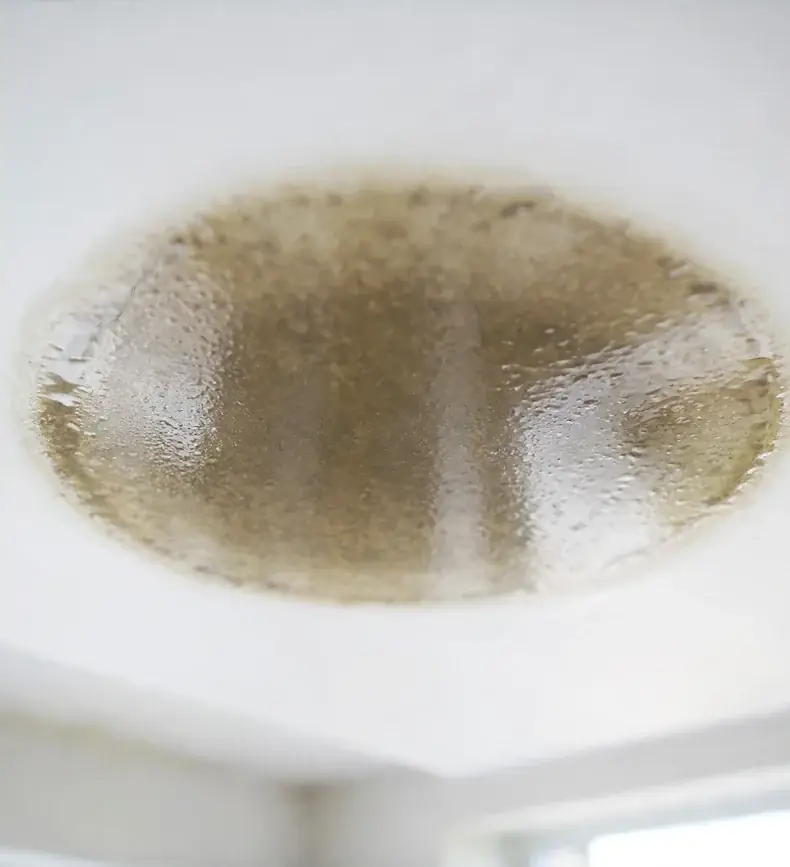
For the first two weeks, watch for the quiet signs: a water meter that creeps overnight, a bill that rises without a change in habits, musty smells in one room, paint that bubbles along one wall, or floors that feel different underfoot. Lynnwood sits in an active seismic region of the Pacific Northwest, so treating these small signs seriously after any noticeable quake is simple prudence, not worry.
Your notes from the first check become the baseline for the two week watch. Record meter readings, any damp spots found, and anything that looked shifted, with dates. Without a baseline, a slow change is easy to rationalize away. With one, a stain that grows between Tuesday and Friday, or a meter that creeps a little more each night, stands out as the developing leak it is.
The Meter Test After a Quake
One test gives you a clear answer about hidden supply leaks. In the evening, turn off every fixture, appliance, and irrigation line. Read the water meter and note the leak indicator position. Do not use water overnight if you can avoid it, then read the meter again in the morning.
Any movement means water left the system while the house slept, which after a quake strongly suggests a cracked line somewhere. Follow up by isolating zones if your home has shutoffs for sections: close one zone per night and see which night the meter holds still. That narrows the search before a technician even arrives, and it turns a vague worry into a located problem.
Zone isolation also protects the home while you investigate. If one area fails the overnight test, closing that zone's shutoff lets the rest of the house keep its water while the suspect section waits for detection. Mark the closed valve with a note so nobody reopens it by habit. Controlled isolation turns a whole house worry into a one area repair.
How Professionals Confirm Quake Damage
Professional post quake detection combines pressure testing with listening and imaging. Each section of supply line is isolated and pressure tested to prove whether it holds. Where a section fails, acoustic sensors locate the escape point through floors, walls, or soil, and thermal imaging maps the moisture spread so repairs and drying cover the full affected area.
For Snohomish County homes, this avoids the two bad options: ignoring a slow leak until it ruins floors, or tearing open rooms on suspicion. ProLine Leak Fix Pros confirms the exact location first, documents it for your records or insurance, and leaves you with a repair plan based on proof.
For insurance and assistance programs, timing and documentation both matter. Detection findings recorded soon after the event, together with your dated checks and meter readings, make it far easier to connect the damage to the quake. Professionals who document methods, readings, and locations give you a record that supports those conversations instead of relying on memory weeks later.
Conclusion: Check Early, Then Keep Watching
Earthquake plumbing damage rewards a methodical homeowner: a safety pass in the first hours, a room by room check the same day, and a meter test plus two weeks of watching for quiet signs. Most quake leaks are small when they start, and small is exactly when you want to find them.
If your meter moves overnight or moisture appears without a clear source, call ProLine Leak Fix Pros at (425) 380-0028. We will test the system and pinpoint any hidden break, so a silent crack does not become a slow flood.
Finally, use the experience. Restock what the check taught you: know the shutoff, keep a flashlight and wrench where you can find them in the dark, and photograph your meter and heater setup on a calm day. The next quake, or the next hard freeze, will reward the same habits, and the check that took an hour this time will take twenty minutes.
Keep one habit from this experience: after any event that shakes or freezes the house, do the meter test that same week rather than waiting for a stain to argue with you. The test is free, takes one quiet night, and gives a clear yes or no about hidden supply leaks while every other sign is still ambiguous.