In This Article
You slide into the crawl space to check on something else and find it: a shallow lake under the house, reflecting your flashlight. After the wet months in Lynnwood, many homeowners discover standing water below the floor and wonder how urgent it is, and where it even came from.
Standing water under a house is worth taking seriously, but it is also a routing problem with findable answers. Water reaches a crawl space through the soil, through the foundation, down from a plumbing leak, or off a poorly drained yard. Pumping the puddle without closing its road in just schedules the next puddle. This guide walks through the likely entry routes, safe first steps, and how professionals trace the source before any drying or repair plan makes sense.
Why Standing Water Under the House Matters
A crawl space that stays wet works against the house above it. Constant moisture keeps the air below the floor humid, and that humid air rises into the living space, bringing musty odors with it. Wood framing that stays damp for long periods can develop surface mold and, over time, decay in sill plates and joists. Insulation that gets wet loses its value and can sag away from the floor it was meant to protect.
Wet soil also attracts pests that prefer damp shelter, and standing water can hide slow plumbing leaks for months, since one more puddle looks like all the others. The good news is that crawl space water usually announces its route clearly once you look with the right questions. The goal of the first visit under the house is not to fix anything. It is to read the pattern while the evidence is fresh.
Finding the Entry Road: What to Look For
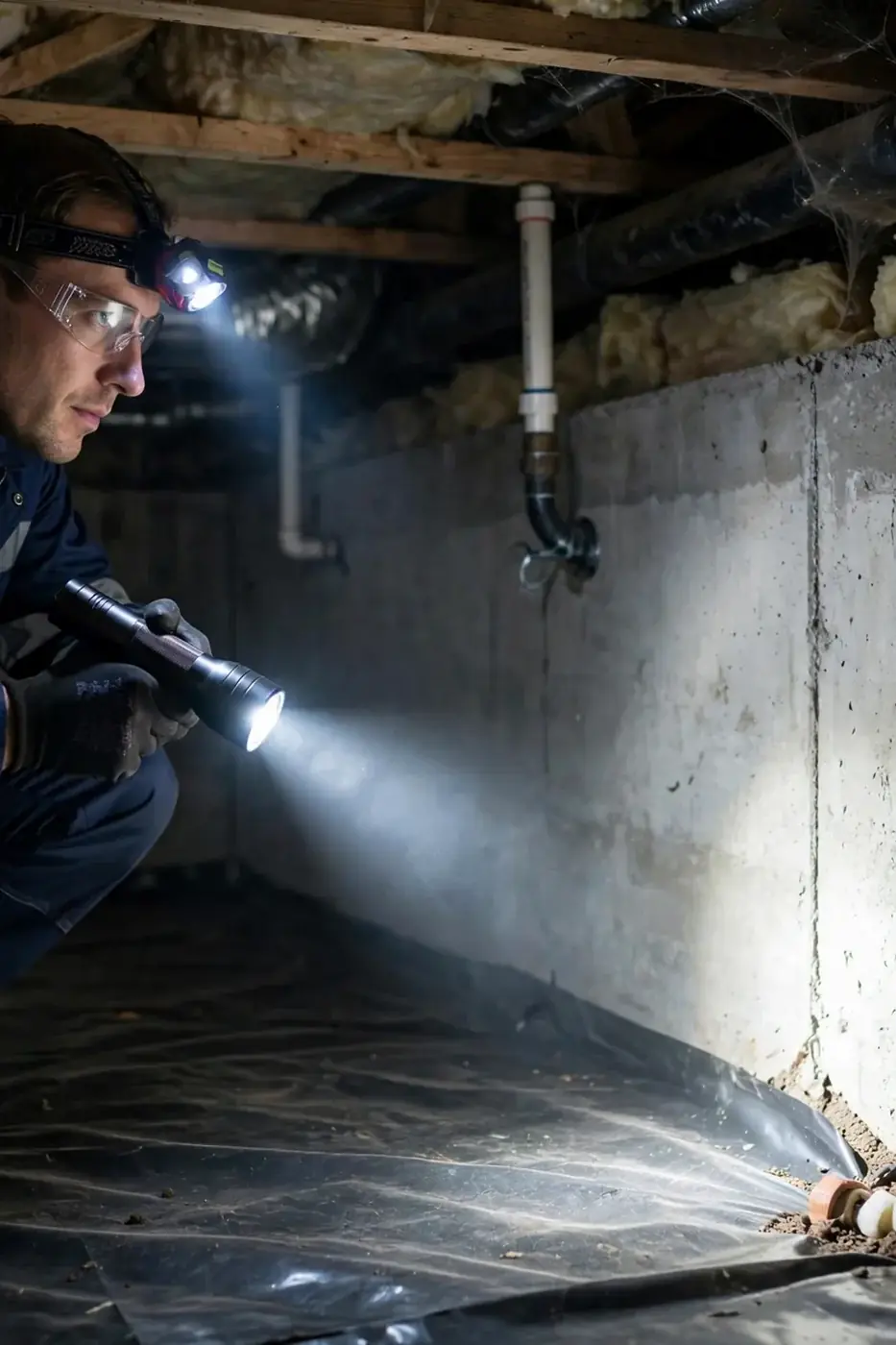
Put on a headlamp and work through this checklist slowly:

- Is the water everywhere, or pooled in one low corner? One corner points to one entry road.
- Are the foundation walls streaked or damp above the puddle line? Streaks mark water coming through or over the wall.
- Is any soil washed into a channel or delta shape? Moving water carves a visible path as it enters.
- Do puddles appear only after rain, or are they present in dry weeks too? Dry week water means plumbing or groundwater.
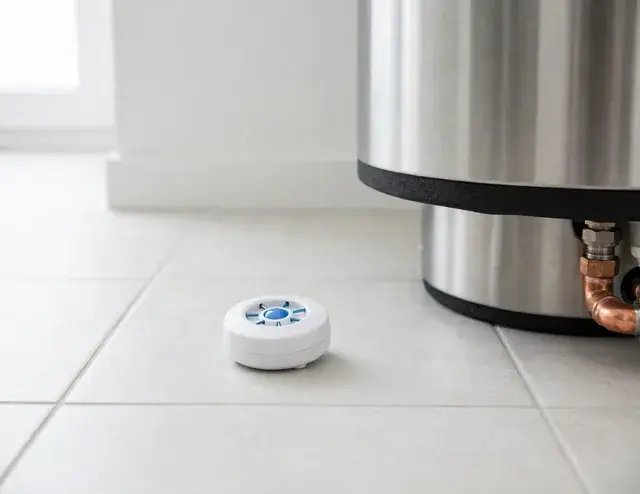
- Check under bathrooms and the water heater with a dry hand for slow drips from drains and supply lines.
- Look at the vapor barrier. Water sitting on top of plastic came from above, while water below it rose from the soil.
Note the yard as well. Downspouts that end at the foundation, soil that slopes toward the house, and window wells that overflow all deliver roof water straight to the crawl space wall. Many crawl space lakes are really roof water taking the shortest path downhill.
Bring a simple kit on your inspection crawl: a headlamp, gloves, a long screwdriver to probe soil softness, a phone for photos, and a small notebook. Photograph the access view first, before you disturb anything, because your own movement stirs the water and erases footprints of the flow pattern, such as silt lines and debris dams that show which way water travels. Debris collects on the uphill side of piers and pipes, quietly marking the direction water enters and spreads, and that arrow is hard to reconstruct once the space dries.
Pumping and Drying: Safe First Steps
If water is deep enough to threaten wiring, a water heater, or a furnace below the floor, treat electricity with respect and keep out until it is safe. For shallow water, the order of work matters. Find and stop the entry first if you can, for example by extending a fallen downspout or clearing a blocked drain at a low corner. Pumping before stopping the inflow is wasted effort during a storm.
Once the inflow slows, a small pump or a wet vacuum can remove standing water a section at a time. Then drying begins: air movement is the workhorse, helped by opening vents where fitted and running a fan at the access hatch. Pull back sections of vapor barrier that trap water against the soil so the ground can dry. Photograph everything before and during cleanup, since the high water marks on the foundation are evidence that disappears as things dry.
How Professionals Trace the True Source
When the pattern is mixed, for example puddles after rain plus one spot that never dries, professional tracing separates the sources. A technician checks the plumbing first, because a slow drain or supply leak under the house mimics groundwater perfectly. The water meter test and a close inspection of every pipe run below the floor either clear the plumbing or find the drip.
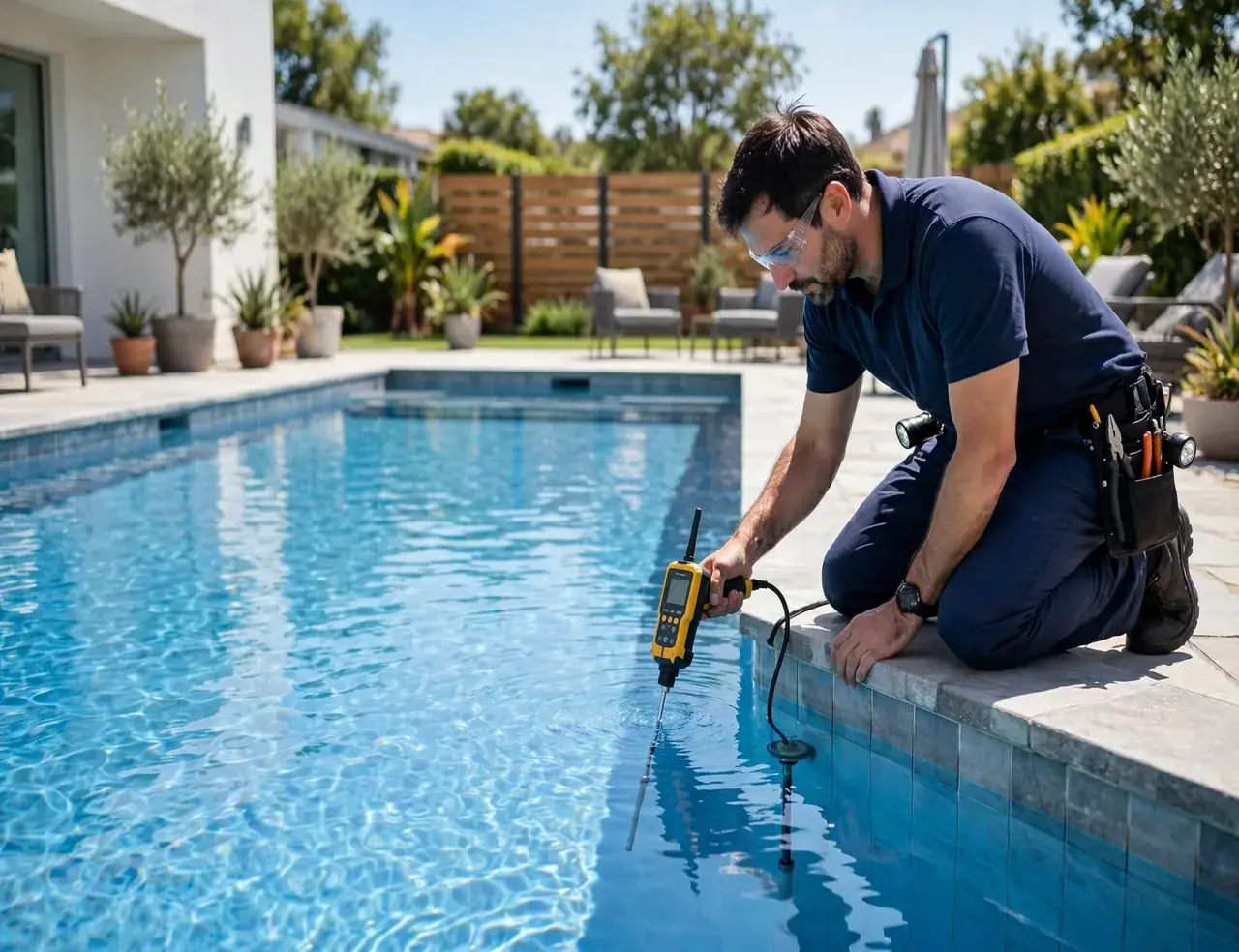
Moisture meters then map damp soil and framing to show where water enters and how far it spreads, while thermal imaging can reveal a hidden pipe leak feeding the soil from below. Outside, the technician reads grading, downspout discharge points, and foundation joints against the indoor map. ProLine Leak Fix Pros brings these indoor and outdoor clues together for Lynnwood homes, so the repair targets the real entry road instead of the wettest symptom.
Timing separates mixed sources better than any single look. Visit twice if you can: once within a day of heavy rain, and once after a dry week. Rain driven water rises and falls with the storms, while a plumbing fed puddle holds its level or grows in the dry visit. Mark the waterline on a pier with chalk on the first visit, and the second visit becomes a measurement instead of an impression. Two short visits, a week apart, often answer the question that one long visit cannot.
Keeping the Crawl Space Dry Afterward
Lasting dryness is mostly water management. Keep the ground sloped away from the foundation, extend downspouts well past the house, and keep the soil at the base of the walls lower than the top of the foundation footing where possible. A sound vapor barrier, laid over dry soil and lapped at the seams, slows ground moisture from rising into the framing.
Then make checking a habit. A quick look after the first heavy rain of the season, and again midwinter, catches a returning puddle while it is still a bucket problem rather than a lake problem. Note what changed since the last check: a shifted downspout, a new garden bed against the wall, or a fresh damp patch under one bathroom. Small observations, made early, are what keep a crawl space boring, and boring is exactly what you want under your house.
If a sump pump is part of your setup, test it before the wet season rather than during it. Pour water into the pit until the float lifts and confirm the pump clears the pit and discharges well away from the house. A pump that hums without moving water, or a discharge line that ends at the foundation, gives false comfort all winter. The pump is the last line of defense. The grading, downspouts, and sealed entry points above it are the first, and they never lose power in a storm.
Conclusion: Close the Road In, Then Dry It Out
Standing water in the crawl space is the end of a journey, and the fix starts at the beginning of that journey, not at the puddle. Read the pattern, separate rain water from plumbing water, and dry the space only after the inflow stops. If a hidden pipe leak is part of the picture, or the entry road stays unclear, call ProLine Leak Fix Pros at (425) 380-0028. We trace moisture sources across Snohomish County and will pinpoint any leak so your drying work is not wasted.