
In This Article
You lift the lid of your water meter box to take a reading and find the meter sitting in water. Sometimes it is a shallow puddle after rain. Sometimes the box is full nearly to the top, and the dial is barely readable through the murk. It is a common sight in Lynnwood, and most of the time it is not an emergency. But sometimes it is the first visible sign of a service line leak, and the difference matters.
Meter boxes sit at the lowest, wettest corner of many yards, so they collect groundwater honestly. They also sit directly on top of the most important pipe connection on your property. This guide explains the usual causes of box water, the simple bail and watch test that separates groundwater from a leak, and the meter readings that tell you when to call for detection.
Groundwater or Leak: The Two Main Explanations
Groundwater is the everyday explanation. Rain soaks the soil, the water table rises, and the box, which is an open bottomed pit around the meter, fills from below and around its walls. This water arrives with wet weather, rises and falls slowly, and often carries silt that clouds it. After a dry spell, a groundwater filled box usually empties on its own as the soil drains.
A leak is the second explanation, and it behaves differently. Water escaping from the meter connections, the service line just past the meter, or a nearby joint feeds the box steadily, in dry weather as well as wet. Leak water is often clearer, the level recovers quickly after bailing, and, most telling of all, the meter itself records flow when the house is using nothing. The two causes can also combine in winter, which is why a test beats a guess.
The Bail and Watch Test
This simple test takes one dry day and a small bucket:
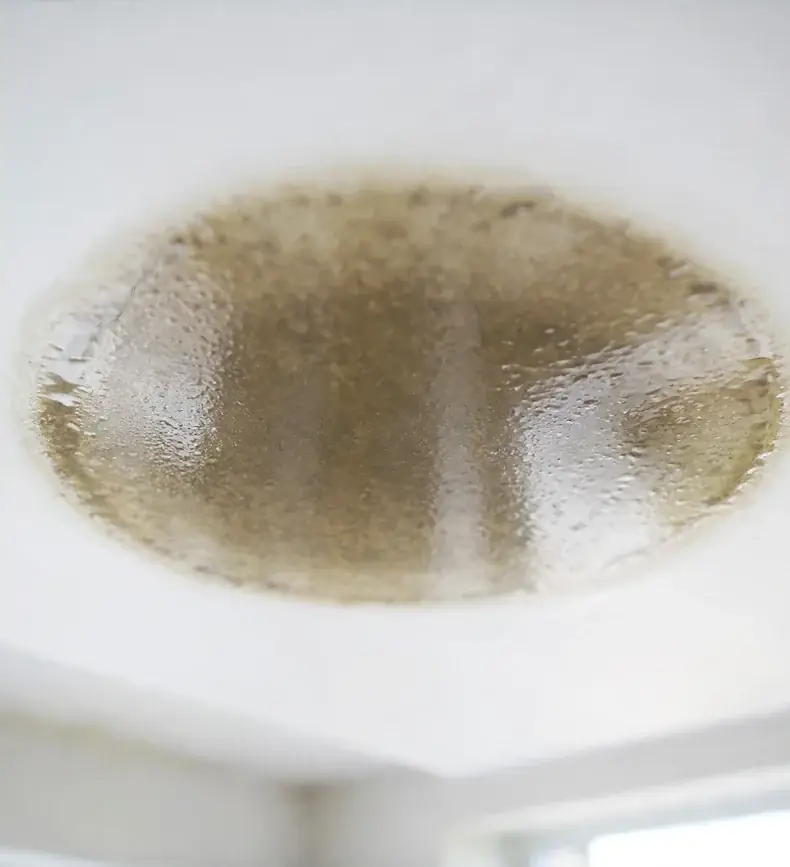
- Bail or sponge the box down until the meter dial and fittings are visible and mostly dry.
- Note the time, then check again in one hour and again the next morning.
- Slow seepage that barely covers the bottom overnight fits groundwater in wet soil.
- A box that refills within the hour, especially on a dry day, points to a pressurized leak.
- Watch the leak indicator on the meter with all house water off. Movement plus refilling is a strong leak case.
- Dry the fittings with a cloth and watch for a bead forming at one joint, which can name the exact weeping point.
Record what you see with times and a photo or two. If the refill is fast, do not keep bailing for days. Fast refilling means water under pressure is escaping continuously, and the next step is location, not housekeeping.
Season sets the baseline for judgment. In the middle of a Lynnwood winter, a damp or partly filled box is unremarkable across whole neighborhoods, because the soil itself is saturated for months. The same water level in late summer, after weeks without real rain, carries a different meaning and deserves the bail test right away. Judge your box against the season and against your own past readings. A box that was dry every August and is suddenly wet this August is telling you something changed underground.
Reading the Meter While the Box Is Clear
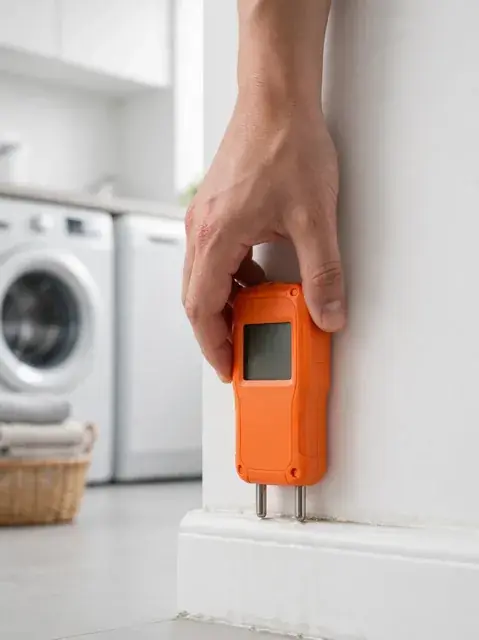
A clear box is your best chance to read the meter properly, so use it. Note the main reading, then watch the small leak indicator for a full minute with every tap in the house closed. Any steady movement means water is flowing somewhere past the meter. Next, close the main shutoff at the house and watch again. Movement that continues with the house isolated places the loss in the yard line or at the meter fittings themselves.
Also look at the fittings while you are there. Green or white corrosion crust, a slow drip at a union, or soil that looks washed and settled around the pipe all support the leak explanation. Take care around the meter itself. Homeowners can look, bail, and read, but the meter and the street side connection belong to the water provider, so anything that needs a wrench on those parts is a call, not a project.
While the box is open, note the condition of the lid and the box walls as well. A cracked lid lets surface water and soil pour straight in during storms, faking a groundwater problem and burying the meter in silt. Collapsed box walls let the surrounding soil slump against the fittings. These are small structural faults with outsized effects on how the box behaves, and they are worth fixing in their own right, because a sound, clean box makes every future reading faster and more trustworthy.
How Professionals Confirm the Source
When the bail test and the dial disagree, or the box refills faster than groundwater should, a detection visit settles it. The technician dries and inspects the meter fittings, pressure checks the service line, and uses acoustic listening equipment along the line path toward the house, since a leak a few feet from the box can fill it just as well as a leak inside it.
Tracer gas can confirm a quiet break near the box, and moisture mapping in the yard shows whether saturation centers on the meter or stretches along the line. ProLine Leak Fix Pros runs this sequence for Snohomish County homeowners and coordinates the findings clearly: if the fault is on the provider side of the meter, you will know exactly what to report, and if it is on the house side, the exact spot will already be marked.
Your Next Steps, Based on What You Found
If the box water tracks the rain, drains in dry weather, and the meter sits still when the house is off, you likely have ordinary groundwater. Keep the box lid seated, clear soil that washes in, and glance at it each season. A box that slowly silts up can bury the dial, and a quick cleanout keeps your readings honest.
If the box refills quickly, the indicator moves with the house off, or fittings weep under pressure, treat it as a leak and act promptly. Note whether the wettest area is at the box or along the line, keep your bail test notes, and avoid disturbing the fittings. Every day a pressurized leak runs, it moves more water into the soil around your service line, so early location keeps the eventual repair smaller.
If you report a suspected public side problem, make the report easy to act on. Give the exact location of the box, when you bailed it, how fast it refilled, and whether the meter dial moved with your house shutoff closed. Providers triage many calls, and a report with times and test results rises above a simple statement that the box looks wet. Keep your notes afterward. If the box behavior changes after their visit, your timeline shows whether the fix worked or the story is still unfolding.
Conclusion: A Wet Meter Box Is a Message, Not a Verdict
Water in the meter box is common, and often harmless, but it always deserves the bail and watch test before it is dismissed. Groundwater follows the weather and leaves the dial alone. A leak refills fast and moves the meter. If your test points to a leak, or the results stay mixed, call ProLine Leak Fix Pros at (425) 380-0028. We serve Lynnwood around the clock and will pinpoint the source so you know exactly whose repair it is and where it sits.