In This Article
A sump pump that starts every few minutes is easy to hear and hard to ignore, especially at night. Some cycling is normal during heavy rain. But a pump that fires up again and again in mild weather, or one that never seems to rest, is reporting a condition in your pit or your drainage system that deserves attention. Short cycling also wears the motor and switch far faster than normal use, so the warning and the damage arrive together.
This guide covers what a normal cycle looks like, the three main causes of short cycling, how to tell them apart with simple observations, what heavy inflow says about your drainage, and how professionals track down inflow that seems to come from nowhere.
What a Normal Pump Cycle Looks Like
In dry weather, many sump pumps in Lynnwood homes do not run at all for days. During steady rain, a cycle every 10 to 30 minutes can be normal for a house with a high water table or a large drainage area. The pattern matters more than the exact number: cycles should track the weather, spacing out as rain eases and stopping when soil dries.
Short cycling is different. The pump starts, runs for a few seconds, stops, and starts again within a minute or two, over and over, even as weather improves. That rhythm means water is returning to the pit almost as fast as it leaves, or the float is triggering the pump with barely any water present. Both point to a specific fault, not to a hard working pump.
It helps to know what the pump is protecting. The pit collects groundwater from the drains around your foundation and lifts it out before it can rise through floor joints or cracks. A pump that falls behind, or fails after months of overwork, does not announce the problem politely: the pit overflows at the worst moment of the wettest storm. That is why short cycling deserves attention even when the basement is dry today. The wear is happening now, and the failure it causes tends to arrive later, under load.
The Three Main Causes of Short Cycling
Nearly every case comes down to one of these three:
- A failing check valve: the valve that keeps pumped water from flowing back is stuck or worn, so the same water returns to the pit and gets pumped again in an endless loop
- A float problem: the float switch is set too low, tangled, or sticking, so the pump triggers with little water and shuts off before the pit is properly emptied
- Genuinely high inflow: groundwater, a broken drain line, or a plumbing leak is feeding the pit faster than normal, and the pump is honestly reporting a lot of water
The first two are pump faults. The third is a house signal, and it is the one homeowners most often miss because the pump itself sounds healthy while it works overtime.

Telling the Causes Apart at Home
A few quiet observations separate these causes without any tools. After the pump stops, listen and watch the pit. If the water level rises quickly from the discharge side with a gurgling return flow, the check valve is the prime suspect. If the pump starts when the pit holds only a shallow layer of water, the float setting or switch is likely wrong.
If the pit fills steadily from the inlet drain even in dry weather, inflow is real and its source needs finding. Check the obvious: is a water softener, furnace condensate line, or other appliance draining into the pit continuously? Then think about weather. Inflow that ignores dry spells entirely can mean a leaking water line or a broken footing drain feeding the pit around the clock.
Cycle counting is a surprisingly good home test. Sit near the pit for ten minutes with a phone timer and note how often the pump starts and how long it runs. A healthy pattern during rain might be a solid run every several minutes. A looping check valve shows a distinctive rhythm: run, stop, and a return gurgle, then the same short run again a minute later, with the pit level bouncing rather than steadily dropping. Recording one short video of a cycle gives a technician the pattern in seconds.
What Heavy Inflow Says About Your Drainage
A sump pit collects from the footing drains around your foundation. Heavy inflow during long rains can mean those drains are doing their job against a high water table, which is common in parts of Snohomish County. But inflow that jumps suddenly compared with past storms can mean grading has changed, a downspout now dumps beside the house, or a drain line has cracked and is pulling in soil and extra water.
There is one more source homeowners rarely suspect: the home's own pressurized plumbing. A leaking underground water line near the foundation can feed a pit steadily in any weather. If your water meter creeps with all fixtures off while the pump cycles, treat the two clues as one case.
Also look at where the discharge goes once it leaves the house. A discharge that ends right beside the foundation, or that ties into a clogged drain, can recycle the same water back through the soil into the footing drains, manufacturing inflow that no storm caused. Extending the discharge well away from the house and confirming it runs free sometimes calms a busy pump more than any part replacement. It is the first thing to check because it is the only cause you can fix with a shovel and an hour.
How Professionals Find Mystery Inflow
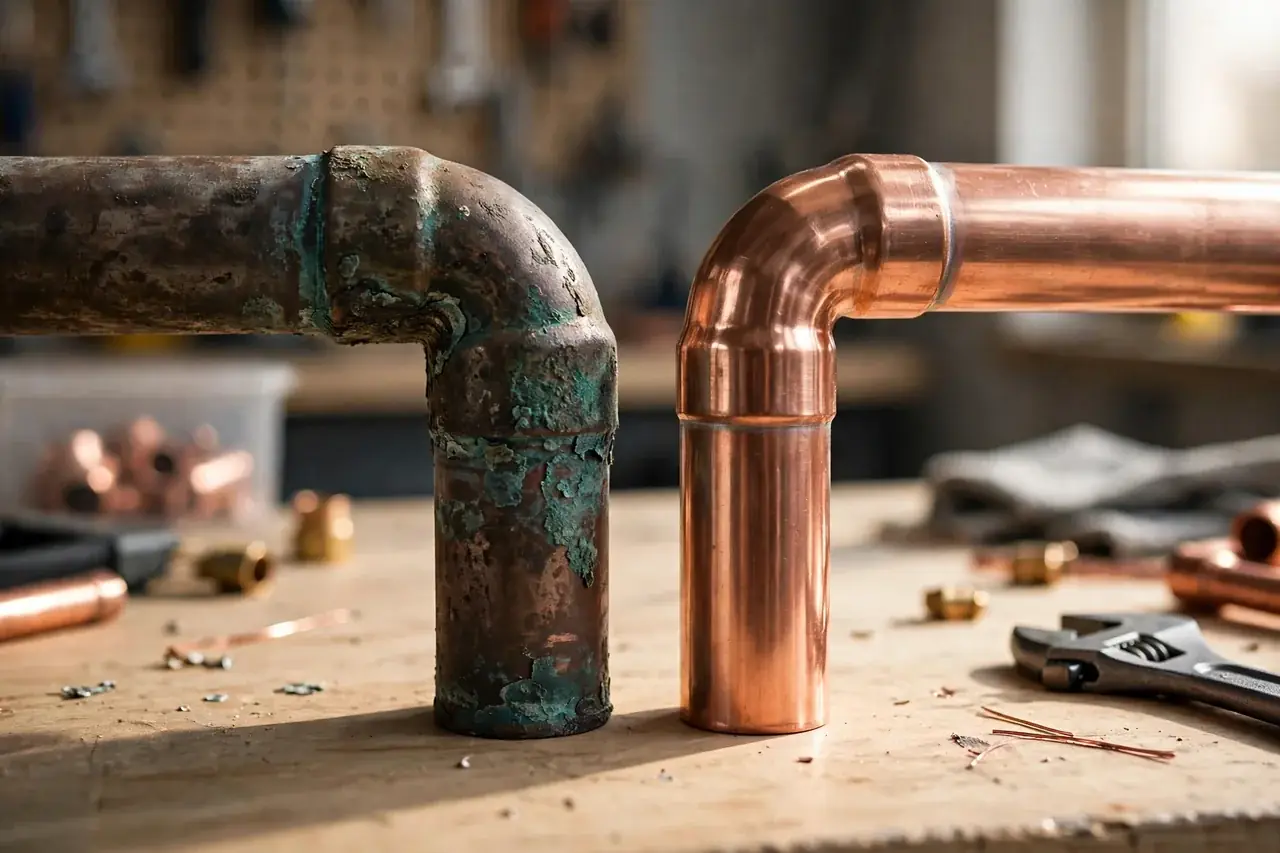
When the source is not obvious, detection work follows the water. ProLine Leak Fix Pros starts by separating the systems: a meter test proves or clears the pressurized plumbing, and isolation checks rule out appliance drains. Moisture mapping around the foundation shows where ground is wettest, and camera inspection of drain lines can reveal cracks, root entry, or a collapsed section pulling in groundwater.
For suspected buried line leaks, acoustic listening picks up the pressurized escape even under soil or slab. The goal is a named cause with a location, so the fix is a valve, a float, a drain repair, or a pipe repair, chosen on evidence instead of replaced parts and hope.
Frequent Cycling Is a Message, Not Just a Noise
A pump cycling every few minutes is telling you one of three stories: water is looping back through a failed check valve, the float is firing on almost nothing, or far more water is arriving than should. The first two stories end with small repairs. The third can point to drainage trouble or a hidden leak that matters.
If your Lynnwood sump pump never seems to rest, get the cause named before the overwork kills the pump during the storm you need it most. A detection visit reads the pit, the drains, and the meter together and gives you the real story.
A word on backup protection: homes that rely on a sump pump through every long Pacific Northwest storm are one outage away from a wet basement, since the pump stops when power does. If your pit fills fast and your power fails often, that risk belongs in the conversation with any technician who works on the system. At minimum, know how fast your pit rises with the pump off. That single number tells you how much time you have in an outage before water reaches the floor.