In This Article
You step into the bathroom in socks and feel it: a cold, damp ring on the floor around the base of the toilet. There is no obvious spray, no burst pipe, just water that keeps appearing where the porcelain meets the floor. It might show up after a flush, after a shower, or seemingly on its own overnight.
Three very different sources can wet that exact spot. The wax ring under the toilet can fail and let flush water escape at the floor line. The tank and its connections can leak and run down the outside of the bowl. And in humid weather, plain condensation can sweat off the cold tank and drip to the base. Each one wets the floor at a different time, and that timing is how you tell them apart. This guide gives you the simple tests that separate a plumbing fault from a weather effect.
Suspect One: The Wax Ring Under the Toilet
The wax ring is a soft seal squeezed between the bottom of the toilet and the drain flange in the floor. Every flush sends several gallons rushing past it. When the ring is fresh and the toilet sits firmly, all of that water goes down the drain. When the ring ages, gets disturbed, or the toilet rocks even slightly, a small share of each flush escapes sideways at the floor line instead.
Wax ring leaks have a clear rhythm: the floor gets wettest right after flushing, and the water may carry a faint drain smell because it is flush water, not clean supply water. Other clues include a toilet that rocks or shifts when you sit, a musty odor near the base that cleaning never quite removes, and flooring that feels soft or looks stained in a ring around the toilet. Because the escaping water can soak the subfloor quietly for months, a wax ring leak is the one suspect on this list that should never be left to wait and see.
Suspect Two: Tank Bolts, Supply Line and the Tank Itself
The tank holds clean water under constant supply pressure, and it connects to the bowl and the wall through several small parts that can weep. The tank bolts pass through the bottom of the tank with rubber washers that harden with age. The supply line connects at the fill valve with a coupling nut and a cone washer. The flush valve gasket seals the big opening between tank and bowl.
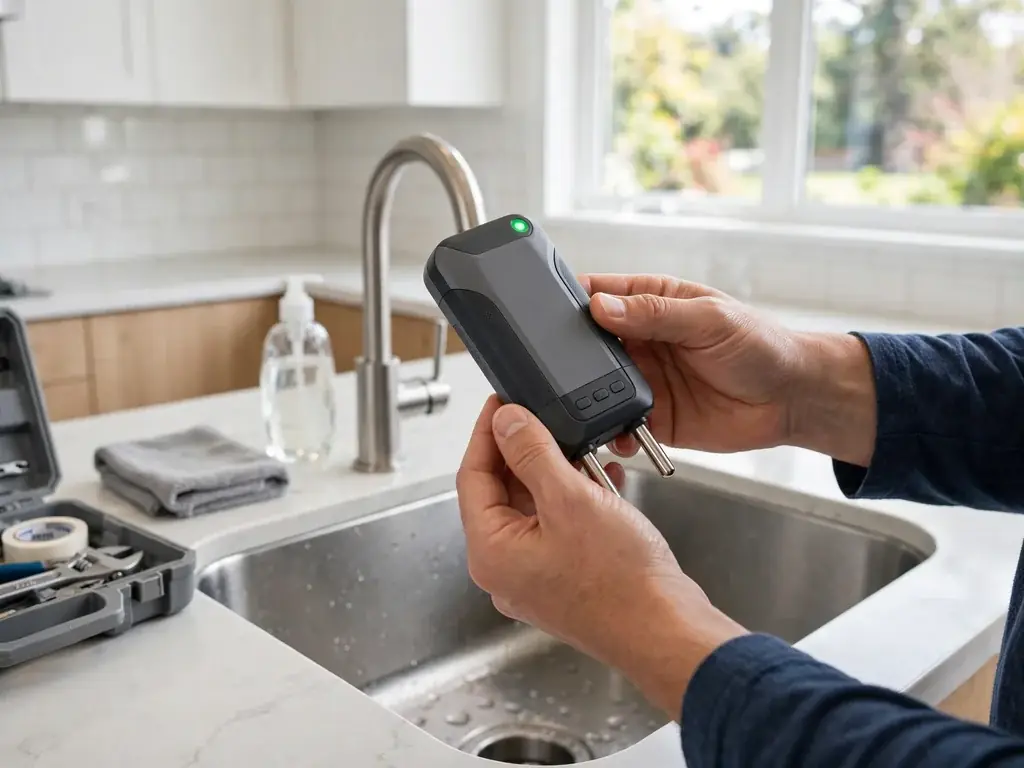
A tank side leak usually announces itself higher up. Run a dry tissue around the supply connection, under the tank bolts, and along the back of the bowl. Tank leaks drip steadily, not just at flush time, and the water is clean and odorless. A hairline crack in the tank or bowl is rarer but possible, and it often shows as a slow weep line on the porcelain itself. In older Lynnwood bathrooms, original supply lines and washers from a past remodel are frequent offenders, quietly dripping down the back of the bowl where nobody looks.
Suspect Three: Condensation, the Innocent Look Alike
During warm, humid weather, a toilet tank filled with cold water acts like a cold drink glass on a summer day. Moisture from the bathroom air collects on the tank and bowl surfaces, runs down, and pools at the base. After a shower fills the room with steam, the effect gets stronger, and the floor around the toilet can look genuinely flooded by morning.
Condensation has tells. The tank itself feels wet all over, not at one fitting. The wet floor appears on humid days and after showers, and it can vanish during dry weather. The water is clean, there is no drain smell, and the toilet sits firmly with healthy flooring around it. Condensation is harmless to the plumbing, though constant dripping can still stain flooring over a season, so it is worth managing once you are sure that is all it is.
If your tests prove the water is condensation, you still have options to keep the floor dry. Improving bathroom ventilation, running the fan during and after showers, and wiping the tank on the most humid mornings all reduce the drip load. Some homeowners fit an insulating liner inside the tank so the outer surface stays closer to room temperature and sweats far less. What matters is the order of operations: confirm condensation first, then manage it. The expensive mistake runs the other way, pulling a toilet and replacing a healthy wax ring because the floor was wet in August, then watching the same puddle return with the next humid week because the true source was the air in the room all along. Diagnosis before tools, every time, is the rule this particular mystery teaches better than most.
Timing Tests That Separate the Three, Step by Step
These simple tests use nothing more than paper towels, food coloring, and patience:
- Dry everything. Mop the floor, dry the base, the tank, and every connection with a towel until fully dry.
- The overnight test. Leave the toilet unused all night. A wet floor in the morning, with no flushes, points to a tank or supply drip, or to condensation on a humid night.
- The flush test. Flush five times in a row and watch the base closely. Water that creeps out at the floor line during flushing points to the wax ring.
- The dye test. Add food coloring to the tank and wait thirty minutes without flushing. Color appearing in the bowl means the flapper leaks internally, which wastes water but does not wet the floor. Color at the base means tank water is escaping outside.
- The dry tank test. On a humid day, dry the tank and check an hour later. Uniform wetness across the whole tank surface means condensation.
One test result usually stands out clearly. Note which one it was before you call anyone, because that detail speeds up the real fix.
How Professionals Confirm the Source and Check the Floor
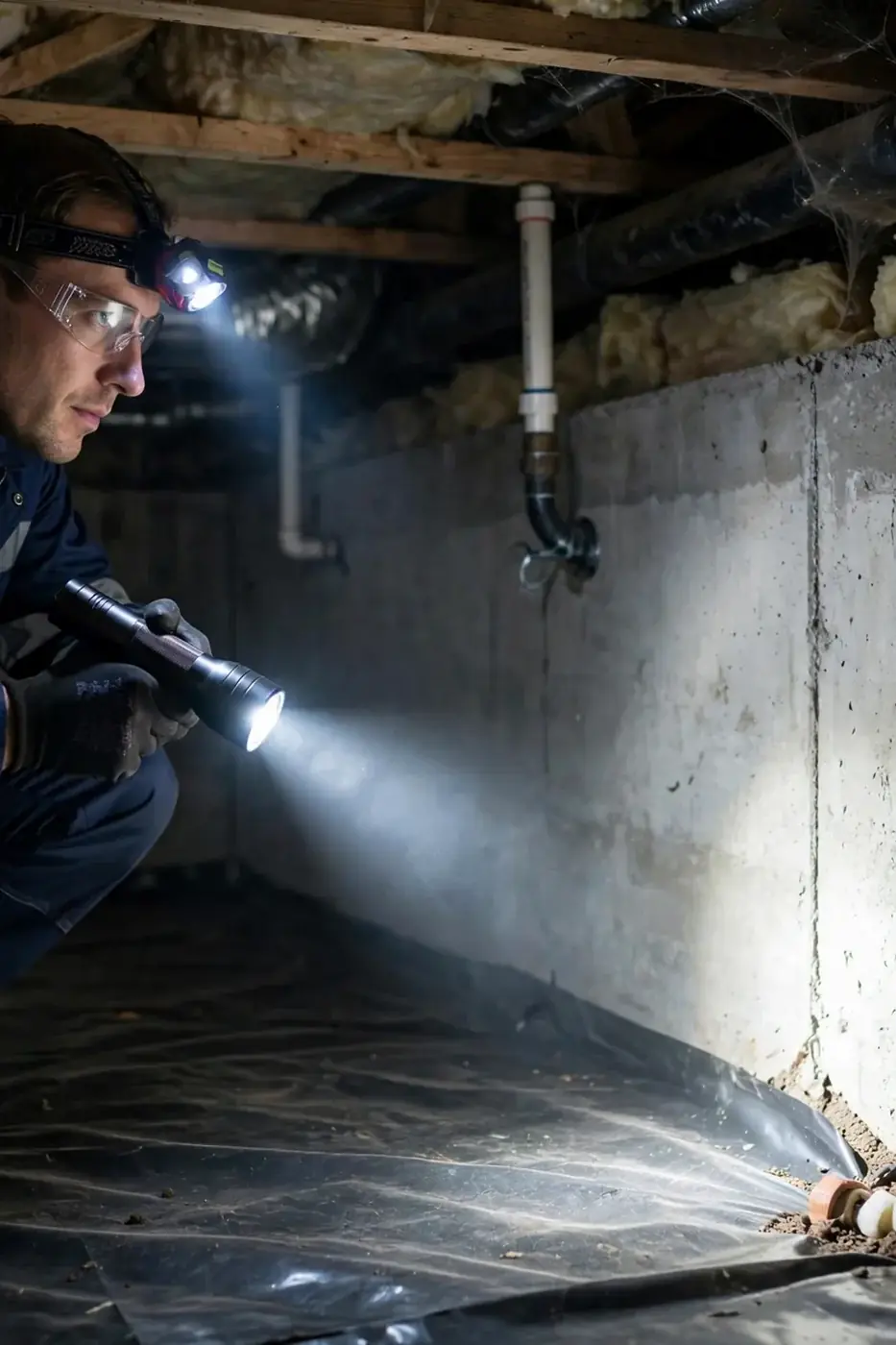
Professionals run the same timing logic, then check what the floor has been hiding. A moisture meter pressed around the base reads whether the flooring and subfloor are merely surface damp or soaked through, which changes the repair from a simple ring replacement to a drying and floor check job.
When the source stays ambiguous, a camera or a careful lift of the toilet settles it: the underside tells the truth, showing the ring's condition, the flange height, and any water tracking. ProLine Leak Fix Pros also uses moisture intrusion inspection tools to map how far water has spread under tile or vinyl, because sealing the top while the subfloor stays wet only traps the problem. Across Snohomish County, catching a wax ring leak early is the difference between a small seal job and a bathroom floor rebuild.
Water at the base is a symptom with three authors. The flush test, the overnight test, and the dye test make each one sign its work.
Conclusion: Let the Timing Name the Source
Water around the toilet base is not one problem but three, and they ask for very different responses. Wettest after flushing means the wax ring. Steady clean drips from above mean the tank or its connections. Uniform dampness on humid days means condensation. A dry floor, a night of patience, and a few flushes will usually tell you which one you have.
If the toilet rocks, the floor feels soft, or the tests point to the wax ring, call ProLine Leak Fix Pros at (425) 380-0028 before the subfloor suffers. We find and confirm toilet base leaks throughout Lynnwood and Snohomish County, around the clock.