In This Article
Your shower has a strange habit: the ceiling below stays dry all day, the floor stays dry all night, but ten minutes into a shower, water appears where it should not. A drip starts below, a damp patch spreads on the wall beside the tub, or the grout line at the base turns dark. Then the shower stops, and so does the leak.
That timing is not a frustration. It is the single most useful clue a leak can give you. A pressurized supply pipe leaks around the clock, whether anyone showers or not. A leak that needs the shower running lives on the other side of the system: the drain, the valve behind the wall, or the door and seals that are supposed to keep spray inside. This guide walks through each suspect and the simple tests that separate them.
Why the Timing Rules Out Half the Plumbing
Think of your shower as two systems sharing one space. The supply system, pipes, valve, and showerhead arm, holds water under pressure twenty four hours a day. If any of it fails, water escapes steadily and your leak would show up at random hours, including the middle of the night.
The second system only works during a shower. The drain and its trap carry water away, the valve body opens and mixes hot and cold, and the door, curtain, and caulk lines manage splashing spray. A leak that starts and stops with the shower belongs to this second group. That single observation eliminates the supply pipes, the water heater, and anything upstream of the valve, and it focuses your testing on three candidates: water going down, water at the valve, and water getting out.
Suspect One: The Drain, Trap and Shower Pan
The drain is the busiest suspect. Its strainer, the pipe below it, and the trap only carry water while the shower runs and for a short time after, which matches the symptom exactly. A loose drain flange, a cracked trap, or a failed connection under the shower base lets some of that water escape into the floor or ceiling instead of the pipe.

One piece shower stalls and tile showers add the pan: the waterproof layer under the floor of the shower that catches what seeps through grout and sends it to the drain. If the pan or its drain seal fails, water appears below only during longer showers, because short ones do not soak through. A stain that needs a long, hot shower to show up often points here. Standing water tests separate the drain from the pan: plug the drain, fill the base with a few inches of water, mark the level, and wait. A falling level with no shower running means the drain or pan is letting water out.
Grout deserves a word of its own here. Tile and grout look solid, but grout is not waterproof, and neither is the board behind older tile work. Water that passes cracked grout lines during a shower collects behind the tile and drains downward slowly, which is why some shower leaks appear below an hour after the shower ends rather than during it. That delayed timing separates wall surface leaks from drain leaks: drain water shows up while the shower runs, while water that soaked into the wall keeps traveling after everything is off. Press gently on tiles near the base and around the valve trim. Movement, hollow sounds, or grout that crumbles at a touch all suggest the wall has been drinking shower water for a while, and the true repair includes the surface as well as whatever is behind it.
Suspect Two: The Valve Behind the Wall
The shower valve lives inside the wall, and parts of it only see full flow while the shower runs. The cartridge, the diverter, and the connections to the showerhead arm and tub spout can all weep under use and sit dry the rest of the day. A classic valve side clue is water that appears when the shower runs but not when the tub faucet fills the bath, or the reverse, because the diverter sends water down different paths.
Check the easy end first. A showerhead arm that threads into a fitting inside the wall can leak at that joint only while the shower runs, sending water down inside the wall where you cannot see it. If the wall beside or below the showerhead stays damp after showers while the drain tests clean, the arm joint and the valve connections move to the top of the list. Many Lynnwood homes have an access panel behind the tub wall, and a dry paper towel held under the valve during a shower answers this question in minutes.
Suspect Three: Doors, Curtains and Failed Caulk
Not every shower leak is plumbing. A door that does not seal, a curtain that billows out, or caulk that has cracked at the base of the enclosure lets spray escape onto the bathroom floor during every shower. The water then finds the floor edge, the baseboard, or the ceiling below through a seam, and it looks exactly like a pipe leak.
The giveaway is location and volume. Splash leaks wet the floor outside the enclosure, near the door swing or the curtain end, and the amount grows with long showers and with certain users. A tall person showering with the head angled outward produces a different result than a quick rinse, which plumbing leaks do not care about. Dry the floor completely, shower with care to keep every drop inside, and see if the leak vanishes. If it does, the fix is seals and habits, not pipes.

The Bucket Test and How Pros Confirm It
One test separates drain and valve from everything else. Fill buckets or a large pot from the showerhead and empty them into a toilet or a different drain, keeping the shower drain dry while the valve and arm work normally. If the leak still appears, the water never reached the drain, so the valve or arm is guilty. If the leak stays away, pour water directly into the shower drain from a bucket with the shower off: a leak now means the drain, trap, or pan.
- Step 1: Dry the area below and note the exact spot that gets wet.
- Step 2: Run the shower into buckets only. Check for the leak.
- Step 3: Pour buckets straight down the drain with the shower off. Check again.
- Step 4: Plug the drain and do the standing water test for the pan.
- Step 5: Spray the door and caulk lines last, to test the enclosure.
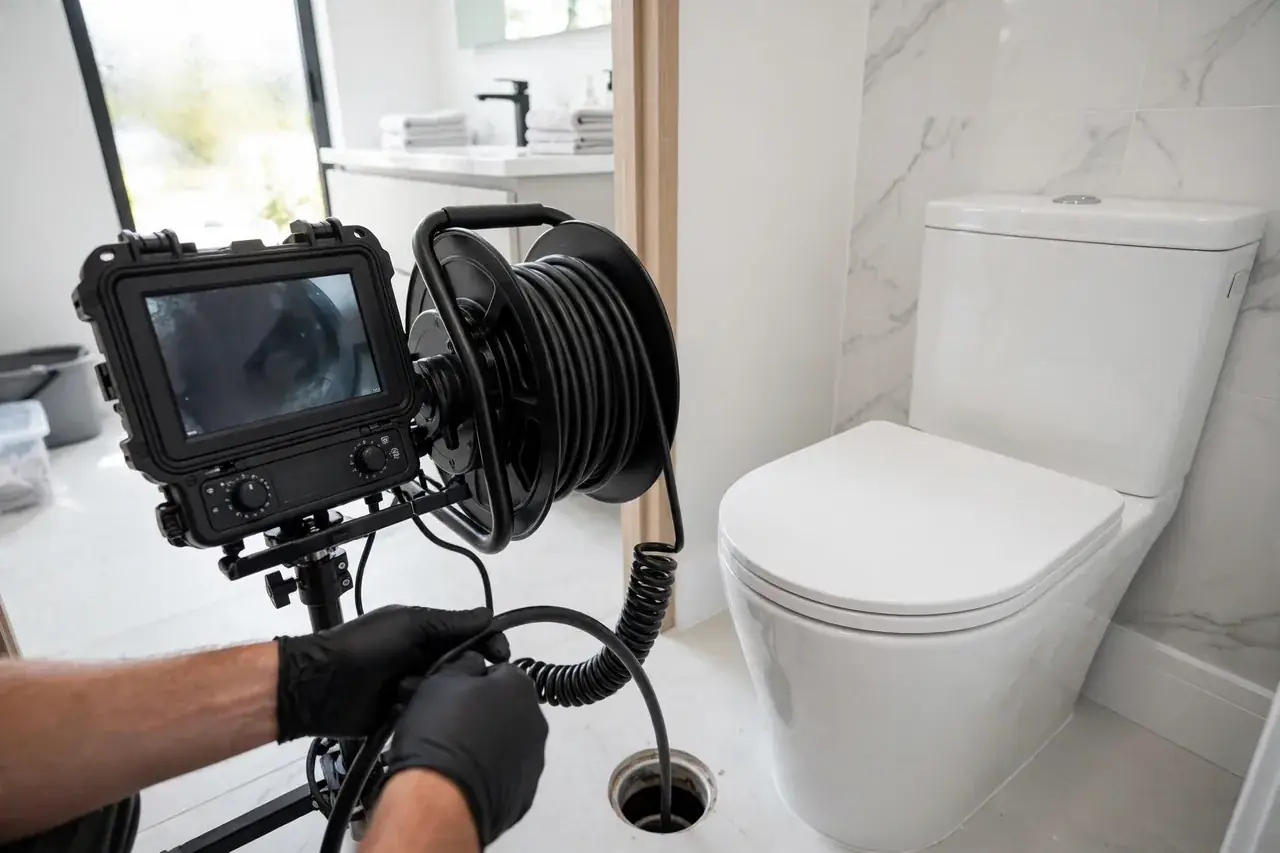
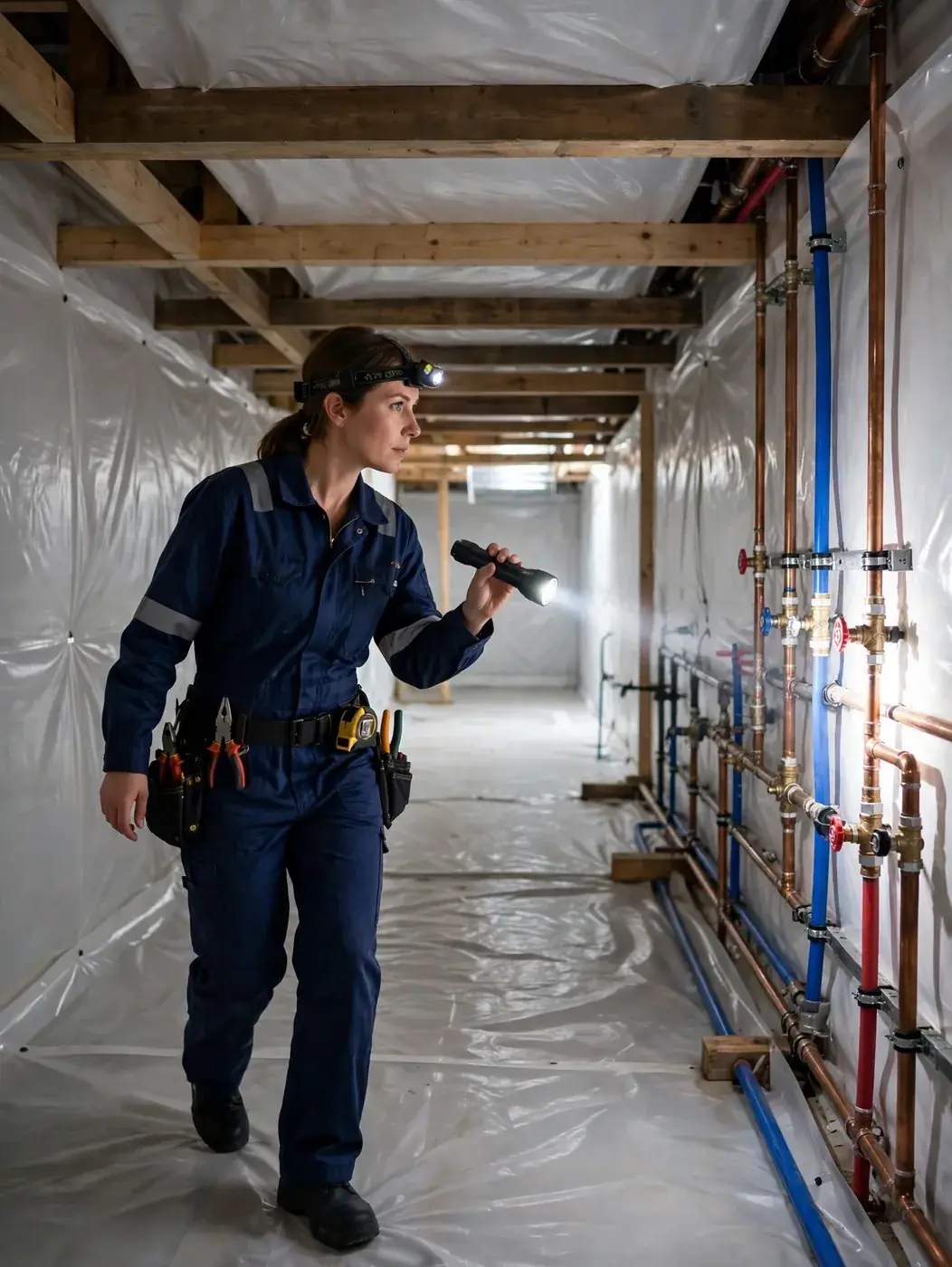
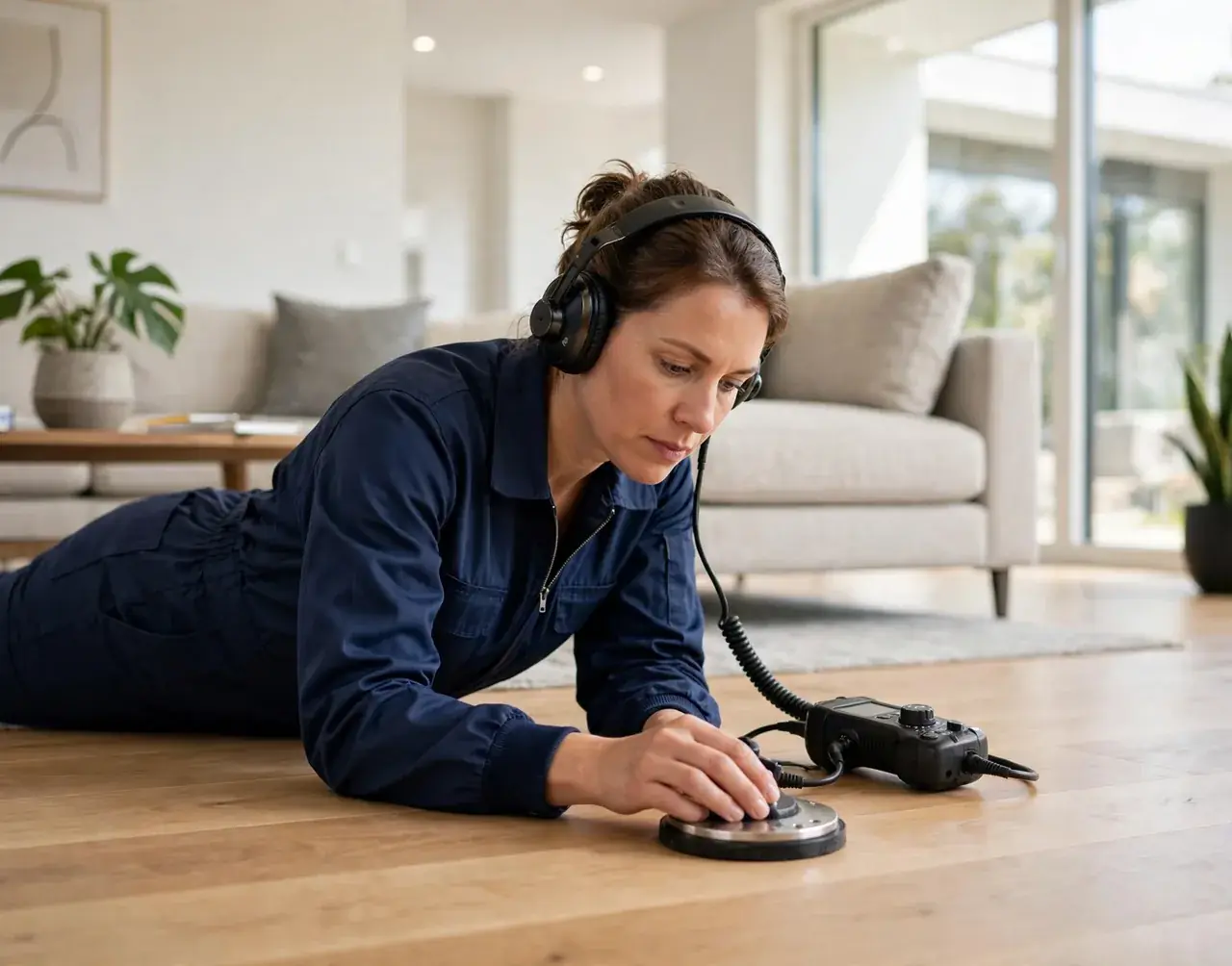
When these tests conflict or the leak hides under a tiled base, ProLine Leak Fix Pros confirms with moisture meters and thermal imaging, and with acoustic listening if a pressurized joint inside the wall is suspected. The goal is a named part, not a guess.
Conclusion: A Leak With a Schedule Is Halfway Solved
A shower that only leaks while it runs has already told you where not to look. Work the short list in order: test the drain and pan with standing and poured water, test the valve and arm with the bucket method, and test the enclosure with careful, contained showering. Most homeowners can narrow it to one suspect in a single evening.
If the leak points inside the wall or under the shower base, call ProLine Leak Fix Pros at (425) 380-0028. We locate shower leaks across Lynnwood and Snohomish County with non invasive testing, so the repair opens the smallest possible area.