In This Article
On a humid summer day, cold water pipes in a basement or crawl space can bead with water until they drip like a slow rain. That is sweating, and it is usually harmless physics. The trouble is that a real leak in the same pipe looks almost identical at first glance: water on the pipe, drips below it, a damp patch growing on the floor. Guessing wrong in either direction wastes money, either on a plumber for condensation or on water damage from a leak you dismissed.
This guide explains why pipes sweat, the conditions that make sweating heavy, the tests that separate sweat from a leak with confidence, and the specific signs that mean the water is coming from inside the pipe, not the air.
Why Cold Pipes Sweat
Sweating is condensation. Air always carries some water vapor, and warm air carries a lot. When that humid air touches a cold pipe, the air right at the surface cools and can no longer hold its moisture, so water forms on the metal or plastic, exactly like dew on grass or fog on a bathroom mirror.
Cold supply lines are the usual sweaters because well and city water arrives cold, and summer air in a Lynnwood crawl space or basement can be warm and damp. The colder the water and the more humid the air, the heavier the sweating. A pipe can drip steadily on the worst days and be bone dry in winter, which is itself a clue.
Toilets deserve a mention in any sweating discussion. A toilet tank that refills often, because of a slow flapper leak, stays full of freshly arrived cold water and can sweat heavily on humid days, dripping onto the floor below and soaking the supply line area. Homeowners sometimes chase that puddle as a supply leak when the real faults are a worn flapper and summer humidity working together. If the tank sweats, test the flapper with dye before assuming the pipe is at fault.
Sweating Patterns vs Leak Patterns
The two sources behave differently once you know what to watch:
- Sweating coats a whole section of pipe fairly evenly, including the top and sides
- A leak starts at one point, usually a joint, fitting, or damaged spot, and the rest of the run stays drier
- Sweating follows weather and water use: worst on humid days when cold water runs often
- A leak drips in all weather, often steadily, and may spray or bead at one exact spot under pressure
- Sweating stops when the pipe warms to room temperature; a leak does not
- Sweat water is clean; leak water may leave mineral crust, green staining on copper, or rust marks
Location tells a story too. Uniform dampness along an exposed cold line in July is classic sweat. One wet elbow in a dry January basement is a leak until proven otherwise.
Season and time of day sharpen the pattern further. Sweating peaks on humid afternoons and after showers, baths, or laundry loads that fill the house air with moisture, then eases overnight as the air dries. A leak keeps its own schedule and ignores all of that. Keeping a two day log, noting when dripping is heavy and when the pipe is dry, often settles the question by itself. Condensation writes a weather diary on your pipes. A leak writes the same line every day.
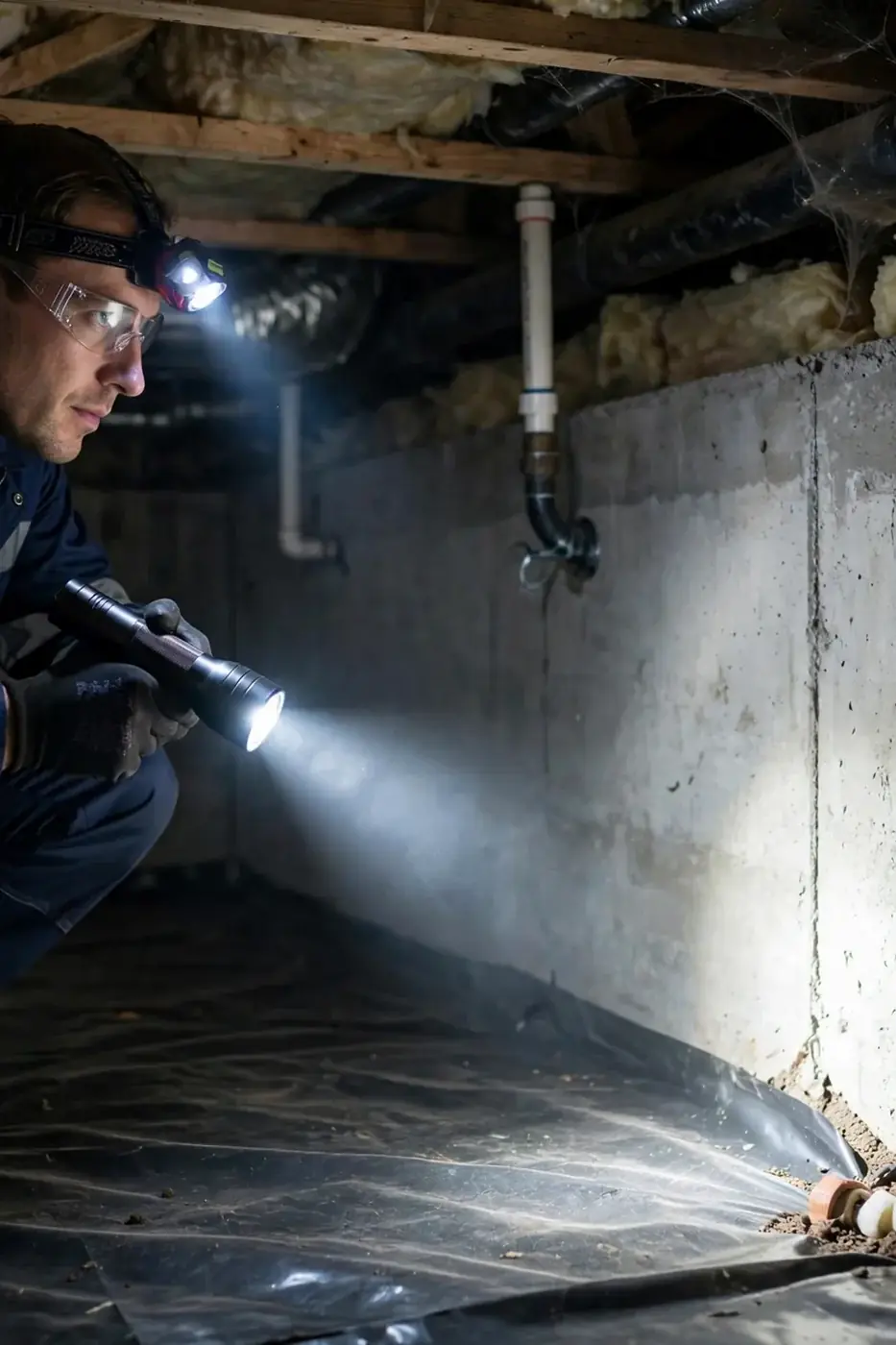
The Dry Test: How to Tell for Sure
Settle the question with this simple sequence:
- Dry the pipe and the area under it completely with a towel
- Wrap a strip of dry paper towel around the pipe at the wettest spot and tape it in place
- Check it over the next hours: dampness that spreads evenly through the paper from the air side suggests condensation; a wet spot that starts at one edge and grows from a single point suggests a leak
- Run the water meter test with all fixtures off: if the meter creeps, water is leaving the system somewhere, whatever the pipe surface shows
- Repeat the look in different weather: dripping that vanishes on dry, cool days points back to sweat
The meter test is the tiebreaker. Condensation never moves a water meter. If the meter moves with everything off, there is a leak in the system, even if the visible dripping turns out to be mostly sweat.
When Sweating Itself Causes Harm
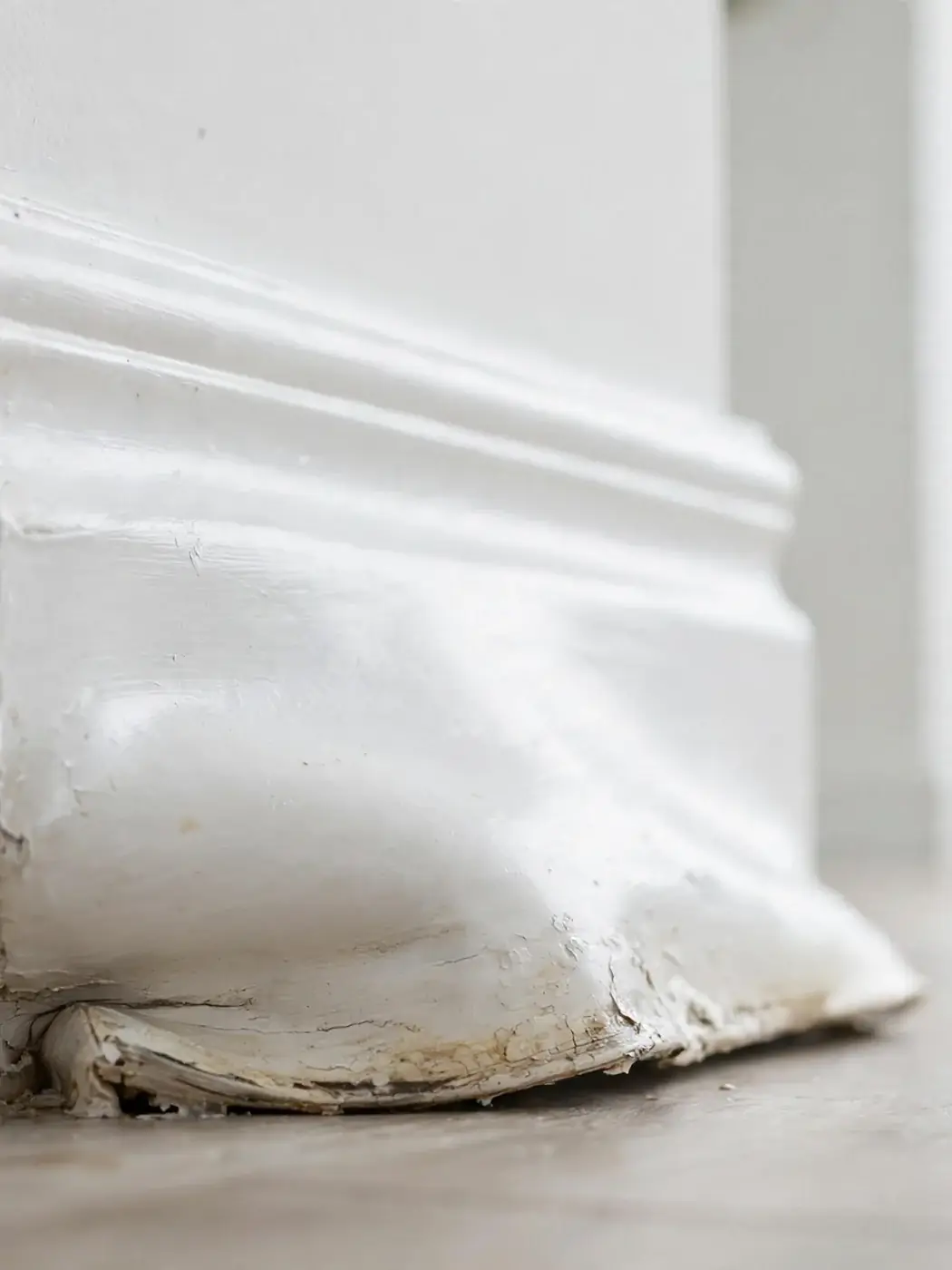
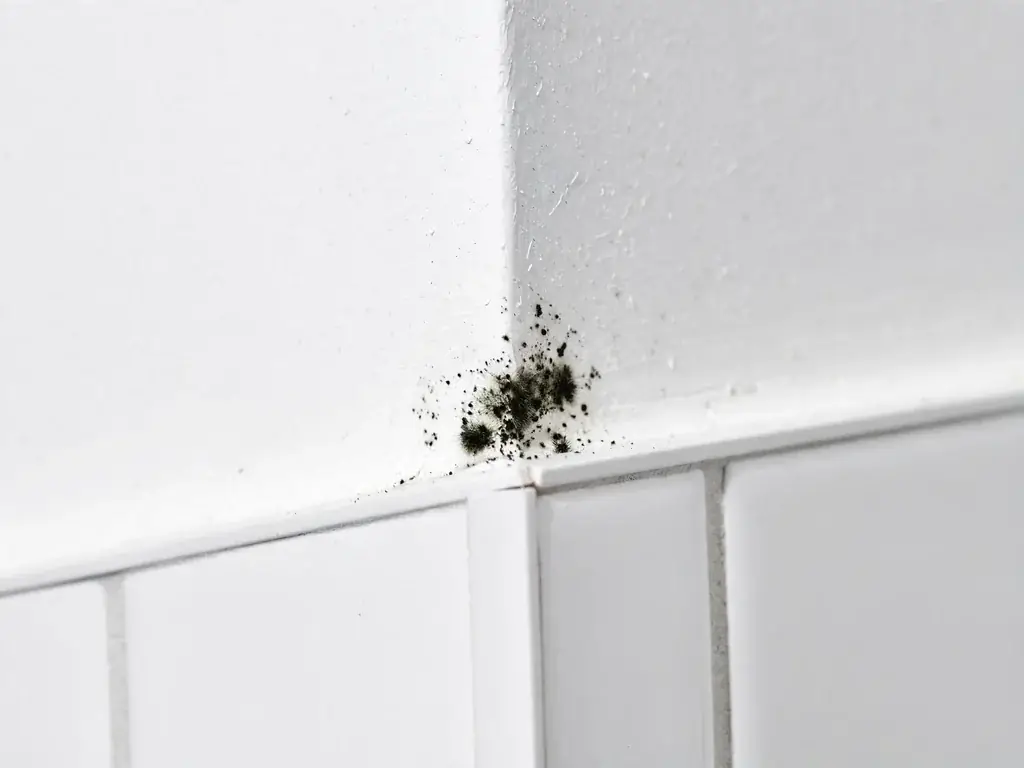
Harmless physics can still do slow damage. Constant dripping onto a sill plate, subfloor, or stored boxes keeps wood damp for whole summers, and damp wood invites mold growth and decay over time. Sweat running down a pipe can also travel and drip far from the cold section, which misleads people about where water is coming from.
The usual fixes are simple: foam insulation sleeves on cold lines, which keep humid air off the cold surface, and better air management in the space, like sealing crawl space vents in humid weather or running a dehumidifier in a damp basement. Insulating the cold lines in a Lynnwood home often ends the dripping entirely, and it quiets the false leak alarms with it.
Insulation choice matters more than it looks. Foam sleeves must fit snugly and cover elbows and valve bodies, not just straight runs, because the exposed fittings become the new cold spots and the dripping simply moves there. Seams should face down or be taped, so humid air cannot reach the pipe through the gap. In crawl spaces, insulating the cold line also protects it a little in winter, a small bonus. But insulation hides the pipe, so note where joints are before you cover them, in case you ever need to inspect them again.

How Professionals Confirm a Hidden Leak Behind the Sweat
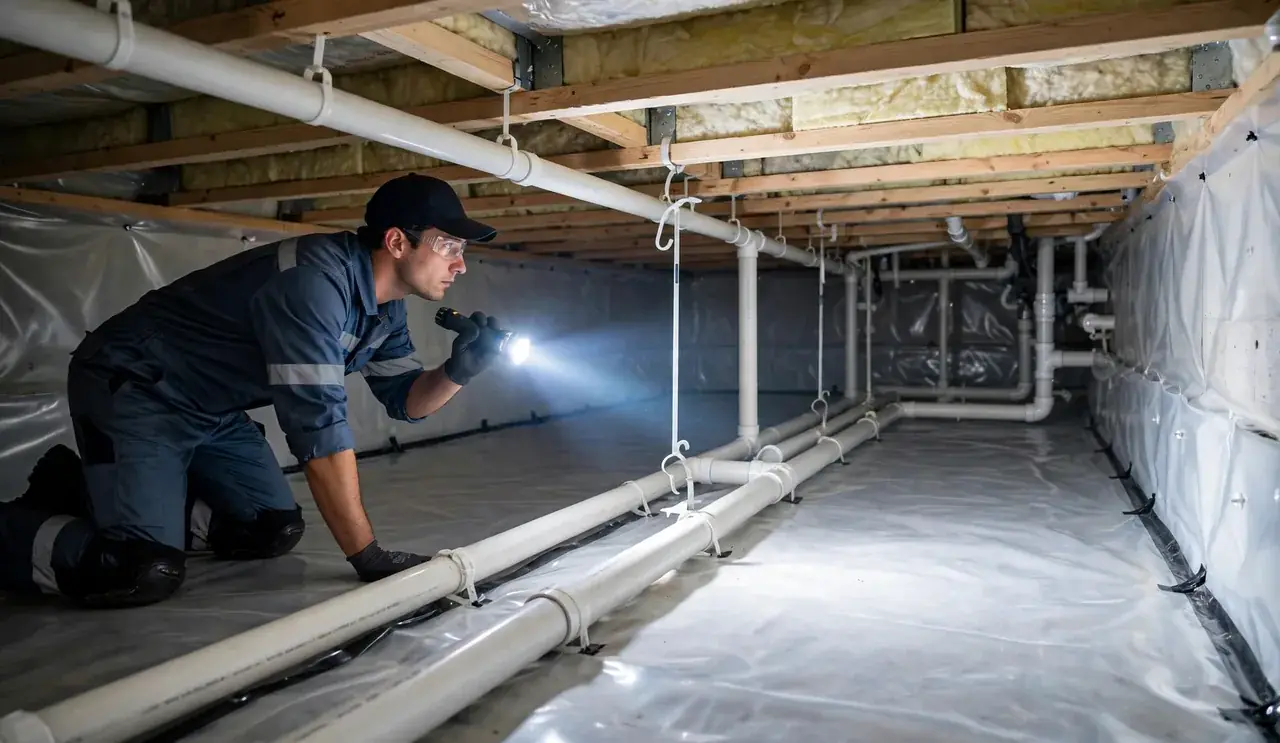
Sometimes both things are true at once: pipes sweat in summer, and a sweating run hides a small joint leak inside the noise. Professionals separate them by drying the line, then using pressure and isolation tests on that zone while watching for pressure loss that condensation cannot explain.
Acoustic listening finds the hiss of a pressurized pinhole through the damp surface clutter, and moisture meters compare readings along the run to find the one spot where water comes from inside the wall or floor rather than off the pipe surface. ProLine Leak Fix Pros uses this approach when a homeowner has been told it is just sweat but the meter, the stains, or the smell say otherwise.
One more scenario comes up often: sweat on the pipe, leak in the wall. The visible pipe sweats honestly, while a second, hidden leak nearby adds a stain that gets blamed on the sweat. This is why the meter test matters even when sweating is obvious. Sweat explains surface water. It does not explain a moving meter, a growing stain, or a musty smell. When those extras are present, both problems may be real, and each needs its own fix.
Sweat Is Physics, but Verify Before You Dismiss a Drip
Most summer pipe dripping really is condensation, and it is fixed with insulation and drier air. But the pattern has exceptions that matter: one wet joint in winter, a meter that creeps, stains or crust at a single point. Those are leak signs wearing a condensation costume.
Run the dry test and the meter test before you decide. If either one points to a leak, get it pinpointed while it is still small. A short detection visit gives you a certain answer, which is the one thing sweat and leaks never provide on their own.