In This Article
- Why Bathrooms Produce So Much Moisture
- How an Exhaust Fan Controls Moisture
- Signs of a Bathroom Exhaust Fan Moisture Problem
- Sizing: How Much Fan (CFM) Your Bathroom Needs
- Venting Mistakes That Dump Moisture Into Your Home
- Run-Time Habits That Actually Work
- Moisture or Leak? How to Tell the Difference
Bathroom exhaust fan moisture control is the most overlooked moisture defense in the house. A single hot shower releases a remarkable amount of water vapor into a small room. If the exhaust fan is undersized, poorly vented, or switched off too soon, that moisture settles on every cool surface: mirrors, windows, walls, ceilings, and eventually inside the walls and attic. Over time, chronic moisture causes peeling paint, mold growth, swollen trim, and even rot in framing.
This guide explains how exhaust fans fight moisture, the warning signs that yours is failing, how to size a fan correctly, the venting mistakes that send moist air into your attic instead of outside, the run-time habits that make the biggest difference, and how to tell moisture damage apart from a hidden plumbing leak. If you suspect a real leak in your Lynnwood home, call ProLine Leak Fix Pros at (425) 380-0028.
Why Bathrooms Produce So Much Moisture
A ten-minute hot shower can put roughly a half pint to a full pint of water into the air as vapor. In a small, enclosed bathroom, that vapor has nowhere to go. It condenses on the coldest surfaces first: the mirror, the window, the ceiling, and the tile.
Occasional condensation is harmless. The problem is repetition. Two or three showers a day, every day, keep surfaces damp for hours. Building materials absorb that moisture, and mold spores, which are always present in the air, germinate on damp drywall, grout, and wood within 24 to 48 hours of continuous wetness.
In the Pacific Northwest, outdoor humidity is already high for much of the year, which slows drying. That makes the exhaust fan even more important in Lynnwood homes than in drier climates. The fan is the only thing actively removing moisture; everything else is passive drying.
How an Exhaust Fan Controls Moisture
An exhaust fan does two things at once. It pulls humid air out of the bathroom and exhausts it outside the house, and it creates slight negative pressure that draws drier replacement air in from the rest of the home through the gap under the door.
Fan strength is rated in CFM, or cubic feet per minute. A 50 CFM fan moves 50 cubic feet of air every minute. For moisture control, the fan must exchange the bathroom's air volume several times during and after a shower. An undersized fan simply cannot keep up with the vapor a shower produces, so moisture lingers on surfaces long after you step out.
Noise is rated in sones. Older fans are often loud, which is one reason people avoid running them. Modern fans can be nearly silent, which removes the biggest excuse for not using them.
Signs of a Bathroom Exhaust Fan Moisture Problem
- The mirror stays fogged for a long time after the shower. In a well-ventilated bathroom, the mirror clears within minutes.
- Condensation drips from the ceiling or walls during or after showers. Dripping means the air is saturated beyond what the fan can remove.
- Peeling paint or bubbling finishes on the ceiling and upper walls, the classic signature of chronic humidity.
- Mold or mildew spots on grout, caulk, and ceilings that return quickly after cleaning.
- A musty smell that persists even when the bathroom looks clean.
- Swollen or soft trim, doors, and cabinets in or near the bathroom.
- The fan sounds weak, rattles, or barely moves air. Hold a tissue up to the grille: a healthy fan holds it firmly against the cover.
If several of these are present, do not just clean the mold and repaint. The moisture source is still active, and the damage will return.
The mirror is your free humidity gauge. If it stays fogged more than a few minutes after your shower, your bathroom is staying wet far longer than it should.
Sizing: How Much Fan (CFM) Your Bathroom Needs
The standard rule is 1 CFM per square foot of bathroom floor area for rooms up to 100 square feet. Larger bathrooms need a bit more, and rooms with high ceilings or jetted tubs need extra capacity.
| Bathroom size | Minimum CFM | Typical choice |
|---|---|---|
| Under 50 sq ft (half bath or small full bath) | 50 CFM | 50 CFM quiet model |
| 50 to 100 sq ft (standard full bath) | Match the square footage | 80 to 110 CFM |
| Over 100 sq ft (large or master bath) | Use the fixture method below | 110 to 150 CFM, or two fans |
For larger bathrooms, the fixture method works better: allow 50 CFM for each toilet, shower, and bathtub, and 100 CFM for a jetted tub. A master bath with a toilet, shower, and jetted tub needs roughly 200 CFM, which usually means two fans.
Also check ceiling height. Bathrooms with ceilings over 8 feet need extra capacity, since there is more air volume to exchange. When in doubt, go one size up. An oversized fan on a timer or humidistat is far better than an undersized one.
Venting Mistakes That Dump Moisture Into Your Home
A powerful fan means nothing if its duct does not reach the outdoors. These venting mistakes are extremely common, especially in older Lynnwood homes:
- Venting into the attic. The most common and most damaging mistake. All that shower moisture goes straight into the attic, where it condenses on cold roof sheathing and feeds mold and rot. Every bath fan must terminate outside, through the roof or a gable wall.
- Disconnected ducts. Flexible ducts can detach from the fan housing or the roof cap over time, especially if they were never clamped. The fan runs, but the moist air dumps into the attic or the space between floors.
- Crushed or kinked flexible duct. Long sags and sharp bends in flex duct choke airflow. The duct should take the shortest, straightest path possible and be supported so it does not sag.
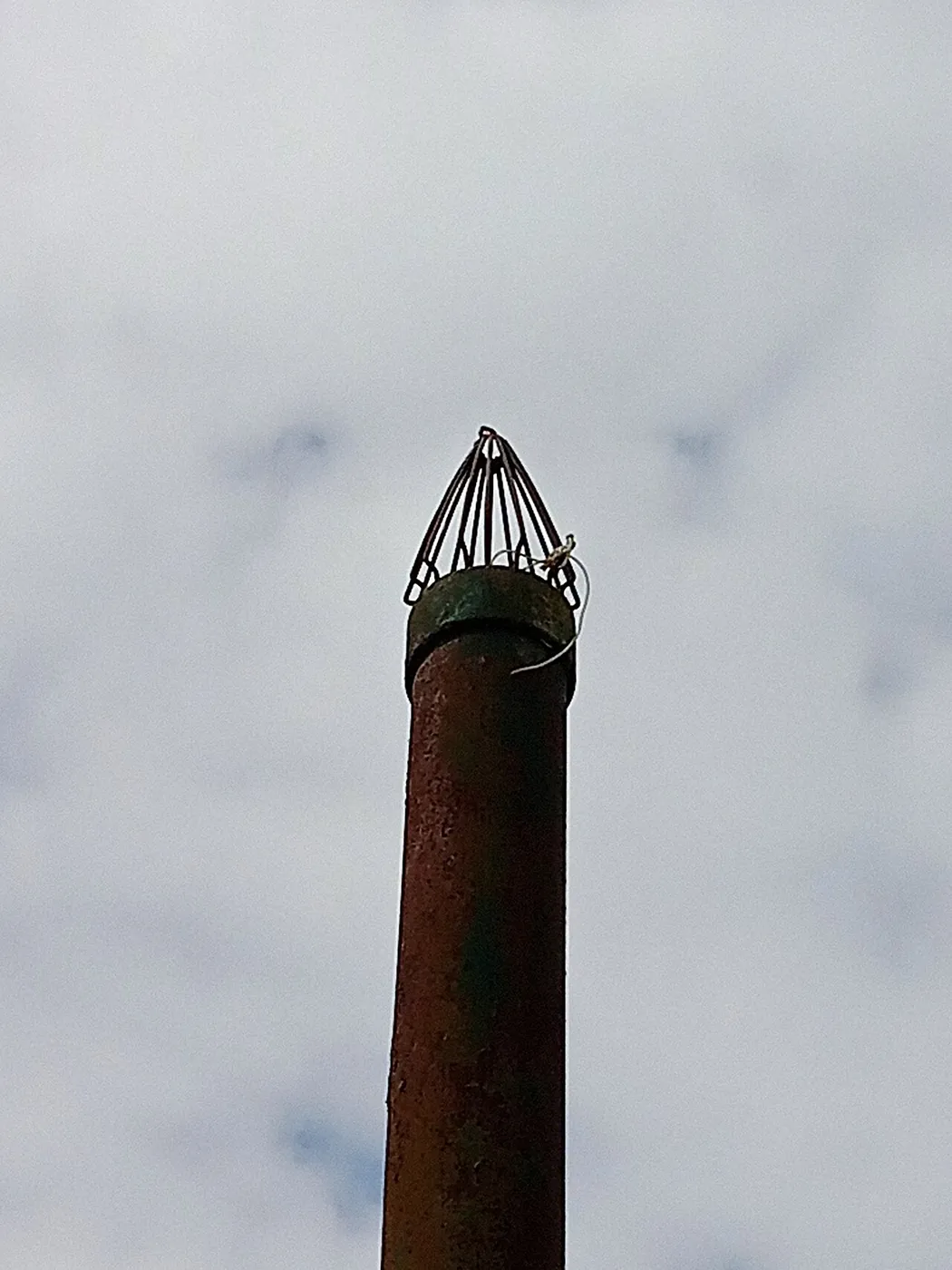
- Missing or stuck damper. The exterior vent cap has a damper flap that keeps cold air and pests out. If it is stuck shut, the fan cannot exhaust. If it is missing, cold air pours in and condensation forms inside the duct.
- Undersized duct. A high-CFM fan on a small duct cannot reach its rated airflow. Match the duct diameter to the fan's requirements, usually 4 or 6 inches.
If you can safely access your attic, trace the fan duct and confirm it connects firmly at both ends and terminates at an exterior cap. In winter, look for frost or damp insulation around the duct, which signals a leak or disconnection.
Run-Time Habits That Actually Work
Even a perfect fan fails if it runs for only the length of the shower. Moisture keeps evaporating from wet surfaces for 20 to 30 minutes after the water stops. Use these habits:
- Run the fan during the shower and for 20 to 30 minutes after. This is the single most important habit.
- Install a timer switch. A countdown timer lets you set 30 minutes and walk away. It removes the "I forgot" problem entirely.
- Consider a humidistat control. A humidity-sensing switch runs the fan automatically until room humidity drops to a set level. Ideal for households with kids or guests who never remember the fan.
- Leave the bathroom door slightly open or ensure an under-door gap. The fan needs replacement air to work. A tightly sealed door starves the fan and kills its airflow.
- Squeegee shower walls after use. Removing standing water from tile and glass cuts the moisture load the fan must handle.
- Do not dry laundry in the bathroom. Wet towels and clothes add a huge moisture load to a room that is already working hard.
Moisture or Leak? How to Tell the Difference
Humidity damage and plumbing leaks can look similar: stains, peeling paint, musty smells. Here is how to tell them apart:
- Pattern: humidity damage is broad and diffuse, worst on ceilings and upper walls. Leak damage is localized, often a defined stain that grows from one point.
- Timing: humidity damage appears after showers and improves in dry weather. A plumbing leak keeps growing regardless of shower use, because supply lines are always pressurized.
- The mirror test: if the bathroom fogs heavily during showers, ventilation is part of the problem. If surfaces stay dry during showers but stains still spread, suspect a leak.
- The meter test: turn off all water, watch the meter for 15 minutes. Movement means a pressurized leak, not a ventilation issue.
Both problems can exist at once. A slow valve leak raises baseline humidity, and poor ventilation prevents drying, so the damage compounds. When the signs are ambiguous, professional water leak detection in Lynnwood settles the question with moisture meters and thermal imaging.
Upgrading and Maintaining Your Fan
- Clean the grille and fan wheel yearly. Dust buildup on the blades can cut airflow dramatically. Vacuum the grille and wipe the fan wheel with the power off.
- Replace loud, old fans. If your fan is more than 15 to 20 years old and loud enough that nobody uses it, a modern quiet model pays for itself in moisture damage avoided.
- Check the exterior vent cap. Make sure the damper moves freely and the screen is not clogged with lint or nests.
- Insulate ducts in cold spaces. An uninsulated duct running through a cold attic lets moisture condense inside and drip back down. Insulated duct or a duct wrap solves this.
- Verify the duct is rigid or smooth where possible. Smooth metal duct moves air far better than long runs of flexible duct.
Control the Moisture, Protect the Home
Bathroom exhaust fan moisture problems are slow, quiet, and entirely preventable. The right size fan, vented properly to the outdoors, run for 30 minutes after every shower, stops the cycle of condensation, mold, and paint failure before it starts. Most of the moisture damage we see during inspections traces back to one of three things: a fan that is too small, a duct that never reaches outside, or a fan that gets switched off the moment the shower ends.
Check your fan with the tissue test today, trace its duct if you can, and put it on a timer. And if the moisture signs persist even with good ventilation, the problem may not be humidity at all. It may be a hidden leak. Call ProLine Leak Fix Pros at (425) 380-0028 for professional leak detection across Lynnwood and Snohomish County.