In This Article
Why the Days Before the Visit Matter Most
By the time an insurance adjuster walks into your home, most of the story is already written. It is written in the photos you took on the first day, the meter reading you wrote down, and the order in which you acted. Adjusters assess two things: what caused the damage, and how the damage grew over time. Your documentation answers both. A homeowner who can show a clear timeline, with the source professionally located, makes the adjuster's job easy and the claim conversation factual.
This does not mean staging or exaggerating. It means preserving the honest evidence before cleanup and repair erase it. Water damage changes fast: stains dry, floors get pulled, and wet material gets thrown away. The days between discovery and the visit are your one chance to capture the home as the leak left it.
Start a single claim folder, paper or digital, on day one. Every photo, reading, receipt, and message goes into it in date order. When the adjuster asks when the drying company came or which day the meter stopped moving, you will answer in seconds instead of searching your phone. That organization quietly signals something important: this homeowner documented carefully from the start. It also helps you, because a leak week is stressful and memory is the first casualty of stress.
Photos That Actually Help: A Shooting List
Take many photos, in a deliberate order, with your phone's date stamp on:
- Wide shots first: each affected room from the doorway, so the adjuster can place everything in context
- The source area: the pipe, fitting, appliance, or stain closest to where water entered
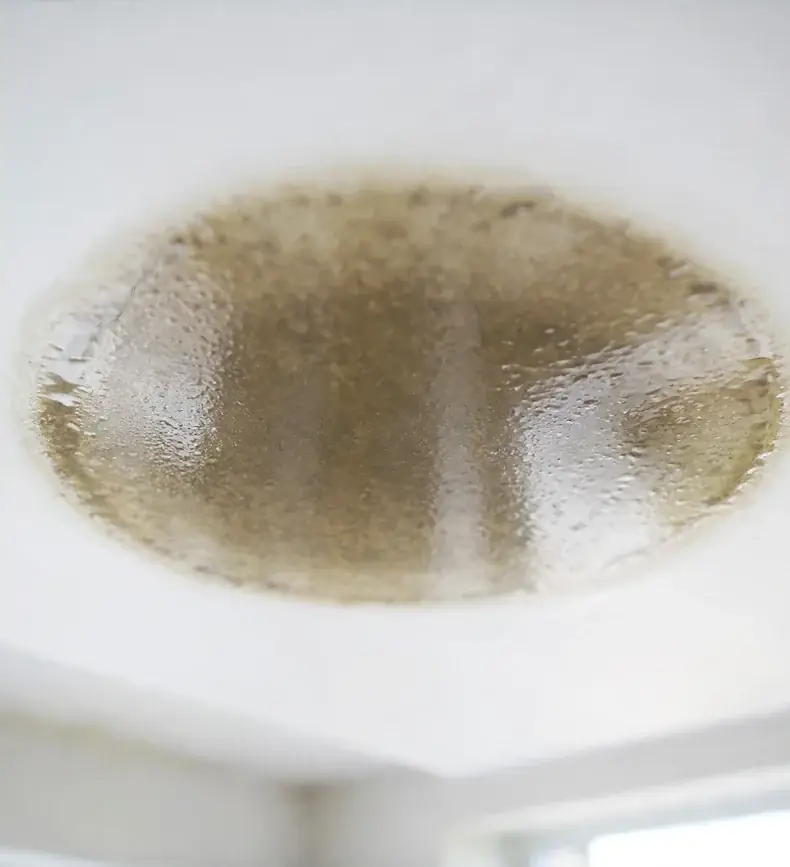
- The damage path: follow the water: wall staining, baseboards, flooring, and the ceiling or room below
- Close ups with scale: a ruler or coin beside cracks, swelling, or mold patches so size is clear
- The meter: a photo of the water meter reading, and the leak indicator if it is moving
- Belongings: any damaged personal property in place, before it is moved or discarded
- Daily updates: the same stain photographed each day shows whether the leak is active or stopped
Back the photos up the same day, and keep the originals untouched. Edited or filtered images raise questions you do not need. A plain, complete set beats a dramatic one every time.
Add two kinds of photos people often forget. First, photograph the rooms from the same spot on different days, so progress or growth is easy to compare. Second, photograph the unaffected version of damaged items where possible: the same flooring in a dry room, or the baseboard profile in a dry hallway. Comparison shots help establish what normal looks like in your home. Also photograph serial plates on damaged appliances, since model information is often requested later and is hard to read once equipment is removed.

Meter Readings and a Written Timeline
Numbers give your photos a backbone. On the day you find the leak, write down the water meter reading and whether the leak indicator moves with all fixtures off. Repeat the reading after any shutoff or repair step and note the time. If your water bills show a sudden jump, keep the before and after bills together. Together, these readings show when water use changed and whether the flow has truly stopped.
Then write the timeline in plain words: when you first noticed the sign, what it looked like, who you called, when the water was shut off, and when detection or repair visits happened. Keep it factual and short. Save related messages, invoices, and visit summaries in the same folder. When the adjuster asks a question in your kitchen, you want to answer from a record, not from memory under stress.
Save your utility records as part of the readings. Download or photograph the water bills covering the months before and after discovery. A visible jump in use that matches your discovery date supports the story that the leak was recent or newly worsened, and stable earlier bills support that it was not ignored for a year. If your provider offers daily or hourly usage data, save that too. Few documents speak as plainly about a hidden leak as the usage graph itself.
Stop the Damage Without Erasing the Evidence
You are expected to limit further damage, so do act: shut off the water to the leaking zone, move belongings out of the wet area, and start drying with fans if it is safe. Photograph each stage before you change it. If material must come out, such as soaked carpet padding, photograph it in place first and keep a small sample if you are advised to. Do not begin the plumbing repair or open walls before the visit unless you must stop an active flow, and if you must, document what was done and keep the failed part.
That failed part matters. A split fitting, a corroded section of pipe, or a failed hose is physical evidence of the cause. Bag it, label it with the date and location, and keep it for the visit. Homeowners in Lynnwood often find that this simple habit answers the adjuster's biggest question faster than any description could.
Be careful with cleanup help and repairs before the visit. Well meaning friends may urge you to rip out wet drywall at once. Unless material is unsafe or actively dripping, photograph everything first and ask the insurer what they need to see. If emergency work truly cannot wait, keep every removed piece you reasonably can, note who did the work and when, and save the invoice. Emergency steps taken to stop active water are normal and expected; undocumented demolition is what creates problems.
Get the Source Located Before the Visit
The strongest item in your file is a professional detection finding that names the exact source. A technician confirms the leak at the meter, isolates the zone, and pinpoints the failure with acoustic listening and thermal imaging, then records the moisture pattern the leak created. That report gives the adjuster a verified cause, a defined area of damage, and a date when the leak was confirmed active, all from an independent visit.
ProLine Leak Fix Pros provides this detection across Lynnwood and Snohomish County, using acoustic, thermal imaging, and tracer gas methods without opening walls on a guess. Scheduling detection before the adjuster visit means the conversation starts from a located fact, and your repair plan, the drying plan, and the claim all point at the same small area of the home.
On the day of the visit, plan to walk the adjuster through the home in the order the water traveled: source first, then the damage path, then the rooms below or beyond. Have your folder open and your detection report on top. Answer questions from your records, and if you do not know something, say so and offer to find out. A calm, documented walkthrough makes the assessment faster and more accurate, which is exactly what a fair outcome needs from both sides.
Walk In With a File, Not Just a Story
You cannot control how a policy is written, but you can control the quality of your evidence. Wide and close photos with dates, meter readings, a short written timeline, the failed part kept and labeled, and a professional finding of the source: that file makes you the easiest claim on the adjuster's schedule to understand and verify.
If an adjuster visit is coming and the source is still unlocated, fix that first. Call ProLine Leak Fix Pros at (425) 380-0028 and get the leak pinpointed and documented before the visit, so your claim rests on facts.