In This Article
You noticed it last month: a faint tan circle on the ceiling, easy to ignore. This week it is darker, wider, and the edge looks like a coffee ring that keeps expanding. A stain that changes is not an old scar. It is a progress report from a leak that is still active somewhere above that ceiling, and every day it grows, the wet area above it grows too.
This guide shows you how to read a ceiling stain the way a leak detective does: what the color and shape tell you, how to map its growth, which sources hide above ceilings, what to do in the first hour, and how professionals confirm the exact source without tearing the ceiling apart on a guess.
What the Stain Itself Is Telling You
A brown ceiling stain is dried evidence. Water picked up color from wood, dust, and the paper facing of the drywall as it traveled, then left those minerals and tannins behind each time it dried. The dark outer ring is the oldest edge, where dirty water pooled and evaporated many times. A lighter center usually means water arrives there first and stays wet longer. When the ring keeps moving outward, fresh water is still reaching the ceiling and spreading through the drywall like ink through a paper towel.
Touch tells you more. A stain that feels soft, cool, or slightly spongy is wet right now. Paint that bubbles or flakes over the stain means moisture is trapped between the paint film and the board. A stain that is bone dry and unchanged for months may be a memory of a leak that was already repaired. The test is change. If the outline moves, the color deepens, or the surface feels damp after rain or after someone showers upstairs, treat it as a live leak until a real check proves otherwise.
Map the Growth Before You Do Anything Else
Your first job is to turn a vague worry into data. Tracing the stain takes five minutes and gives any technician a head start:

- Outline it lightly. Draw a soft pencil line around the current edge and write today's date beside it.
- Photograph it. Take one wide shot showing the whole room and one close shot with a coin or ruler for scale.
- Note the timing. Check the stain after showers, baths, laundry runs, and heavy rain, and write down when it looks darker or feels damp.
- Feel the floor above. If a bathroom, laundry, or kitchen sits over the stain, check that floor for soft spots, loose tiles, or damp grout.
- Watch your water meter. If the leak indicator moves while no water is in use, a pressurized line is feeding the stain.
This simple map separates the two big families of ceiling stains. A stain that grows after rain points upward, toward the roof, flashing, or a vent stack. A stain that grows after the upstairs shower points at that bathroom's drain, valve, or grout lines. A stain that grows a little every day, rain or shine, usually means a pressurized supply line is dripping steadily above the ceiling.
The Usual Sources Hiding Above a Ceiling
In Lynnwood homes, a growing ceiling stain most often traces back to one of a short list of culprits. Bathroom plumbing is the leader: a worn wax ring under a toilet, a cracked shower drain, a slow drip at a tub valve, or failed caulk that lets splash water slip behind the surround with every shower. The water rarely falls straight down. It runs along a joist or the top of the drywall and appears a few feet away from the real source, which is why guessing the spot so often fails.
Supply lines come next. A pinhole in a copper line or a tired fitting inside the ceiling can mist or drip for months, soaking insulation before the stain below ever shows. Then come the weather sources: worn roof flashing around vents, a cracked vent boot, or an ice dam backup in a cold snap. Finally, heating and cooling equipment in the attic can drip from a blocked condensate line. Each source leaves a different growth pattern, and your timing notes from the mapping step are what separate them.
One more habit separates homeowners who catch these leaks early from those who meet them as emergencies: look up. Once a month, during a normal walk through the house, scan every ceiling with fresh eyes, especially under bathrooms, laundry rooms, and the water heater. You are not hunting for drama. You are giving yourself a baseline, so a new shadow or a faint ring registers the week it appears instead of the season after. Ceiling stains grow in the dark, literally, because the wettest action happens above the board where nobody looks. A thirty second scan, plus the dated pencil outline habit when you do find something, turns an invisible process into a visible one with a timeline attached. That timeline is gold for any technician, because a stain that took six months to reach its size tells a very different story from one that doubled in a week, and the response each one deserves is different too.
What to Do in the First Hour
While the detective work waits, protect the room. Move furniture, electronics, and anything absorbent out from under the stain. If the ceiling bulges, water is pooling on top of it, and a bulging ceiling can release suddenly. Keep people and pets out from under a sagging section and call for help promptly rather than poking at it yourself. Place a bucket under any active drip and lay a towel or plastic sheeting to catch splashes.
If the stain is actively dripping and you suspect a plumbing source, shutting off the water to the room above, or the whole house at the main valve, stops the damage clock while you arrange detection. Take a few more photos for your records before anything dries or gets cleaned up. Then resist the urge to paint over the stain. Paint seals the evidence in, hides future growth, and guarantees you will not notice when the leak gets worse. Find and fix the source first. The stain can be primed and painted once the ceiling is verified dry.

How Professionals Confirm the Source Without Guesswork
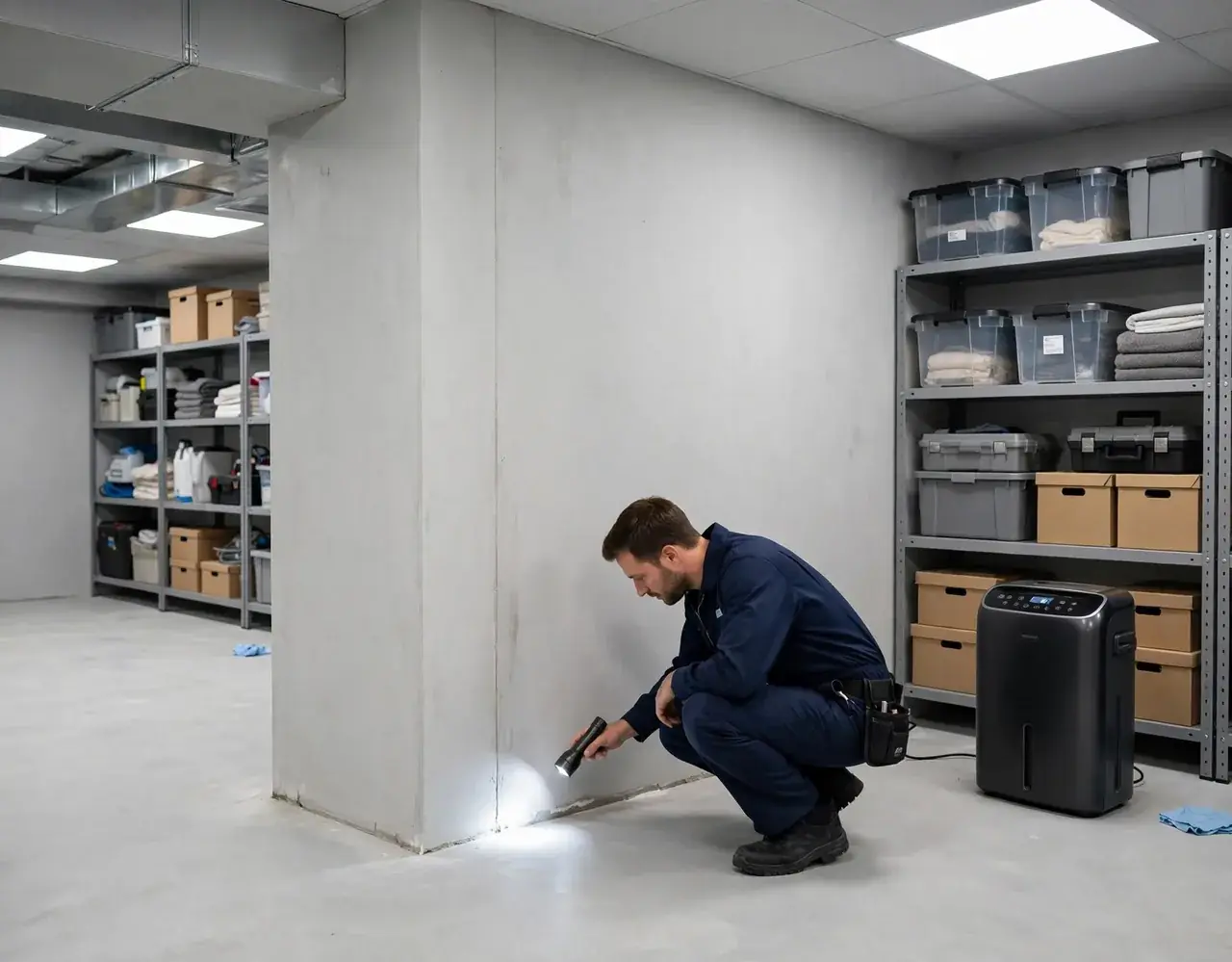
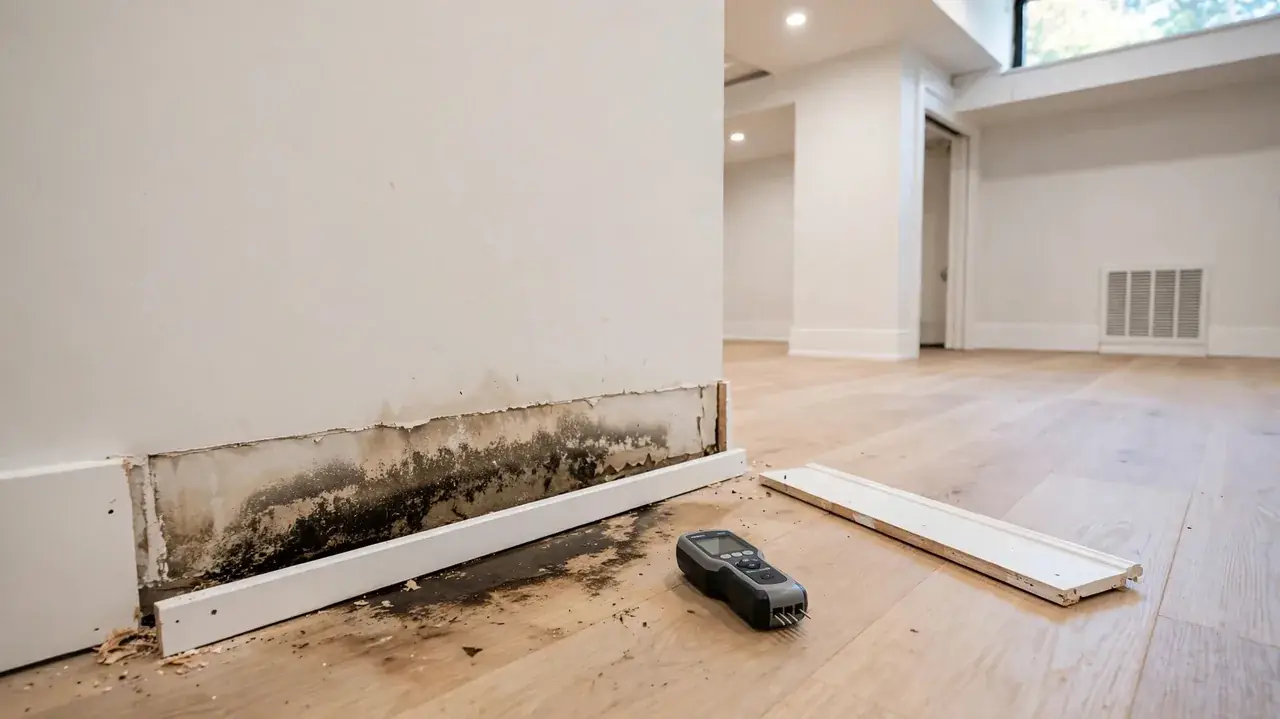
A leak detection visit for a ceiling stain starts with your map, then adds instruments. A moisture meter reads how wet the ceiling board is and where the wettest point sits, which often sits offset from the visible ring. Thermal imaging scans the ceiling and the floor above, showing the cool signature of evaporating water and the path it travels. Acoustic listening gear can pick up the hiss of a pressurized line dripping inside the ceiling cavity, and a pressure test on the plumbing confirms whether a supply line is losing water at all.
For bathroom sources, controlled testing settles arguments: one fixture at a time is run or filled while the ceiling below is watched and metered, so the exact fixture that moves the needle identifies itself. This is the approach ProLine Leak Fix Pros uses across Snohomish County: water leak detection that proves the source first, so the only opening made is a small, targeted one right where the problem lives.
Conclusion: A Growing Stain Is a Clock, Not a Cosmetic Problem
A ceiling stain that grows is water on the move, and water on the move always finds more material to damage: insulation, joists, drywall, and eventually the floor finish below. The good news is that a stain gives you a map, a timeline, and a head start, if you document it instead of painting over it. Outline it, photograph it, note what makes it grow, and protect the room underneath.
If your stain is spreading, feels damp, or sits under a bathroom, get the source confirmed while the opening can still be small. ProLine Leak Fix Pros finds the exact source above ceilings in Lynnwood homes with moisture mapping, thermal imaging, and acoustic listening, so the repair starts at the right spot the first time.