In This Article
You have washed the curtains, scrubbed the bathroom, emptied the closet, and run the dehumidifier for a week. The house smells better for a day, then the same stale, earthy odor creeps back, strongest in one room, one corner, one wall. A musty smell that survives honest cleaning is almost never a cleaning problem. It is a moisture problem with a mailing address somewhere in the structure.
This guide explains what makes the musty smell, how to follow it using the gradient method, the hiding places that feed it, and how professionals confirm the hidden source so the odor ends for good instead of being perfumed over.
What a Musty Smell Actually Means
That stale odor comes from microbial growth feeding on damp building materials: the paper backing of drywall, wood framing, carpet padding, insulation, and dust trapped in wet places. The organisms release gases as they grow, and those gases are what your nose reads as musty. The important point for a homeowner is simple: the smell needs steady moisture to keep going. A one time spill that dried fully stops smelling. An odor that returns week after week is being fed by water that is still arriving or still trapped.
This is also why air fresheners and ozone gadgets disappoint. They treat the air in the room, not the damp cavity behind the wall that keeps producing the odor. As long as the hidden material stays wet, the smell rebuilds within days. The fix is always the same order of operations: find the water, stop the water, dry or remove what stayed wet, and the smell fades because its fuel is gone.
Follow the Gradient: Your Nose as a First Tool
Odor has a geography. It is strongest at the source and weaker with distance, and you can map it with a little patience:

- Start fresh. Come in from outside and note the first room where the smell registers. Your nose adapts fast, so first impressions count.
- Work the walls. Sniff along baseboards, inside closets, and under sinks. Note the single wall or corner where the odor peaks.
- Check low and enclosed. Smell the carpet at the wall line, the back of cabinets, and the cavity under a tub access panel if you have one.
- Compare times. Note whether the odor is stronger after showers, laundry, rain, or first thing in the morning.
- Write it down. A simple map of strongest and weakest spots gives a technician a running start.
The peak of the gradient is rarely the whole story, because odor travels through wall cavities and along duct runs. But the pattern narrows the search enormously: a peak at a bathroom wall points to plumbing, a peak at an exterior wall after rain points to intrusion, and a peak at floor level with no wall symptoms can point under the slab or into the crawl space.
The Usual Hiding Places That Feed the Smell
In Lynnwood homes, persistent musty odor most often traces to a short list of damp hiding places. A slow leak inside a bathroom wall keeps the cavity damp and invisible. A slab leak warms and wets the flooring from below, feeding odor through carpet padding that never fully dries. A crawl space with a dripping line or standing water after rain perfumes the whole ground floor through the subfloor. Around tubs and showers, failed caulk and grout let daily splash water soak the wall base a little at a time.
Appliances deserve a check too. A washing machine hose or drain that weeps behind the unit, a refrigerator line that drips under the floor, or a water heater pan that stays wet can each feed a local odor that seems to come from nowhere. The common thread is that none of these show a dramatic puddle. They leak at the pace of a drip or a seep, which is exactly the pace that keeps materials damp and odor alive without ever announcing itself.
While you map the gradient, pay attention to the rooms you rarely enter. Spare bedrooms, finished basement corners, and guest bathrooms are where hidden moisture does its longest undisturbed work, because nobody runs their fixtures, opens their closets, or notices their smells for weeks at a time. A guest bathroom with a slow valve leak can perfume an entire hallway before anyone connects the dots. Make it a habit to open every closet and under sink cabinet in the home once a month, take one honest sniff, and look at the cabinet floor and the wall base. You are building a scent baseline for the whole house, the same way the ceiling scan builds a visual one. When one room drifts away from its baseline, you will know within a month of the change, and a month of hidden moisture is a drying job, while a year of it is a demolition job.
What Not to Do While You Hunt the Source
A few common reactions make the problem harder to solve. Sealing a musty closet or room with fresh paint traps odor in the material and hides the growth behind a new film. Running a strong ozone generator in an occupied home is not a fix and can irritate lungs. Tearing out drywall at random, before any moisture mapping, usually opens the wrong bay and leaves the wettest material in place. And ignoring the smell because nothing looks wet is the costliest option: the materials feeding the odor are slowly weakening the whole time.
Safer steps are simple. Ventilate the room, run a dehumidifier to slow things down, keep stored items off a suspect floor, and avoid disturbing large areas of suspect material until you know what you are dealing with. Then get the moisture mapped. Guessing at an odor source wastes openings and drywall. Measuring finds the wettest point first, and the wettest point is where the answer lives.
How Professionals Pinpoint the Hidden Moisture
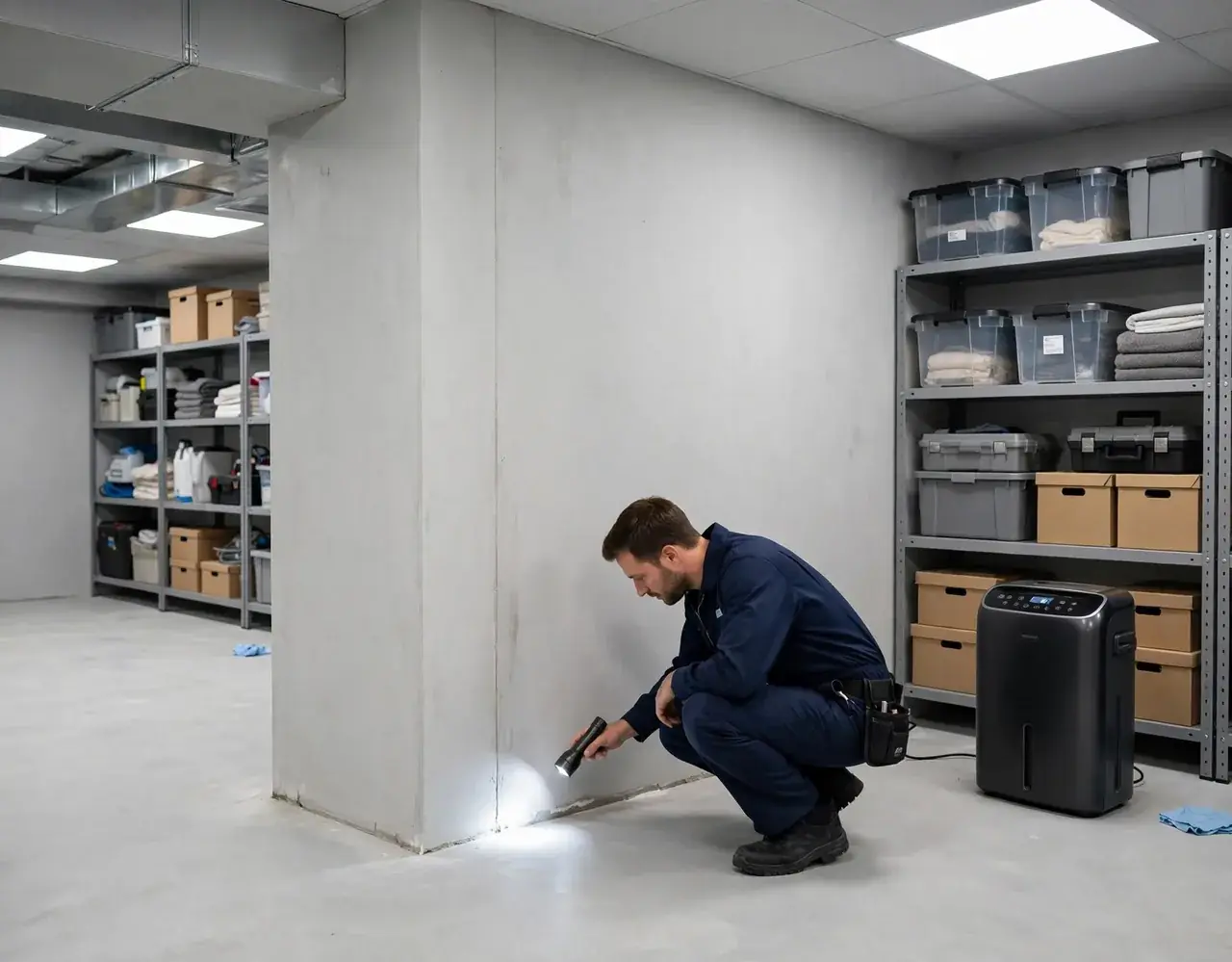
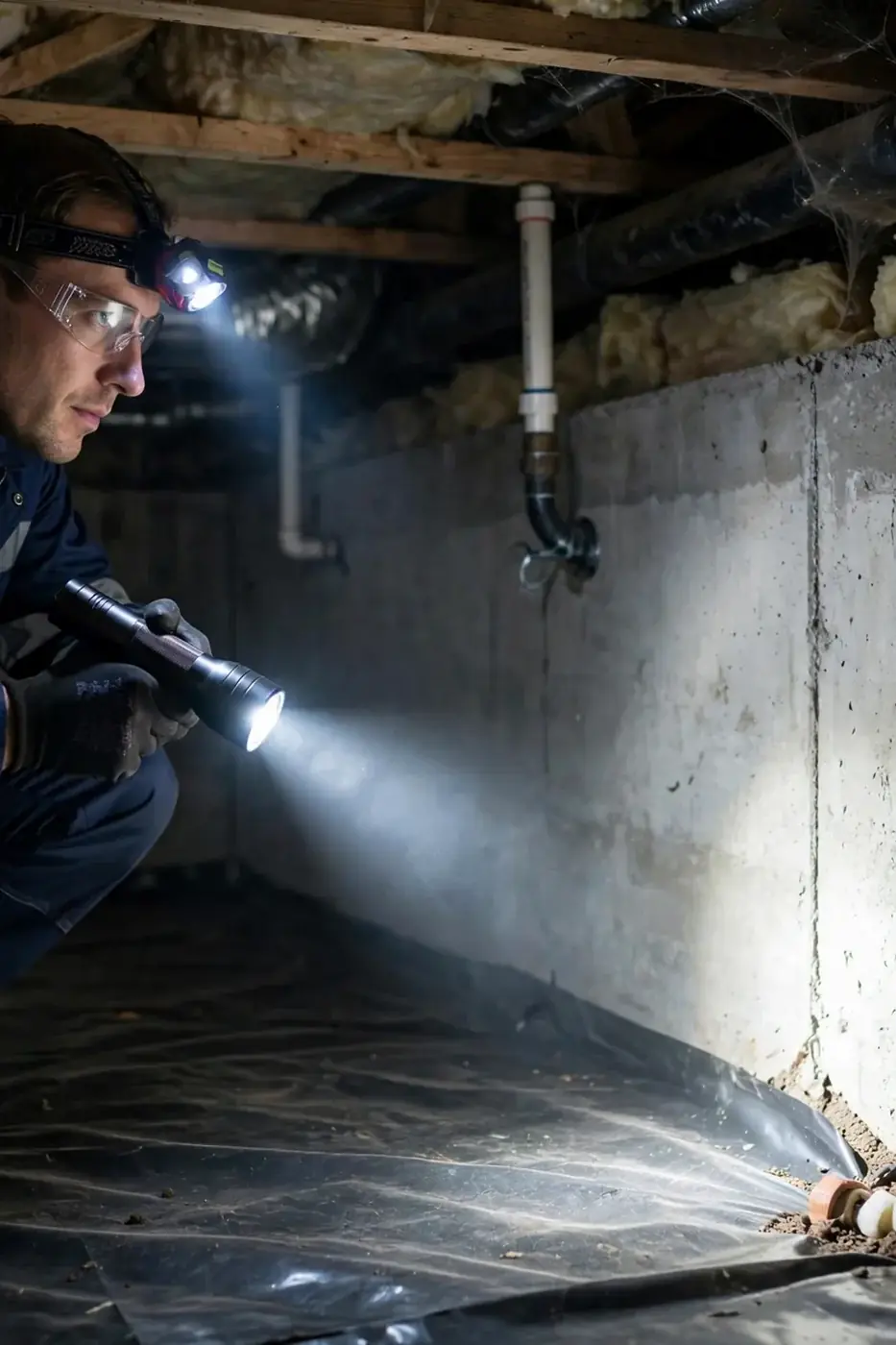
A professional visit turns your odor map into a moisture map. Pin and pinless moisture meters survey the walls, baseboards, and floors around the odor peak, and the readings draw the true shape of the wet zone, including parts your nose cannot separate. Thermal imaging scans for the cool pattern of evaporation inside walls and under floors, often revealing the path water takes from its entry point. Acoustic listening checks pressurized lines in the suspect area, and a water meter test confirms whether the home is losing water at all.
When the readings point under a floor or inside a specific wall bay, a small, targeted confirmation opening or a tracer gas test verifies the exact spot before any repair begins. ProLine Leak Fix Pros follows this measured route on hidden leak detection visits across Snohomish County, because an odor problem ends only when the moisture feeding it is found and stopped at the source.
Conclusion: The Smell Is a Symptom, the Moisture Is the Problem
A musty smell that will not go away is your home reporting a damp place it cannot dry on its own. Follow the gradient to the peak, check the usual hiding places, and resist the urge to paint, seal, or perfume over it. The odor is not the enemy. It is the most honest leak alarm you own, and it will keep sounding until the water stops.
If the smell keeps returning to the same wall, closet, or room, have the moisture mapped properly. ProLine Leak Fix Pros finds the hidden water behind persistent odors in Lynnwood homes and confirms the exact source, so drying and repair solve the problem instead of covering it.