In This Article
Tile is supposed to feel like rock. So when a bathroom or kitchen floor starts to give a little under your step, when grout lines crack in a pattern, or when a tile sounds hollow and feels springy near the tub, something underneath has changed. Tile itself does not get soft. The layers below it do, and they get soft for one main reason: water has been living there.
This guide explains how a tile floor is built, what sponginess says about each layer, the leaks that soften floors from below, and how professionals confirm the problem and its source before any tile comes up.
How a Tile Floor Is Built, Layer by Layer
A tile floor is a sandwich. On top sits the tile and grout, decorative and hard but not waterproof. Below that is the mortar bed or cement backer board that gives the tile its flat, rigid base. Under that is the subfloor, usually plywood or OSB panels, carried by the joists. In a shower or bath area, a waterproof membrane or pan is supposed to catch water and send it to the drain. Every layer below the tile depends on staying dry to stay strong. Plywood and OSB in particular lose stiffness quickly when they stay wet, swelling, softening, and eventually breaking down.
That structure explains the symptom. When you step on tile over a healthy sandwich, nothing moves. When the subfloor below has softened, the whole sandwich flexes a fraction under your weight. The tile rides the flex, grout cracks at the joints because grout cannot bend, and tiles may loosen or sound hollow where the bond has let go. Sponginess is therefore not a tile defect. It is a structural report from the layers you cannot see.
Signs That Travel With a Spongy Floor
A soft floor rarely travels alone. Check for its companions:
- Cracked or crumbling grout in lines that keep re cracking after repair
- Loose or hollow sounding tiles when you knock along the floor
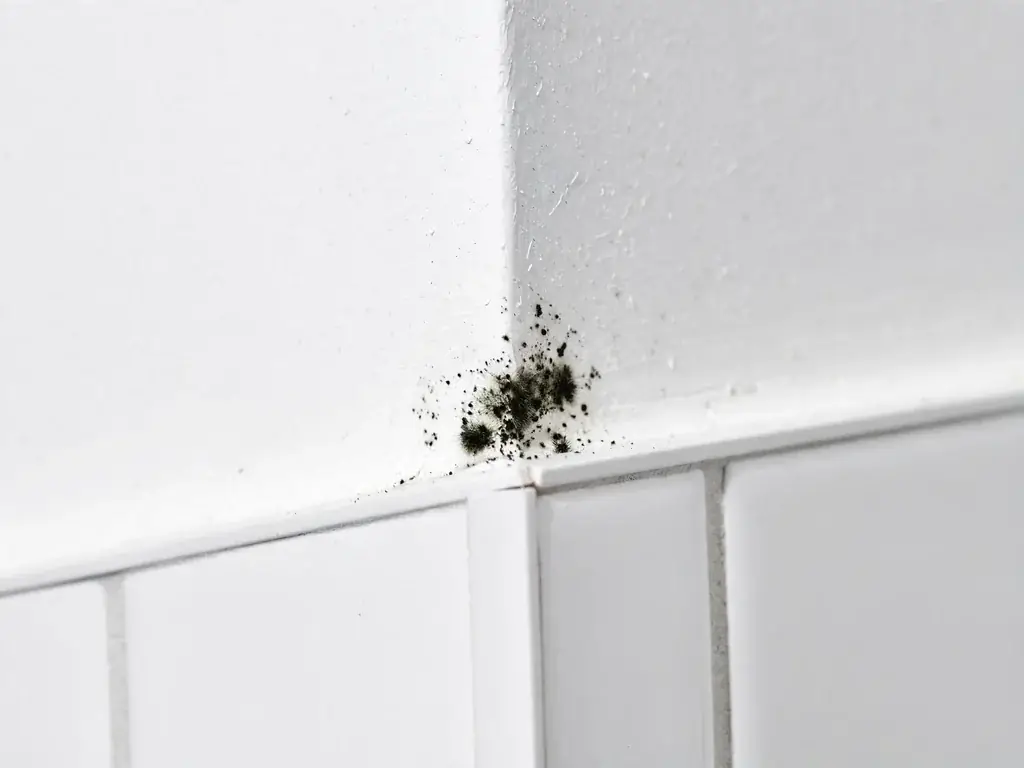
- Dark grout that never dries near a tub, shower, or toilet, even days after use
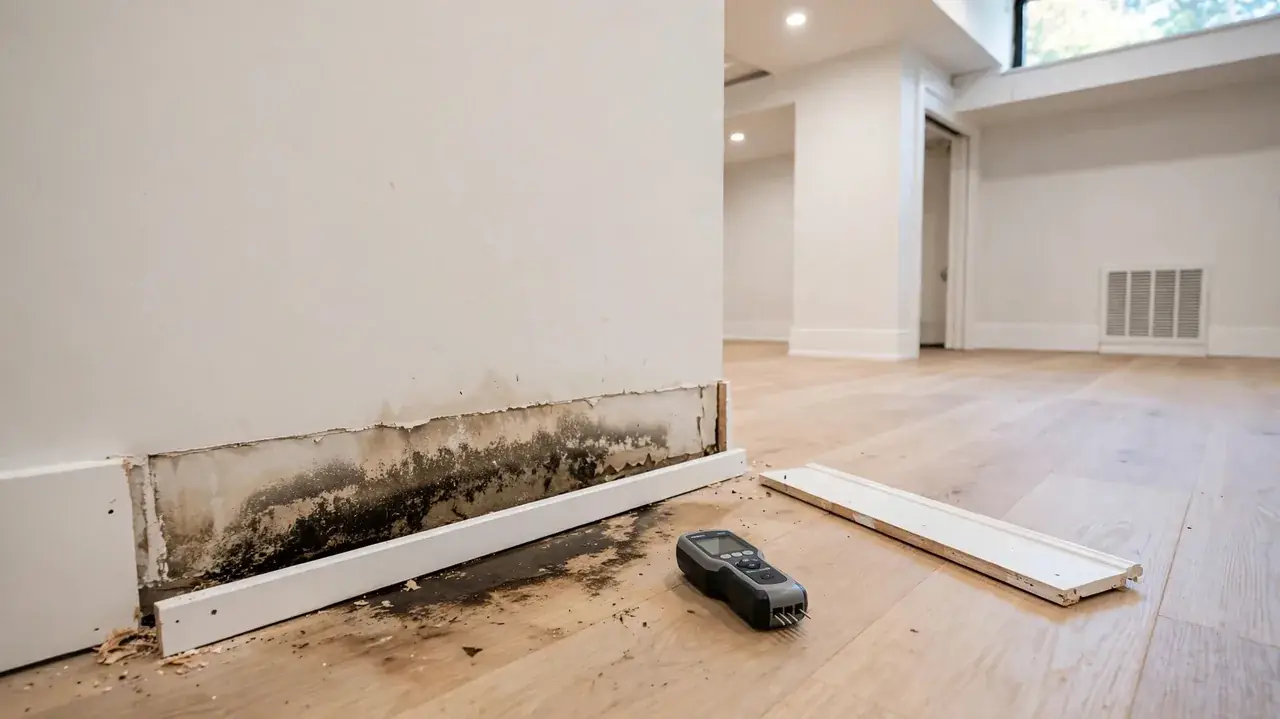
- Swollen baseboards or a musty smell at the edges of the same room
- A stain on the ceiling below that lines up with the soft area above
Location sharpens the diagnosis. Softness in front of a tub points at the tub's drain, overflow, or the splash zone at its edge. Softness around a toilet points first at the wax ring seal under the base. A soft patch in the middle of a kitchen can follow a dishwasher or refrigerator line that has been dripping under the cabinets and migrating out. Softness that spreads along a whole wall suggests a supply or drain line inside that wall leaking down into the floor system.
The Leaks That Soften a Floor From Below
Bathroom plumbing is responsible for most spongy floors in Lynnwood homes. A toilet wax ring that has lost its seal lets a small amount of water escape at the floor line with every flush, and it soaks the subfloor in a ring exactly where you later feel the give. A shower pan or membrane that has failed lets shower water into the floor sandwich daily. A tub drain or overflow gasket that weeps does the same on a slower schedule. Each of these leaks is small, hidden, and perfectly positioned to damage the floor.
Supply and drain lines under the floor add quieter cases: a pinhole spray in a crawl space can wet the underside of a subfloor for months, softening it from below while the room above looks normal. The common thread is duration. Floors do not go spongy after one wet weekend. They go spongy after water has visited the same layers again and again, which is why finding the source matters as much as fixing the floor.
There is also a sound test worth adding to your survey. Walk the floor slowly in hard soled shoes and listen. Tile over a sound subfloor answers with a short, hard click. Tile over a softened or separated layer answers duller, sometimes with a faint crunch as cracked grout or loose mortar shifts under your weight. Tap tiles individually with a knuckle or a coin as well: bonded tiles ring solid, while tiles whose mortar bed has let go sound hollow and drum like. Mark hollow and dull areas with tape as you go. The taped map usually outlines the damage more honestly than your feet alone, and it shows whether you are dealing with a corner of failed installation or a spreading moisture problem. A hollow patch that grows between checks, especially near plumbing, belongs in the moisture column until a meter reading proves otherwise.
What to Do Once a Floor Feels Soft
Treat a spongy floor as a stop sign for that room's water use until you know more:
- Note the soft zone. Mark the area lightly with tape and photograph the grout damage for the record.
- Reduce water on it. Use another shower if you can, and avoid soaking the floor while the source is unknown.
- Check below. Look at the ceiling or crawl space under the soft area for stains, drips, or damp wood.
- Do not just re grout. Fresh grout over a wet, flexing floor cracks again and hides the evidence trail.
- Get the moisture mapped. Readings through the floor system show how far the damage spreads and where it peaks.
Avoid tearing up tile as a first move. Tile removal is sometimes needed, but the first tiles to lift should be chosen by moisture readings, not by curiosity. A measured approach can limit demolition to the area that is truly damaged and point the repair at the leak that caused it.

How Professionals Confirm What Is Under the Tile
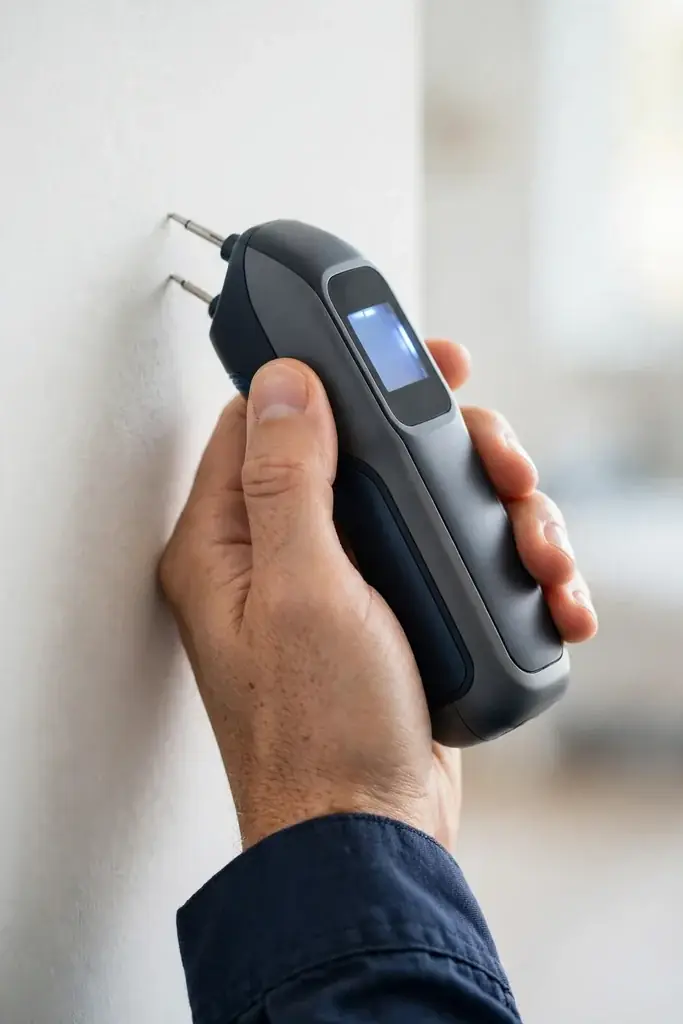
Pros read the floor before they open it. Moisture meters survey the tile field and the ceiling or subfloor below, drawing the wet zone and its peak. Thermal imaging can reveal the cool pattern of a wet area spreading under tile from a shower, toilet, or line. From a crawl space or a ceiling below, the underside of the subfloor often tells the story directly: staining, softness, and active drips are visible there without disturbing a single tile.
Fixture tests then isolate the source: the toilet, tub, shower, and each supply connection are checked and run one at a time while readings below are watched. ProLine Leak Fix Pros uses this measured sequence for moisture and leak inspections across Snohomish County, confirming both the damage map and the leak behind it, so the floor repair and the plumbing repair happen in the right order.
Also note the season. A floor that softens in step with the wet months may be drinking from below grade, while one that worsens steadily all year is almost always fed by plumbing in the home.
Conclusion: Soft Tile Means a Wet Sandwich, and a Leak to Find
A spongy tile floor is the structure asking for help. The tile is fine. The layers below it are wet and weakening, and they will keep weakening until the water stops. Map the soft zone, check what is below it, and resist cosmetic fixes that bury the evidence. Source first, drying second, floor repair third: that order turns a growing problem into a finished one.
If a tile floor in your Lynnwood home has started to give underfoot, have it measured and traced promptly. ProLine Leak Fix Pros finds the water under tile floors and confirms the exact source, so the repair fixes the cause and not only the symptom.