In This Article
Why Bugs Find Leaks Before Homeowners Do
A hidden leak creates a microclimate: wood that stays damp, insulation that never dries, soil under a slab or in a crawl space that is always moist. Insects sense humidity differences far better than people do, and many species simply cannot survive in dry material. So they concentrate at the one wet spot in an otherwise dry house, and that concentration is the clue.
This is why the pattern matters more than the pest. A few outdoor bugs wandering in during summer means little. The same species appearing in the same room, in the cold months, around the same baseboard or drain, week after week, is a population living somewhere close. In Lynnwood homes, with our long wet season, a leak fed damp zone stays attractive to pests nearly all year.
The 7 Bugs That Most Often Point to Hidden Water
These seven show up again and again where hidden moisture is later confirmed:
- Drain flies: tiny, fuzzy, moth like flies at sinks and tubs; their larvae live in wet film, including film fed by cracked drain pipes outside the drain itself
- Cockroaches: especially German and American roaches cluster where warmth meets steady water, like leaking supply lines under sinks and behind appliances
- Silverfish: these silvery, fast insects eat paper and glue but need high humidity, so they gather in bathrooms and walls kept damp by a slow leak
- Carpenter ants: they do not eat wood, they excavate it, and they strongly prefer wood softened by moisture; a trail of them indoors often starts in leak dampened framing
- Termites: subterranean termites need soil moisture and damp wood; a chronic plumbing leak can give a colony the water bridge it needs to reach and feed on your framing
- Springtails: tiny jumping insects that feed on mold and fungi in saturated material; swarms at windows, tubs, and basement walls signal material that stays wet
- Booklice: nearly invisible specks that graze on microscopic mold; they only thrive where humidity stays high, such as wall cavities damp from a hidden pipe leak
Each of these is really reporting the same fact in a different way: somewhere nearby, material is wet often enough to grow the film, mold, or softness they depend on.
Where to Look Once the Bugs Point the Way
Let the pests narrow the search area, then inspect with moisture in mind:
- Follow the concentration. The room and wall where the bugs cluster most is your center point. Check the fixtures on that wall and the room below it.
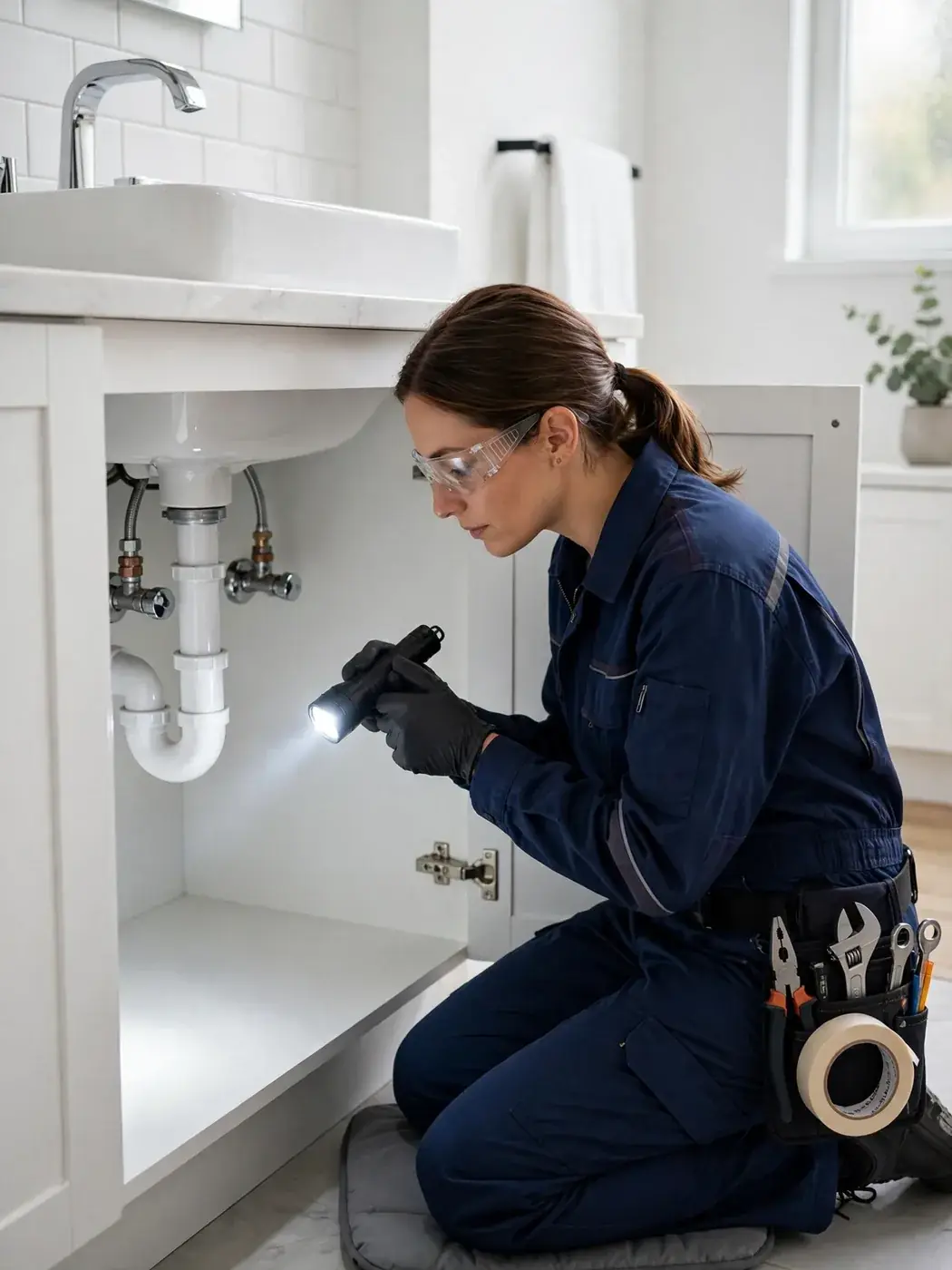
- Check under every sink nearby. Open cabinets, look for warped cabinet floors, water stains, and damp smells around traps and supply connections.
- Inspect baseboards and flooring edges. Swelling, soft spots, peeling paint, and grout that stays dark suggest water wicking from inside the wall or floor.
- Look below. Pests at a ceiling line or in a basement under a bathroom often sit directly under the leak. Stains and damp joists complete the picture.
- Check the crawl space if you have one. Steady dripping or wet soil under a bathroom or kitchen is a common find when bugs gather above it.
Photograph what you find, including where the bugs appear. The map you build is the same map a technician will build, and yours is free.
What Bugs Do Not Prove, and Other Causes to Rule Out
Honesty matters here: bugs are a clue, not a diagnosis. Condensation on cold pipes and toilet tanks can keep a wall damp without any leak. A slow drip from a roof issue or a window seal can feed the same pests. High indoor humidity alone, especially in bathrooms with weak exhaust fans, can support silverfish, springtails, and booklice with no pipe problem at all.
The way to separate these is pattern and persistence. Condensation comes and goes with weather and showers. Humidity follows ventilation habits. A leak is steady: the damp spot persists through dry weather, the pests stay through every season, and the affected area slowly grows or worsens. If your checks show a damp zone that never dries even when the weather and the house are dry, water is arriving from a pipe, and it is time to test rather than guess.
How Professionals Confirm the Water Behind the Bugs
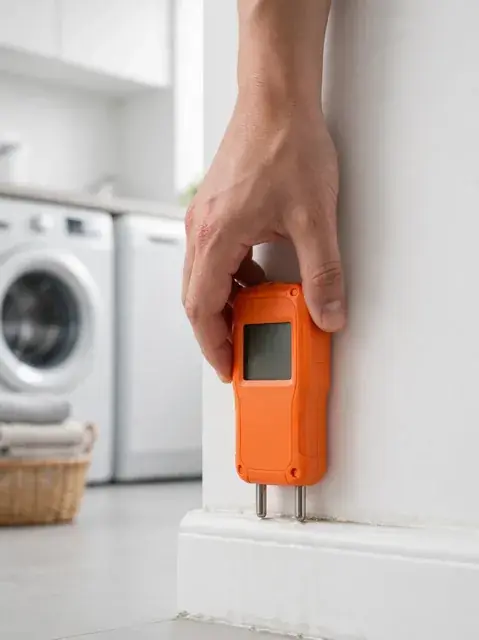
Confirmation starts with moisture mapping: meters measure dampness inside walls, floors, and framing around the area the pests identified, tracing the wet zone back to its highest, most saturated point, which is usually near the source. Thermal imaging adds the picture, showing the temperature pattern of hidden moisture spreading from a pipe or fixture.
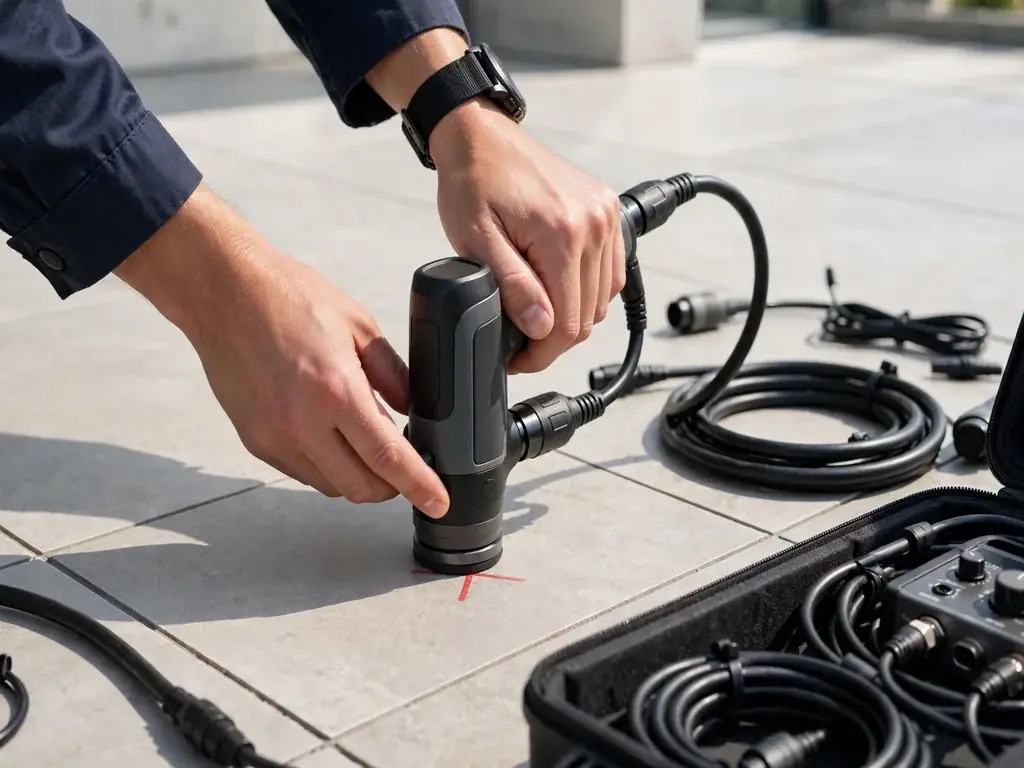
From there the method matches the suspect. Acoustic listening can pinpoint a pressurized supply line leak inside a wall. Hydrostatic testing proves whether a drain line holds water, and a camera can inspect the drain itself. ProLine Leak Fix Pros works this way across Snohomish County: follow the evidence the pests provided, measure the moisture, then test the pipe. Drying the source ends both the damage and the bug problem, because a dry wall is a home none of these species can use.
Timing is another pattern worth recording. Note when each pest appears: carpenter ant activity that peaks in spring, right when colonies send out workers, combined with damp baseboards, tells a stronger story than the same ants in a dry wall. Springtails often explode in number right after a leak gets worse, because the mold they feed on blooms with fresh moisture. A sudden change in a familiar pest pattern, more of them, a new room, a new season, often means the moisture changed first. Write down dates, rooms, and what the weather was doing. Three or four short notes across a month can show a technician whether the dampness is steady, which means plumbing, or tied to storms, which points at the building shell instead. Either way the bugs have done the detection work. The notes simply make their report readable.
Conclusion: Treat Persistent Bugs as a Moisture Report
A stray insect is just an insect. A steady population of moisture loving bugs in one place, in every season, is a report about hidden water, filed by creatures that can sense dampness better than any homeowner. Note the species, map where they gather, rule out condensation and humidity, and have persistent dampness tested. The bugs found the leak first. Your job is simply to believe them.