In This Article
How Roots Get Inside a Pipe That Looks Sealed
Sewer lines are built from sections joined together, and those joints are the weak points. Older clay and concrete pipes have joints every few feet. Even sound joints can weep a tiny amount of moisture and vapor into the surrounding soil, especially once the line warms with household wastewater. Roots grow toward exactly that signal. They can travel a surprising distance through soil to reach a promising joint.
Entry starts small: a root tip as fine as a hair works into the joint. Inside the pipe it finds water, warmth, and nutrients, and it branches. Each season the mat gets thicker, and each year the pipe sections can shift slightly as roots expand in the joint, opening it further. Homes in Lynnwood with mature trees and older pipe materials sit in the highest risk group, but any tree planted over or near the line can eventually find it.
The Signs That Point at Roots Specifically
Many drain problems share symptoms, but this combination points hard at roots:

- Clogs that keep returning: the line is cleared, works well for months, then slows again on roughly the same cycle
- Slow drains throughout the house: several fixtures slow together because the mat sits in the shared main line
- Gurgling toilets and tubs: water pushing past the root mat displaces air, which bubbles back through fixtures
- Backups after heavy use: laundry day or a house full of guests overwhelms a line that a quiet day does not
- Sewer odor outdoors: a joint opened by roots can leak wastewater and smell into the soil above the line
- A suspiciously green strip of lawn: grass over a leaking, root filled joint gets watered and fed from below and outgrows the rest of the yard
- Clearing helps less each time: cutting tools trim the mat back, but the roots regrow from the joint, often faster than before
One sign alone can have other causes. Three or more together, especially with big trees near the line, make roots the leading suspect until a camera proves otherwise.
Why Root Problems Follow a Seasonal Pattern
Homeowners often notice the cycle without naming it: drains act up in spring, behave after a clearing, then complain again by the next growing season. Roots grow most actively when trees do, so the mat thickens fastest in the growing months. Meanwhile the material it catches builds up steadily, so the line narrows from both sides at once.
Clearing breaks the cycle temporarily. A cutting blade through the line shaves the mat and restores flow, which is why the house feels fixed. But the entry joint is still open and the root system outside is still alive and still pointed at the moisture. Regrowth is a matter of time, and each round of growth can widen the joint a little more, letting soil in and wastewater out. That slow exchange is what eventually turns a root problem into a pipe problem.
What Not to Do When You Suspect Roots
Two common moves make root trouble worse. The first is repeated chemical root killers poured down drains without ever looking inside the pipe. Used blindly, they can harm the tree you want to keep, and they do nothing for a joint that has already cracked or shifted. The second is endless clearing without inspection. Each visit helps for a while, but if the pipe is breaking down around the roots, you are maintaining a failing line instead of learning its true condition.
Also avoid planting new trees or large shrubs over the line path, and think twice before removing a mature tree purely for this problem. Often the line can be repaired or the joint sealed at the entry point, which solves the issue while the tree stays. The decision should follow what the pipe actually looks like inside, not frustration with the symptoms.
How a Camera Inspection Confirms Roots and Pipe Damage
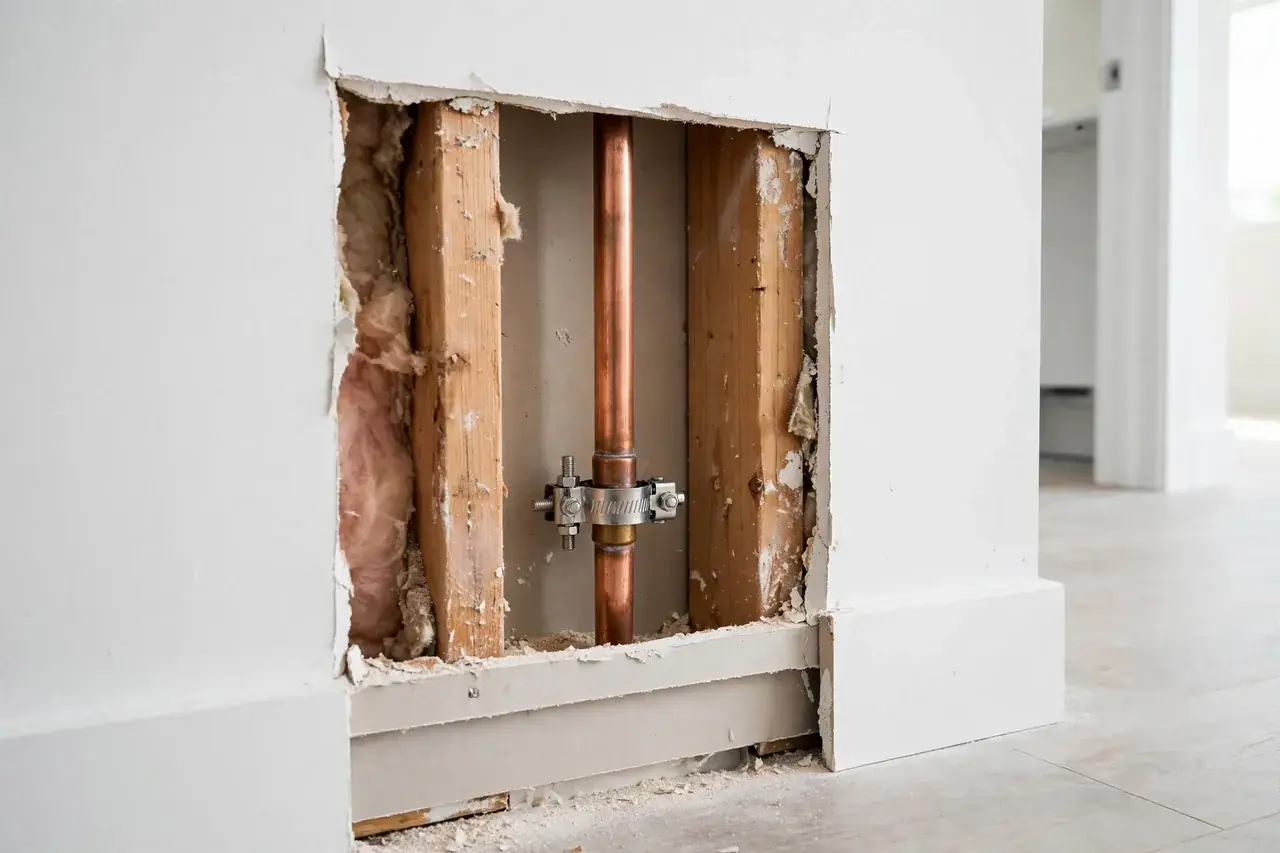
Roots are one of the easiest sewer problems to prove, because you can simply look at them. A sewer camera inspection travels the main line and shows the root mat on screen, the joint it entered through, and the distance from the house. Just as important, it shows what the roots have done to the pipe: fine roots in a sound joint are a maintenance issue, while roots pouring through a cracked, offset pipe are a repair decision.
That distinction drives everything that follows. ProLine Leak Fix Pros uses camera findings across Snohomish County to separate lines that need scheduled care from lines that need a section repaired or replaced at the damaged joint. Either way, you stop guessing. The camera shows the roots, the entry point, and the pipe, and the plan writes itself from there.
Homeowners often ask whether the tree has to go. Usually it does not. The conflict is not really between the tree and the house; it is between the tree and one damaged joint in a pipe. Where the pipe is sound apart from that joint, repairing or sealing the entry point ends the invasion while the tree keeps its place in the yard. Removal becomes a topic only when a tree sits directly on a failing line that needs full replacement, and even then the decision belongs to the homeowner with full information, not to frustration after the third backup. It also helps to remember that roots in the line are a sign the tree found water, which means the line was already leaking vapor or moisture at that joint. The roots discovered the weakness; they did not create it from nothing. Fixing the weakness, not just the roots, is what ends the cycle for good. A line with a sealed, sound joint gives roots no signal to follow and no doorway to enter, so the same tree and the same pipe can coexist quietly for many years afterward.
Conclusion: Returning Clogs Are Roots Until Proven Otherwise
If your sewer line slows down, gets cleared, and slows again on a yearly rhythm, suspect roots, especially with mature trees near the line. The signs are consistent: whole house slowdowns, gurgling, backups under heavy use, and clearing that helps a little less each time. A camera inspection settles it in one visit and shows whether the pipe itself is still sound. That answer is the difference between maintaining a healthy line and rescuing a failing one.