In This Article
How Your Vent Stack Keeps Toilets Calm
Every time water rushes down a drain, it pushes air ahead of it and leaves lower pressure behind it. Vent pipes, which run from the drains up through the roof, solve both problems. They let pushed air escape and let fresh air enter, so pressure stays near normal and the water in each trap stays where it belongs.
The toilet depends on this balance more than most fixtures. Its trap is built into the bowl itself, which is why you see the water sitting there. When pressure in the drain line spikes, that bowl water is the first visible gauge: it ripples, rocks, or bubbles as air forces through. When pressure drops too low, the bowl level can sink as water gets pulled toward the drain. A calm bowl, in other words, means a balanced system.
The Causes, From the Roof Down to the Sewer
Work from the top of the system down when you think about causes:
- Blocked vent stack: leaves, pine needles, or a bird nest at the roof opening starve drains of air, so they pull it through the toilet instead
- Partly clogged main line: grease, roots, or buildup narrow the sewer line, and large flows push air back up through the bowl
- A belly in the line: a sagging pipe section holds standing water, and every flush has to push air across that pool
- Blocked individual vent: a single branch vent can clog and make one bathroom misbehave while the rest of the house stays normal
- A full or failing septic side: in homes on septic, a system that cannot accept water pushes air and bubbles back toward the house
In rainy Lynnwood winters, vent blockages are common after storms drop debris on roofs. Main line causes, though, are the ones to rule out first when bubbling comes with slow drains, because they are the ones that end in a backup.
Three Tests That Separate Vent Problems From Sewer Problems
You can gather strong clues with no tools at all:
- The washer test. Run the washing machine drain cycle and watch the toilet. Strong bubbling during the drain cycle, especially with slow drains elsewhere, points at the main line.
- The sink test. Fill the bathroom sink fully, then let it drain while watching the bowl. Ripples during a small, local drain suggest a vent issue on that branch.
- The two toilet test. Flush one toilet and watch the other. Cross talk between two toilets means the shared line or shared vent is struggling, not either toilet itself.
- The smell check. Bubbling plus sewer odor means air that should exit the roof is entering the room instead, which deserves prompt attention.
Note what happens in each test. A gurgling toilet is rarely a broken toilet, so replacing the toilet almost never fixes it. The pattern you record is what tells a technician where to aim the camera and the testing gear.
What Happens If You Ignore a Bubbling Toilet
A toilet that bubbles is working around a pressure problem, and pressure problems tend to grow. A narrowing main line keeps narrowing. Traps that get pushed and pulled can lose their water seal, and once a trap runs dry, sewer gas has an open path into the bathroom. Bowl water that rocks can also splash and, in stronger surges, the line can push wastewater toward the lowest fixtures in the house.
There is also a quieter cost: repeated pressure swings stress wax seals and connections at the toilet base. A seal that fails slowly lets water reach the subfloor with every flush, long before any stain shows. The bubbling you hear early is, in a sense, the cheap version of the repair. The later versions involve backups, odors through the house, or floor damage under a toilet that seemed fine.
How Professionals Confirm Vent or Sewer Causes
Professionals confirm the cause by looking inside the system rather than at the bowl. A sewer camera inspection travels the main line and shows blockages, bellies, and root growth directly, which settles the sewer side of the question in one visit. If the line is clear, the vent stack gets inspected from the roof and from inside, and smoke testing can push harmless visible vapor through the drain and vent system to reveal exactly where air escapes or a vent is blocked.
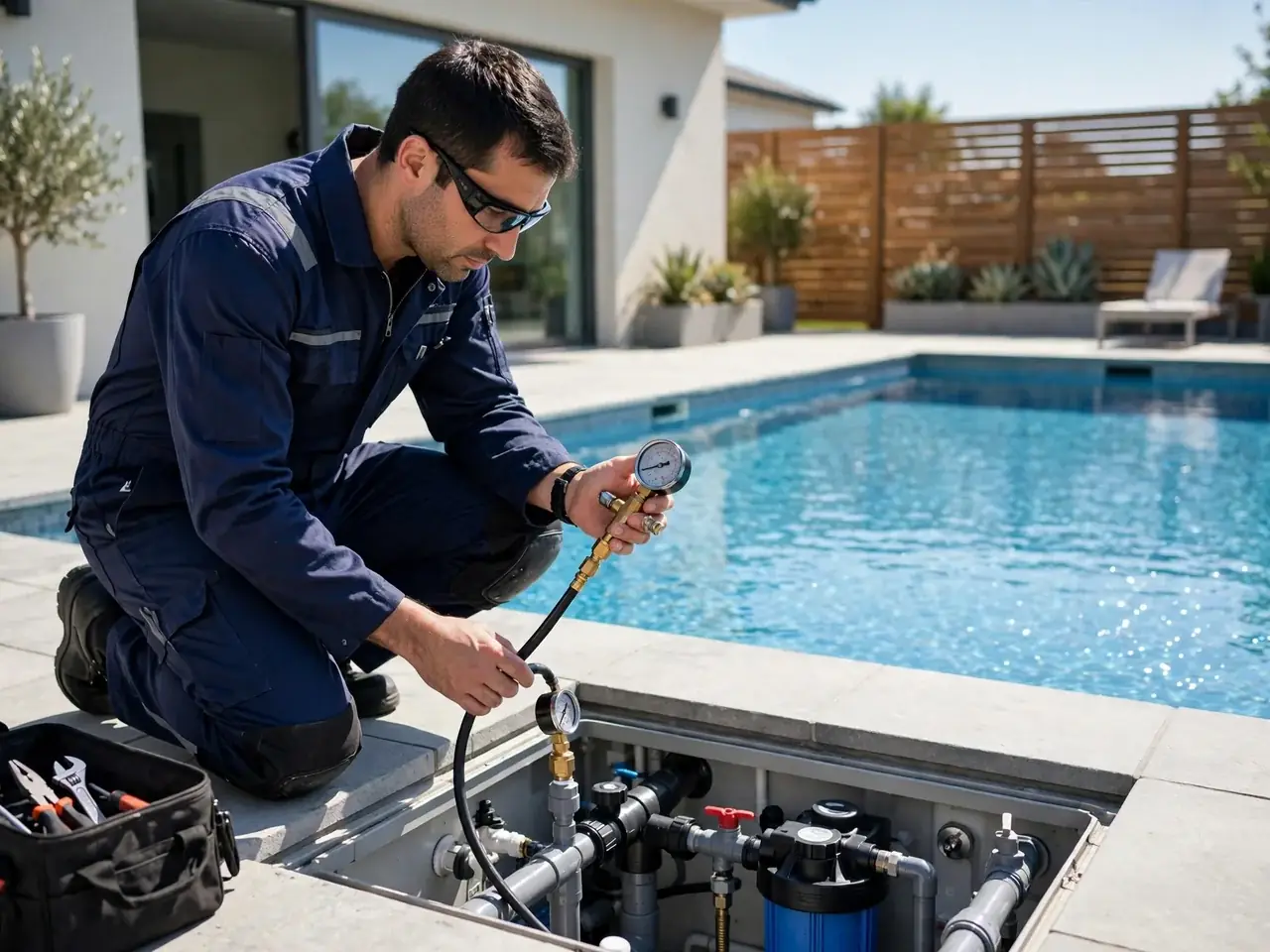
For homes where a drain line leak is suspected, hydrostatic testing isolates the line and proves whether it holds water. ProLine Leak Fix Pros uses these methods across Snohomish County, matching the test to the symptom pattern you describe. The bowl told us something is wrong; the testing tells us where, and that is what makes the fix a fix instead of a guess.
One more pattern is worth knowing: time of day. A toilet that bubbles mostly in the morning, when the whole neighborhood is showering and the street sewer runs fullest, may be reacting to a loaded city main as much as to your own line. A toilet that bubbles whenever your house alone uses water, even late at night, is pointing at your own pipes. Note that timing along with the test results, because it helps separate a house problem from a street problem before anyone arrives. A gurgling toilet on its own is rarely an emergency, but it always deserves a place on your list, because it is the drain system asking for attention while asking is still cheap and easy. Also watch the water level in the bowl itself over a day. A level that slowly sinks between uses can mean pressure pulling at the trap, while a level that rises slightly before bubbling suggests pressure pushing from below. Neither detail takes any effort to record, and together with the washer and sink tests they build a short, clear story that makes the professional visit faster and far more certain.
Conclusion: Bubbles in the Bowl Are a Message From Downstream
A gurgling or bubbling toilet is almost never about the toilet. It is air moving through bowl water because a vent is blocked or a sewer line is narrowing, and the bowl just happens to be the window you can see it through. Run the simple tests, note the pattern, and take bubbling that comes with slow drains or odors seriously. Confirming the cause early keeps a pressure problem from becoming a backup problem.