In This Article
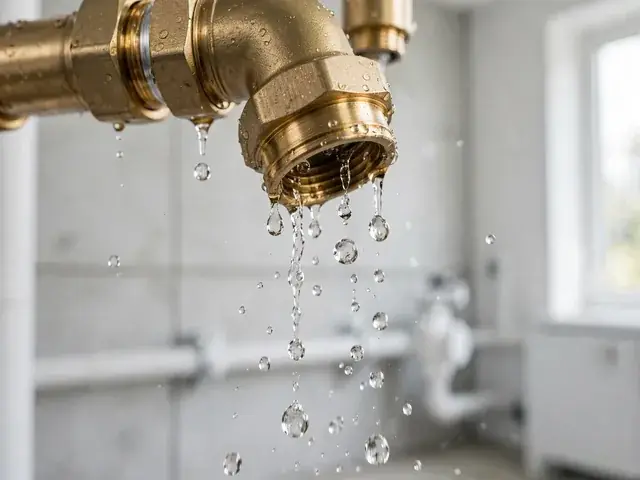
You open the front door and hear it before you see it: water where water should never be. The trip was fine, the house was fine when you left, and now a leak has had hours alone with your floors and walls. What you do in the next sixty minutes decides how much damage sticks.
This guide lays out that first hour in order: stop the water, stay safe, contain and protect what you can, document everything, and make the right calls, including how professionals find the true source afterward.
Minutes 0 to 10: Stop the Water, Stay Safe
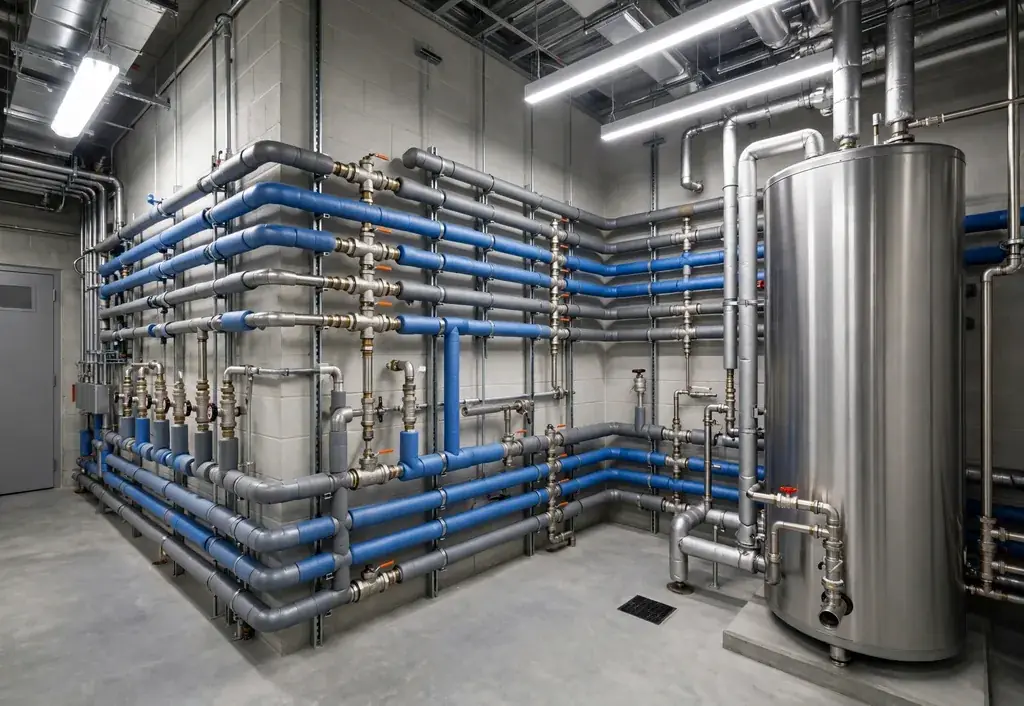
Your only first job is to stop more water from entering the house. Go straight to the main shutoff valve, usually where the water line enters the home or near the meter, and close it. If the leak clearly comes from one fixture, its local valve works too, but the main valve ends all arguments.
- Shut off the main water valve and open a low tap to drain pressure from the lines.
- Keep clear of electrical danger. If water is near outlets, appliances, or the panel, do not wade in. Stay out of the water and get help before touching anything electrical.
- Turn off the water heater supply if the leak involves hot water or the tank area.
- Move people and pets out of wet rooms, especially where ceilings sag or floors feel soft.
Once the flow stops, breathe. Everything after this point is about limiting damage, not racing a running leak.
One caution about the shutoff itself: older valves sometimes refuse to close fully or snap when forced. Turn firmly but do not use tools for extra leverage on a fragile handle. If the house valve will not stop the flow, the meter valve is your backup, and a utility or professional can help with it. A partly slowed leak is still progress, and towels at the source buy time.
Minutes 10 to 25: Contain and Protect
With the water off, shift to containment. Move rugs, furniture, boxes, and electronics out of the wet area or up onto blocks. Cardboard and stored paper soak fast and are rarely worth saving once soaked through, so prioritize wood furniture, documents, and anything electrical.

Towels and a wet vacuum help with standing water on hard floors. Open cabinet doors under sinks so trapped moisture can escape, and pull a few baseboard sections only if they come away easily. Avoid tearing out walls or flooring in the first hour. You may need those surfaces intact for documentation, and removal is easier and cleaner once the source is confirmed.
Ceilings deserve special respect in this first sweep. A ceiling that bulges or sags under pooled water can give way without warning, so keep people out from under it and do not poke it to drain it unless you are sure what is above and can control the flow into a bucket. Photograph the bulge as it is. Gravity makes upstairs leaks downstairs problems, and the ceiling is evidence.
Minutes 25 to 40: Document Before You Clean
Before the cleanup erases the evidence, record what the water did. Take wide photos of each affected room, then close photos of the source area, stains, warped flooring, and damaged items. A short video walking the path of the water is especially useful, since it shows direction and extent in a way single photos cannot.
Note the timeline in plain words: when you left, when you returned, when the water was shut off, and what you saw first. Save any broken part, split hose, or failed fitting instead of throwing it away. Whether the next call is to an insurer, a landlord, or a repair team, this record makes every later conversation faster and clearer.
Your documentation should include the meter as well. Photograph the meter reading when you shut the water off, and note whether it was moving when you arrived. That single image helps establish how long and how fast water was escaping, which matters for insurance and for the technician tracing the source. Add photos of the shutoff position and any valve you closed, so nothing is reopened by mistake.
Minutes 40 to 60: Make the Right Calls
Now decide who needs to hear from you. If you rent, notify the landlord or property manager right away, since water damage grows by the hour. Homeowners should consider their insurance company once the situation is documented, and keep receipts for any emergency purchases like a wet vacuum rental or fans.
Then arrange two kinds of help in the right order. Drying help removes water and moisture from materials. Detection help answers the question cleanup cannot: where exactly the water came from. Fixing a visible fitting is one thing, but a leak inside a wall or under a slab needs locating first, or the same water returns through the new repair's neighborhood within weeks.
When you call for help, describe facts, not theories: where the water is, how much, what you shut off, and what your meter showed. That lets the right help come first. A visible burst fitting needs a repair visit, while water with no visible source needs detection first. Saying the source is unknown is useful information, not a failure, and it routes your call correctly the first time.
How Professionals Find the Source After the Flood
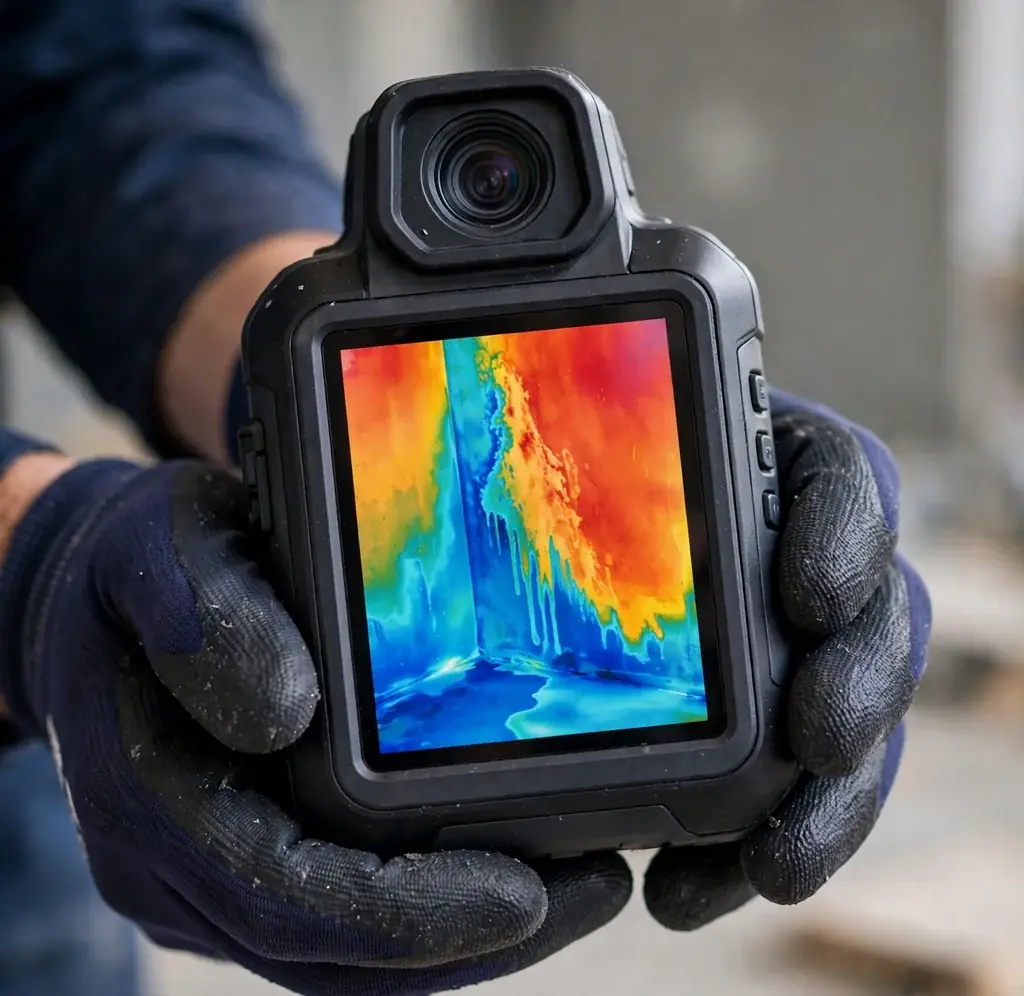
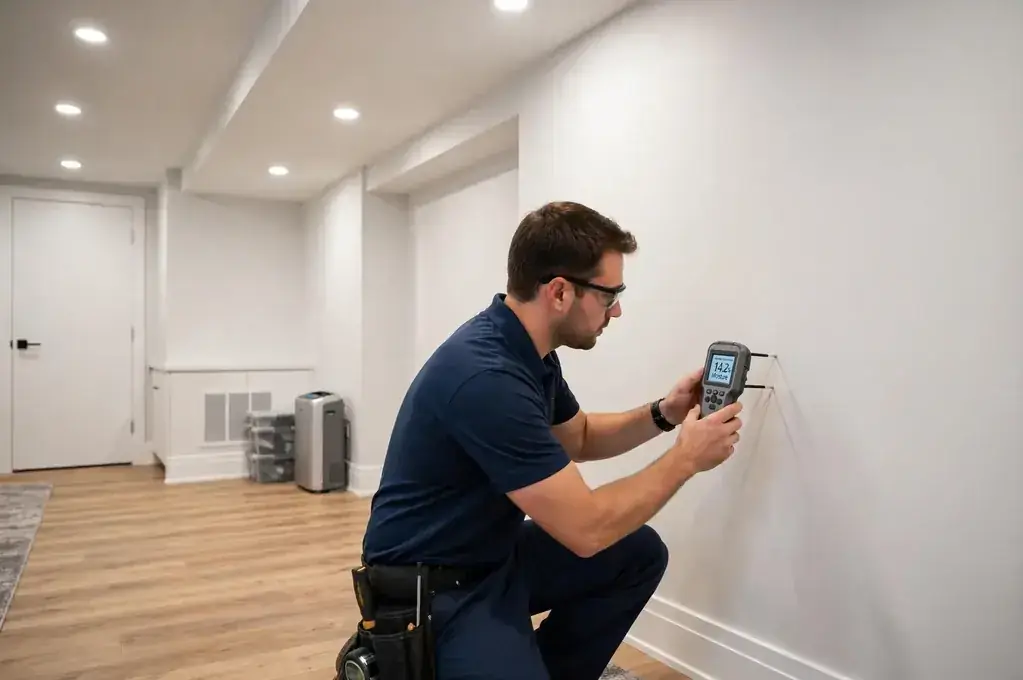
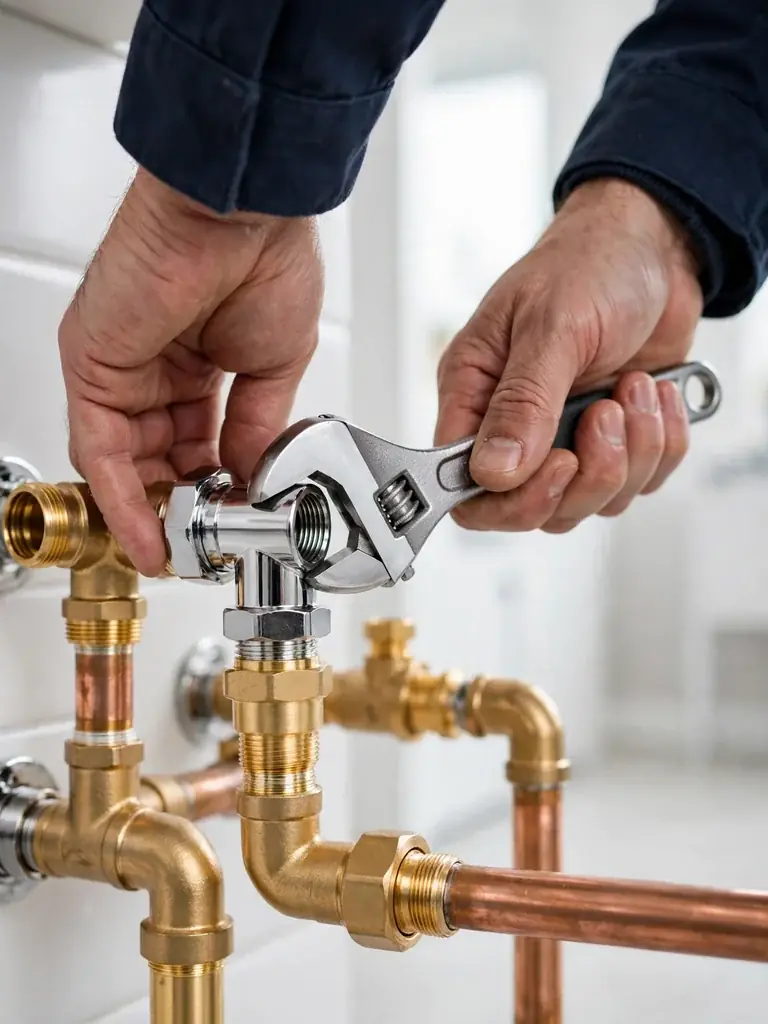
Once the house is stable, a leak detection visit rebuilds the story of the leak. The technician maps moisture with meters and thermal imaging to find the wettest point, which usually sits closest to the source. Acoustic listening follows the sound of the line under pressure, and pressure testing confirms which section of pipe fails to hold.
In Lynnwood and across Snohomish County, this matters most for leaks under slabs and inside walls, where the visible puddle can sit many feet from the actual break. ProLine Leak Fix Pros pinpoints the source with acoustic, thermal, and tracer gas tools, so the repair opens the right place once, instead of chasing wet spots around the house.
Detection also sets the order for drying. Fans and dehumidifiers work best when they target the true wet zone, and moisture mapping shows which wall cavities and flooring layers are actually wet. Drying the wrong room wastes days while the real wet zone stays sealed and damp. A confirmed source and a moisture map together turn cleanup from guesswork into a plan with an end point.
Conclusion: Stop, Record, Then Solve
The first hour after coming home to a leak follows a simple order: stop the water, protect people and belongings, document everything, then call for help. Each step is easier than the panic suggests, and together they decide how much of the house the water wins.
When you are ready to find the source, call ProLine Leak Fix Pros at (425) 380-0028. We are available around the clock and will locate the leak precisely, so your repair and drying work starts from facts, not guesses.
In the days after, stay watchful. Run the meter test once repairs are done, watch the repaired area through a full cycle of normal use, and check for musty smells that suggest a hidden pocket of moisture was missed. A leak that ran for hours can leave water in places that take time to reveal themselves, and one careful recheck is far cheaper than a second round of damage.