In This Article
The weather froze your pipes, and now one question decides everything: is the pipe simply blocked with ice, or did it burst? At the tap, both feel the same. One needs gentle heat and patience, while the other needs the water shut off before it soaks your home.
This guide gives you the signs of each, three simple checks that separate them, what the thaw itself will reveal, and how professionals confirm a split that hides inside a wall or floor.
Signs the Pipe Is Only Frozen
A frozen but intact pipe usually gives quiet clues. One tap or one fixture stops flowing while others still work. The pipe feels very cold, may carry frost, and sometimes bulges slightly. There is no sound of running water in the walls, no new wet spots, and the floors and ceilings nearby stay dry.
Cold weather context matters. A sudden hard freeze overnight, an exposed run in a garage or crawl space, or a home that sat with the heat turned low all support the frozen only explanation. If the meter sits still with the affected tap open and nothing else running, ice is the likely plug.
Location narrows the odds before any test. A pipe in a heated interior wall that lost flow during a mild cold night is rarely frozen; a pipe in an unheated garage after a hard freeze often is. Match the symptom to the weather and the route of the line. If the affected run passes through a space that stayed warm, look harder for a burst or a valve problem instead.
Signs the Pipe Has Already Burst
A burst pipe adds water to the story. You may hear hissing or spraying inside a wall, see water pooling where it should not be, or notice a ceiling stain growing below the pipe run. Pressure at nearby taps may drop because water is escaping before it reaches them. In a crawl space or basement, look for dripping, spraying mist, or a stream running along a joist.
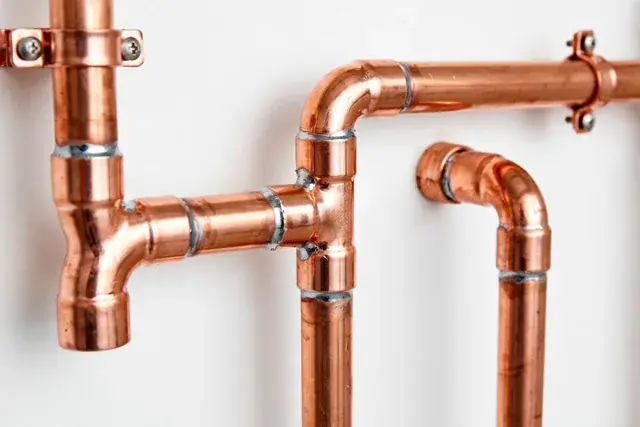
Sometimes the two stages combine. The pipe froze, split, and the ice still plugs the split, so the burst only reveals itself during thawing. That is why every frozen pipe deserves a careful watch as it warms up, even when the house looks dry at first.
Pay attention to pressure at the taps that still work. If one branch is frozen, the rest of the house usually keeps normal pressure. If a burst is draining the system, pressure often falls at several fixtures at once, and the water heater may sound different as it refills. Whole house pressure change plus one dry tap is a combination that deserves a meter check right away.
Three Checks That Separate Them
Work through these in order:
- Meter check. Turn off every fixture. If the meter keeps moving, water is escaping somewhere, which means a burst or a leak, not just ice.
- Sound check. In a quiet house, listen at the wall or floor near the frozen run. Hissing or trickling with all fixtures off points to escaping water.
- Moisture check. Feel walls, cabinet bases, and the ceiling below the pipe. Dampness, bubbling paint, or a new musty smell means water has already left the pipe.
If all three checks come back clean, you are probably dealing with ice alone. If any one of them shows movement, sound, or moisture, treat the pipe as burst until proven otherwise and shut off its water supply.
The meter check deserves care. Make sure the ice maker, irrigation, and any recirculating pump are truly off, since each can move the meter and imitate a leak. Watch the small leak indicator dial for a full minute, not a glance. Slow splits move it slowly. If it creeps at all with the house at rest, water is going somewhere, and after a freeze that somewhere is usually the split.
What the Thaw Will Tell You
Thawing is the final test. Warm the pipe gently, starting near the open tap and moving toward the cold section, and stay close while you work. A healthy pipe returns to full flow and stays dry along its whole visible length. A split pipe announces itself with dripping at a joint, spraying from the wall of the pipe, or the sound of water where no fixture is running.
Be ready before you start. Know your main shutoff location, keep towels and a bucket at hand, and check the space below the pipe as flow returns. If water appears anywhere it should not, close the main valve at once. Stopping the flow early is the difference between drying a cabinet and replacing a floor.
During the thaw, divide your attention between the pipe and the rooms below it. Water from a split often appears first one floor down, as a ceiling drip or a stain, while the pipe area itself still looks dry. Have a second person watch downstairs if you can. Catching the first drip downstairs can save the ceiling, because you can shut the main before the flow soaks through.
How Professionals Confirm a Hidden Split
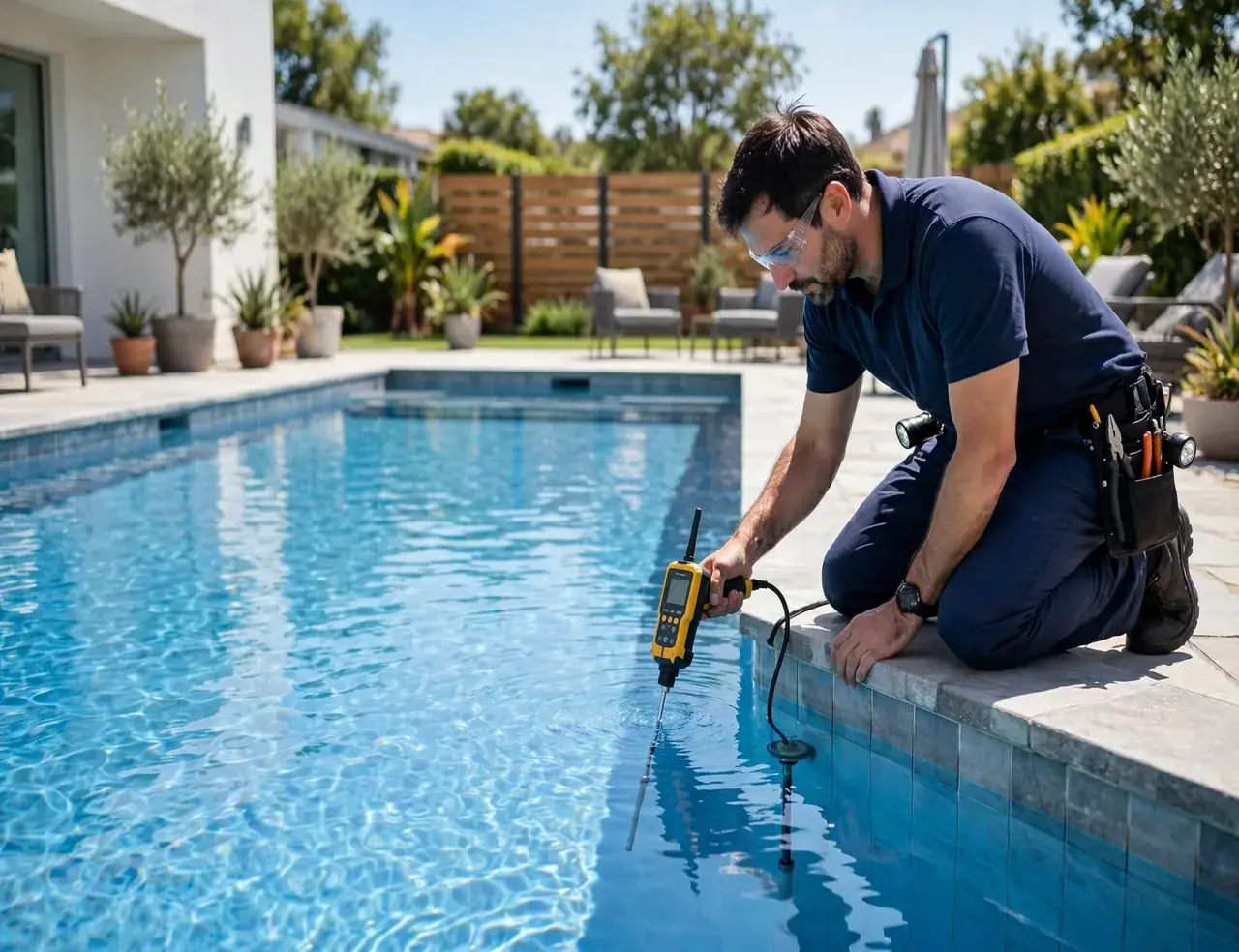
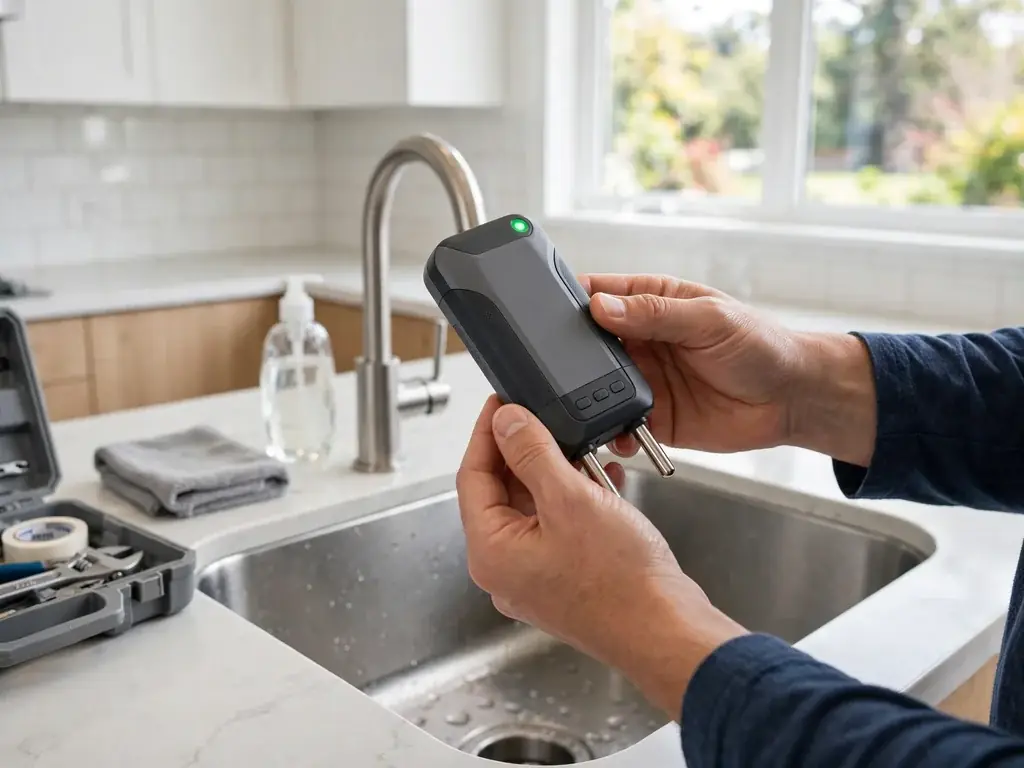
Many freeze splits hide inside walls, ceilings, or slabs where no one can see them. Professionals start with a pressure test: if the isolated line cannot hold pressure, a split exists somewhere along it. Acoustic sensors then listen for the hiss of escaping water and narrow the location, while thermal imaging shows the cold, wet trail spreading from the break.
For Lynnwood homes, this detection step keeps a bad morning from becoming a demolition project. Instead of opening a whole wall to search, the repair targets the confirmed section. ProLine Leak Fix Pros uses acoustic, thermal, and tracer gas methods to verify the exact spot before any cutting begins.
Documentation helps here too. If a split damaged floors or ceilings, photographs taken during the thaw, showing the split, the first water, and the shutoff time, give insurers and repair teams a clear record. Professionals can add pressure test results and the confirmed location to that record, which turns a stressful morning into a well documented claim instead of an argument.
Conclusion: Test Before You Assume
Frozen and burst feel the same at a dry tap, but the meter, your ears, and a careful moisture check separate them quickly. Treat any sign of moving water as a burst, shut off the supply, and let the thaw confirm the rest under your watch.
If the split hides inside a wall or under a floor, call ProLine Leak Fix Pros at (425) 380-0028. We will find the exact break so the repair stays small, clean, and final.
If the verdict is frozen only, do not waste the warning. Insulate that run, seal the draft feeding it, and note which tap to drip on the next hard night. If the verdict is burst, keep the water off to that line until the repair is done and pressure tested. Either way, you now know your home's weak spot, and that knowledge is the real fix.
Keep one habit from this experience: after any hard freeze, walk the house once with the water on and the house quiet, listening and looking before the day gets busy. Two minutes of attention on the coldest mornings is how small splits get caught while they are still small, instead of announcing themselves through a ceiling weeks later.