In This Article
You turn a tap and nothing comes out. Then you try another room, and another, and the whole house is dry. A total loss of water feels like a crisis, but it follows a short list of causes, and most of them can be sorted with calm checks that need no tools.
This guide walks you from the street toward your farthest tap in the right order: quick checks first, then the meter and valves, then the inside causes, and finally how professionals confirm exactly where the supply stops.
Start With These Five Quick Checks
Before you assume the worst, run through the basics. Many whole house outages have a simple cause that takes one minute to find.
- Try more than one tap. Test a cold tap on the lowest floor and one upstairs. If both are dry, the problem is at or before the main valve, not at one fixture.
- Check the main shutoff. Find the valve where the water line enters the house. A partly closed valve, bumped during yard work or a recent repair, can stop flow to every room.
- Look at the meter box. If the meter dial is spinning fast with nothing running inside, water is escaping somewhere between the meter and the house.
- Ask a neighbor. If the house next door also has no water, the issue is likely out in the street and not inside your walls.
- Check for street work or notices. Road crews, utility notices, and water pooling in the street all point to a supply problem beyond your property line.
Write down what you find as you go. The pattern, total loss or weak flow, one floor or all floors, helps any technician start in the right place.
One more check costs nothing: look at your water heater and washing machine displays or valves if the outage followed any work on those appliances. A closed heater inlet or a washer valve shut during a repair can confuse the picture, though it rarely dries the whole house. Keeping your first checks broad, then narrowing, prevents the classic mistake of replacing parts while the real shutoff sits closed two rooms away.
Is It the Street Supply or Just Your House?
The single most useful question is whether the outage stops at your property line. If neighbors on your street in Lynnwood have normal pressure and your house alone is dry, the cause sits on your side of the meter. Common house side causes include a failed main valve, a broken service line, a faulty pressure regulator, or a major leak that is dropping pressure before water reaches the taps.
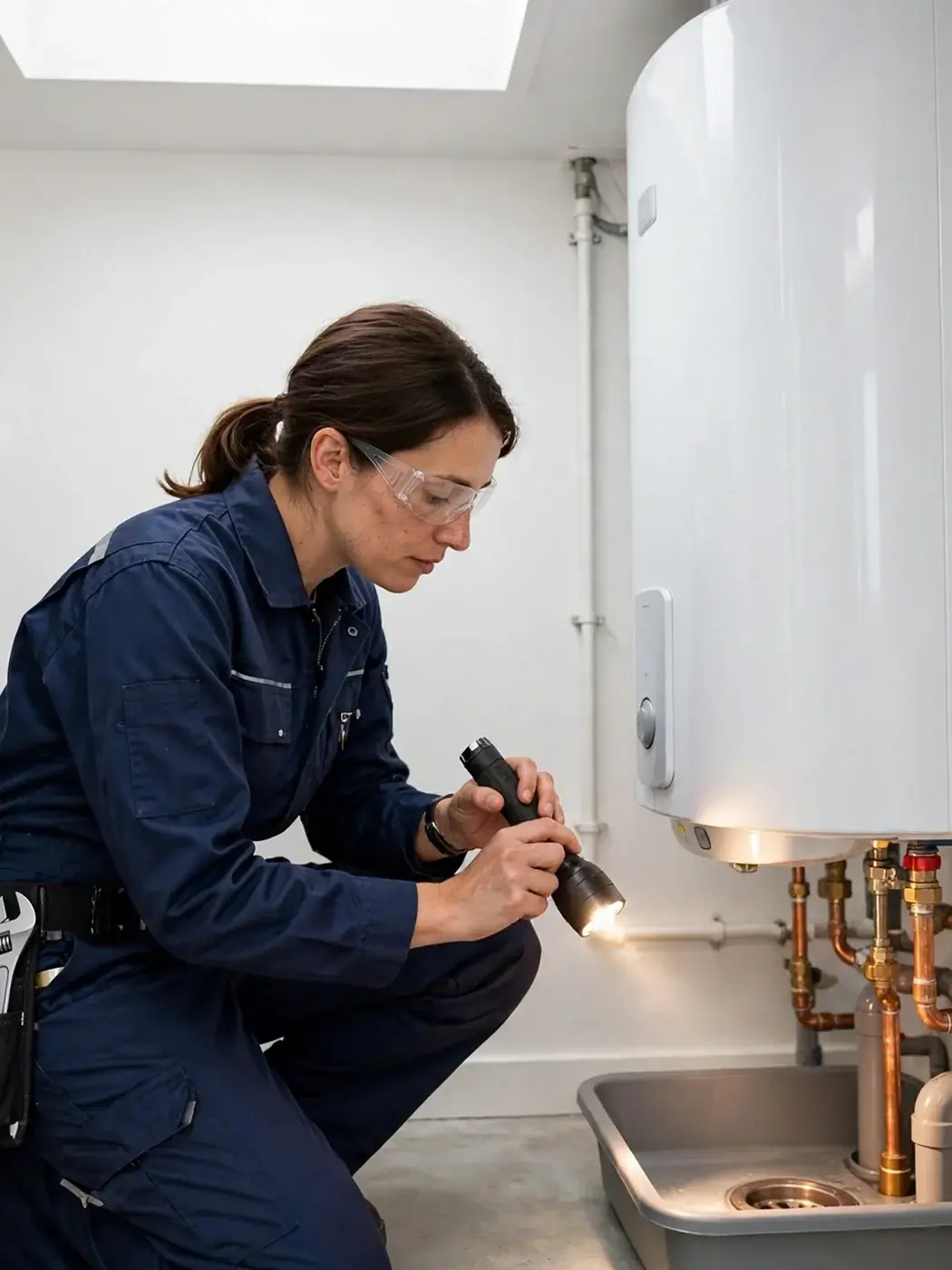
If the whole block is affected, the city supply is the likely source and your plumbing is probably fine. In that case, avoid running hot taps, because a water heater that drains without refilling can be damaged. Wait for supply to return, then run a cold tap slowly to clear air and any cloudy water before using the rest of the house.
Also note the timing. An outage that began right after street digging, a neighbor's plumbing work, or a freeze is a different case from one that crept in over days. Sudden loss points to a valve, a break, or a supply event. A slow fade over a week points more toward a clogging filter, a failing regulator, or a growing leak stealing pressure. Tell whoever helps you exactly when you last had normal water.
What the Meter and Valves Are Telling You
Your water meter is a simple witness. With every fixture off, a meter that keeps moving means water is leaving the system somewhere. A meter that is completely still while taps are dry points the other way, toward a closed valve or a supply stop before the meter.
Check both valves if you can do so safely: the valve at the meter and the house shutoff inside. Valves that have not moved in years can seize or fail internally, so a handle that turns does not always mean the valve opened. Do not force a stuck valve. Forcing old valves can start the very leak you are trying to avoid. Note which valves you touched and what changed, and share that with whoever helps next.
If a valve has not moved in years, expect it to be stiff, and expect its packing to weep a little when it finally turns. That small drip at the stem is common on old gate valves and is worth noting, not panicking over. What matters is whether flow to the house changes. Photograph the meter reading before and after you touch anything, so you have a clean record of cause and effect.
House Side Causes Worth Knowing
When the street supply is fine, a few inside causes explain a total stop. A pressure reducing valve can fail closed and choke off the whole house. A water softener or whole house filter can clog or be left in bypass after service. A burst or badly leaking service line under the yard or slab can drop pressure so low that upstairs taps get nothing at all.
Partial clues help separate these. A hissing sound near the main entry, a soggy patch of lawn, or a warm spot on a slab floor suggests escaping water rather than a closed valve. No sound, no wet spots, and a still meter suggest a valve or regulator problem instead. Either way, guessing wrong leads to digging in the wrong place, so confirm before anyone opens ground or concrete.
Temperature can be part of this story too. After a hard freeze, a total stop may simply be a frozen main entry or meter area line rather than a break. In that case the meter is still, the house is dry, and flow often returns as the day warms. Treat any freeze related outage as a warning to check for splits afterward, because ice that blocked the line may also have cracked it.
How Professionals Confirm Where the Supply Stops
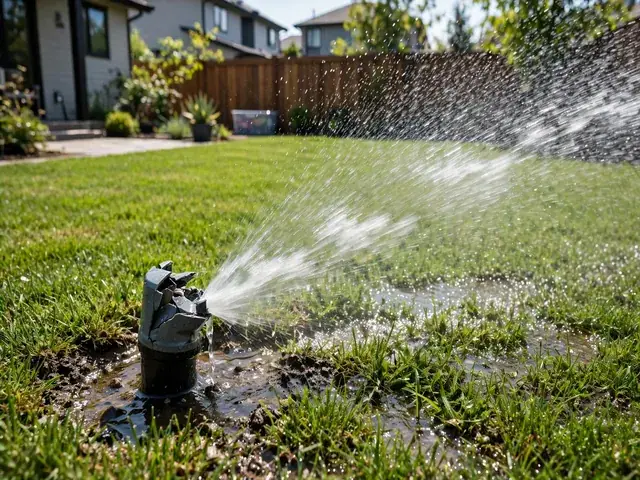
A leak detection visit for a total outage follows the water. The technician checks pressure at the meter, at an outside tap, and inside the home to find exactly where pressure is lost. If water is escaping on the way in, acoustic leak detection listens along the buried service line to locate the break, and thermal imaging can confirm moisture patterns under floors.
This step by step approach matters in Snohomish County homes where service lines run under driveways, lawns, and slabs. Pinpointing the break first means any repair opens a small, targeted area instead of a long trench dug on hope. ProLine Leak Fix Pros uses acoustic, thermal imaging, and tracer gas technology to confirm the spot before repair work begins.
Professionals also isolate the house from the service line during this visit. By testing each side separately, they can say with confidence whether the fault sits in the buried line, at the meter connection, or inside the home's own plumbing. That single distinction decides who digs, who repairs, and how much of the yard or floor is disturbed, which is why the test comes before any repair quote or excavation.
Conclusion: Follow the Water, Step by Step
No water anywhere is frightening, but it is also one of the most logical plumbing problems to solve. Start at the street, check the meter and main valve, then move toward the farthest tap, and the cause usually reveals itself in that order.
If your checks point to a break or a hidden leak on your side of the meter, call ProLine Leak Fix Pros at (425) 380-0028. We serve Lynnwood and Snohomish County around the clock and will find exactly where your water is going before anyone digs.
While you wait for help, protect the home from the outage itself. Keep taps closed so a sudden return of pressure does not flood an open fixture, flush nothing, and leave the water heater alone if its supply is uncertain. When water does return, run one cold tap first to clear air, then check under sinks and around the heater for leaks that the pressure change may have revealed.