In This Article
You fill a glass and the water looks like milk. For a moment, the day stops. Is it safe? Did something break? Did the city supply change overnight? Cloudy white tap water alarms almost everyone the first time they see it, and the reassuring truth is that the most common cause is also the most harmless: tiny air bubbles, suspended in the water by pressure, scattering light until the water looks white.
The key word is usually. Some cloudy water is not air, and the difference is easy to test with nothing more than a clear glass and sixty seconds of patience. This guide teaches that test, explains why air gets into water in the first place, and describes the cases that deserve a deeper look, from mineral sediment stirred up by the water heater to changes that follow work on the lines. By the end, you will know how to read a cloudy glass like a technician does.
The One Minute Glass Test
Fill a clear glass from the tap in question and set it on the counter. Watch it closely:
- Air clears from the bottom up. Tiny bubbles rise and gather, the bottom of the glass turns clear first, and within a minute or two the whole glass is transparent.
- Note the direction. Clearing that starts at the bottom and climbs is the signature of air leaving the water.
- If the cloudiness settles downward instead, leaving clearer water at the top and a haze or sediment at the bottom, you are looking at particles, not bubbles.
- If the water stays uniformly milky after several minutes with no clearing at all, note that too. That pattern also points away from simple air.
Repeat the test at a second tap and with the hot side if the first glass was cold, or the cold side if it was hot. Air usually appears across the house or on one temperature side in a pattern that means something, and patterns are what separate a shrug from a service call. A glass of air filled water is completely normal to drink and use, by the way. The bubbles are just air, the same air the water picked up under pressure.
Why Air Gets Into Your Water
Water under pressure can hold more dissolved air than water sitting in a glass. Your home's plumbing is pressurized, so the water in your pipes quietly carries extra air in solution. The moment it leaves the tap, pressure drops, the air comes out of solution as micro bubbles, and the glass turns milky until they rise and escape. Anything that increases pressure or air in the system makes the effect stronger.
Common triggers include recent work on the water main or on your own plumbing, which lets air into lines that then work their way out over days. Cold weather plays a role too: cold water holds more air, and when icy incoming water warms inside your home or heater, the air is released. A water heater set high can add the same effect on the hot side only. In Lynnwood, a cloudy week after street work on the water lines is a familiar and harmless pattern that fades on its own.
When Cloudy Water Is Not Air
Particles cloud water differently, and the glass test exposes them. Mineral sediment, stirred from the bottom of the water heater, makes hot water cloudy while cold runs clear, often with a gritty feel or fine white flakes that settle at the bottom of the glass. This is the same sediment that makes heaters pop and rumble, arriving at your tap as evidence. A flush and a heater check address it.
Cloudiness that appears at every tap, hot and cold, right after a filter change or softener service usually traces to that equipment and its media or resin fines, and it typically clears as the system settles. What should not be ignored: cloudy water paired with a chemical or petroleum smell, cloudiness that arrives with discoloration, or cloudiness that follows a known break or backflow event nearby. Those combinations deserve a call to the water provider and a pause on drinking until the answer is clear.
Aerators deserve a footnote in every cloudy water story. The small screen at the tip of your faucet is designed to shape the stream, and it does so partly by mixing air into the water. A faucet with an aerator will often pour a glass that looks cloudier than the same water drawn from a plain tub spout or an outside hose bib, because the aerator adds its own bubbles at the last inch. If one faucet looks milky and another looks clear in the same minute, compare them with the glass test before worrying: the difference may live in that little screen, not in your supply.
Cloudy Hot Water Only: Look at the Heater
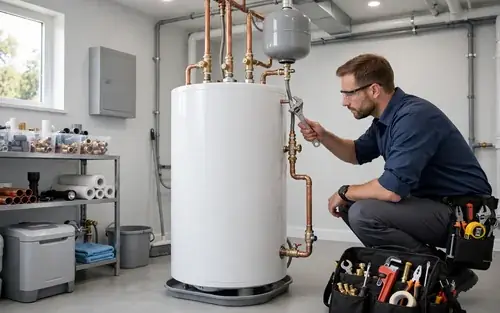
When only the hot side runs cloudy and the glass test shows settling rather than rising, the water heater moves to the top of the list. Sediment at the tank bottom gets churned into the outgoing water, especially after heavy use. A failing anode rod can add its own particles and off tastes as it dissolves. Aerators clogged with white grit at several fixtures confirm that solids, not bubbles, are traveling the hot lines.
Start by unscrewing one aerator and rinsing it. If you find a spoonful of white or gray grit, the tank is shedding its interior into your water, and flushing the heater moves from optional maintenance to needed repair. Check the tank's age and listen for popping sounds while you are there. Cloudy hot water, noisy heating, and short showers are three verses of the same song, and hearing all three means the tank wants attention soon.

How Professionals Chase Persistent Cloudiness
When cloudiness will not quit, professionals test the pattern systematically: hot versus cold, fixture by fixture, before and after the heater, and at an outside tap that shows the incoming supply at its purest. Pressure readings matter, because excess pressure both forces air into solution and stresses the system, and a failing pressure regulator can be the quiet cause behind a week of milky glasses.
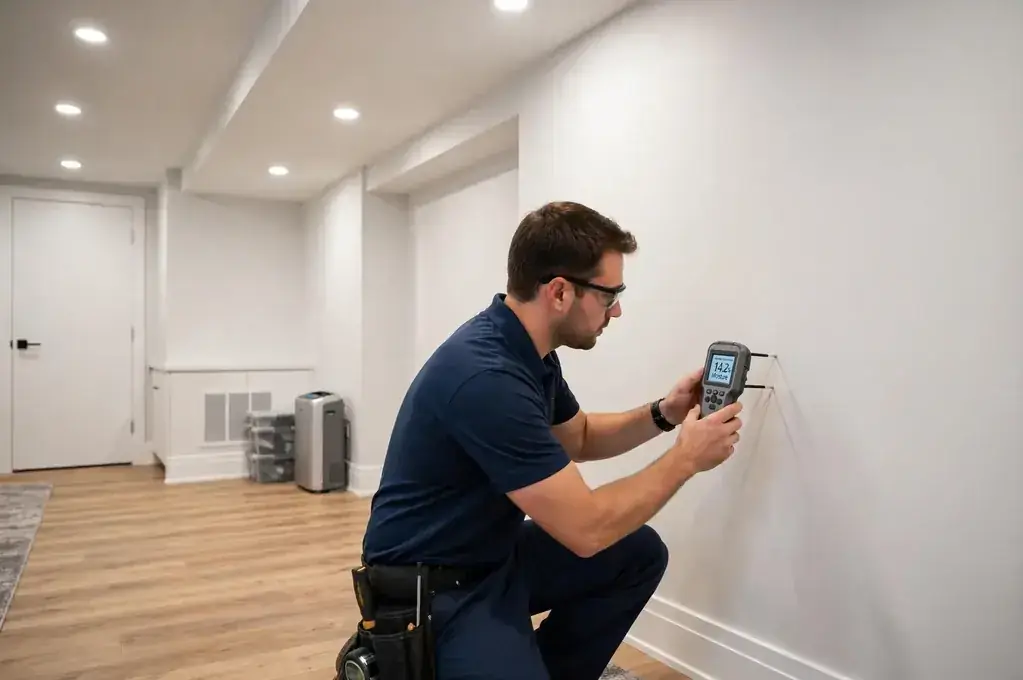
The heater gets drained samples from its own valve, which reveal sediment load instantly, and the plumbing is checked for the leaks and cross connections that can disturb a system. Moisture and leak checks run alongside whenever cloudiness arrives with other symptoms, because water quality complaints sometimes ride along with a pressure or leak problem. At ProLine Leak Fix Pros, Snohomish County homeowners get the pattern explained in plain terms: air, sediment, supply, or something that genuinely needs fixing.
Restaurants and coffee lovers notice pressure driven air in another form: water that sparkles and fizzes faintly as it settles. That is the same dissolved air escaping, just putting on a livelier show. It settles, it clears from the bottom up, and it is harmless. What you are watching for is never the bubbles themselves. It is the exceptions: cloudiness that settles instead of rising, cloudiness with grit, cloudiness with a smell. Those are the glasses worth a second thought, and they are uncommon next to the everyday theater of air.
Read the Glass Before You Worry
Cloudy white water is a question with a built in answer key. Fill a glass, watch which way it clears, and you will know whether you are looking at harmless air rising out or particles settling down. Air needs nothing but patience. Particles point at the heater, a filter, or the supply, in that order, and each has a known fix.
If your water stays cloudy, settles gritty, or arrives with smells or other symptoms, call ProLine Leak Fix Pros at (425) 380-0028. We will test the pattern, check the heater and the pressure, and tell you plainly which kind of cloudy you have.