In This Article
A door that closed perfectly all year suddenly scrapes, sticks or refuses to latch. The usual suspect is settling, and sometimes that is right. But doors are honest instruments: they react to any change in the frame around them, and one of the most common causes of sudden change is moisture. Wood swells when it absorbs water, floors lift when the layers below them get wet, and a door reports both faithfully.
This guide explains how water makes doors stick, how to check for moisture fingerprints near a sticking door, and how to separate a water problem from ordinary seasonal movement or slow settling, so you fix the cause instead of planing the door.
How Hidden Water Makes a Door Stick
Wood is a sponge with structure. When framing lumber, door slabs or trim absorb moisture, they expand, mostly across the grain. A small amount of swelling is enough: doors are fitted with tight clearances, so a frame that grows even slightly can pinch the door at the top corner or along the latch side.
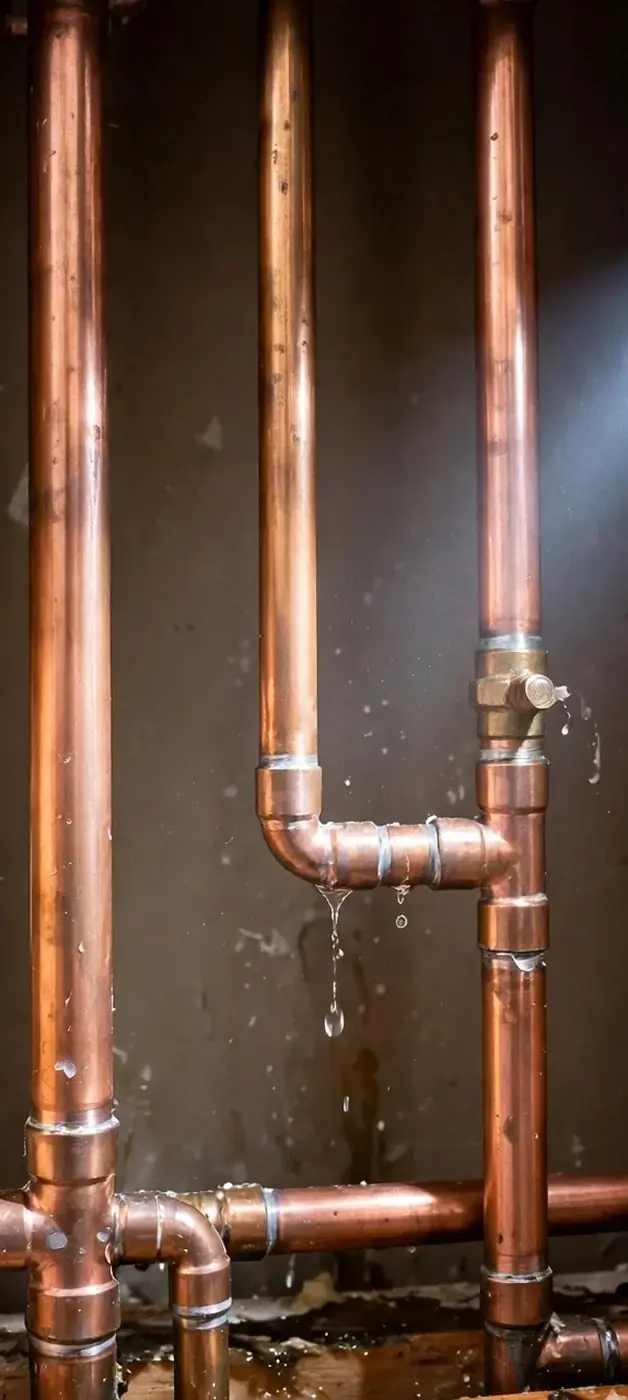
Water attacks from below as well. A leak under a floor soaks the subfloor, which swells and can lift the finished floor. The whole doorway rises unevenly, the frame racks out of square, and the door that fit last month now rubs. Because the leak is hidden, the door is often the first visible symptom, weeks before a stain or smell appears.
Bathroom and laundry doors are the most common reporters, for an obvious reason: they live nearest the water. A bathroom door that starts sticking in a home with no other changes deserves a look at the tub drain, the shower valve and the toilet seal on the other side of its wall before anyone blames the foundation.
The Moisture Fingerprints to Check Nearby
A sticking door plus any of these nearby signs deserves a leak investigation:
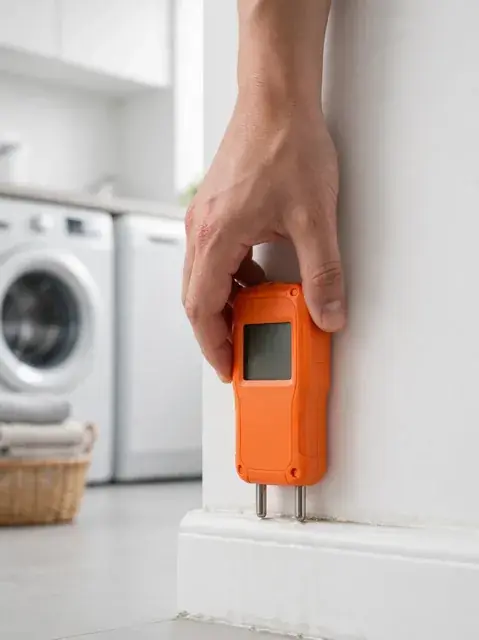
- Baseboards close to the door that look swollen, cracked at the paint line or separated from the wall.
- Flooring changes in the same room: cupped boards, lifted laminate seams, a spongy step or a warm patch on hard floors.
- A musty smell that is strongest near the floor or in the closet beside the door.
- Paint or drywall changes low on the wall: bubbling, soft spots or a faint stain line.
- The timing: the sticking started or worsened after a plumbing event, a wet season or a known appliance leak.
- The meter: a water meter that moves when the house is quiet settles the question of whether a leak exists at all.
One fingerprint can be a coincidence. Two or three together, near the same door, form a pattern that settling rarely explains.
Check both sides of the wall the door hangs in. Moisture fingerprints often appear on the far side first: the closet behind a bathroom, the hallway wall shared with a laundry room, the ceiling of the room below. Water does not respect the room where it started, and neither should your inspection.
Water, Settling or Just the Season?
Three causes compete, and their signatures differ. Seasonal movement is the gentlest: many doors stick slightly in humid months and free up in dry ones, the change is small, it affects several doors a little, and it reverses itself. Settling is slow and one directional: it develops over years, often with matching clues like a long, stable crack pattern, and it does not reverse or suddenly accelerate.
Water is the sprinter. It can change a door over weeks, it usually concentrates on one area of the house, and it brings the moisture fingerprints listed above. It also tends to keep getting worse rather than stabilizing, because the source keeps supplying water. In Lynnwood, where winter humidity is high, seasonal swelling is real, so use the fingerprints and the meter, not the calendar alone, to judge.
A simple measuring trick helps separate the causes. Mark the door gap with small pieces of tape at the top and latch side, and photograph the frame corners. Recheck weekly for a month. Seasonal movement drifts slowly and often reverses. Settling barely moves in a month. Water driven swelling, while its source is active, tends to progress steadily in one direction, and it stops progressing once the leak is fixed and the wood dries.
Also note which doors are not sticking. If the doors near one bathroom fail while the rest of the house behaves, the geography itself is evidence. Settling rarely respects a single room, and seasonal swelling rarely singles out the one door beside the shower. Patterns that cluster point at local causes, and water is the local cause that hides best.
What Not to Do: Do Not Plane the Door Yet
The tempting fix is to trim the door until it closes. Resist it for two reasons. First, if water is the cause, planing treats the messenger while the leak keeps damaging the frame and floor behind it. Second, if the moisture later dries, whether from a repair or a season change, the wood shrinks back and your trimmed door now rattles in an oversized opening.
The right order is: check for moisture, find and stop any leak, let the structure dry fully, then see whether the door still sticks. Many water swollen doors return to normal once the wood dries. The ones that do not can be adjusted then, with confidence that the adjustment will last.
There is a second reason to delay trimming: doors are useful measuring tools while the problem is being solved. Note which corner rubs and how the gap looks, then watch it during drying. A gap that slowly returns toward even is the structure telling you the moisture is leaving. A gap that keeps closing is telling you the source is still active, whatever anyone hoped.
How Professionals Confirm Whether Water Is Behind It
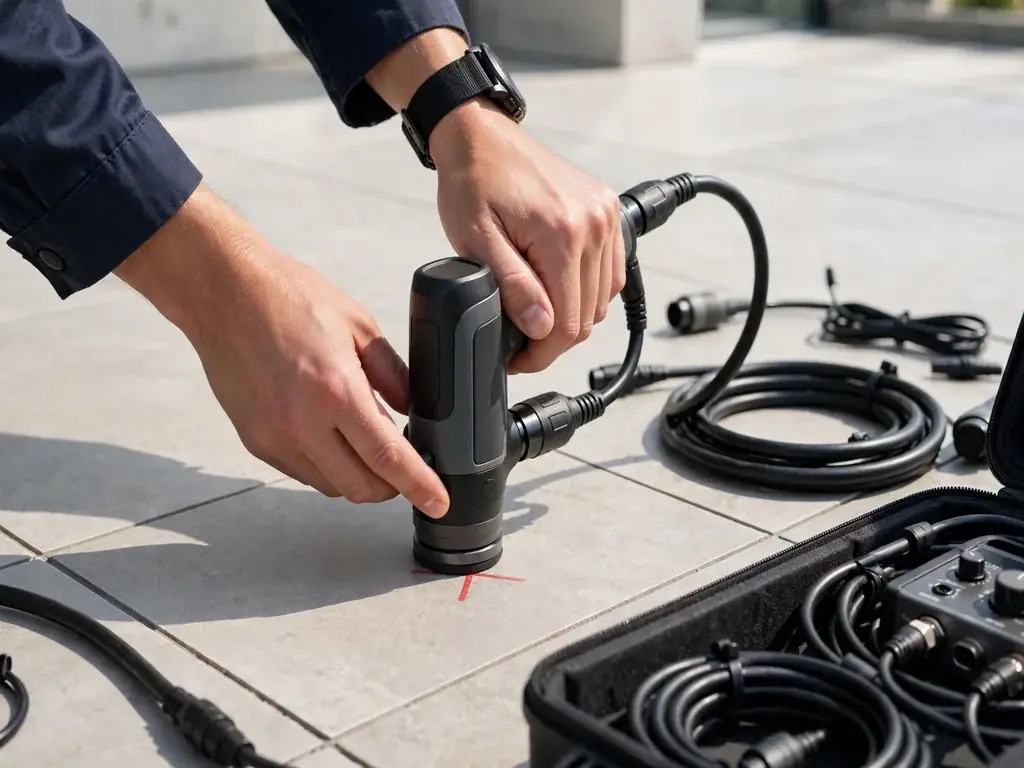
Confirmation is a measurement job. A technician reads the moisture content of the frame, the wall base and the floor around the sticking door, then compares those readings with a dry area of the house. A clear wet gradient pointing toward one spot tells the story and suggests where the water is traveling from.
If the readings say the structure is wet, the hunt for the source begins: meter and pressure tests to prove a plumbing leak, acoustic leak detection and thermal imaging to locate it, and tracer gas when the leak is quiet. At ProLine Leak Fix Pros, serving Lynnwood and Snohomish County, we show you the moisture map and the located source, so the repair, and any door adjustment after drying, happens in the right order.
Expect the drying to take longer than the finding. Locating a leak can take a single visit, while a soaked subfloor and wall base may need days of fans and dehumidification before readings return to normal. That patience is worth it: adjusting or replacing a door before the structure is dry builds the next problem into the frame.
Conclusion: A Sticking Door Is a Message
Doors do not stick out of spite. They report swelling wood, lifted floors and frames pushed out of square, and hidden water causes all three. Settling and seasons explain some cases, but a sudden, worsening, one area change with moisture fingerprints nearby deserves a leak check first.
Read the message before you reach for the plane. If water is talking through your door, answering the leak protects the frame, the floor and the door itself.
Tonight, before bed, try the doors on your list once more and notice exactly where each one rubs. That small observation, plus a meter check, is the first page of the answer, and it costs nothing but attention.