In This Article
Leaks attract folklore. A neighbor swears by one trick, a video promises another, and a well meaning relative adds a third. Some of that advice is harmless. Some of it quietly wastes the weeks during which a small leak becomes a large repair. The damage does not pause while a myth gets tested.
This guide takes on eight of the most common leak detection myths we hear from Lynnwood homeowners, explains why each one misleads, and replaces it with what actually works. If you have been following any of these, do not feel bad. They survive because they sound sensible. They just are not.
Myths 1 to 3: The Waiting Myths
Myth 1: If it were a real leak, I would see water. Most damaging leaks are hidden by design of the building, inside walls, under slabs and in crawl spaces. Water shows on a surface only after the material behind it is saturated. Waiting for visible water means waiting for advanced damage.
Myth 2: A small drip can wait until it gets worse. A leak never improves with time, and the materials around it weaken steadily. The drip is the cheapest version of the problem you will ever be offered. Waiting trades a fitting repair for a flooring repair.
Myth 3: The stain will tell me where the leak is. Water travels. It runs along pipes, framing and the underside of floors, then appears far from its source, often downhill or one room away. The stain marks where water ended up, not where it escaped.
Myths persist for a kind reason: they let a worried homeowner feel that something is being done. Watching a stain, running dye, listening at a wall, all feel like action. The problem is that water is also acting during those weeks, quietly and continuously. A myth is not just wrong information. It is a delay with a friendly face.
Myths 4 to 6: The DIY Test Myths
Myth 4: Dye in the toilet tank tests the whole house. The dye test is a fine check for one thing: whether a toilet flapper leaks into the bowl. It says nothing about supply lines, slab pipes, shower valves or any other part of the system. Passing the dye test does not clear the house.
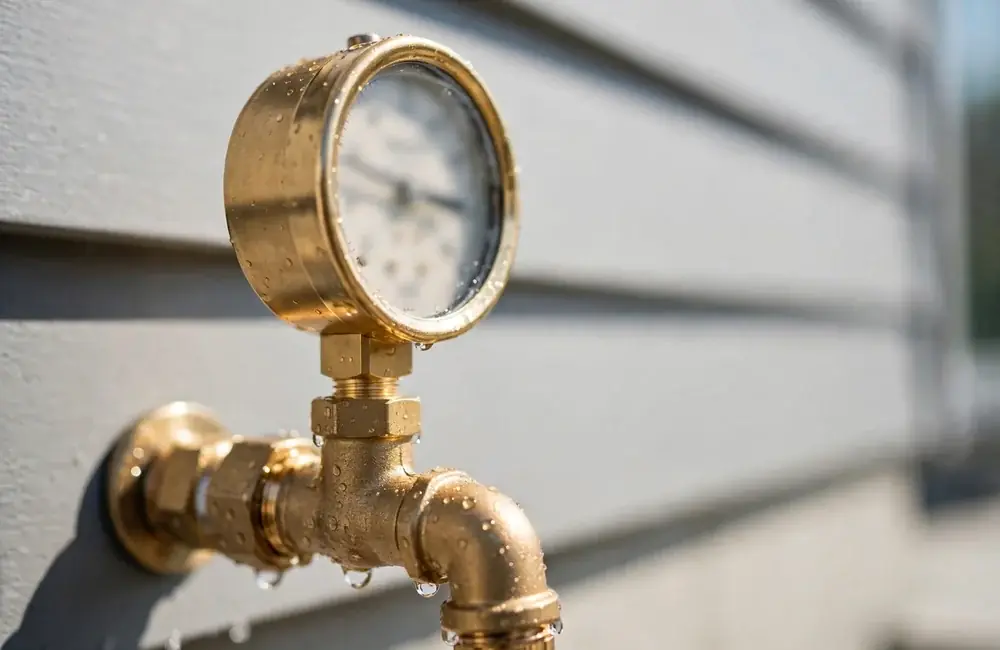
Myth 5: I can hear a leak if I listen hard enough. Human ears catch loud leaks in quiet rooms, and that is worth trying. But plastic pipes absorb sound, deep lines muffle it, and household noise masks it. Hearing nothing proves nothing. The meter, not the ear, is the honest first test.
Myth 6: A dry day means the leak stopped. Intermittent leaks follow water use, pressure cycles and weather. A dry Tuesday usually means the conditions paused, not that the pipe healed. Pipes do not heal.
Myth 5 deserves one extra word, because it contains the most truth of the eight. Listening is a real professional method, and your ears are not useless. The myth is not that ears hear leaks. The myth is that silence means safety. Professionals pair listening with meters, pressure gauges and moisture readings precisely because each sense, human or electronic, has blind spots the others cover.
Myths 7 and 8: The Fix-First Myths
Myth 7: Open the wall where it feels damp and the leak will be there. Dampness spreads through drywall and along framing well beyond the source. Exploratory openings based on feel regularly miss the leak and hit your budget instead. Detection first, opening second, is the order that saves both walls and money.
Myth 8: Any plumber visit automatically includes finding the leak. Repair plumbing and leak detection are different crafts with different tools. A repair visit without detection equipment can end in guesswork openings. Dedicated detection, using acoustic, thermal and tracer gas methods, exists precisely because locating a hidden leak is its own specialty.
Consider what the myths have in common financially. Each one postpones the only step that stops damage: locating and repairing the source. Every week of postponement is billed twice, once in water through the meter and once in material damage behind the wall. The myths feel free. They are among the most expensive advice in home ownership.
What Actually Works Instead
Replace the folklore with a short, proven sequence:
- Confirm with the meter. All water off, then watch the leak indicator or compare readings over two quiet hours.
- Isolate by zone. Use shutoffs for the house, the water heater, toilets and irrigation to learn which branch loses water.
- Trust patterns, not single clues. A moving meter plus a musty smell plus a soft floor spot is a case. Any one alone is a question.
- Detect before opening. Get the leak located and verified with instruments, then open only the marked spot.
- Act on the first evidence. Early leaks are small repairs. That is the whole ballgame.
Notice that every item on the working list is cheap, fast or both. The meter test costs an evening. Zone isolation costs a walk with a wrench. Pattern watching costs a notebook. The expensive options in leak work are almost never the tests. They are the repairs that grow while untested guesses are being tried.
There is also a social reason myths spread: they worked once, somewhere, for someone. A stain really was under a leak in your neighbor's house, because his pipe ran straight down. Your pipe turns, travels and drips three rooms away. Houses share myths easily and plumbing layouts almost never, which is why borrowed conclusions fail even when borrowed facts are true.
How Professionals Work Without the Myths
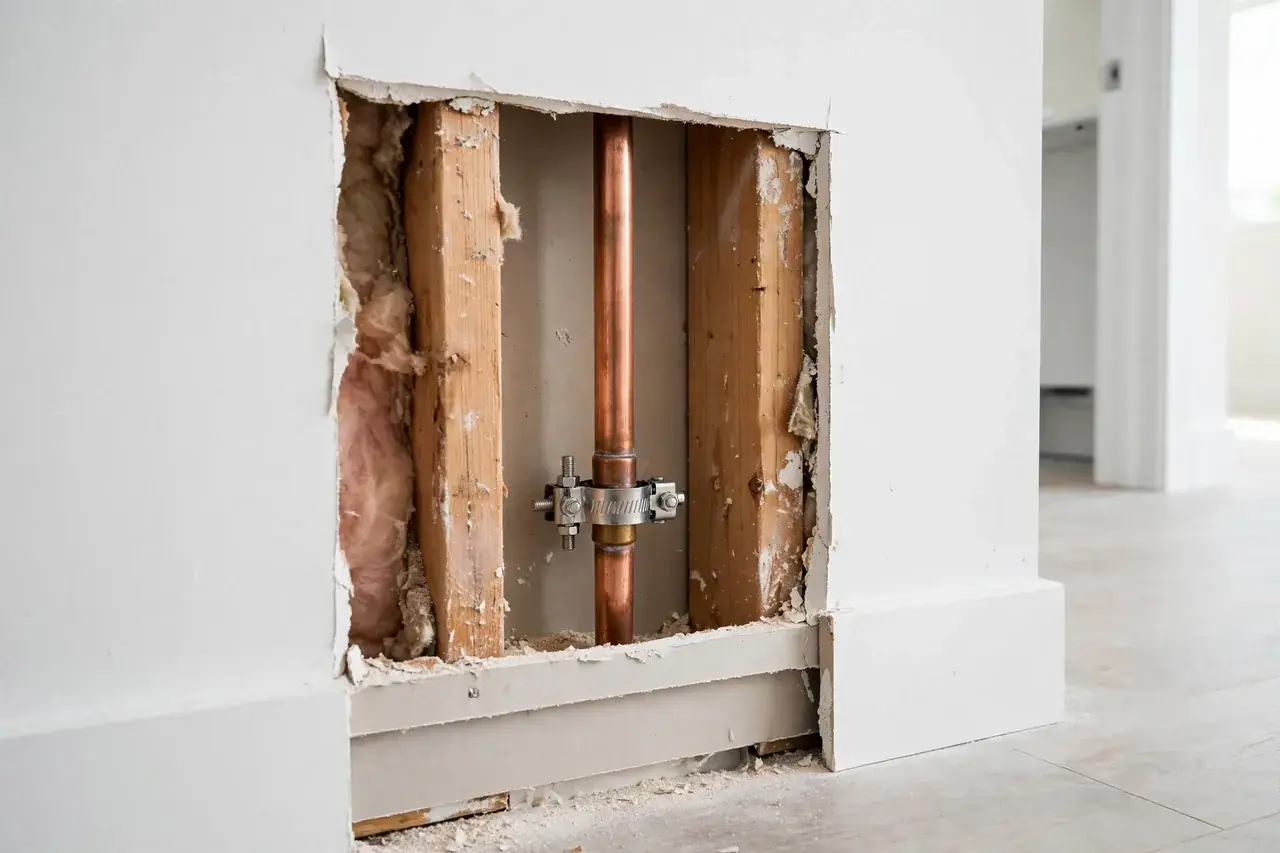
A professional detection visit is the anti myth process. It starts with confirmation, not demolition: meter and pressure tests prove a leak exists and identify the side of the system involved. Zone isolation follows, then instruments take over. Water leak detection at ProLine Leak Fix Pros combines acoustic listening, thermal imaging and moisture measurement, with tracer gas for the quietest leaks.
Each method checks the others, and the result is a marked location with evidence behind it. No wall opens on a hunch in a Snohomish County home, and no homeowner is asked to simply trust that the spot is right. The proof is shown, then the repair conversation begins.
There is a simple way to judge any leak advice you hear, including advice in articles like this one: ask what the method proves. Dye proves a flapper. Listening proves a loud sound exists. The meter proves water is moving. Detection proves a location. Advice that cannot say what it proves is folklore, however confident it sounds.
Conclusion: Retire the Myths, Keep the Meter
Every myth on this list survives because it contains a grain of truth: dye does test toilets, ears do hear loud leaks, stains do matter. The myth is the leap from that grain to a whole house conclusion.
Keep the grains, skip the leaps. Confirm with the meter, isolate the zone, and let instruments locate the leak. Your walls, floors and patience will all last longer.
If a myth has cost you time already, do not spend more time regretting it. The sequence that works is short, and it starts today: tonight's meter test, tomorrow's zone check, and a detection visit if the meter moves. Homeowners recover from myths quickly once measurements take over.
Measurements also protect you from the opposite mistake: tearing into a home that has no leak at all. Sometimes the meter sits perfectly still and the moisture readings come back dry, and the honest answer is that the symptom had another cause. Knowing that with proof is worth as much as finding a leak, because it ends the spending in the right place.