In This Article
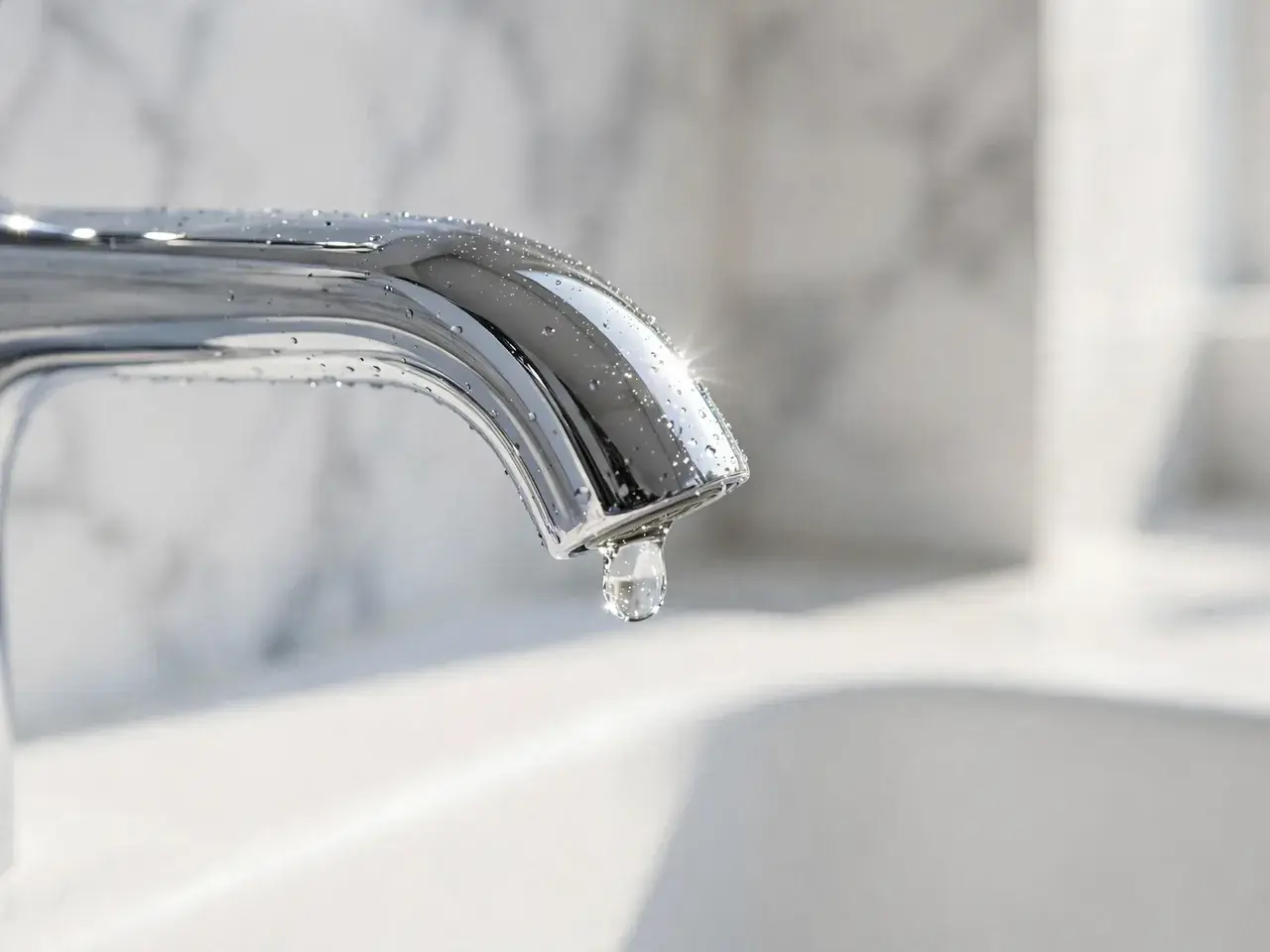
You turn the faucet handle firmly off, and for a moment the stream stops. Then it starts: drip, drip, drip, steady as a clock. Maybe it began as one drip a minute after the handle was closed, and now it is a thin, constant trickle that no amount of extra handle pressure will stop.
A faucet that drips after shutoff is almost always telling a seal story. Somewhere inside the faucet, the part that is supposed to press tight and hold back pressurized water has worn, hardened, or collected grit. Which seal has failed depends on the type of faucet you own and on the pattern of the drip. This guide explains the main faucet designs, the seals inside each one, and how to tell a simple seal problem from something that needs a closer look.
What the Seal Actually Does Inside Your Faucet
When a faucet is off, water pressure pushes against a closed gate. In older compression faucets, that gate is a rubber washer pressed against a metal seat by the turning handle. In cartridge faucets, the gate is a cartridge with seals that slide to block the water ports. Ball and ceramic disc faucets use their own arrangements of spring loaded seals and smooth plates.
All of them share one weakness: the sealing surfaces live a hard life. Every open and close rubs them. Hot water ages rubber. Mineral grains from the water supply can lodge on a seat and hold the gate slightly open. Once a gap the width of a hair exists, pressurized water finds it, and the drip begins. That is also why drips grow over time: escaping water slowly wears the gap wider, a process plumbers sometimes call wire drawing on metal seats.
Read the Drip Pattern Before You Read Anything Else
Before opening any toolbox, watch the drip for a minute and note its pattern:
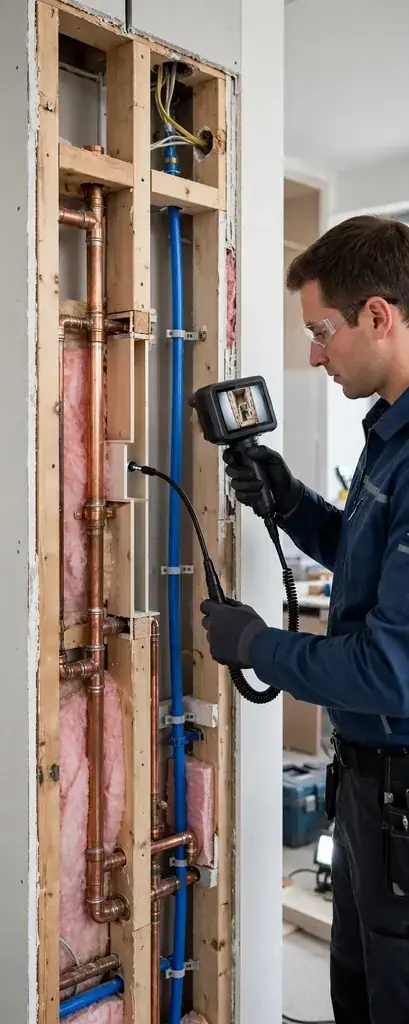
- Steady drip from the spout, hot or cold handle off: the seal on the side you used last, or a shared cartridge, is passing water.
- Drip only after using hot water: the hot side seal or cartridge is the worn one, which is common because heat ages seals faster.
- Water weeping around the handle base: the stem packing or O-ring has failed, a different and simpler seal than the main one.
- Drip that slows, stops, then restarts: often grit on the seat that shifts position, or a faucet draining its spout, which is normal for a few seconds only.
- Drip plus a humming or vibrating pipe: very high water pressure may be forcing past a tired seal and deserves a pressure check.
Also rule out the simple impostor: a long spout or a pull down sprayer can drain its stored water for up to a minute after shutoff. If the drip fully stops within about a minute and never returns until the next use, the faucet is fine and just emptying itself.
The Usual Failed Seal, by Faucet Type
Compression faucets, the kind with separate hot and cold handles that turn several rotations, drip when the rubber washer at the end of the stem flattens, cracks, or when the brass seat it presses against becomes rough. Handles that need extra force to stop the drip are a classic sign, and forcing them only grinds the washer harder into a damaged seat.
Cartridge faucets, including most single handle kitchen and bath models, drip when the cartridge seals wear or the cartridge itself scores. The drip often starts on one temperature side first. Ceramic disc faucets are durable, but a grit grain between the discs or a tired inlet seal can start a slow drip. Ball faucets use small spring loaded rubber seats that wear with age, and their drips tend to arrive along with a loose, wobbly handle feel. Knowing your type turns a vague drip into a named part.
Two modern designs deserve a mention of their own. Pull down and pull out kitchen faucets route water through a hose inside the spout, and their drips can come from the cartridge just like a standard model, but a worn hose connection can also send water back down into the cabinet, which is why a dripping faucet and a damp cabinet sometimes arrive together. Widespread bathroom faucets, with separate handles set apart from the spout, hide their valves under the counter, and their seal failures often show first as moisture around the handle bases rather than a spout drip. In both designs the principle is unchanged: find where the water crosses a seal it should not cross, and you have found your part. What changes is only where you need to look, which is why identifying your faucet type, from a photo or the shape of its handles, is worth two minutes before any repair begins.
Why a Small Drip Deserves Attention Soon
A dripping faucet looks harmless, but it works around the clock. Even a slow drip adds up to a surprising amount of water over a month, and in a Lynnwood home that water shows up on the bill just like a hidden leak would. The drip also keeps the sink drain and trap constantly damp, which can encourage odors and staining, and on the hot side it quietly wastes heated water too.
The bigger reason is progression. Drips almost never stay the same size. The escaping water erodes the seat, the seal hardens further, and a faucet that could have been refreshed with a small seal can end up needing full replacement. A drip that changes character suddenly, speeding up or arriving with discolored water, can also hint at pressure changes or pipe problems beyond the faucet, which is worth a professional look rather than another quarter turn of force.
How Professionals Confirm It Is Only the Faucet
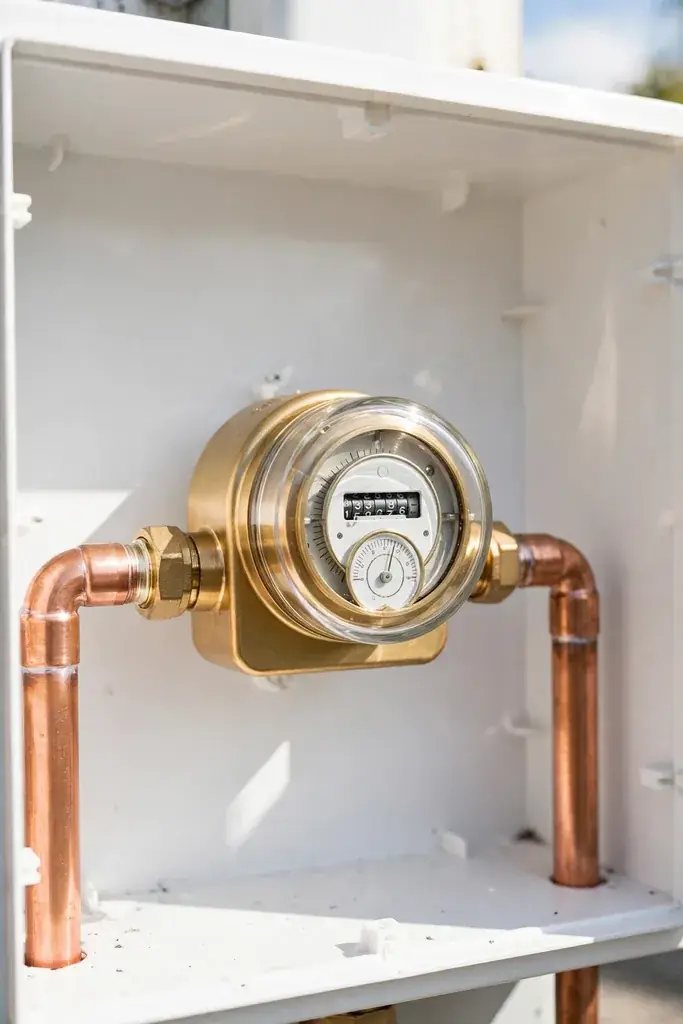
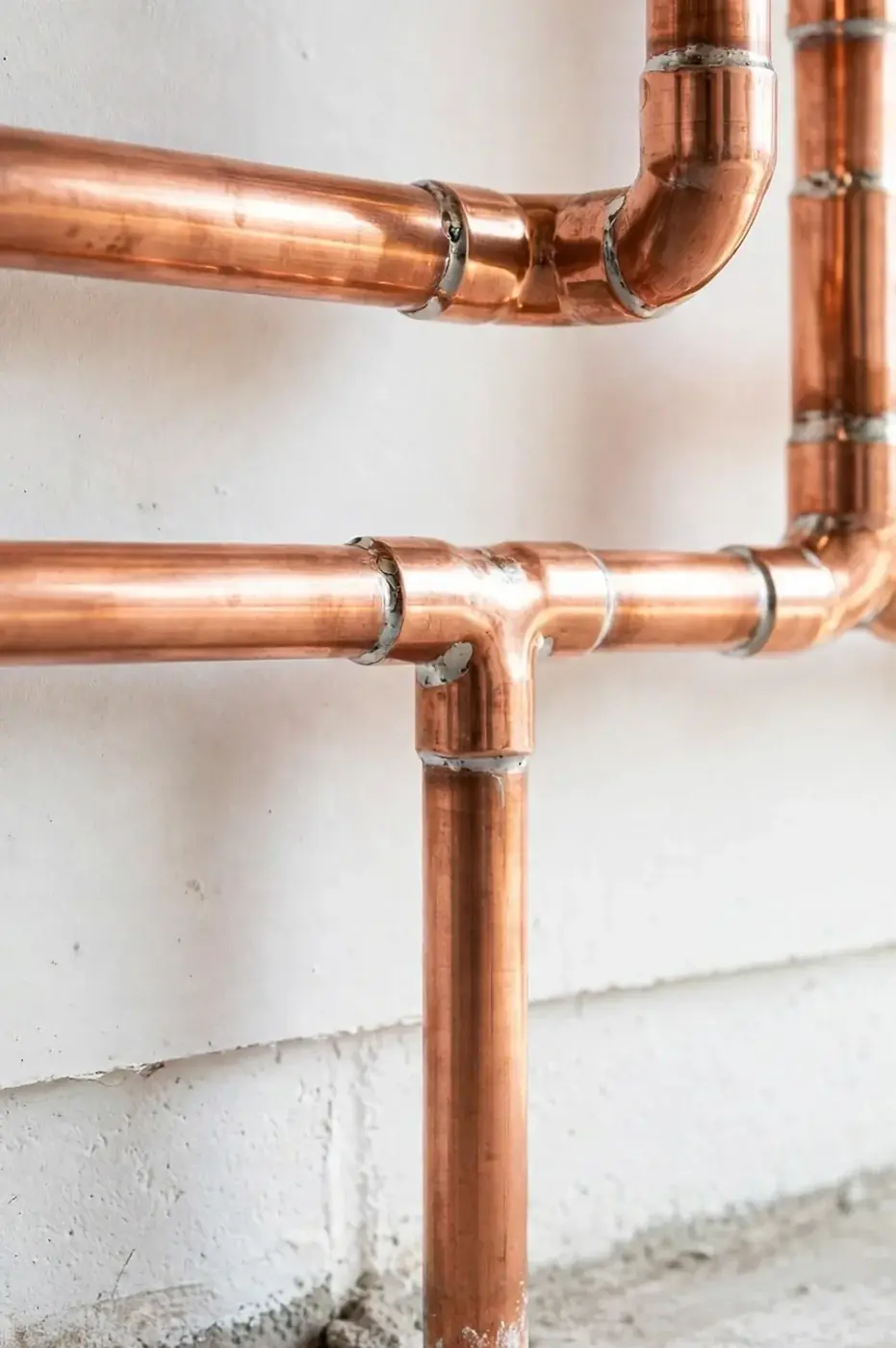
A good diagnosis starts by proving the drip is the whole story. A plumber or leak specialist will check the water meter with every fixture off: if the meter sits perfectly still while the faucet drips into a cup, the loss is only the visible drip. If the meter creeps, something else is leaking too, and the faucet was just the loudest symptom.
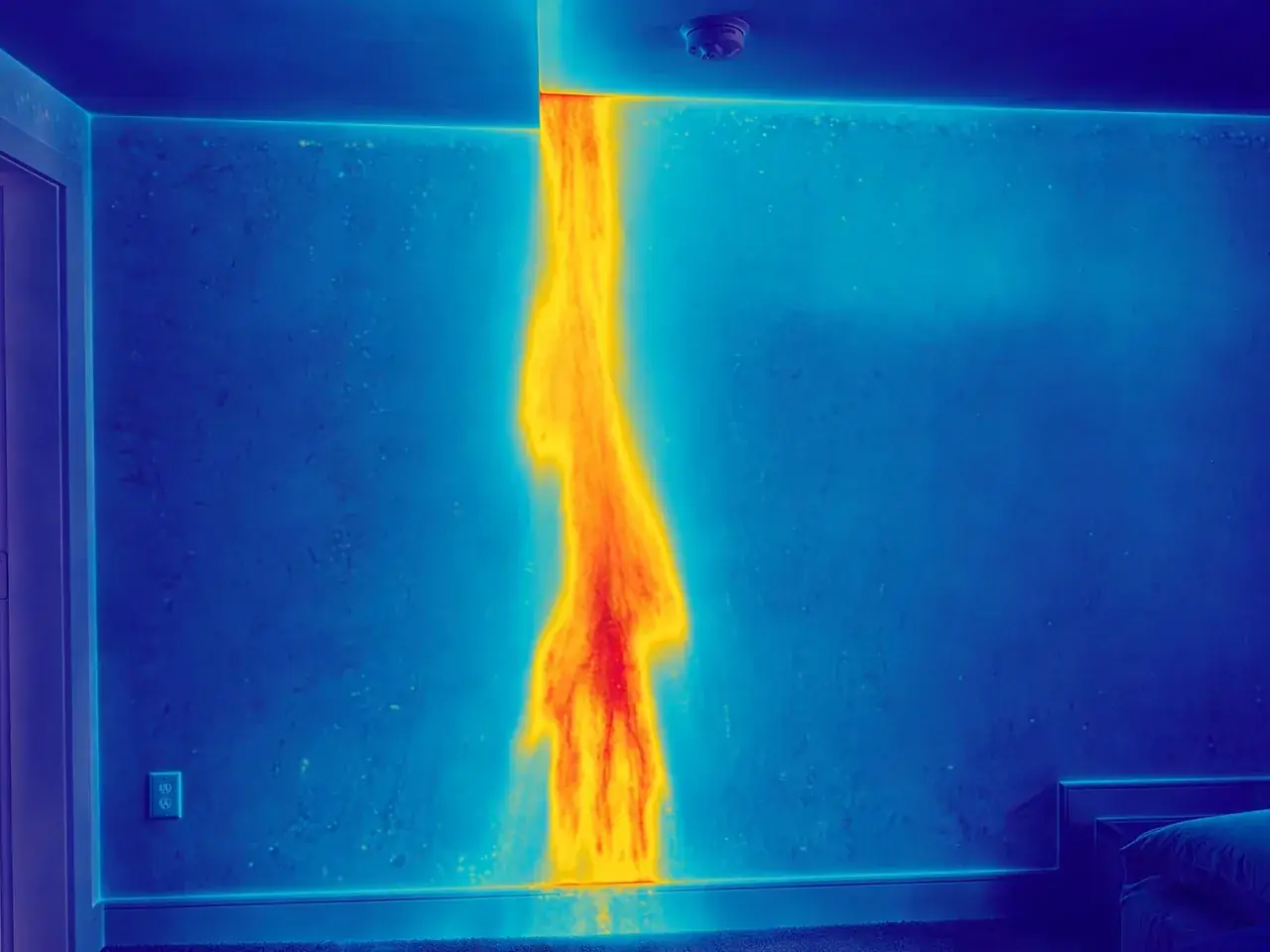
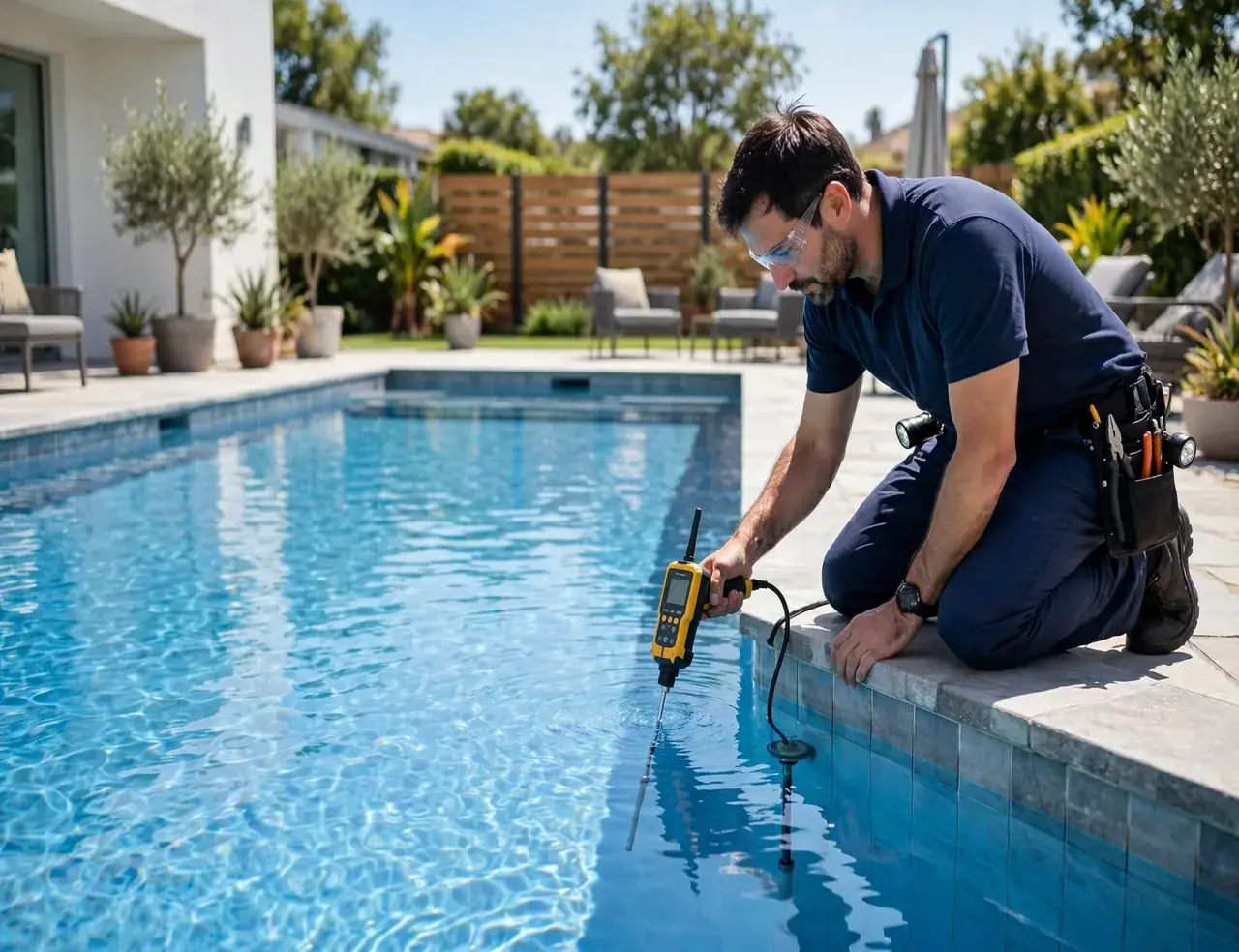
From there, pressure testing and a look at the valve seats and cartridge under good light confirm which seal failed and whether the seat surface can still seal with a fresh part. ProLine Leak Fix Pros uses water leak detection checks like these when a drip arrives with a high bill or a damp cabinet, because a dripping faucet above a wet cabinet floor sometimes means the supply connections below are weeping as well. Confirming the full picture first avoids fixing the drip and missing the leak.
Conclusion: The Drip Pattern Names the Seal
A faucet that keeps dripping after shutoff is not being stubborn. Its seal has worn, hardened, or caught grit, and the pattern of the drip tells you which seal and which faucet design you are dealing with. Rule out normal spout drainage, note whether the hot side, cold side, or handle base is involved, and match that to your faucet type.
If the drip is growing, the meter moves with everything off, or the cabinet below is damp as well, call ProLine Leak Fix Pros at (425) 380-0028. We serve Lynnwood and Snohomish County day and night, and we will make sure the faucet is the only thing dripping.