In This Article
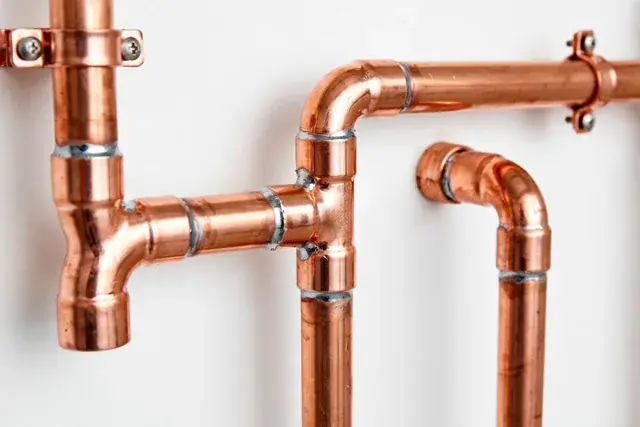
Copper pipes are supposed to age to a dignified brown. So when you find blue green crust blooming at a joint under the sink, or green streaks running down a basement line, it is natural to wonder whether you are looking at harmless patina or the early chapters of a leak. The honest answer is: it depends on the stain, and learning to tell the difference can save you a ceiling.
This guide explains what makes copper turn green, which stains are cosmetic, which ones predict pinhole leaks, the conditions that speed corrosion up, and how to check your lines like a professional would.
Why Copper Turns Green in the First Place
Copper reacts with its environment. Exposed to air and moisture, its surface slowly oxidizes, first to the familiar dull brown, and over longer periods to green compounds, the same family of minerals that colors old copper roofs and statues. That slow surface patina is normal and even protective. The staining that matters for plumbing is different: it is local, active, and driven by water where water should not linger, either weeping from a joint or condensing and dripping onto the pipe from elsewhere.
Corrosion from the inside is the quieter threat. Water chemistry, flow patterns, and age can thin copper from within, a process often called pitting. The first outside evidence may be tiny green or white deposits at a single spot on an otherwise clean run, moisture beading at a pinhole too small to spray, or a faint green halo around a fitting. Inside driven pinholes are the classic source of the mysterious slow leak that soaks a ceiling or wall long before anyone sees water move.
Cosmetic Stains vs Warning Stains: How to Tell
Use this field guide on your own lines:

- Likely cosmetic: a thin, even green film over an old exposed run, dry to the touch, unchanged for years, with no crust and no moisture
- Worth watching: green color concentrated at joints and fittings, where a slightly damp connection can stain the copper around it
- A warning: crusty, raised deposits, white or green, growing at one spot on a straight run of pipe
- A warning: any stain that is damp, weeps when wiped dry, or sits above water staining on wood or drywall below
- A warning: green streaks running downward from a single point, showing water has repeatedly traveled that path
The wipe test settles many arguments. Dry the stained area thoroughly, then check it again over the next day or two of normal water use. A cosmetic patina stays dry. An active weep rebuilds a bead of moisture or a fresh bright deposit at exactly the same point. Location matters too: staining at the lowest elbow of a run may simply collect drips from a leak higher up, so trace upward before blaming the greenest spot.
What Speeds Corrosion Up in a Home
Several household conditions turn slow patina into active damage. Water that is more acidic corrodes copper faster, and homes on certain well systems see this most. High water velocity through undersized or sharply bent lines can wear the inside of elbows, a pattern called erosion corrosion, which shows up as leaks at bends. Excess flux left inside joints from installation can attack the pipe locally for years. Contact between copper and dissimilar metals, or copper resting against damp masonry and certain treated woods, sets up galvanic and chemical attack at the contact point.
Stray moisture from outside the pipe plays a role too. A cold line that sweats every summer drips onto the pipe below it, keeping that lower pipe wet and green. In Lynnwood homes, humid crawl spaces and uninsulated lines make condensation a regular staining suspect. None of these conditions means your plumbing is failing wholesale. They mean specific spots deserve a closer look, because pinhole leaks almost always start at specific spots, not everywhere at once.
A note about cleaning: it is fine to wipe a stain to run the dampness test, but avoid aggressive scrubbing, wire brushing, or chemical descalers on a suspect spot. A pinhole that is currently sealed by its own crust of corrosion products can start spraying when that crust is disturbed, and what was a weep you could schedule becomes a leak you have to stop tonight. If you do disturb a crust and water appears, close the nearest shutoff or the main valve calmly and treat it as the finding it is: the pipe was already at the end of its local life, and it has told you exactly where. Photograph before and after any cleaning, and keep the area under a known weep dry and visible rather than wrapped in tape or compound, which hides the evidence and traps moisture against the pipe where it does the most harm.
A Careful Homeowner's Check of Exposed Lines
You can survey most of a home's copper in one pass with a flashlight and a dry cloth:
- Start where leaks hurt most: lines above finished ceilings, inside bathroom walls with access panels, and under kitchen and bath sinks.
- Look for the warnings: crust, dampness, green streaks, and any spot where the pipe looks pitted or rough instead of smooth.
- Run the wipe test on anything suspicious and recheck it after a day of normal use.
- Check below the pipes: water stains on joists, drywall, or stored items tell you a weep has been active for a while.
- Know your shutoff. If you find an active weep, know where the main valve is before you need it in a hurry.
Take photos of anything questionable with the date noted. Corrosion is a story told in change over time, and a stain that is identical in photos a year apart is a very different finding from one that has doubled. Photos also give a technician your starting evidence instead of a fresh guess.
How Professionals Check Corroded Lines for Active Leaks
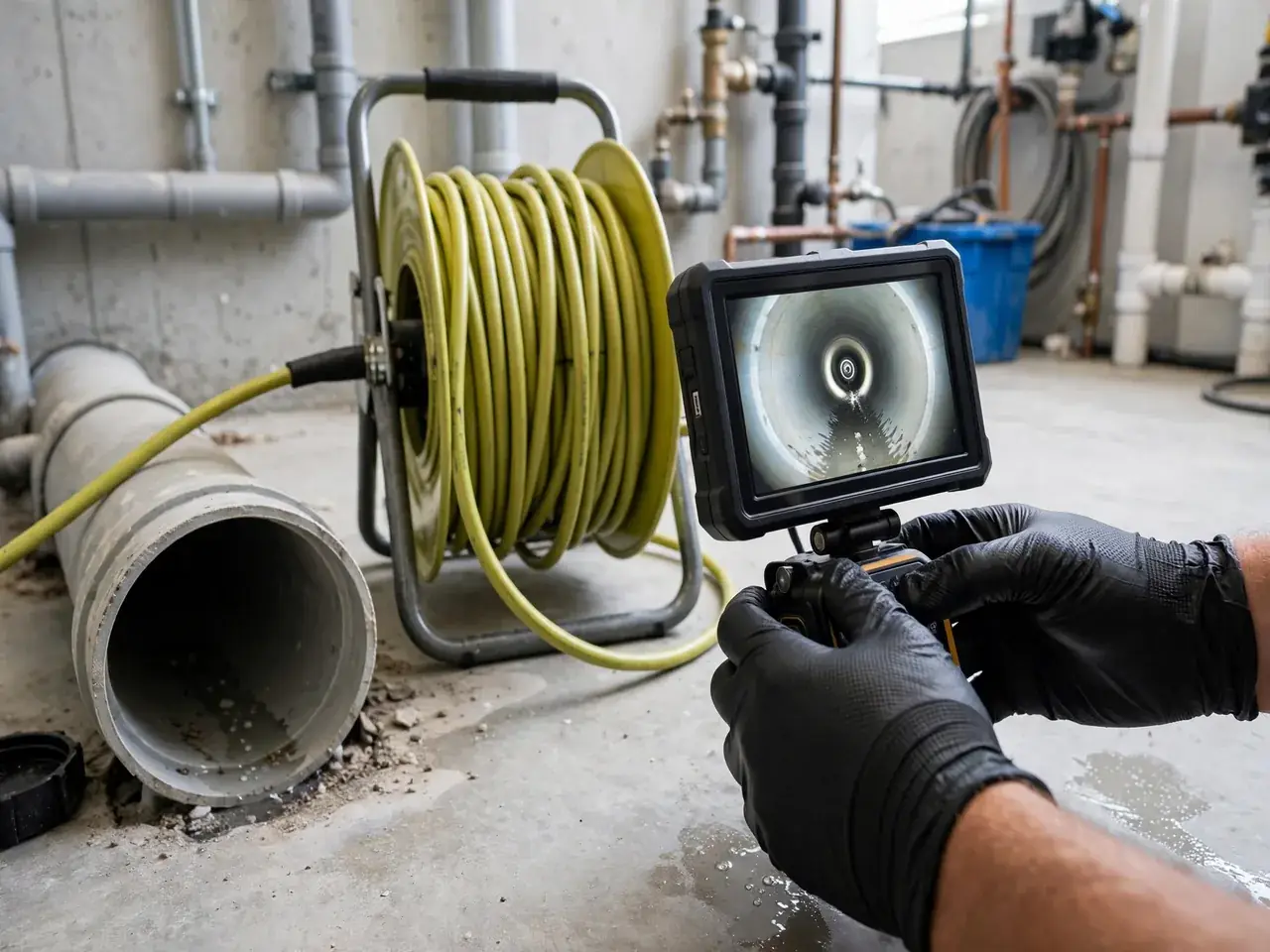
A professional check separates surface history from live leaks. Pressure testing the system shows whether the lines hold pressure or lose it slowly, which catches pinholes too small to see. Acoustic listening can pick up the fine hiss or misting sound of a pinhole inside a wall or ceiling before it ever drips visibly. Moisture meters survey the materials around suspect runs, revealing whether a stain's moisture has been soaking the structure or staying on the pipe's surface.
ProLine Leak Fix Pros pairs these checks on water leak detection visits across Snohomish County. The goal is a clear verdict per stain: cosmetic and safe to monitor, or active and worth repairing now, while the repair is still a fitting and not a floor.
Age alone is not a verdict either. Plenty of copper lines serve for many decades with nothing worse than a dignified brown finish, and plenty of younger lines stain early because of one bad joint or one damp location. Judge each run of pipe by its own evidence: dry or damp, stable or changing, silent or soaking the materials around it.
Conclusion: Green Is Information, So Read It Early
Green stains on copper are the pipe's way of keeping a diary. An even, dry, unchanging film is an old entry that means little. Crust, dampness, streaks, and growth at a single point are fresh entries, and they often precede the pinhole leak that soaks a ceiling. Wipe, watch, photograph, and check what sits below your lines, and you will catch the warnings while they are still small.
If your Lynnwood home has growing crust, a stain that weeps, or green streaks above finished rooms, have the lines tested. ProLine Leak Fix Pros confirms whether corrosion has already become a leak and pinpoints it exactly, so the repair happens before the diary becomes a flood.